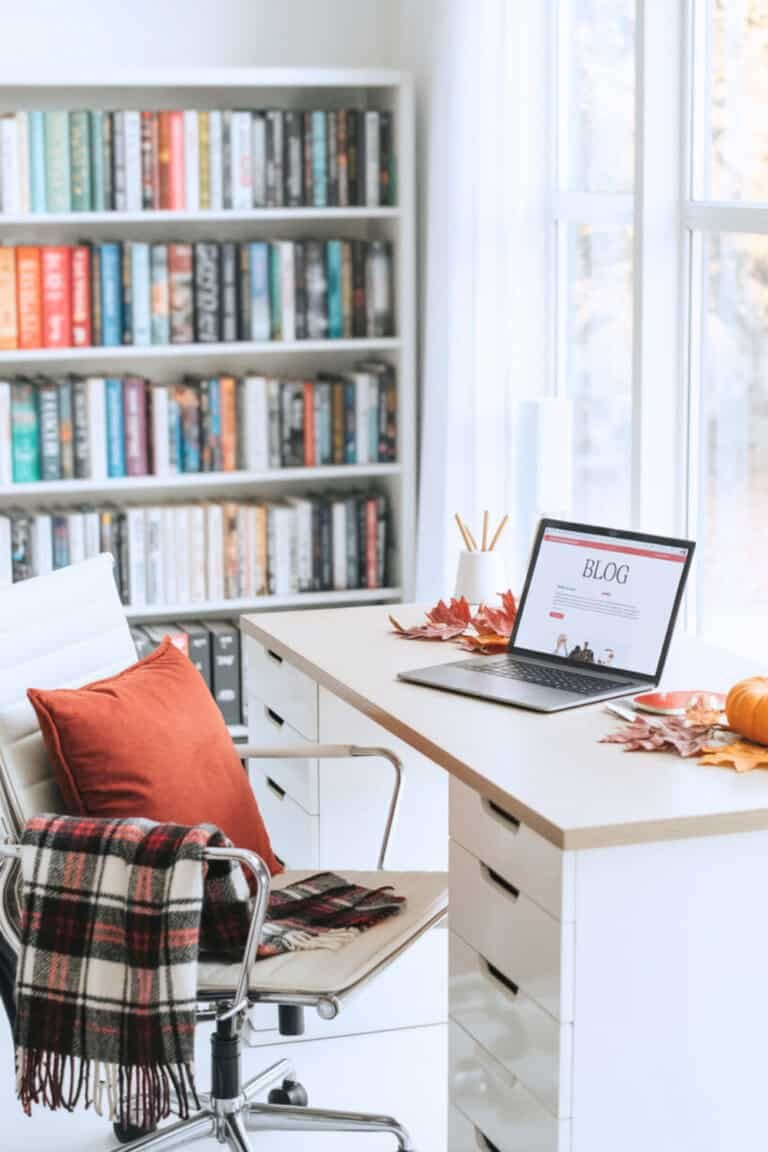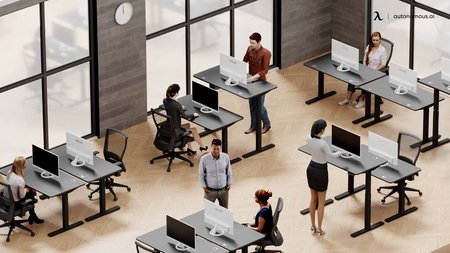
Your office table isn’t just a piece of furniture—it’s the heart of your workspace. How you place it can change the way you work, feel, and even think throughout the day.
Imagine a setup that boosts your focus, sparks creativity, and keeps distractions away. Ready to discover simple yet powerful office table placement ideas that transform your work environment? Keep reading to unlock tips that make your workspace work for you.
Choosing The Right Desk
Selecting the right desk is key to a modern office. It affects comfort and productivity.
Think about your work needs and space before picking a desk. The right desk fits your style.
Types Of Office Tables
There are many office table types. Choose one that suits your tasks and room layout.
- Standard desks with drawers for storage
- Standing desks to improve health
- L-shaped desks for corner spaces
- Compact desks for small rooms
- Collaborative tables for team work
Size And Shape Considerations
Desk size matters for comfort and space use. Pick a desk that fits your room well.
The shape affects how you work. Choose a shape that matches your tasks and space.
- Rectangular desks fit most spaces
- L-shaped desks save corner space
- U-shaped desks offer lots of surface area
- Round tables encourage group work
Material And Finish Options
Desk materials impact durability and style. Pick a finish that matches your office look.
Some materials need more care than others. Choose what fits your lifestyle and budget.
- Wood offers warmth and classic style
- Metal is strong and modern
- Glass looks sleek but needs cleaning
- Laminates are affordable and easy to clean
Credit: www.roomsketcher.com
Optimal Desk Placement
Placing your office desk properly can improve focus and comfort. Good placement helps you work better and feel relaxed.
We look at natural light, wall positioning, and distractions to find the best desk spot for your office.
Natural Light And Window Positioning
Natural light boosts mood and energy during work hours. Place your desk near windows but avoid glare on screens.
- Position the desk at a side angle to the window.
- Use light curtains to reduce direct sunlight.
- Keep the window clean for clear daylight.
- Avoid facing windows directly to prevent eye strain.
Facing Vs. Back To The Wall
Facing the room helps you see activity and feel in control. Sitting with your back to the wall can feel secure but may limit view.
| Desk Position | Benefits | Drawbacks |
| Facing the room | Good visibility and interaction | More distractions from activity |
| Back to the wall | Sense of security and fewer distractions | Limited view and possible discomfort |
Distance From Distractions
Keep your desk away from noisy areas to stay focused. Noise and movement can break your concentration.
- Place the desk away from doorways and hallways.
- Use room dividers to block distractions.
- Choose quieter corners for workstations.
Ergonomic Arrangements
Setting up your office table correctly helps you work better. Ergonomic arrangements reduce strain and keep you comfortable.
Good posture and proper placement of equipment prevent pain and tiredness. Small changes make a big difference.
Proper Chair And Desk Height
Your chair and desk must fit your body size. The right height keeps your back straight and feet flat on the floor.
Adjust the chair so your knees are level with your hips. The desk should allow your arms to rest comfortably.
- Chair height: feet flat, knees at 90 degrees
- Desk height: elbows bent at 90 degrees
- Use footrests if feet do not reach the floor
Monitor And Keyboard Positioning
Place your monitor at eye level to avoid neck strain. The screen should be about an arm’s length away from you.
Keep the keyboard close to your body. Your wrists should stay straight while typing to prevent discomfort.
- Monitor top at or just below eye level
- Screen distance: 20 to 30 inches from eyes
- Keyboard near body with wrists straight
Maintaining Comfortable Posture
Sit with your back supported by the chair. Keep shoulders relaxed and avoid slouching during work.
Take regular breaks to stand and stretch. Change positions often to reduce muscle stiffness.
- Use chair backrest for lumbar support
- Keep shoulders down, not raised
- Stand or stretch every 30 minutes
Incorporating Style Elements
Choosing the right style elements can improve your office space. A well-placed desk creates a better work environment.
Simple changes in color, accessories, and plants make the space more inviting and personal.
Color Coordination
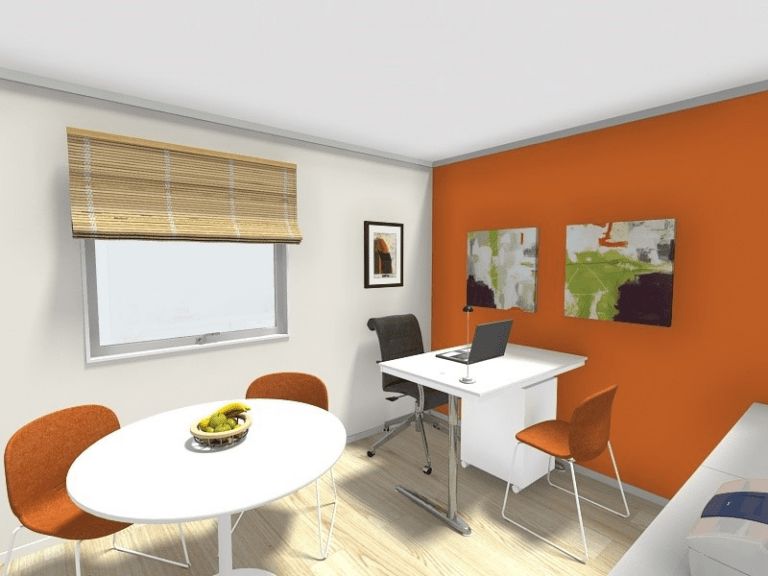
Colors set the mood in your office. Match your desk with wall colors and flooring for harmony.
Use soft tones to keep the space calm or bright colors to add energy. Balance is key.
- Choose a main color for your desk and chair
- Pick two accent colors for decor items
- Use neutral colors for large surfaces
Desk Accessories And Decor
Desk accessories add style and keep you organized. Select items that match your office theme.
Keep decor simple but useful. Choose trays, pen holders, and lamps that look good and work well.
- Use matching desk organizers to reduce clutter
- Add a stylish lamp for good lighting
- Place a clock or calendar for function and design
Greenery And Personal Touches
Plants bring life and freshness to any office. Small plants fit well on desks without taking space.
Adding personal items makes your space unique. Photos or art can inspire and comfort you.
- Choose low-maintenance plants like succulents or air plants
- Display a framed photo or a small art piece
- Use colorful pots to add charm
Space-saving Layouts
Maximize your office space with innovative table placement ideas that promote productivity and efficiency.
L-shaped And Corner Desks
L-shaped and corner desks are ideal for small offices, providing ample workspace while minimizing floor space.
- Place the desk in a corner to create a cozy workspace.
- Choose a compact L-shaped desk for narrow rooms.
- Consider a floating desk for a modern and airy feel.
Floating And Wall-mounted Tables
Floating and wall-mounted tables are perfect for open-concept offices, adding a touch of sophistication and elegance.
| Table Type | Benefits |
|---|---|
| Floating Desk | Creates a sense of openness and visual flow |
| Wall-Mounted Table | Maximizes floor space and adds a touch of modernity |
Using Multi-functional Furniture
Multi-functional furniture is a great way to save space and reduce clutter in your office.
By incorporating these space-saving table placement ideas, you can create a more efficient and productive office environment.

Credit: www.youtube.com
Tech-friendly Setup
Creating a modern office table setup means making space for your devices. Technology needs smart placement to work well.
Good table placement helps keep cables tidy and devices charged. It also makes it easy to use smart gadgets.
Cable Management Tips
Keep cables organized to avoid mess and damage. Use simple tools to hide and hold wires together.
- Use cable clips or ties to group cords
- Place a cable tray under the table
- Label cables for easy identification
- Choose desks with built-in cable holes
- Keep power cords away from foot traffic
Charging Stations And Power Access
Set up a dedicated spot for charging devices. This keeps your desk free from clutter and devices powered.
Place power strips and chargers within easy reach. Use USB hubs to charge multiple devices at once.
- Use a multi-port USB charger
- Keep chargers close to your main work area
- Use wireless charging pads on the table
- Install power outlets near the desk
- Manage device cords with flexible cable sleeves
Integrating Smart Devices
Smart devices improve office work by automating tasks. Place smart speakers and assistants where you can hear and see them.
Connect devices to your office Wi-Fi for smooth control. Keep smart screens and hubs within arm’s reach for quick access.
- Use smart lights with voice control
- Place smart assistants on the desk corner
- Set up wireless keyboards and mice
- Use smart plugs for easy power control
- Keep devices updated for security and speed
Collaborative Vs. Private Zones
Modern offices balance teamwork and quiet work. Designing spaces for both helps workers stay productive.
Knowing where to place tables creates a good flow. It supports different tasks and work styles.
Open Desk Concepts
Open desks let teams work together easily. They encourage communication and idea sharing.
Placing tables in clusters helps groups talk and plan. It suits creative and fast-moving projects.
- Use large tables for group work
- Arrange desks in circles or rows
- Keep pathways clear for movement
Partitioning For Focus
Partitions create private zones for quiet work. They reduce noise and distractions.
Tables with dividers help workers focus better. Small walls or screens give personal space.
- Use low partitions to keep some openness
- Add sound-absorbing materials
- Choose adjustable dividers for flexibility
Flexible Workspace Solutions
Flexible tables can move to fit different needs. They support both team work and solo tasks.
Mobile desks or foldable tables save space. Workers can change zones easily during the day.
- Use wheels for easy table movement
- Combine small and large tables
- Create zones that change with work type
Credit: www.autonomous.ai
Frequently Asked Questions
How To Choose The Best Spot For A Modern Office Table?
Select a location with ample natural light and minimal distractions. Ensure proximity to power outlets and easy access to office essentials. Consider room flow and ergonomic comfort to boost productivity and maintain a clean, organized workspace.
What Are Popular Layouts For Office Table Placement?
Common layouts include corner positioning, against a wall, or center room placement. Each layout suits different room sizes and work styles. Choose based on space efficiency, privacy needs, and collaborative requirements to optimize workflow.
How To Maximize Space With Modern Office Table Placement?
Place tables near walls or corners to free up central space. Use compact, multi-functional tables for small areas. Keep pathways clear and avoid overcrowding to maintain an open, comfortable office environment.
Can Office Table Placement Improve Work Productivity?
Yes, strategic placement reduces distractions and enhances focus. Position tables near windows for natural light and fresh air. Proper arrangement supports ergonomic posture and easy communication, boosting overall efficiency.
Conclusion
Choosing the right office table placement boosts comfort and work focus. Good layout saves space and helps keep things neat. It also makes moving around easier and quicker. Small changes can create big differences in your workspace mood. Try different setups to find what fits your needs best.
A well-placed table supports better work habits every day. Keep it simple, clean, and suited to your tasks. This way, your office feels inviting and helps you stay productive.