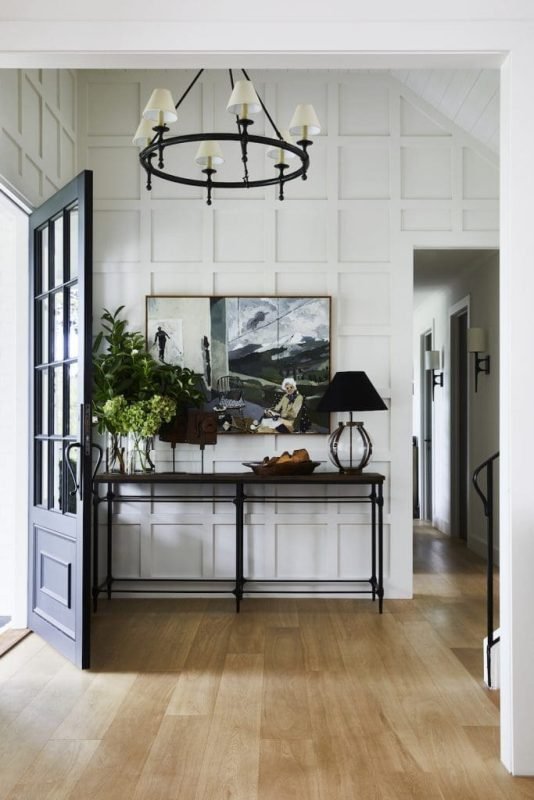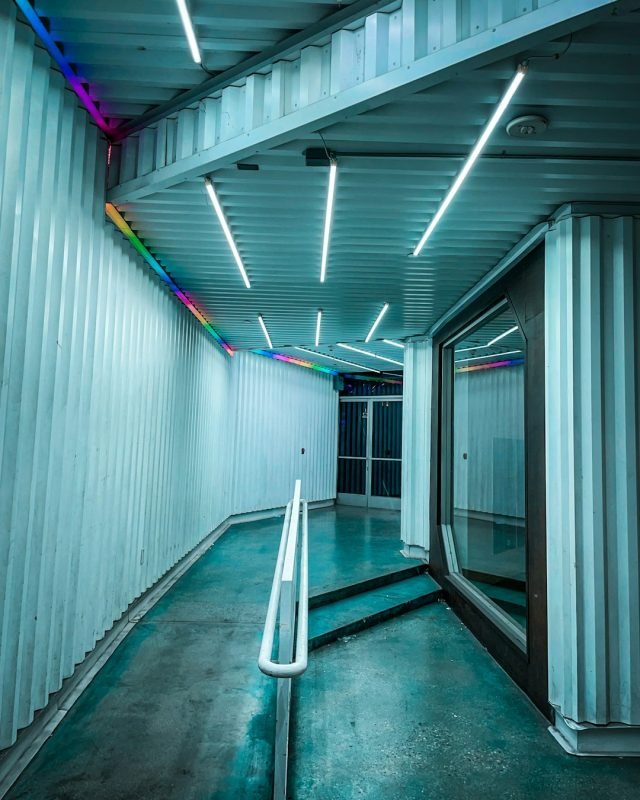
Your hallway is more than just a passage—it’s the first impression of your home. Imagine transforming this often overlooked space with lighting that’s both stylish and easy to create yourself.
You don’t need to be an expert or spend a fortune to make your hallway inviting and bright. You’ll discover simple DIY hallway lighting projects that can add warmth, personality, and charm to your home. Ready to light up your space in a way that truly reflects you?
Keep reading, and let’s get started!
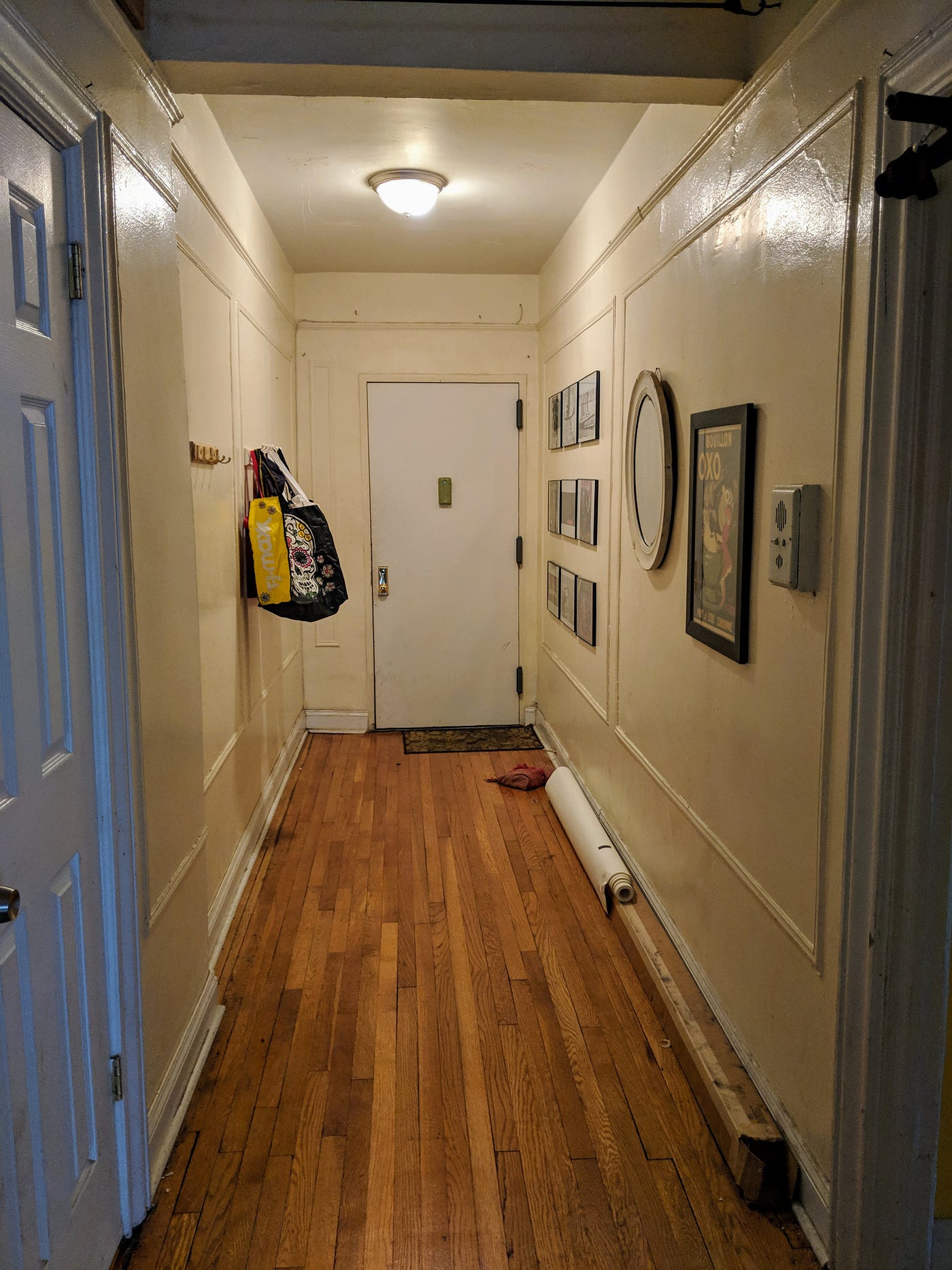
Credit: medium.com
Choosing The Right Lighting
Lighting a hallway well makes your home safer and more inviting. The right light can brighten dark spaces and add style. This guide helps you pick the best lighting for your hallway.
Consider the size, style, and function of your hallway. Good lighting can highlight artwork or create a warm path through your home.
Types Of Hallway Lights
There are many light fixtures for hallways. Each type offers different benefits and fits various spaces.
- Ceiling-mounted lights: These save space and spread light evenly.
- Wall sconces: They add style and work well in narrow hallways.
- Recessed lights: Hidden in the ceiling, they give a clean look.
- Track lighting: Adjustable heads let you direct light where needed.
- Pendant lights: Great for high ceilings and adding a decorative touch.
Energy-efficient Options
Energy-saving lights reduce bills and help the environment. Many efficient bulbs work well in hallways.
| Light Type | Energy Use | Average Lifespan | Cost |
| LED | Low | 25,000 hours | Medium |
| CFL | Medium | 8,000 hours | Low |
| Halogen | High | 2,000 hours | Low |
| Incandescent | Very High | 1,000 hours | Very Low |
Matching Your Decor Style
Choose lights that fit your hallway’s look. The right style adds to your home’s feel.
Here are tips to match lighting with decor:
- Modern:Use sleek, simple fixtures with clean lines.
- Traditional:Pick classic shapes and warm finishes like bronze or brass.
- Rustic:Go for lights with wood or metal details.
- Minimalist:Choose small, unobtrusive lights that blend in.
Planning Your Lighting Layout
Good lighting makes your hallway safe and welcoming. Planning the layout helps you decide the best spots for lights.
Consider the size and shape of the hallway. Think about the style and features you want to highlight.
Assessing Your Hallway Size
Measure the length and width of your hallway. This helps you know how many lights you need.
- Measure the hallway length in feet.
- Measure the hallway width in feet.
- Calculate the total square footage.
- Note any corners or turns.
Balancing Light Sources
Use different types of lights to avoid dark spots. A mix of ceiling and wall lights works well.
| Light Type | Best Use | Effect |
| Ceiling Lights | General lighting | Bright and even |
| Wall Sconces | Accent lighting | Soft and warm |
| LED Strips | Under shelves or trims | Modern and subtle |
| Floor Lamps | Near seating areas | Focused and cozy |
Highlighting Key Features
Showcase art, photos, or architectural details with spotlights. Proper light draws attention to these areas.
- Place spotlights above paintings.
- Use directional lights for shelves.
- Install dimmers to control brightness.
- Choose warm light bulbs for a cozy feel.
Diy Ceiling Fixtures
Hallway lighting can change the look of your space. DIY ceiling fixtures let you add style and light.
You can install flush mount lights, make custom pendants, or add recessed lighting. Each option fits different tastes and skills.
Installing Flush Mount Lights
Flush mount lights sit close to the ceiling. They work well in hallways with low ceilings.
Start by turning off power at the breaker. Remove the old fixture and connect the wires of the new light. Secure it to the ceiling and add bulbs.
- Turn off electricity
- Remove old fixture
- Connect wires: black to black, white to white
- Attach fixture base to ceiling
- Install bulbs and test light
Creating Custom Pendant Lights
Custom pendant lights hang down from the ceiling. They add character and focus light on certain spots.
Choose a simple pendant kit. Add your own shade using materials like glass jars or metal baskets. Adjust the cord length to fit your hallway height.
- Buy a pendant light kit
- Make or pick a unique shade
- Attach shade to the kit
- Adjust hanging length
- Mount and connect wiring
Adding Recessed Lighting
Recessed lighting fits into the ceiling for a clean look. It brightens hallways without taking space.
Cut holes in the ceiling to fit the light cans. Run wiring through the ceiling and connect to the power source. Secure the cans and add trim rings.
- Measure and mark ceiling spots
- Cut holes for lights
- Run electrical wiring
- Connect wires to light cans
- Insert cans into ceiling
- Attach trim rings
Wall Lighting Ideas
Lighting your hallway walls can change the entire look of the space. It adds style and makes the hallway feel more welcoming.
There are many ways to light a hallway wall. Choose options that fit your style and the hallway size.
Mounting Sconces
Wall sconces are classic lights that attach to the wall. They give soft, warm light and add charm.
You can place sconces evenly along the hallway. They work well with many decor styles.
- Choose sconces that match your wall color.
- Place them at eye level for best effect.
- Use dimmable bulbs to control brightness.
- Pick designs that complement your furniture.
Using Led Strip Lights
LED strip lights are thin, flexible lights. They fit behind moldings or along edges to light the hallway.
| Area | Suggested LED Placement | Effect |
| Along baseboards | Under the molding | Soft ground-level glow |
| Ceiling coves | Behind the trim | Bright, indirect light |
| Stair edges | Under each step | Safety and style |
Incorporating Accent Lighting
Accent lighting highlights art or decor on your hallway walls. It draws attention to special pieces.
- Use small spotlights above frames or sculptures.
- Choose warm light to enhance colors.
- Install adjustable fixtures for flexible lighting.
- Keep wiring neat and hidden for a clean look.
Creative Floor And Table Lamps
Lighting can change the look of your hallway. Floor and table lamps add style and function. They are perfect for DIY projects.
Choosing the right lamp can be fun. Explore different styles and sizes to fit your space.
Selecting Compact Lamps
Small lamps work well in tight spaces. They do not take up much room. Choose lamps with slim designs.
Look for lamps with adjustable heights. This helps in fitting them into different areas.
- Measure your space before buying
- Check the lamp’s dimensions
- Consider foldable lamps for flexibility
Positioning For Maximum Impact
Place lamps where they highlight the space best. Corners and entryways are good spots.
Use lamps to draw attention to artwork or furniture. This adds interest to your hallway.
- Place lamps near mirrors for more light
- Use tall lamps to create a focal point
- Position lamps to light up dark areas
Combining With Other Light Sources
Mix lamps with ceiling lights for a cozy feel. This adds layers to your lighting.
Use dimmers to adjust the light levels. This is great for setting different moods.
- Combine floor lamps with wall sconces
- Use table lamps with pendant lights
- Balance natural light with artificial light
Smart Lighting Solutions
Transform your hallway with smart lighting. It adds convenience and style to any home.
Explore various options to control lights easily. Adjust them with voice commands or set schedules.
Voice-controlled Systems
Use voice commands to turn lights on or off. Enjoy hands-free control and adjust brightness.
- Compatible with Alexa and Google Assistant
- Simple setup with smart speakers
- Customizable voice commands
Automated Light Schedules
Set schedules for your hallway lights. Automation saves energy and enhances safety.
Example Schedule:
- Morning: Lights on at 6:30 AM
- Evening: Lights off at 10:00 PM
Color-changing Options
Change light colors to suit your mood. Use different hues for different times of the day.
| Time of Day | Suggested Color |
| Morning | Warm White |
| Afternoon | Cool White |
| Evening | Soft Yellow |
Budget-friendly Tips
Lighting your hallway does not have to cost a lot. You can make smart choices to save money.
These tips will help you create bright and stylish hallway lighting without spending much.
Upcycling Old Fixtures
Old light fixtures can get a new life with some creativity. You only need a few tools and paint.
Try sanding, painting, or changing parts to match your hallway style. It saves money and reduces waste.
- Clean the fixture well before starting
- Use spray paint made for metal or plastic
- Replace old bulbs with energy-saving ones
- Add new lampshades for a fresh look
Diy Light Covers
Making your own light covers is easy and cheap. You can use materials like fabric, paper, or plastic.
DIY covers soften the light and add style. Choose colors and patterns that match your hallway decor.
- Use cloth to wrap around old shades
- Create paper lanterns for soft lighting
- Use frosted plastic to diffuse light
- Attach covers with glue or clips
Shopping For Deals
Look for sales, clearance items, or secondhand stores. You can find good lighting at low prices.
Compare prices online and offline before buying. Sometimes small shops have better deals than big stores.
- Check thrift shops for vintage fixtures
- Use coupons or discount codes
- Buy bulbs in bulk for lower cost
- Watch for seasonal sales and promotions

Credit: heatherednest.com
Safety And Installation Tips
Lighting a hallway yourself can save money and add style. Safety is the top priority during installation. Follow some simple rules to keep your project safe.
This guide covers wiring basics, using the right tools, and knowing when to ask for help. Proper care makes your hallway lighting both safe and lasting.
Wiring Basics
Wiring lights needs careful attention. Always turn off power at the breaker before you start. Use a voltage tester to be sure wires are not live.
- Identify the correct wires: live, neutral, and ground.
- Connect wires using wire nuts and electrical tape.
- Follow local electrical codes for wire sizes and connections.
- Secure wiring inside junction boxes to prevent loose ends.
- Label circuit breakers if you add new wiring.
Using Proper Tools
Using the right tools makes your work safer and easier. Basic tools include wire strippers, screwdrivers, and a voltage tester.
| Tool | Purpose |
| Wire Strippers | Remove insulation from wires |
| Voltage Tester | Check if wires carry current |
| Screwdrivers | Tighten or loosen screws |
| Pliers | Hold and bend wires |
| Electrical Tape | Insulate wire connections |
When To Call A Professional
Some tasks require a licensed electrician. Call a professional if you feel unsure or face complex wiring.
- If your home wiring is old or damaged
- If you need to install new circuits or breakers
- If local codes require professional installation
- If you do not have the right tools or experience
- If you want to ensure the highest safety standards

Credit: heatherednest.com
Frequently Asked Questions
What Are Easy Diy Hallway Lighting Ideas?
Easy DIY hallway lighting ideas include installing LED strip lights, wall sconces, or pendant lights. These options are affordable and quick to set up. They improve hallway brightness and add style without professional help. Choose energy-efficient bulbs for cost savings and longer use.
How To Choose The Right Hallway Lighting Fixtures?
Select hallway lighting fixtures based on hallway size, ceiling height, and decor style. Opt for flush mounts in low ceilings and chandeliers for spacious halls. Consider brightness and energy efficiency. Ensure fixtures complement your hallway’s color scheme for a cohesive look.
Can Diy Hallway Lighting Improve Home Safety?
Yes, DIY hallway lighting improves home safety by illuminating dark areas and reducing trip hazards. Proper lighting helps guests and family navigate hallways safely. Motion sensor lights are a smart DIY option that activate only when needed, saving energy and enhancing security.
What Tools Are Needed For Diy Hallway Lighting?
Basic tools for DIY hallway lighting include a screwdriver, drill, wire stripper, voltage tester, and ladder. You may also need electrical tape and wire nuts for secure connections. Always turn off power before installation to ensure safety during the project.
Conclusion
DIY hallway lighting projects add charm and save money. Small changes bring big improvements to your space. Choose lights that fit your style and needs. Simple tools and ideas make the process easy. Bright hallways feel safe and welcoming for everyone.
Try different designs to find what works best. Enjoy the satisfaction of creating your own lighting. Your hallway will shine with your personal touch. Start today and brighten your home step by step.