Are you looking to transform your space with clean, simple lighting that makes a big impact? Minimalist wall lighting is the perfect way to add style and function without overwhelming your room.
But where should you place these lights to get the best effect? You might be surprised how small changes in placement can completely change the mood and feel of your home. Keep reading, and you’ll discover easy tips to position your minimalist wall lights just right—making your space look brighter, bigger, and more inviting than ever before.
Choosing The Right Fixtures
Minimalist wall lighting can add style and function to any room. The right fixtures help create a clean, simple look.
Choosing the correct fixture depends on the space and your lighting needs. Think about the style and how it fits your room.
Types Of Minimalist Wall Lights
Minimalist wall lights come in many styles. Each type provides different lighting effects and fits various spaces.
- Sconces: Simple shapes that direct light up or down.
- Strip Lights: Slim bars that give soft, even light.
- Spotlights: Small fixtures that focus light on one area.
- Wall Washers: Lights that spread light evenly across the wall.
Materials And Finishes
The material and finish of your fixture affect the look and feel. Choose materials that match your room’s style.
Metal, glass, and wood are common choices. Matte finishes create a soft look. Glossy finishes add shine and reflect light.
- Brushed metal for a modern, subtle shine
- Matte black for a bold, simple look
- Natural wood for warmth and texture
- Clear or frosted glass for soft, diffused light
Size And Scale Considerations
Choose fixtures that fit the size of your wall and room. Large fixtures can overwhelm small spaces.
Small fixtures work well in tight spots or to highlight art. Larger fixtures suit big walls or open areas.
- Measure your wall before choosing a fixture size
- Use multiple small fixtures for balance and even light
- Match fixture size to furniture and room scale
- Keep enough space around fixtures for a clean look
Credit: www.designcafe.com
Optimal Height For Wall Lighting
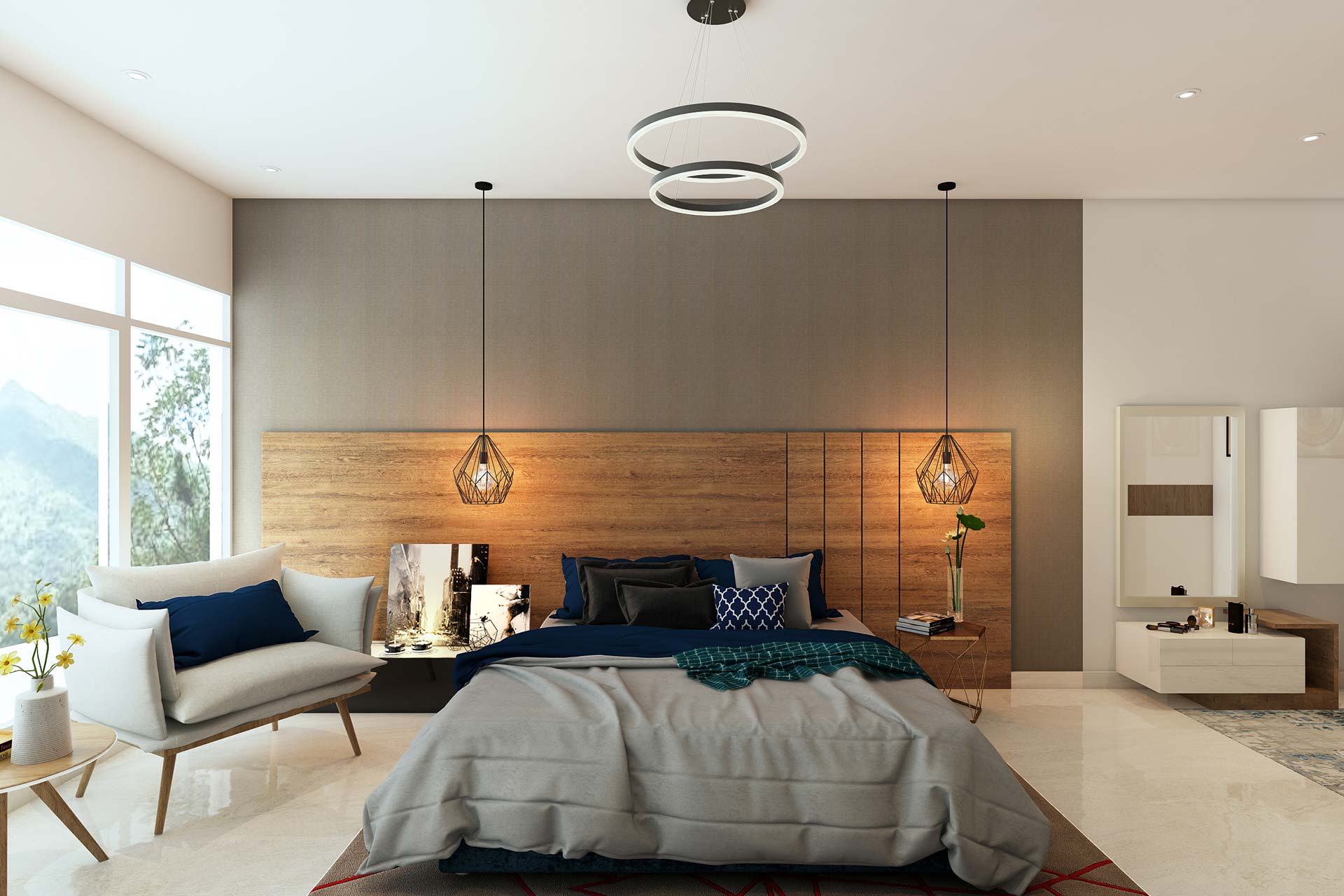
Choosing the right height for wall lighting is key to good room design. The height affects both light spread and room style.
Proper placement helps create a calm and balanced environment with minimalist wall lights.
Standard Height Guidelines
Most wall lights look best between 60 and 72 inches from the floor. This range fits well with most wall sizes.
Lights should be placed at eye level or slightly above to avoid glare and shadows.
- 60–72 inches is standard height range
- Keep light fixtures near eye level
- Adjust placement for wall size and ceiling height
Adjusting For Room Function
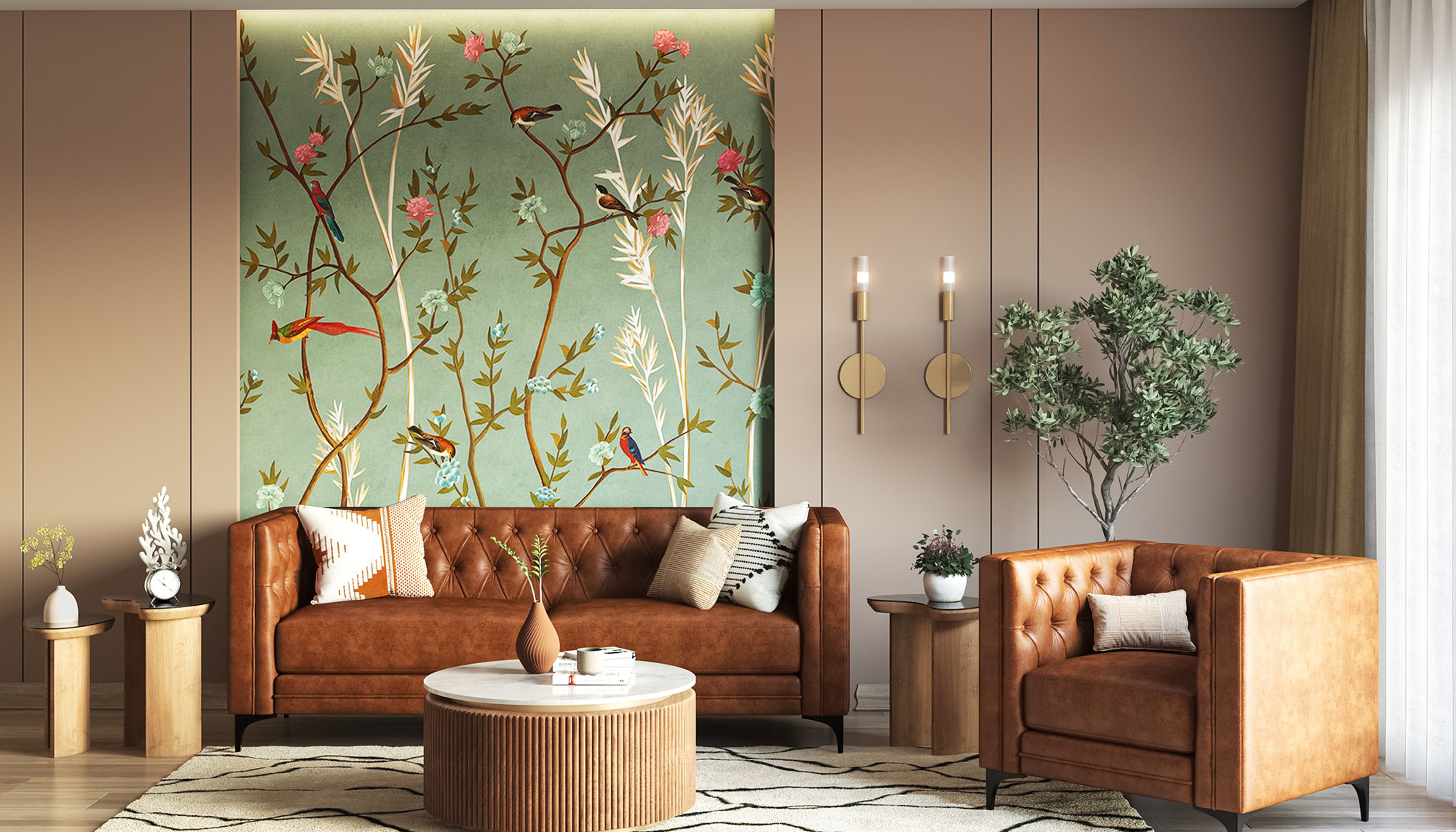
Room use changes where wall lights should go. In living rooms, lights sit higher for ambient light.
In hallways, place lights lower to guide the way. Bedrooms need softer light near the bed.
- Living rooms: 65–72 inches for soft light
- Hallways: 60 inches for clear path lighting
- Bedrooms: 60–65 inches for reading or soft glow
Balancing Light And Shadow
Wall lights create mood by mixing light and shadow. Place lights to highlight walls and avoid dark spots.
Use symmetrical placement for balance. Leave space around fixtures to prevent harsh shadows.
- Position lights evenly on the wall
- Allow space around lights to soften shadows
- Combine with other light sources for full coverage
Spacing And Grouping Techniques
Proper wall lighting placement improves room ambiance and style. Spacing and grouping help balance light and design.
Understanding how to place lights in groups or alone shapes the room’s mood and function.
Single Vs Multiple Fixtures
Single fixtures highlight specific areas or objects. They create a focused, intimate atmosphere.
Multiple fixtures spread light evenly and add decorative interest. Grouping them needs careful spacing for balance.
- Keep at least 24 inches between multiple lights to avoid crowding.
- Use single fixtures near artwork or reading spots.
- Group fixtures in odd numbers for a natural look.
- Match fixture size to wall space for proportion.
Symmetry And Asymmetry
Symmetry creates a sense of order and calm with evenly spaced lights. It suits formal rooms and classic designs.
Asymmetry adds energy and creativity. Place fixtures unevenly but balance their visual weight across the wall.
| Lighting Style | Effect | Best Use |
| Symmetry | Order and calm | Living rooms, dining rooms |
| Asymmetry | Dynamic and modern | Studios, hallways |
Creating Visual Flow
Visual flow guides the eye smoothly across the wall. Group lights to lead attention naturally.
Tips for Visual Flow:
- Align fixtures with furniture or architectural features.
- Use staggered heights to add movement.
- Keep spacing consistent to avoid clutter.
- Choose fixtures with similar shapes or finishes.

Credit: www.lightingcompany.co.uk
Highlighting Architectural Features
Minimalist wall lighting can bring out the best in your home’s design. It helps focus on shapes, lines, and details.
Using light in the right places makes your space feel thoughtful and inviting without clutter.
Accentuating Textures
Wall lights can show off textures like brick, wood, or stone. Soft light from above or below adds depth and interest.
- Use wall washers to spread light evenly across textured surfaces
- Try uplights to cast shadows and reveal surface details
- Choose warm light tones to enhance natural materials
Framing Artwork
Lighting art draws eyes and creates a focal point. Keep the light soft and direct it to avoid glare.
| Light Type | Best Use | Effect |
| Spotlight | Single pieces | Focuses attention |
| Picture Light | Paintings and photos | Highlights details |
| Track Lighting | Multiple artworks | Adjustable focus |
Enhancing Nooks And Corners
Small spaces like corners can feel brighter with the right wall light. Use light to make these areas inviting.
Tips for Lighting Nooks
- Choose slim wall sconces to save space
- Place lights higher to spread glow
- Use dimmers to adjust mood
Integrating With Other Lighting
Minimalist wall lighting works best when combined with other light sources. Blending different lights creates a balanced room look.
Use wall lights along with other lighting types. This adds style and function without cluttering the space.
Combining Ambient And Accent Lights
Ambient light fills the room with soft, overall brightness. Accent lights highlight artwork or architectural features.
- Place wall lights near ambient lights to add warmth.
- Use accent lights to draw attention to key wall areas.
- Keep light colors consistent for a smooth look.
- Avoid bright spots that compete with each other.
Layering For Depth
Layering lights adds dimension to a room. Use wall lights to create a mid-level glow that bridges ceiling and floor lights.
| Lighting Type | Position | Effect |
| Ceiling Light | Top | Overall illumination |
| Wall Light | Mid-level | Ambient and accent mix |
| Floor Lamp | Bottom | Softens shadows |
Smart Lighting Controls
Smart controls help you adjust wall lighting easily. You can change brightness or color to suit your mood or time of day.
Benefits of smart lighting controls:
- Set timers for automatic on/off
- Control lights remotely via phone
- Sync wall lights with other smart devices
- Create custom lighting scenes
Credit: www.livspace.com
Energy Efficiency And Maintenance
Minimalist wall lighting can save energy and reduce bills. Picking the right options is key. Proper maintenance also extends the life of your lights.
Focus on energy-efficient choices and easy maintenance. This ensures both savings and durability.
Choosing Led Options
LED lights use less power than traditional bulbs. They last longer and save money over time.
LED lights come in many styles. Pick ones that match your room’s design and needs.
- Look for Energy Star-rated LEDs
- Choose warm or cool light based on room use
- Consider dimmable options for flexibility
Easy-to-clean Designs
Wall lights should be simple to clean. This keeps them looking good and working well.
Pick designs that do not gather dust easily. Smooth surfaces are often best.
- Choose lights with fewer crevices
- Opt for materials that resist smudges
- Consider detachable covers for easier cleaning
Longevity Tips
Good placement and care extend the life of your wall lights. Follow simple steps to keep them shining.
Ensure lights are installed securely. Avoid placing them where they might be bumped or damaged.
- Install at a safe height to avoid damage
- Regularly check for loose connections
- Replace bulbs promptly to prevent strain
Frequently Asked Questions
How High Should Minimalist Wall Lights Be Installed?
Minimalist wall lights are best installed 5 to 6 feet above the floor. This height ensures balanced illumination and avoids glare. It complements most room layouts and highlights architectural features effectively. Adjustments can be made based on ceiling height or furniture placement.
Where To Place Wall Lighting For Ambient Effect?
Place wall lighting near focal points like artwork, mirrors, or seating areas. This creates warm, inviting ambient light. Position lights to wash walls softly, enhancing room depth without harsh shadows. Use dimmers to control brightness and mood.
Can Minimalist Wall Lights Enhance Small Spaces?
Yes, minimalist wall lights save floor space and add clean lines. They provide soft, diffused light that makes small rooms feel larger. Choose slim, unobtrusive designs to maintain openness and prevent clutter.
What Types Of Bulbs Suit Minimalist Wall Lighting?
LED bulbs are ideal for minimalist wall lighting. They are energy-efficient, long-lasting, and produce minimal heat. Choose warm white tones for cozy ambiance or daylight bulbs for task lighting. Always check bulb compatibility with fixtures.
Conclusion
Minimalist wall lighting adds style and function to any room. Place lights where they highlight key areas or create soft moods. Balance light and shadows to keep spaces cozy and bright. Choose simple designs that blend well with your decor.
Test different spots before fixing lights to find the best look. Small changes can make a big difference in your room’s feel. Enjoy the calm, clean look that minimalist lighting brings to your home.