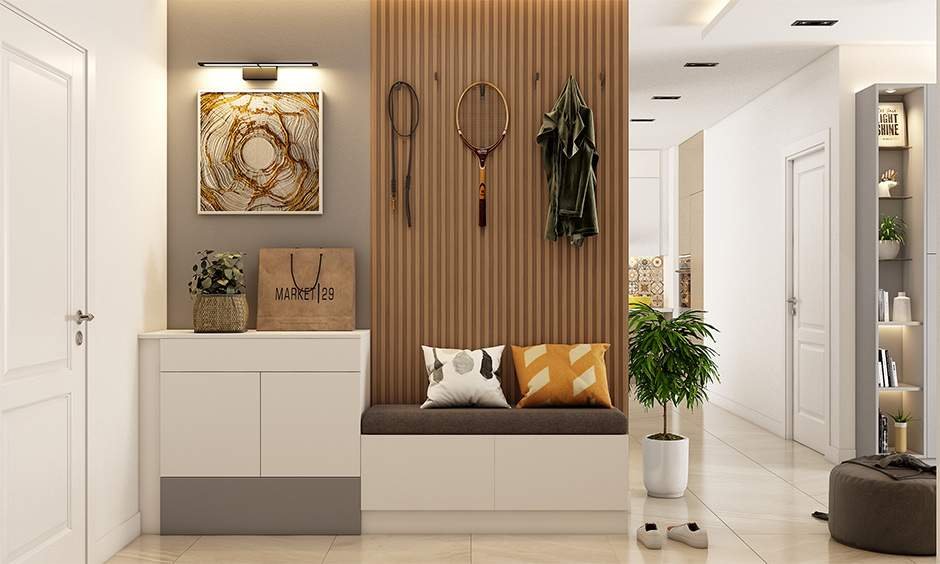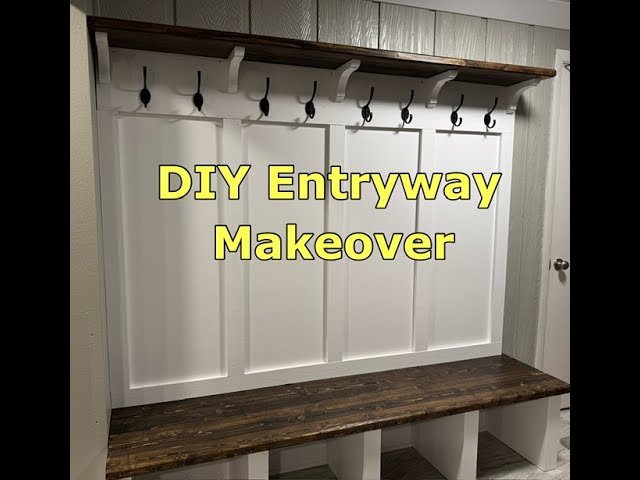
Your entryway is the first thing you see when you come home—and the last thing guests notice before they leave. Imagine walking in every day to a neat, organized space where your keys, shoes, and mail have a perfect spot.
Sounds good, right? You don’t need to spend a lot or hire a pro to get there. With a few simple DIY entryway organizer projects, you can transform that cluttered mess into a stylish, functional area. Keep reading, and you’ll discover easy ideas you can start right now to make your home feel more welcoming and stress-free.
Benefits Of Entryway Organizers
Entryway organizers help keep your home neat and tidy. They make the first space visitors see clean and useful.
Using an organizer in your entryway saves time and space. It gives every item a place to stay.
Maximizing Small Spaces
Entryway organizers use vertical and hidden spaces well. They fit many items without crowding the area.
- Wall hooks for coats and bags
- Built-in shelves for shoes and hats
- Compact benches with storage inside
- Over-the-door racks for extra hanging space
Reducing Clutter
Organizers stop clutter from piling up at the door. They keep daily items ready and easy to find.
| Item Type | Common Storage Solution | Benefit |
| Keys | Key holder or bowl | Prevents lost keys |
| Shoes | Shoe rack or cubbies | Keeps floor clear |
| Mail sorter or basket | Organizes letters and bills | |
| Umbrellas | Umbrella stand | Drips stay in one place |
Creating A Welcoming Atmosphere
An organized entryway looks inviting and calm. It makes guests feel comfortable right away.
Tips to Create a Warm Entryway
- Use soft lighting near the organizer
- Add a small plant or flower vase
- Place a clean rug or mat
- Keep a mirror to open the space

Credit: www.ana-white.com
Materials And Tools Needed
Creating a DIY entryway organizer is a fun and useful project. You need the right materials and tools to build it well. This guide lists what beginners should have and offers choices based on cost and quality.
Picking the correct items helps the project last longer and look better. You can also find budget options that fit your needs without spending too much.
Essential Tools For Beginners
Start with simple tools that are easy to use. These tools will help you cut, measure, and assemble your organizer safely and accurately.
- Measuring tape to get exact sizes
- Hand saw or jigsaw for cutting wood
- Hammer for nails and small fixes
- Screwdriver set for screws
- Drill with drill bits for holes
- Sandpaper or sanding block to smooth edges
- Wood glue for extra strength
- Clamps to hold pieces together while drying
Best Materials For Durability
Use strong and lasting materials to make your organizer tough. These materials resist wear and keep your project looking good over time.
| Material | Benefits | Common Use |
|---|---|---|
| Solid Pine Wood | Strong, easy to paint or stain | Frames and shelves |
| Plywood | Stable, resists warping | Backing and drawer bottoms |
| MDF (Medium-Density Fiberboard) | Smooth surface, affordable | Panels and decorative parts |
| Metal Hooks and Brackets | Durable and holds weight well | Hanging and support |
| Wood Screws and Nails | Strong joining pieces | Assembly of parts |
Budget-friendly Options
You can save money by choosing less costly materials or reusing items. These choices still work well for entryway organizers.
Consider these budget options:
- Use reclaimed wood from old furniture or pallets
- Buy scrap wood pieces from hardware stores
- Choose plastic hooks instead of metal
- Use basic hand tools instead of power tools
- Shop for discounted screws and nails in bulk
Simple Shelf Organizer Ideas
Entryways often become cluttered with keys, bags, and shoes. Simple shelf organizers can keep this area neat and tidy.
These DIY projects are easy to build and add style to your home. Use shelves to store items and keep your space organized.
Floating Shelves With Hooks
Floating shelves with hooks offer space to hold small items and hang coats or bags. They keep things off the floor and easy to reach.
These shelves are simple to install and fit in small spaces. You can paint them to match your entryway decor.
- Use hooks for keys, hats, and bags
- Place small baskets on the shelf for mail
- Install at eye level for easy access
Reclaimed Wood Shelves
Reclaimed wood shelves add a rustic touch to your entryway. They are strong and eco-friendly.
You can sand and seal old wood to make sturdy shelves. These shelves hold heavy items like boots and bags.
- Choose wood with character and texture
- Use brackets for extra support
- Stack shelves for more storage space
Corner Shelf Units
Corner shelves use empty corners to add storage without taking much space. They work well in small entryways.
You can build simple units with a few pieces of wood. These shelves hold shoes, keys, and decorative items.
- Measure corner space before building
- Make sure shelves are sturdy and level
- Use multiple tiers for better storage
Creative Hook And Hanger Designs
Entryway organizers help keep your home neat and tidy. Creative hooks and hangers make organizing stylish and simple. These ideas add charm and function to any space.
Explore different designs to fit your style and needs. You can create unique wall hooks, coat racks, and hanger boards with easy DIY projects.
Decorative Wall Hooks
Decorative wall hooks bring personality to your entryway. Use materials like wood, metal, or ceramic to create eye-catching designs. Hooks shaped like animals, leaves, or geometric forms add flair.
- Paint wooden hooks in bright colors.
- Use vintage knobs as hooks.
- Attach ceramic tiles with hooks for a tiled look.
- Shape hooks from bent metal rods.
Diy Coat Racks
Make a coat rack that fits your space and style. Use reclaimed wood for a rustic look or sleek metal pipes for an industrial feel. Add hooks in rows or staggered patterns.
| Material | Style | Tip |
| Reclaimed Wood | Rustic | Sand edges smooth |
| Metal Pipes | Industrial | Seal to prevent rust |
| Plastic Hooks | Modern | Choose bright colors |
| Wooden Pegs | Classic | Space evenly apart |
Multi-purpose Hanger Boards
Multi-purpose hanger boards combine hooks and shelves. They hold coats, bags, keys, and small decor. These boards save space and keep entryways organized.
Ideas for Multi-Purpose Hanger Boards
- Attach a small shelf above hooks for mail or plants.
- Add a chalkboard for notes below hooks.
- Use baskets on the board for gloves or scarves.
- Paint in colors that match your entryway walls.
Storage Bench Projects
Storage benches are a great way to keep your entryway neat. They offer a place to sit and store items. You can build one yourself with simple tools.
These projects help organize shoes, bags, and other things. A well-made bench adds style and function to your home.
Building A Basic Storage Bench
Start by choosing wood that fits your space. Common choices are pine or plywood. Cut the pieces for the seat, sides, and bottom.
Assemble the frame with screws and wood glue. Sand the edges smooth. Paint or stain the bench to protect the wood.
- Measure your space carefully
- Use wood glue and screws for strength
- Sand all surfaces before finishing
Adding Cushions For Comfort
Add cushions to make the bench more comfortable. Use foam padding cut to fit the seat size. Cover it with a fabric you like.
Secure the cushion with glue or ties. Choose a fabric that is easy to clean. Cushions add softness and style to your bench.
- Select foam with medium thickness
- Pick durable, washable fabric
- Attach cushion firmly to avoid slipping
Incorporating Shoe Storage
Create compartments under the bench to store shoes. You can add shelves or cubbies inside the frame. This keeps shoes organized and off the floor.
Leave space between shelves for different shoe sizes. Use baskets or bins to make cleaning easy. Shoe storage helps reduce clutter in your entryway.
- Build shelves with enough height for shoes
- Use removable bins for easy access
- Keep the area ventilated to avoid odors
Upcycling Ideas For Entryways
Creating an organized entryway can be fun and easy. Upcycling old items gives your space a unique touch. Try using things you already have at home.
These projects can help you save money and reduce waste. Let’s explore some creative ideas for your entryway.
Using Old Crates
Old crates are perfect for organizing shoes and bags. Stack them for a simple storage solution. You can paint them to match your home’s colors.
Crates are lightweight and easy to move. They can be used as shelves or even a bench. Personalize them with stencils or labels.
- Stack crates for shoe storage
- Paint them for a fresh look
- Add labels to keep items organized
Repurposing Pallets
Pallets are versatile and can be transformed into many things. Use them as coat racks or shoe racks. They add a rustic feel to your entryway.
They are sturdy and can hold heavy items. Add hooks for keys and coats. Pallets are great for creating custom storage solutions.
- Turn pallets into coat racks
- Add hooks for keys
- Use as a shoe rack
Transforming Vintage Furniture
Vintage furniture can be given a new life in your entryway. Use an old dresser as a console table. Repaint it to fit your style.
Old chairs can be transformed into stylish seating. Add cushions for comfort. Vintage pieces add character to your space.
- Use a dresser as a console table
- Repaint furniture for a fresh look
- Add cushions to old chairs
Stylish Baskets And Containers
Creating a tidy entryway is simple with the right organizers. Stylish baskets and containers help keep everything in place. They add a touch of elegance to your home.
These DIY projects can transform your entryway into a neat and welcoming space. Organize shoes, mail, and more with ease.
Woven Baskets For Shoes
Woven baskets are perfect for storing shoes. They look great and are easy to use. Place them by the door for quick shoe storage.
Choose baskets with handles for easy moving. Pick a size that fits your space and holds all your shoes.
- Natural fibers add warmth to your decor
- Opt for baskets with lids to hide shoes
- Use one basket per family member for better organization
Decorative Boxes For Mail
Decorative boxes keep mail organized and out of sight. Choose boxes that match your entryway’s style. They can sit on a table or shelf.
Boxes with lids or flaps protect mail from dust. Use separate boxes for incoming and outgoing mail.
- Label boxes to identify their purpose
- Choose colors that blend with your decor
- Consider stackable boxes for small spaces
Labeling Tips For Organization
Labels make it easy to find items quickly. Use clear and simple labels on baskets and boxes. This keeps your entryway organized.
Choose a label style that suits your decor. Use printed labels for a neat look or handwritten for a personal touch.
- Use waterproof labels for durability
- Ensure labels are easy to read
- Update labels as needed for accurate organization
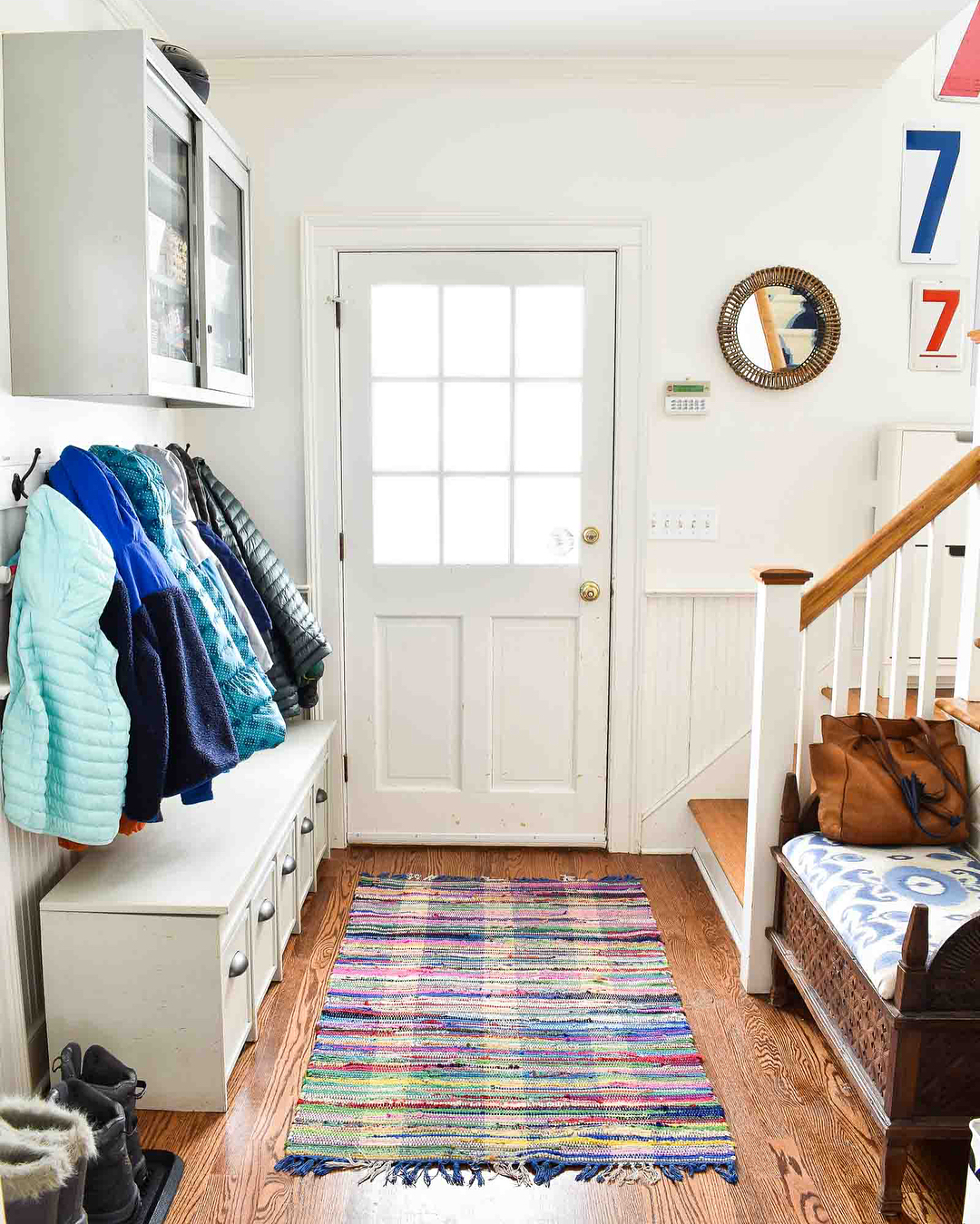
Credit: www.extraspace.com
Personalizing Your Organizer
Making your entryway organizer unique adds charm to your home. Personal touches make the space feel welcoming.
Simple ideas help you customize your organizer without much effort. You can use colors, photos, and plants to create a fresh look.
Adding Paint And Stencils
Paint lets you change the look of your organizer quickly. Choose colors that match your home style or favorite shades.
Stencils add patterns or words that show your personality. You can stencil shapes, names, or fun designs on wood or metal parts.
- Use painter’s tape for clean edges
- Pick water-based paint for easy cleanup
- Try simple shapes like stars or leaves
- Stencil family names or welcome messages
Incorporating Family Photos
Photos make your organizer feel personal and warm. Use small frames or clips to display family pictures.
You can hang photos on hooks or place them on shelves. Change them often to keep your entryway fresh and lively.
- Attach clipboards for easy photo swaps
- Use magnetic frames on metal surfaces
- Mix photos with postcards or notes
- Create a small photo collage area
Using Plants For Freshness
Plants bring life and color to your organizer. Small pots or hanging plants work well in entryways.
Choose low-maintenance plants like succulents or air plants. They need little water and light but look great.
- Place small pots on shelves or hooks
- Use hanging planters for vertical space
- Pick plants with fresh green leaves
- Switch plants seasonally for variety
Maintenance And Upkeep Tips
Keeping your DIY entryway organizer in good shape helps it last longer. Regular care avoids big problems.
Simple maintenance steps keep your space tidy and functional every day.
Regular Cleaning Routines
Clean your entryway organizer often to stop dirt buildup. Dust shelves and wipe surfaces weekly.
Use a soft cloth and mild cleaner to protect materials. Avoid harsh chemicals that cause damage.
- Remove all items before cleaning
- Dust corners and crevices carefully
- Wipe with damp cloth and dry well
- Check for stains and clean spots quickly
Seasonal Organization Checks
Review your organizer each season. Remove unused items and adjust storage for new needs.
Change baskets or hooks as needed. Keep only what you use daily to avoid clutter.
- Sort shoes and coats by season
- Donate or store items not in use
- Update labels or tags if any
- Rearrange hooks or shelves to fit new items
Repairing Wear And Tear
Fix small damages quickly to stop them from getting worse. Check for loose screws or broken parts.
Use glue or replacement pieces for wood or plastic parts. Tighten hooks and brackets regularly.
- Inspect joints for stability
- Replace worn hooks or handles
- Sand rough edges to prevent splinters
- Use wood filler for cracks or chips
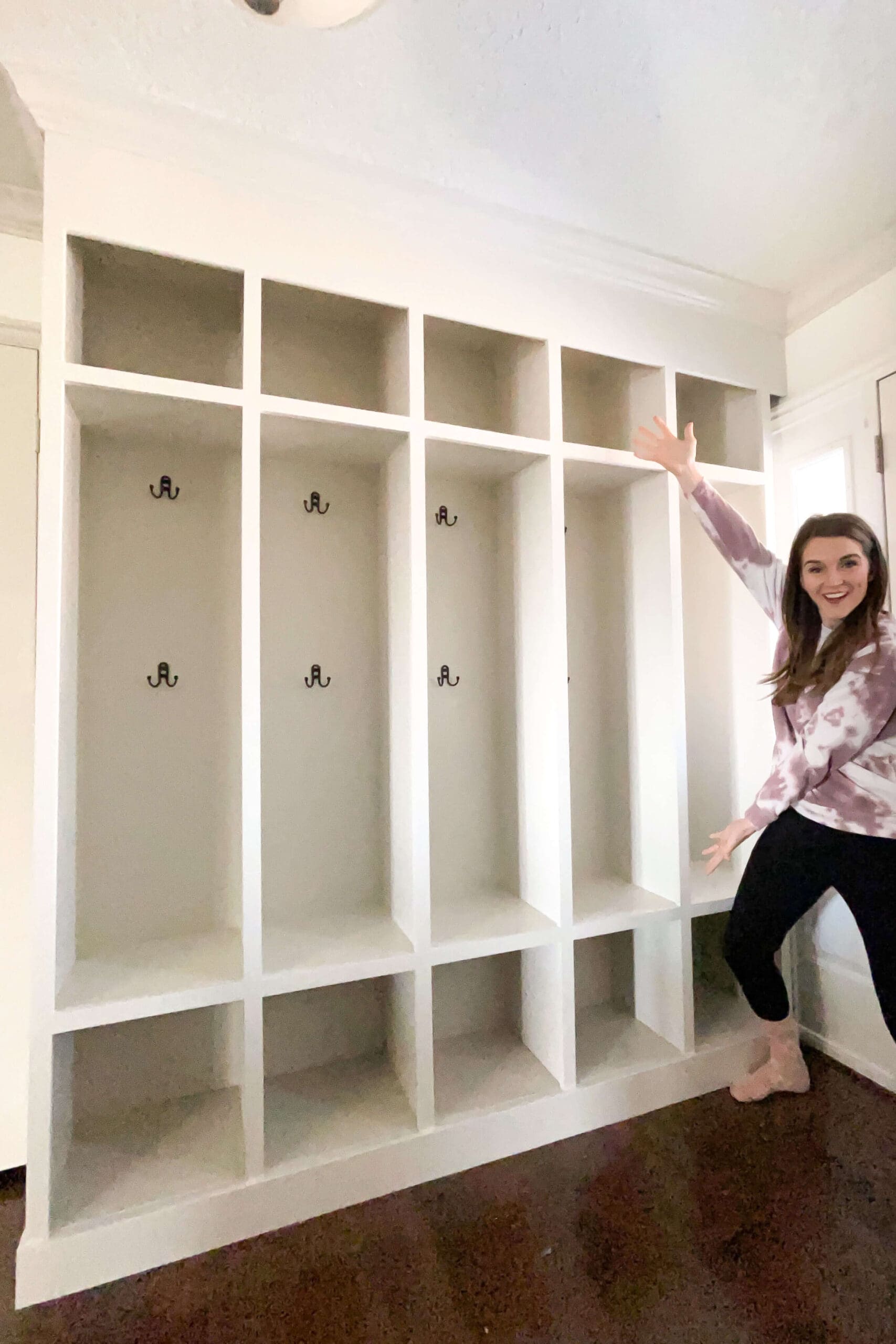
Credit: crystelmontenegrohome.com
Frequently Asked Questions
What Materials Are Best For Diy Entryway Organizers?
Wood, metal, and sturdy plastic are ideal materials. They ensure durability and style. Choose materials that match your home’s decor for a cohesive look.
How Can I Maximize Space With Entryway Organizers?
Use vertical storage like wall-mounted shelves and hooks. Incorporate baskets and bins for small items. This keeps your entryway tidy and efficient.
Are Diy Entryway Organizers Budget-friendly?
Yes, DIY projects often cost less than store-bought options. Using recycled or repurposed materials lowers expenses further. Plus, you customize designs to fit your budget.
What Tools Are Needed For Entryway Organizer Projects?
Basic tools include a drill, screwdriver, measuring tape, and saw. These tools help in assembling and customizing your organizer effectively and safely.
Conclusion
DIY entryway organizers help keep your space neat and tidy. They save time by having everything in one place. Simple projects fit any home style and budget. You can use materials you already have at home. These organizers make your daily routine smoother and easier.
Try creating one today and enjoy a clutter-free entryway. Small changes make a big difference in your home. Start with one project and build from there. Organizing your entryway feels good and looks great.