Are you looking to transform your space with bold, eye-catching art? Abstract canvas pieces can add a unique touch to any room, but styling them just right can be tricky.
What if you could make your walls pop and create a vibe that truly reflects your personality? You’ll discover simple yet powerful hacks to style abstract canvases like a pro. Get ready to unlock secrets that will make your art the center of attention and bring your space to life.
Keep reading—you won’t want to miss these game-changing tips!
Choosing The Right Canvas
Picking the right canvas is important for abstract art. The canvas affects how the paint looks and feels.
Different canvases offer various textures and sizes. These choices help your artwork stand out.
Canvas Sizes And Shapes
Canvas size changes the impact of your painting. Large canvases give space for bold designs.
Shapes also affect the style. Rectangles are common, but circles or squares add interest.
- Small canvases are good for detailed work.
- Large canvases suit wide brush strokes.
- Square shapes offer balance and symmetry.
- Round canvases create unique focal points.
Material Types And Textures
Canvas materials change how paint sticks and dries. Cotton is soft and easy to use.
Linen is stronger and has a rough texture. It holds paint well for bold abstract art.
- Cotton: smooth surface, affordable, good for beginners.
- Linen: durable, textured, great for heavy paint layers.
- Polyester: less common, smooth, resists moisture.
- Primed canvas: ready for paint, protects material underneath.
Color Selection Tips
Choosing the right colors for abstract canvas art is key. The colors set the mood and style.
Good color choices help the artwork fit well in any room. Think about how colors work together.
Bold Vs. Subtle Palettes
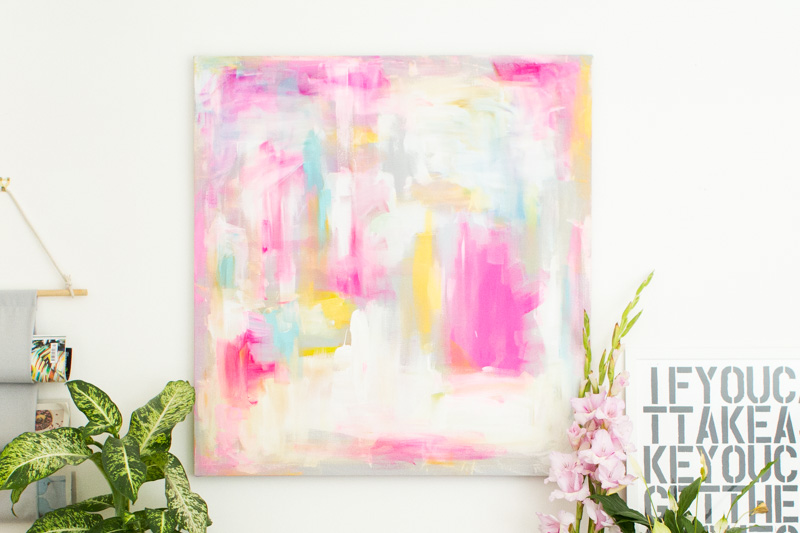
Bold palettes use strong, bright colors that catch the eye. They create energy and excitement.
Subtle palettes use soft, muted colors. They create calm and blend easily with other decor.
- Bold colors: red, yellow, bright blue
- Subtle colors: beige, pastel pink, light gray
- Choose bold if you want a statement piece
- Choose subtle for a relaxed, gentle feel
Complementing Room Colors
Match your canvas colors with the room’s walls and furniture. This creates harmony.
Use contrasting colors to make the artwork stand out. Or use similar tones for a soft look.
- Match warm tones like orange with beige or brown walls
- Cool colors like blue look good with white or gray walls
- Use color wheels to find complementary or analogous colors
- Balance bright art with neutral room colors
Creative Painting Techniques
Abstract canvas art lets you express your ideas with shapes and colors. Creative painting techniques make your work more interesting.
Try different ways to add texture, depth, and shine to your canvas. These tips help you explore new styles and effects.
Layering And Blending
Layering means adding paint in steps, letting each dry before the next. This builds depth and shows different colors underneath.
Blending mixes colors smoothly on the canvas. Use soft brushes or sponges to fade one color into another gently.
- Apply thin layers of paint
- Wait for each layer to dry
- Use soft tools for blending
- Work quickly for wet blending
Using Mixed Media
Mixed media means combining paint with other materials. You can add paper, fabric, or small objects to your canvas.
This adds texture and interest. It makes your artwork feel more alive and unique.
- Use glue to attach materials
- Try layering paint over objects
- Mix different paint types like acrylic and watercolor
- Experiment with texture tools like palette knives
Incorporating Metallics
Metallic paints add shine and sparkle to your canvas. Use gold, silver, or bronze tones for bright highlights.
Metallics catch light and draw attention. They work well for details or large shiny areas.
- Apply metallic paint on dry layers
- Use small brushes for fine details
- Try mixing metallics with other colors
- Seal with clear varnish to keep shine
Framing And Display Ideas
Abstract canvas art brings energy and color to any room. Choosing the right frame and display method can enhance its impact.
This guide covers simple ways to select frames, make your own, and hang your art with style.
Choosing Frame Styles
Frames protect your canvas and add character. Pick styles that match your room and the art’s mood.
- Minimalist frames:Thin, simple frames highlight bold colors.
- Wooden frames:Natural wood adds warmth and texture.
- Metal frames:Sleek metal suits modern spaces.
- Floating frames:Give the canvas space to stand out.
- No frame:Use the raw edges for a casual look.
Diy Framing Hacks
You can save money by making your own frame. Use simple tools and materials for neat results.
- Measure your canvas and buy wood trim from a hardware store.
- Cut the trim at 45-degree angles using a miter box.
- Sand the edges smooth to avoid splinters.
- Assemble the frame with wood glue and corner clamps.
- Paint or stain the frame to match your decor.
- Attach the canvas with small nails or staples.
Hanging Arrangements
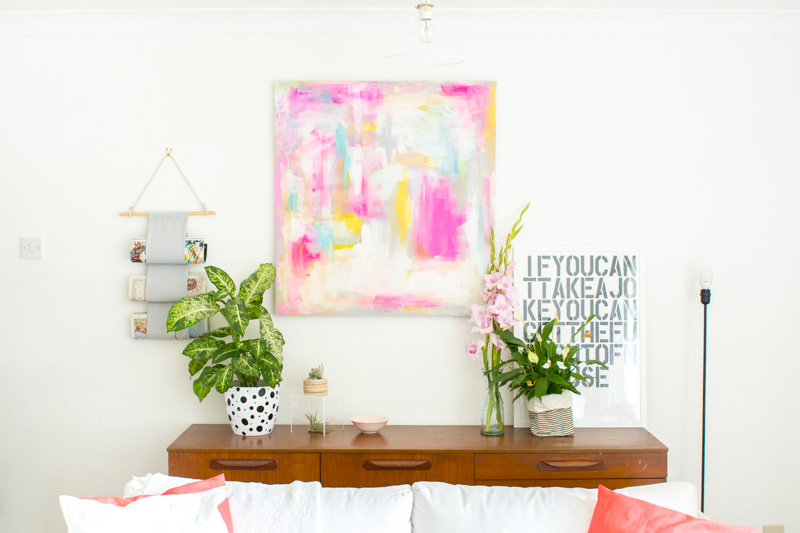
How you hang your abstract canvas changes the room’s vibe. Try creative layouts to show off your art.
| Arrangement | Description | Best For |
| Single Large Piece | One big canvas as a focal point. | Living rooms or entryways |
| Grid Layout | Multiple canvases arranged in rows and columns. | Offices or galleries |
| Salon Style | Group canvases at different heights close together. | Eclectic rooms |
| Linear Arrangement | Canvases hung in a straight horizontal line. | Hallways or above furniture |
Lighting To Enhance Art
Lighting plays a crucial role in how we perceive art. Good lighting can bring out details and colors.
Choosing the right lighting can transform your abstract canvas. It highlights textures and shapes.
Spotlights And Accent Lighting
Spotlights focus directly on your canvas. They emphasize specific areas of your art.
Accent lighting creates a mood. It can make your art stand out more in a room.
- Use adjustable spotlights for flexibility
- Accent lights should complement room decor
- Dim lights for a softer effect
Natural Light Considerations
Natural light is dynamic and changes throughout the day. This can affect how art is viewed.
Consider where windows are located. The angle of sunlight can cast shadows on your canvas.
- Place art away from direct sunlight to prevent fading
- Use sheer curtains to diffuse light
- Monitor how light changes with seasons
Credit: fallfordiy.com
Maintenance And Care
Abstract canvas art adds a unique style to any room. Keeping it clean and safe helps it last longer.
Proper care protects your canvas from damage and keeps the colors bright. Follow simple tips to maintain your artwork.
Cleaning Tips
Dust your canvas often using a soft brush or dry cloth. Avoid using water or cleaning sprays.
If there are stains, gently dab with a slightly damp cloth. Test on a small area first to avoid damage.
- Use a soft brush or microfiber cloth for dusting
- Never spray water or cleaners directly on the canvas
- Remove stains with light dabbing, not rubbing
- Keep cleaning tools clean to avoid scratches
Protecting From Damage
Keep your canvas away from direct sunlight to prevent fading. Avoid places with high humidity or heat.
Handle the canvas carefully when moving it. Use proper hooks or frames to support its weight and shape.
- Place canvas out of direct sunlight
- Keep it in rooms with stable temperature and humidity
- Use sturdy hooks or hanging systems
- Handle with clean hands or gloves
Inspiration From Artists
Abstract art is full of creativity and expression. Artists use colors and shapes to tell stories. Their work can inspire your canvas designs.
Looking at famous artists can give you fresh ideas. You can learn new styles and techniques from their paintings.
Trends In Abstract Art
Abstract art trends change over time. Some trends focus on bold colors. Others may use simple shapes or mixed media.
Keeping up with trends can make your art modern. You can experiment with different styles and materials.
- Geometric patterns are popular.
- Texture adds depth to paintings.
- Minimalist styles are trendy.
Famous Abstract Artists
Many artists have shaped abstract art. They use unique styles that inspire others. Their work is well-known and respected.
Pablo Picasso and Wassily Kandinsky are famous for their abstract paintings. Their art is full of emotion and imagination.
- Pablo Picasso: Known for Cubism.
- Wassily Kandinsky: Used color to express feelings.
- Jackson Pollock: Famous for drip painting.

Credit: www.youtube.com
Credit: fallfordiy.com
Frequently Asked Questions
What Are The Best Color Palettes For Abstract Canvas Styling?
Choosing harmonious color palettes enhances abstract canvas art. Use complementary or analogous colors for visual balance. Bold, contrasting colors create dynamic effects. Soft pastels offer subtle elegance. Experimenting with colors helps find your unique style and mood.
How To Create Texture On Abstract Canvas Paintings?
Texture adds depth and interest to abstract canvases. Use thick acrylic paint, palette knives, or modeling paste. Layering materials like sand or fabric can create tactile surfaces. Experiment with brush strokes and tools to achieve unique textures. Texture enriches the visual experience.
Which Tools Work Best For Abstract Canvas Art?
Palette knives, brushes, sponges, and scrapers work well. Each tool creates distinct effects and textures. Experimenting with different tools helps develop a signature style. Using unconventional items like combs or stamps can add creative flair. Versatility boosts artistic expression.
How To Protect And Preserve Abstract Canvas Paintings?
Apply a clear varnish or sealant after the painting dries. Use UV-protective sprays to prevent color fading. Keep paintings away from direct sunlight and moisture. Proper framing and storage also help maintain artwork quality over time. Preservation extends artwork longevity.
Conclusion
Abstract canvas styling adds charm to any space. Small changes create big impacts. Use colors and textures that reflect your style. Play with shapes to keep things interesting. Let creativity guide your choices. These simple hacks help your art stand out.
Enjoy the process and have fun with it. Your space will feel fresh and unique. Try these ideas and see the difference yourself.