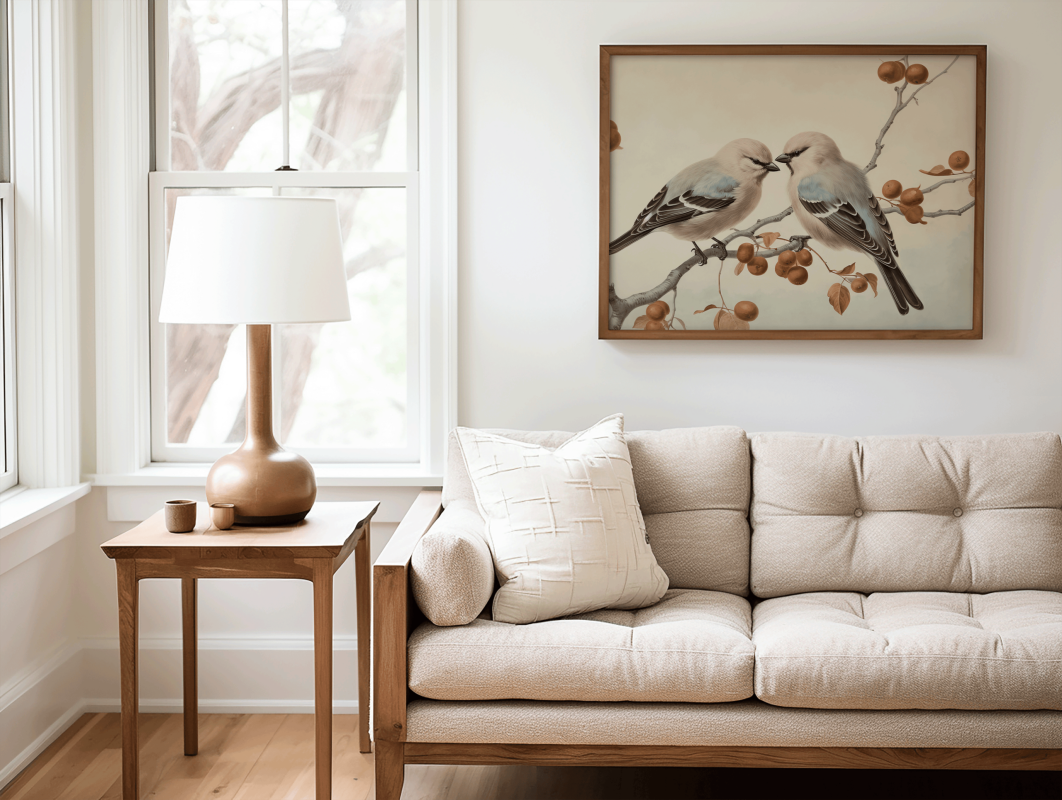
Your gallery wall is more than just a collection of art or photos—it’s a statement about who you are. But without the right lighting, those carefully chosen pieces can lose their impact.
Accent lighting for gallery walls can transform your space, making your artwork pop and drawing the eye exactly where you want it. Imagine walking into your room and feeling instantly inspired by the glow that highlights every detail. If you want to elevate your walls and create a stunning visual experience, keep reading.
This guide will show you how to use accent lighting to bring your gallery walls to life like never before.

Credit: www.amazon.com
Benefits Of Accent Lighting
Accent lighting adds special light to gallery walls. It helps bring out the beauty of each piece.
This type of lighting also sets the mood in a room. It makes your art stand out and draws attention.
Enhancing Artwork Details
Accent lighting shows fine details in paintings and photos. It highlights textures and colors clearly.
- Reveals brush strokes and textures
- Brings out true colors of the art
- Reduces shadows that hide details
- Focuses light exactly where needed
Creating Mood And Ambiance
Accent lighting helps create the right mood in your space. It adds warmth or coolness depending on the light.
| Light Color | Effect on Mood |
| Warm White | Cozy and inviting |
| Cool White | Modern and calm |
| Colored Lights | Creative and lively |
Highlighting Focal Points
Accent lighting draws attention to key artworks. It guides the viewer’s eyes to the most important pieces.
- Use spotlights to focus on single pieces
- Arrange lights to create visual paths
- Balance brightness to avoid glare
Credit: www.visualcomfort.com
Types Of Accent Lighting
Accent lighting helps highlight artwork on gallery walls. It makes paintings and photos stand out. Different types of lights create various effects.
Choosing the right lighting type depends on the style and size of your gallery wall. Each light type offers unique features to brighten your art.
Track Lighting
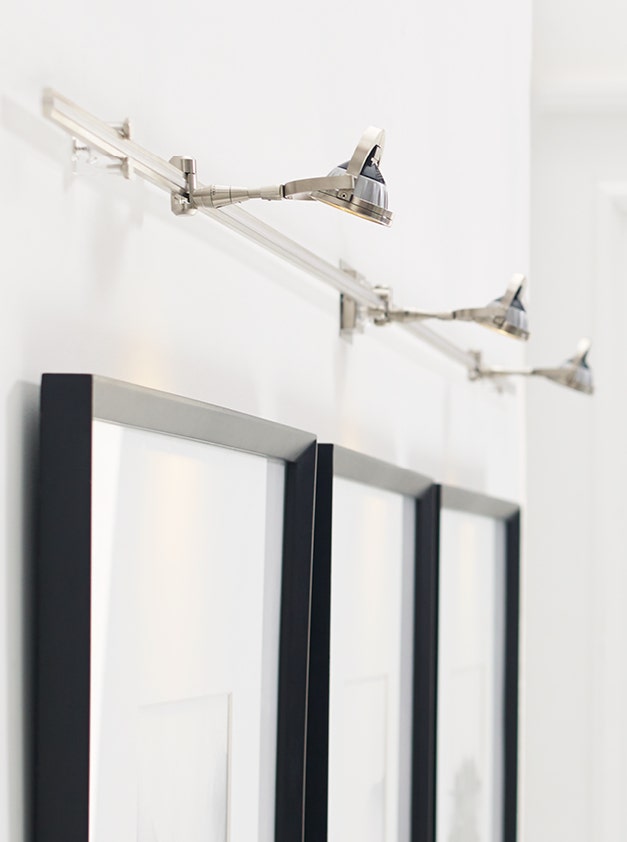
Track lighting uses a rail with movable light heads. You can adjust each light to shine on different artworks. This makes it flexible for changing displays.
It works well for long gallery walls and rooms with multiple pieces. Track lighting offers focused beams that highlight details on paintings.
Picture Lights
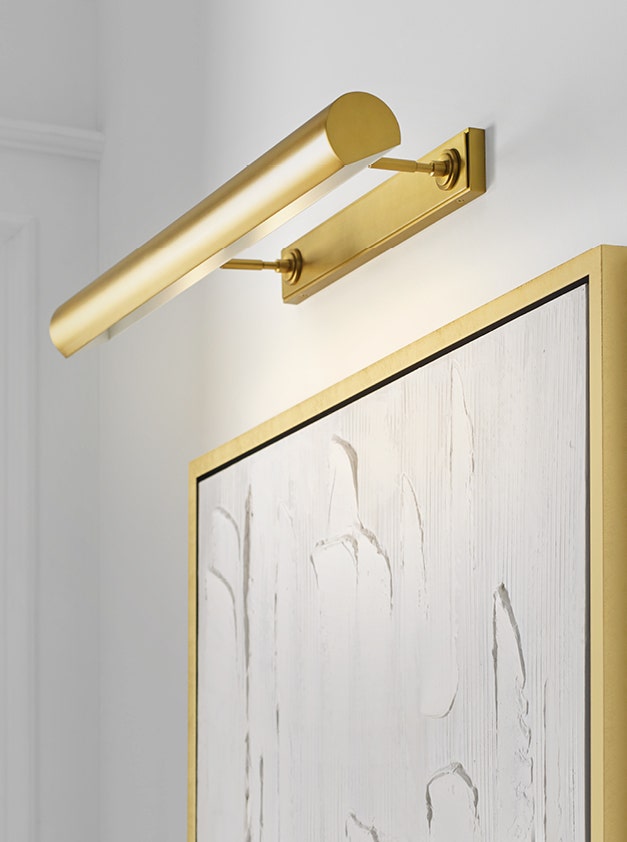
Picture lights attach above or on the frame of artwork. They shine light downward to brighten the painting or photo. These lights are small and subtle.
This lighting type is ideal for single pieces or small collections. Picture lights create soft, direct illumination that enhances colors and textures.
Recessed Spotlights
Recessed spotlights are installed in the ceiling. They send narrow beams of light to specific spots on the wall. This option keeps the ceiling clean and simple.
They provide strong, focused lighting that draws attention to selected artworks. Recessed spotlights work well in modern and minimal gallery spaces.
Wall Washers
Wall washers spread light evenly across a gallery wall. They use wide beams to brighten the whole surface. This lighting softens shadows and creates a smooth glow.
Wall washers are perfect for large walls with many pieces. They help unify the display by lighting the entire area without harsh spots.
Choosing The Right Bulbs
Accent lighting highlights your gallery wall and shows off your art. Picking the right bulbs helps your pieces look their best.
The wrong bulbs can change how colors look or cause glare. Choose bulbs carefully to create the perfect mood.
Led Vs Halogen
LED bulbs use less energy and last longer than halogen bulbs. They stay cool and do not damage art over time.
Halogen bulbs give warm light but get hot quickly. They may shorten the life of your artwork with heat and UV rays.
- LED bulbs: energy efficient, long-lasting, cool to touch
- Halogen bulbs: warm light, produce heat, shorter lifespan
- LED preferred for protecting art and saving energy
Color Temperature Effects
Color temperature affects how colors look on your gallery wall. It is measured in Kelvins (K).
Warm light (2700K-3000K) adds a cozy feel and makes colors soft. Cool light (4000K-5000K) shows true colors and details.
- Warm light (2700K-3000K): cozy, soft colors
- Neutral light (3500K-4100K): balanced, natural colors
- Cool light (4000K-5000K): bright, clear, true colors
Brightness Levels
Brightness is measured in lumens. Too bright bulbs can cause glare on your art.
Choose brightness based on the size of your wall and the art’s detail. Dimmer switches help adjust light as needed.
- Small art: 200-300 lumens per bulb
- Medium art: 300-500 lumens per bulb
- Large or detailed art: 500-700 lumens per bulb
- Use dimmers to control brightness and mood
Placement Techniques
Accent lighting enhances gallery walls by highlighting artwork. Proper placement improves visibility and appeal.
Use smart placement techniques to create a balanced and inviting display. Small changes make big differences.
Optimal Angles
Light should hit artwork at an angle between 30 and 45 degrees. This angle reduces glare and reflections.
Adjust lights so the beam covers the entire piece evenly. Avoid lighting that is too direct or too flat.
- Angle lights 30° to 45° from the wall
- Cover the full artwork with light
- Test angles to reduce glare
Distance From Wall
Place lights 12 to 24 inches away from the gallery wall. This distance helps spread light evenly on the art.
Closer lights create focused beams but may cause bright spots. Farther lights spread light but can lose intensity.
- 12-24 inches distance works well
- Adjust for artwork size and light type
- Keep beams soft and even
Avoiding Shadows And Glare
Position lights to avoid casting shadows on the artwork or wall. Shadows distract from the display.
Use diffusers or shades to soften light and reduce glare on glass or shiny surfaces.
- Check lighting from different angles
- Use diffusers to soften harsh light
- Adjust light height to limit shadows
Smart Lighting Options
Accent lighting makes gallery walls stand out. Smart lighting adds control and style. You can change settings easily.
Smart lights bring new ways to show your art. They help set the mood with simple tools.
Dimmable Features
Dimmable lights let you adjust brightness. You can make the light soft or bright. This fits different times and moods.
Smart dimmers work with apps or switches. They give you smooth control over your gallery wall lighting.
Color Changing Lights
Color changing lights let you pick many colors. You can match the light to your art or room style. This adds fun and interest.
Use color modes for events or daily use. Change colors with a tap on your phone or remote.
Remote Controls And Automation
Remote controls make lighting easy to use. You do not have to move to change settings. This saves time and effort.
Automation lets lights change by time or activity. You can set schedules or use sensors. This keeps your gallery well-lit all day.
Design Tips For Gallery Walls
Accent lighting enhances the beauty of gallery walls in your home. The right light can make artwork pop and create a warm ambiance.
Explore some essential design tips for balancing light, complementing wall colors, and layering with ambient lighting.
Balancing Light Distribution
Even light distribution ensures that each piece of art is equally highlighted. Avoid shadows that can detract from the artwork.
- Use adjustable track lighting for flexibility.
- Ensure fixtures are spaced evenly across the wall.
- Consider dimmable bulbs for control over brightness.
Complementing Wall Colors
Choose lighting that enhances your wall colors. Warm lights can soften bold colors, while cool lights can add contrast to neutral tones.
Consider using LED lights with adjustable color temperatures. They allow you to change the mood according to the artwork displayed.
Layering With Ambient Lighting
Layering ambient lighting with accent lights creates depth. It helps in setting the overall mood of the room.
| Lighting Type | Purpose |
| Accent Lighting | Highlight artworks |
| Ambient Lighting | Overall room illumination |
| Task Lighting | For specific activities |
Installation And Maintenance
Accent lighting can transform gallery walls into focal points. Proper installation and maintenance ensure lights last longer and perform well.
This guide covers wiring, safety, and upkeep for accent lighting. Let’s explore how to keep your gallery walls shining beautifully.
Wiring Considerations
Wiring is a key part of installing accent lighting. Proper wiring ensures safe and efficient operation.
Use the correct wire gauge to prevent overheating. Choose wires that match the power requirements of your lights.
- Consult a professional for complex installations
- Keep wiring away from flammable materials
- Label wires for easy identification
Safety Tips
Safety is crucial when installing accent lighting. Follow these tips to prevent accidents and ensure a safe environment.
Always turn off the power before working on electrical connections. Use insulated tools to protect yourself from electric shocks.
- Wear protective gear like gloves and goggles
- Check for loose connections regularly
- Ensure lights are securely mounted
Cleaning And Upkeep
Regular cleaning keeps accent lighting bright and effective. Dust and grime can dim lights and reduce their lifespan.
Use a soft, dry cloth to wipe lights gently. Avoid using water or harsh chemicals that can damage fixtures.
- Inspect lights for damage every few months
- Replace burnt-out bulbs promptly
- Ensure fixtures are tightly fastened
Credit: www.visualcomfort.com
Frequently Asked Questions
What Is Accent Lighting For Gallery Walls?
Accent lighting highlights artwork and creates visual interest. It uses focused light sources like spotlights or track lights. This enhances colors, textures, and details of the art pieces. Accent lighting adds depth and ambiance to gallery walls.
How To Choose The Best Lights For Gallery Walls?
Select LED lights with adjustable brightness and color temperature. Choose fixtures that focus light without glare or shadows. Consider track, recessed, or wall-mounted lights for flexibility. Proper placement ensures even illumination on all artwork.
Can Accent Lighting Improve Art Display Visibility?
Yes, accent lighting enhances visibility by directing light onto artwork. It reduces shadows and highlights fine details. This improves the viewing experience and draws attention to each piece. Proper lighting makes gallery walls more engaging.
What Color Temperature Suits Gallery Wall Lighting?
A color temperature between 3000K and 4000K works best. It provides neutral to warm white light, which complements most art styles. This range maintains true colors and reduces eye strain. Avoid overly cool or warm tones.
Conclusion
Accent lighting brings art to life on your gallery walls. It highlights colors and shapes, making each piece stand out. You can change the mood with warm or cool lights. Simple fixtures can create a big impact. Think about light direction and brightness for best results.
This small detail adds charm and focus to your space. Experiment with different lighting styles to find what fits best. Bright walls deserve bright lights. Your art deserves to shine.