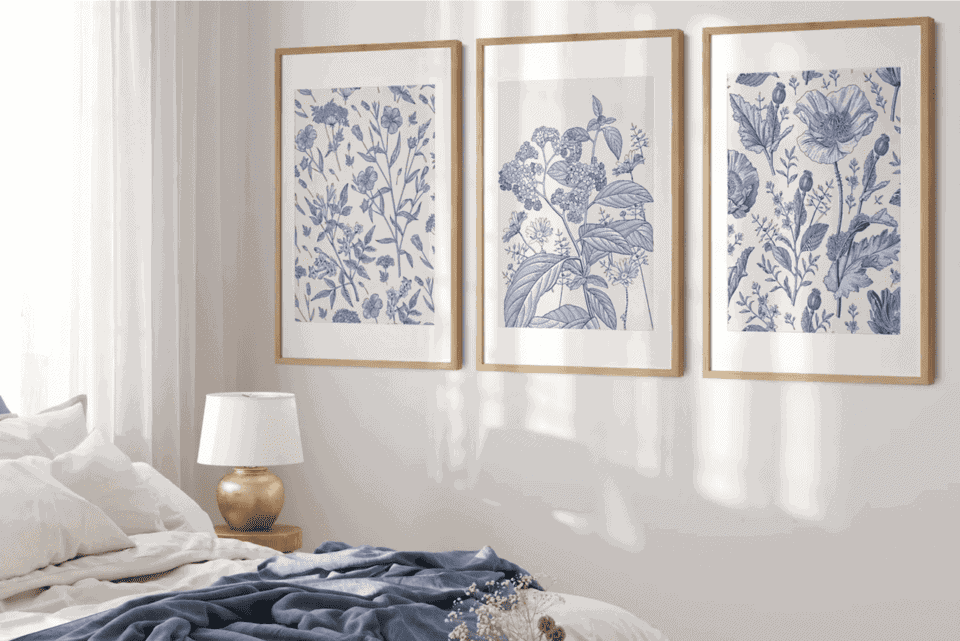
Are you looking to transform your space without a full makeover? An accent wall might be exactly what you need.
It’s a simple, budget-friendly way to add personality and style to any room. Imagine walking into your home and instantly feeling a fresh burst of energy or calmness just because of one wall. You’ll discover easy and creative accent wall painting ideas that can make your space truly stand out.
Ready to see how a splash of color can change everything? Keep reading—you won’t want to miss these inspiring tips!
Choosing The Right Wall
Picking the right wall for an accent paint can change the whole room’s look. It makes the space feel fresh and interesting.
Think about which wall will stand out and how it fits with the room’s size and light.
Focal Points In Your Room
Look for a natural focus in your room. This could be a fireplace, a big window, or a main seating area. Painting this wall will draw attention to that spot.
- Choose the wall you see first when you enter
- Pick a wall that holds the main furniture
- Avoid walls with doors or too many interruptions
Considering Room Size And Shape
Room size affects which wall works best for accent paint. Large rooms can handle darker colors on big walls. Small rooms need lighter colors to avoid feeling cramped.
| Room Size | Best Wall to Paint | Color Suggestions |
| Small | Shorter wall without windows | Light shades like pastels |
| Medium | Wall behind main furniture | Soft or medium tones |
| Large | Longest wall or wall with features | Bold and dark colors |
Lighting And Wall Selection
Light changes how paint looks. Natural light shows the true color. Artificial light can warm or cool the paint tone.
Check your wall in different lights:
- Morning sunlight can make colors look bright and fresh.
- Evening light may make colors look softer or warmer.
- Artificial lights like bulbs or lamps change how colors feel.
Popular Accent Wall Colors
An accent wall adds a splash of color and style to any room. It highlights one wall to create visual interest without overwhelming the space.
Choosing the right color for your accent wall depends on your mood and room style. Here are popular color ideas to inspire you.
Bold And Vibrant Hues
Bold colors bring energy and excitement to a room. They work well in living rooms, dining areas, or any space needing a lively touch.
- Bright red for a passionate and warm feel
- Deep blue to create a strong and calming effect
- Emerald green for a rich and natural vibe
- Sunny yellow that adds cheerfulness and brightness
- Vibrant orange to energize and uplift the space
Soft And Subtle Tones
Soft colors create a calm and cozy atmosphere. These shades are perfect for bedrooms, reading nooks, and quiet spaces.
| Color | Effect |
| Pastel pink | Gentle and soothing |
| Light lavender | Relaxing and peaceful |
| Soft mint | Fresh and airy |
| Warm beige | Comforting and neutral |
| Pale blue | Calm and clear |
Neutral Shades With Impact
Neutral colors create a stylish and timeless look. They add depth without overpowering the room’s other features.
Try these neutral shades for an impactful accent wall:
- Charcoal gray for a modern and sleek look
- Warm taupe to add richness and warmth
- Crisp white for a clean and bright feel
- Soft greige (gray-beige) blends well with many colors
- Chocolate brown for a cozy and earthy touch
Creative Painting Techniques
Accent walls add personality to any room. Creative painting techniques make these walls stand out. They bring color, texture, and style together.
Try different methods to fit your space and taste. This guide covers stripes, ombre effects, and textured finishes. Each technique creates a unique look.
Stripes And Geometric Patterns
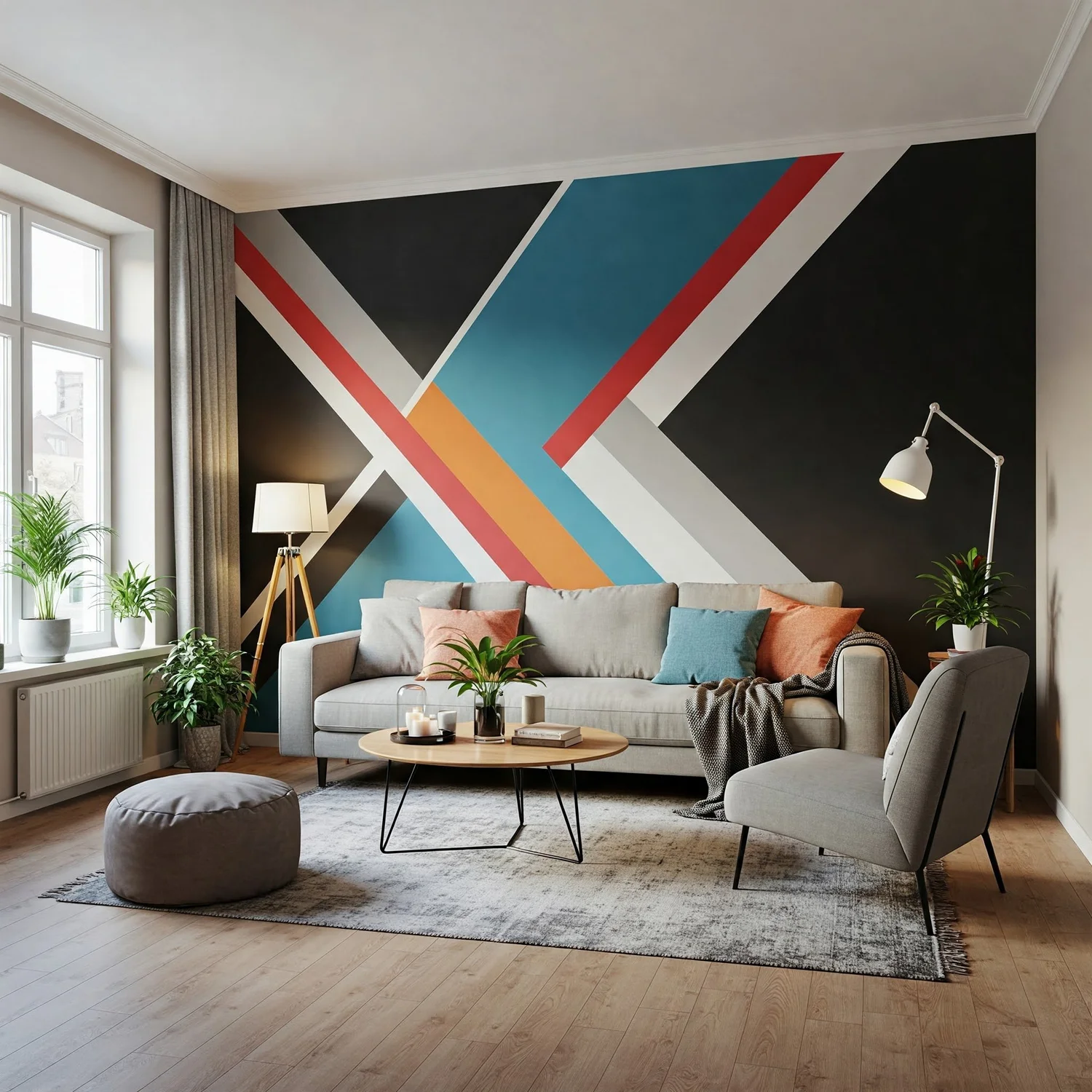
Stripes and geometric shapes add structure to your wall. Use tape to create clean lines and sharp edges. Choose colors that contrast or blend softly.
- Vertical stripes make ceilings look higher.
- Horizontal stripes widen the room.
- Triangles and hexagons add a modern feel.
- Mix bold and pastel colors for interest.
- Use matte and glossy paints for texture.
Ombre And Gradient Effects
Ombre walls show a gradual color change. This soft fade adds depth and calmness. Blend two or more colors from dark to light or vice versa.
| Effect | Description | Best Rooms |
| Vertical Ombre | Color fades top to bottom | Living rooms, bedrooms |
| Horizontal Ombre | Color fades left to right | Hallways, dining rooms |
| Diagonal Ombre | Color fades corner to corner | Creative spaces, kids’ rooms |
Textured And Metallic Finishes
Textured paints add a tactile element. Metallic finishes bring shine and luxury. Both catch light and create visual interest.
Common Textured Paint Types:
- Sand texture – rough, sandy feel
- Stucco finish – thick and rustic
- Metallic paint – smooth with shimmer
- Pearlescent paint – soft glow effect
Use rollers or sponges to apply textures. Metallics work well with accent lighting.
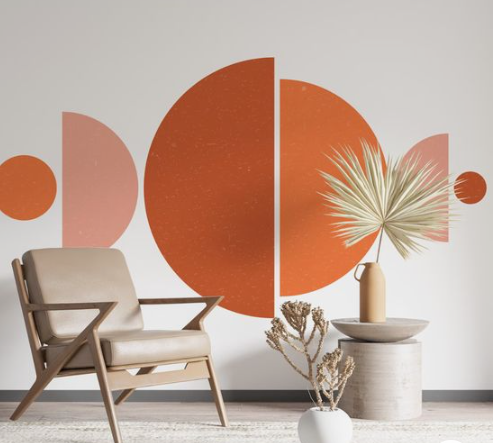
Credit: www.jswpaints.in
Incorporating Wall Art And Decor
An accent wall adds color and style to a room. Adding art and decor makes it stand out even more. You can use different ideas to decorate your accent wall.
Choosing the right pieces can highlight your wall and bring your room to life. Here are some ways to use art and decor with your accent wall.
Complementing With Artwork
Select artwork that matches or contrasts with the paint color. Large paintings or framed prints work well on bold walls. Keep the frame colors simple to avoid clutter.
- Use black and white prints for a modern look
- Choose colorful art to brighten a dark wall
- Try a gallery wall with small frames
- Pick art that fits the room’s theme
Using Shelves And Wall Hangings
Shelves add space to display decor items. Floating shelves look clean and keep the wall simple. Wall hangings like tapestries or macramé add texture and softness.
| Type | Best For | Style |
| Floating Shelves | Small plants, books, candles | Modern, Minimalist |
| Wooden Shelves | Picture frames, vases | Rustic, Classic |
| Tapestry | Large wall spaces | Bohemian, Cozy |
| Macramé | Accent texture | Natural, Handmade |
Mixing Paint With Wallpaper
Use wallpaper on part of the accent wall and paint on the rest. This mix creates depth and interest. Pick wallpaper with colors that match your paint.
- Choose simple patterns for small walls
- Bold patterns work well on large walls
- Use wallpaper behind shelves or art
- Paint trims or borders to frame wallpaper
Room-specific Accent Wall Ideas
Accent walls add style and personality to any room. They create a focal point that catches the eye.
Choosing the right wall and design depends on the room’s function and decor. Here are ideas for different spaces.
Living Room Inspirations
In the living room, use bold colors or textured paint for a warm, inviting feel. Wood panels or brick patterns add charm.
- Deep blue or forest green walls for calmness
- Geometric patterns with neutral shades
- Stone or brick texture for a rustic look
- Wallpaper with large floral prints
Bedroom Designs
Bedrooms benefit from soft colors and gentle textures. Use accent walls behind the bed to highlight the area.
| Color | Effect | Style |
| Soft lavender | Relaxing | Modern |
| Warm beige | Cozy | Traditional |
| Dusty rose | Comforting | Romantic |
| Matte gray | Calm | Minimalist |
Kitchen And Dining Areas
Use accent walls in kitchens and dining rooms to brighten the space. Bright colors or creative tiles work well.
Try these ideas for kitchen and dining accent walls:
- Glossy red or yellow paint to energize the room
- Subway tile backsplash with a pop of color
- Chalkboard paint for notes and menus
- Wood slats for a natural look

Credit: www.hgtv.com
Tools And Materials Needed
To start painting your accent wall, you’ll need to gather the necessary tools and materials. This includes essential supplies for preparation and application.
Essential Painting Supplies
- Paint (choose a color that complements your room)
- Paintbrushes (various sizes and shapes)
- Roller extension pole
- Paint tray and grid
- Drop cloths and tarps
- Primer (optional)
Preparing Your Wall Surface
Before painting, ensure your wall surface is clean and free of dust, dirt, and old paint. This will ensure a smooth finish.
Tips For A Smooth Finish
| Surface Preparation | Action |
| Dust and dirt | Wipe with a damp cloth |
| Old paint | Scrape off with a putty knife |
| Loose wallpaper | Remove with a steamer |
Additional tips for a smooth finish include taping off trim and moldings, and using a paint with low VOCs.
Additional Tips:
- Tape off trim and moldings
- Use a paint with low VOCs
- Apply primer for improved coverage
Maintaining Your Accent Wall
Maintaining your accent wall is crucial to keep it looking its best. Regular cleaning and touch-ups can make a significant difference in the overall appearance of your accent wall.
Cleaning Tips
Regular cleaning is essential to remove dust, dirt, and stains from your accent wall. Here are some cleaning tips to keep your accent wall looking fresh:
- Use a soft-bristled brush to sweep away dust and dirt.
- Dampen a cloth with water and gently wipe down the wall.
- Mix a solution of mild soap and water to clean stubborn stains.
- Allow the wall to dry completely before applying any touch-ups.
Touch-up Techniques
Touch-ups are necessary to repair any scratches, scuffs, or fading on your accent wall. Here are some techniques to help you touch up your accent wall:
Use a paint touch-up pen to repair small scratches and scuffs.
Mix a small amount of paint with a binder to create a custom touch-up paint.
When To Repaint
Repainting your accent wall is necessary when the paint starts to fade, peel, or crack. Here are some signs that indicate when it’s time to repaint:
| Sign | What to Do |
| Fading paint | Repaint the entire wall with a new coat of paint. |
| Peeling paint | Scrape off the peeling paint and apply a new coat of primer and paint. |
| Cracked paint | Repair the cracks with a patching compound and repaint the wall. |

Credit: www.designcafe.com
Frequently Asked Questions
What Is An Accent Wall In Painting?
An accent wall is a single wall painted differently from others. It highlights a room’s feature or adds color contrast. It enhances room aesthetics by drawing attention and creating visual interest without overwhelming the space.
How Do I Choose Colors For Accent Walls?
Select colors that complement your room’s existing palette. Bold, contrasting shades work well to create impact. Consider lighting and room size to ensure the color enhances the space effectively.
Which Rooms Benefit Most From Accent Walls?
Living rooms, bedrooms, and dining areas often benefit from accent walls. They add depth and style, emphasizing architectural features or focal points. Accent walls can transform plain rooms into visually appealing spaces.
Can I Use Patterns On Accent Walls?
Yes, patterns like stripes, geometric shapes, or stencils add texture and personality. They create dynamic focal points and make the wall stand out. Patterns should match the room’s decor for harmony.
Conclusion
Accent walls add charm and personality to any room. Choose colors that match your style and mood. Simple patterns or bold shades both work well. Painting an accent wall can brighten space and create focus. Try different textures or finishes for unique effects.
Small changes can make a big difference. Start with a spot that feels right for you. Enjoy the fresh look and cozy feel it brings. Your room will feel new without much effort. A painted accent wall invites creativity and warmth.