Are you looking to transform a room without a full makeover? Accent wall painting is a simple way to add personality and style to your space.
But how do you make sure your accent wall stands out for all the right reasons? You’ll discover easy and effective accent wall painting techniques that anyone can try. Whether you want bold colors, subtle textures, or creative patterns, these tips will help you create a stunning focal point that grabs attention and reflects your taste.
Keep reading to unlock the secrets that will make your walls come alive.
Choosing The Perfect Wall
Choosing the right wall for an accent paint can change the room’s feel. It draws attention and adds character to your space.
Consider several factors before starting. This helps you pick a wall that complements your room best.
Focal Point Selection
Pick a wall that naturally stands out or has a special feature. This could be a wall with a fireplace, large windows, or artwork.
- Choose a wall visible when entering the room
- Look for walls without doors or windows for full coverage
- Consider walls that highlight furniture or decor
Room Size And Lighting
Room size and light affect how the color looks. Dark colors make big rooms cozy but can shrink small rooms.
| Room Size | Lighting | Best Wall Choice |
| Small | Bright | Wall with natural light to keep it open |
| Small | Dim | Wall with a light color to brighten space |
| Large | Bright | Any wall can work, try a bold color |
| Large | Dim | Wall facing light source to reflect brightness |
Wall Texture Considerations
Wall texture changes how paint looks and sticks. Smooth walls show paint evenly. Rough walls add depth but hide color details.
Here are texture types and painting tips:
- Smooth:Use any paint finish for a clean look.
- Textured:Choose matte paint to avoid shine.
- Brick or Stone:Use thick paint to cover crevices.

Credit: www.lorddecor.com
Popular Accent Wall Styles
Accent walls add character and style to any room. They create a focal point that draws the eye. Choosing the right style can change the mood and look of your space.
Here are some popular accent wall styles to consider. Each one offers a unique way to enhance your room’s design with paint and texture.
Bold Solid Colors
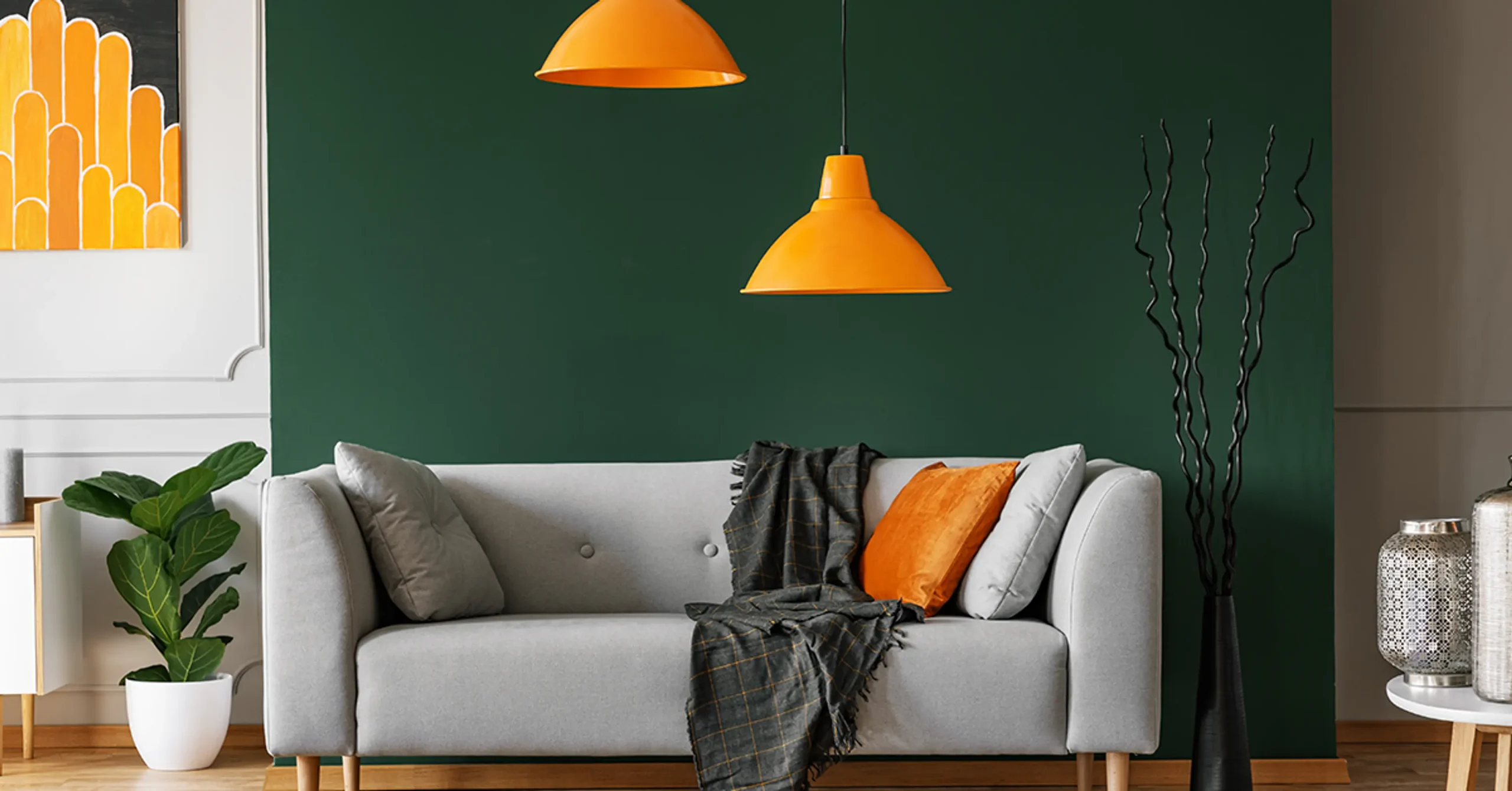
Bold solid colors provide a simple yet powerful way to create an accent wall. Bright or deep tones can make your wall stand out and add warmth or energy to the room.
- Choose colors that complement your furniture.
- Use matte or satin finishes for a smooth look.
- Pair bold walls with neutral decor to balance the space.
- Consider dark colors for cozy rooms and bright colors for lively spaces.
Geometric Patterns
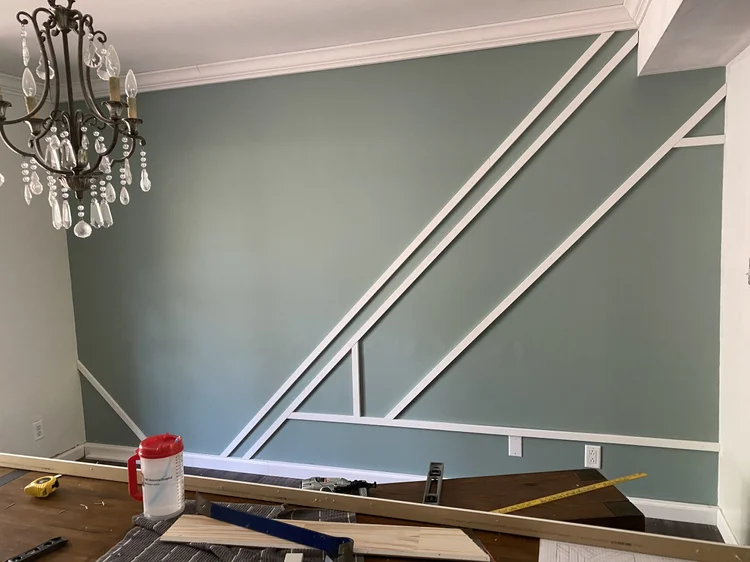
Geometric patterns add a modern and artistic touch to your walls. Triangles, hexagons, or diamonds can create visual interest and break the monotony of plain walls.
Popular geometric shapes for accent walls:
- Triangles in varying sizes
- Hexagon honeycomb designs
- Diamond shapes arranged in a grid
- Chevron zigzag patterns
Stripes And Ombre Effects
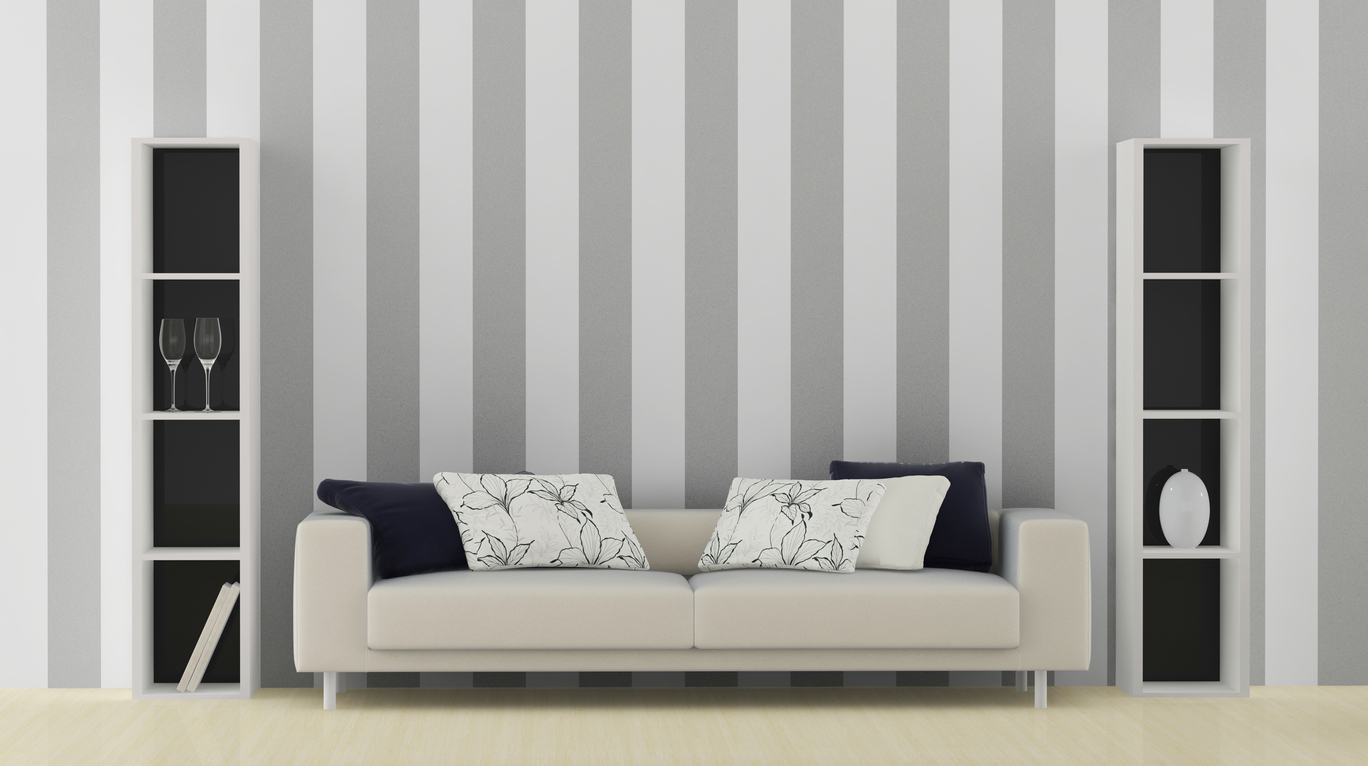
Stripes and ombre effects create movement and style on your accent wall. Vertical stripes can make the room look taller, while horizontal stripes add width.
| Style | Effect | Best For |
| Vertical Stripes | Add height | Rooms with low ceilings |
| Horizontal Stripes | Add width | Narrow or long rooms |
| Ombre Fade | Soft gradient look | Modern and calming spaces |
Stencil And Wallpaper Alternatives
Stencil painting and wallpaper alternatives offer detailed designs without full wallpaper installation. Stencils let you create custom patterns with paint.
- Use floral or abstract stencils for a unique look.
- Try peel-and-stick wallpaper for easy changes.
- Mix stencils with solid colors for balanced design.
- Choose washable paints for durability.
Tools And Materials Needed
Creating an accent wall requires the right tools and materials. These help you get a smooth and clean finish.
Choosing good supplies can save time and make your wall look great. Here are the main things you need.
Paint Types And Finishes
Pick paint that works well on walls. Latex paint is popular because it dries fast and cleans easily.
Different finishes change how the wall looks and feels. Glossy paint shines a lot. Matte paint has no shine and hides flaws.
- Matte: No shine, hides wall flaws
- Eggshell: Slight shine, easy to clean
- Satin: Soft shine, smooth look
- Semi-gloss: Shiny, good for trim
- Glossy: Very shiny, highlights details
Brushes And Rollers
Use brushes for edges and corners. Rollers cover large areas fast and smoothly.
Choose brush size based on the wall space. Use rollers with the right nap length for your wall texture.
- Angled brushes for clean corners
- Small brushes for detailed work
- Short nap rollers for smooth walls
- Medium nap rollers for light texture
- Long nap rollers for rough surfaces
Tape And Stencils
Painters tape helps create sharp, straight lines. It stops paint from bleeding onto other areas.
Stencils add patterns and shapes to the wall. They help you paint designs easily and neatly.
- Use high-quality painters tape for clean edges
- Press tape firmly to avoid paint bleed
- Choose stencils made from plastic or cardboard
- Secure stencils with tape before painting
- Remove tape and stencils carefully after paint dries

Credit: www.hgtv.com
Step-by-step Painting Process
Creating an accent wall adds style and personality to any room. The process involves careful painting to get the best results. Following each step helps achieve a neat and beautiful finish.
This guide explains how to prepare, prime, paint, and add details to your accent wall.
Surface Preparation
Start by cleaning the wall to remove dust and dirt. Repair any holes or cracks with filler and sand the surface smooth. Use painter’s tape to protect edges and trim.
- Clean the wall using mild soap and water
- Fill holes or cracks with spackle or filler
- Sand repaired areas until smooth
- Remove dust with a damp cloth
- Apply painter’s tape on edges and trims
Priming The Wall
Apply a primer to create a smooth base for paint. Primer helps paint stick better and covers stains or uneven colors. Use a roller for large areas and a brush for corners.
Applying Base Coat
After the primer dries, apply the base coat. Choose a paint color that suits your room style. Use even strokes and cover the wall completely. Let the first coat dry before adding a second coat if needed.
Adding Patterns And Details
Once the base coat is dry, add patterns or designs to your accent wall. You can use stencils, painter’s tape, or freehand painting. Take your time to keep lines clean and colors sharp.
| Technique | Description | Tools Needed |
| Stenciling | Use a stencil to paint shapes or patterns | Stencil, small brush, paint |
| Tape Patterns | Create stripes or geometric shapes with painter’s tape | Painter’s tape, roller or brush, paint |
| Freehand | Paint designs by hand for a personal touch | Brushes of different sizes, paint |
Creative Techniques To Try
Accent walls add a special touch to any room. Using creative painting techniques makes the wall stand out.
Try different styles to find the best look for your space. These techniques are easy and fun to do.
Sponging And Rag Rolling
Sponging uses a sponge to dab paint on the wall. It creates a soft, textured effect that adds depth.
Rag rolling uses a rolled-up cloth to create patterns. It gives a subtle, elegant look that suits many rooms.
- Use a base coat first
- Dip sponge or rag lightly in paint
- Dab or roll gently on the wall
- Layer colors for more interest
- Let dry completely between layers
Color Washing
Color washing blends two colors with a glaze. It gives the wall a soft, washed look with gentle shading.
This technique adds warmth and charm to rooms. It works well on large walls to create a smooth finish.
- Start with a solid base color
- Mix glaze with a second paint color
- Brush glaze over the base in light strokes
- Use a dry brush to soften edges
- Build layers for a richer effect
Metallic And Textured Finishes
Metallic paints add shine and reflect light. They create a modern, stylish accent wall.
Textured finishes use special tools or materials. They add a tactile feel and visual interest to the wall.
- Use metallic paint for highlights or full walls
- Try tools like trowels or combs for texture
- Add sand or beads to paint for rough surfaces
- Work in small sections for best results
- Seal textured walls to keep them clean
Common Mistakes To Avoid
Creating an accent wall can add style to any room. Yet, there are common mistakes that can ruin the effect.
Being aware of these errors can help you achieve a beautiful accent wall with ease.
Overcomplicating Designs
Simplicity often works best for accent walls. Too many patterns can make a space look busy.
- Stick to one or two colors.
- Choose a simple geometric pattern.
- Avoid mixing different styles.
Ignoring Wall Imperfections
Small flaws can become more visible with paint. Always prepare the wall before starting.
Improper Tape Usage
Painters tape helps create clean lines. Incorrect use can lead to uneven edges and paint bleed.
| Problem | Solution |
| Tape is not sealed | Press tape firmly against the wall |
| Paint bleeds under tape | Use a putty knife to seal the edges |
| Tape tears off paint | Remove tape slowly at an angle |
Enhancing Your Accent Wall
An accent wall can transform any room. It adds character and style to your space. Choosing the right painting technique is key.
Use colors and patterns to highlight the accent wall. This can make your room feel unique and welcoming.
Coordinating Decor
Decor plays a vital role in accent wall design. Choose items that complement the wall’s color and texture.
- Select artwork that matches the wall theme
- Use decorative pillows in similar shades
- Choose rugs that enhance the wall’s color
Lighting Tips
Lighting can change how your accent wall looks. Proper lighting makes colors pop and adds depth to patterns.
Use different light sources for varied effects. Combine natural and artificial lighting to highlight features.
- Install wall sconces for soft lighting
- Use spotlights to focus on key areas
- Add a floor lamp for ambient light
Furniture Placement
The way you arrange furniture affects the accent wall’s impact. Position pieces to draw attention to the wall.
Keep furniture simple and avoid clutter. This ensures the wall remains the focal point of the room.
- Place a couch facing the accent wall
- Use a minimalist coffee table
- Arrange chairs to guide the eye to the wall
Credit: betterpainting.com
Frequently Asked Questions
What Are Popular Accent Wall Painting Techniques?
Popular techniques include color blocking, stripes, geometric patterns, and sponging. These add texture and depth to any room, enhancing visual interest and style.
How Do I Choose The Right Color For An Accent Wall?
Select a color that complements your room’s palette. Consider mood, lighting, and furniture to ensure harmony and balance in the space.
Can I Create An Accent Wall With Textured Paint?
Yes, textured paint adds dimension and character to accent walls. It creates a tactile surface that enhances the room’s overall look.
How Long Does Accent Wall Painting Typically Take?
Painting an accent wall usually takes 2 to 4 hours. Drying time varies by paint type and room conditions, so plan accordingly.
Conclusion
Accent wall painting adds charm to any room easily. Choose colors that match your style and space. Simple tools and techniques bring great results. Experiment with patterns or textures for a unique look. Remember to prepare the wall well before painting.
A fresh accent wall can brighten and refresh your home. Small changes create big visual impact. Try these tips to make your walls stand out. Enjoy your creative process and the new vibe it brings.