Looking to transform your space without a major makeover? An accent wall tapestry might be exactly what you need.
It’s an easy way to add color, texture, and personality to any room. But where should you place it to make the biggest impact? You’ll discover creative and practical tapestry placement ideas that will turn your walls into stunning focal points.
Get ready to see your space in a whole new light and find the perfect spot for your accent wall tapestry.

Credit: www.designcafe.com
Choosing The Right Wall
Choosing the right wall is key for placing an accent wall tapestry. The right wall can highlight your room’s style.
Think about where people look first and how the tapestry fits the space. This helps create a strong visual impact.
Focal Points In Living Rooms
Living rooms often have a main focal point. This could be a fireplace, a TV, or a large window.
Place your tapestry on the wall that draws the most attention. This makes the room feel balanced and cozy.
- Above the sofa for a natural centerpiece
- Behind the TV for a stylish backdrop
- Next to the fireplace to add warmth
Bedroom Accent Walls
The wall behind the bed is the best spot for a tapestry in bedrooms. It creates a strong and relaxing vibe.
Choose a wall that is visible when you enter the room. This adds personality without cluttering the space.
- Center the tapestry above the headboard
- Use walls with minimal furniture for clean look
- Consider lighting to highlight the tapestry
Hallways And Entryways
Hallways and entryways are smaller spaces but great for accent tapestries. They welcome guests with style.
Select a wall that is easy to see as you walk in. This can brighten the space and add interest.
- Opposite the door for instant impact
- Along a long hallway to break up the space
- Near a mirror or light fixture to enhance decor
Credit: www.livspace.com
Tapestry Styles And Themes
Tapestries add color and texture to any accent wall. Choosing the right style can change the room’s mood and feel. Explore popular tapestry themes to find the perfect fit.
This guide covers four popular tapestry styles. Each style has unique patterns and vibes. Use these ideas to inspire your wall decor.
Bohemian Vibes
Bohemian tapestries bring free-spirited and artistic energy. They often have bright colors and complex patterns. These tapestries create a relaxed, cozy atmosphere.
- Rich jewel tones and earthy colors
- Intricate mandalas and floral designs
- Mix of textures with fringe or tassels
- Handwoven or vintage styles
Modern Minimalist
Minimalist tapestries focus on simplicity and clean lines. They use neutral colors and subtle patterns. These tapestries fit well in modern and sleek interiors.
Common features include soft grays, whites, and blacks. Abstract shapes and simple textures are popular choices.
Nature-inspired Patterns
Nature-inspired tapestries bring the outdoors inside. They show leaves, trees, animals, or landscapes. These designs help create a calm and fresh space.
| Pattern | Description | Color Palette |
| Floral | Delicate flowers in various styles | Soft pinks, greens, and yellows |
| Forest | Trees and leaves with natural details | Deep greens and browns |
| Animal | Wildlife silhouettes or detailed art | Earth tones and muted colors |
Abstract And Geometric Designs
Abstract and geometric tapestries use shapes and lines to create bold looks. They work well as statement pieces on accent walls. These tapestries add a modern artistic touch.
Common Shapes:circles, triangles, hexagons, and stripes.
Color Combinations:black and white, bright primary colors, or muted tones.
Size And Scale Tips
Choosing the right size and scale for your accent wall tapestry changes the room’s look. It can make a small space feel bigger or a large wall more inviting.
Think about the wall space and the furniture near the tapestry. This helps to create balance and harmony in the room.
Proportion To Wall Space
Make sure your tapestry fits the wall well. A tapestry that is too small looks lost. Too big, and it can overwhelm the room.
- Measure the wall before buying a tapestry.
- Leave some space around the tapestry edges.
- Use large tapestries for big walls and small ones for tight spaces.
- Consider the height of the wall and ceiling.
Balancing With Furniture
Your tapestry should balance with nearby furniture. It can help tie the room together by matching size or shape.
| Furniture Type | Tapestry Size Tip |
| Sofa | Choose a tapestry wider than the sofa for balance |
| Bed | Center tapestry above the headboard, matching its width |
| Desk | Pick a smaller tapestry to avoid crowding |
| Dining Table | Use a vertical tapestry to add height |
Layering With Other Wall Art
Layer tapestries with other wall art for a creative look. Use size and scale to avoid clutter and keep focus.
Tips for layering:
- Place the tapestry as the largest piece.
- Mix small frames or mirrors around it.
- Keep space between pieces to prevent crowding.
- Use similar colors or themes for harmony.
Hanging Techniques
Choosing the right hanging technique can enhance your accent wall tapestry. It also makes the tapestry easy to display and remove.
Different methods suit different rooms and tapestry types. Here are some popular ways to hang your tapestry.
Traditional Rods And Poles
Using rods or poles is a classic way to hang a tapestry. You slide the pole through a sewn pocket or loops on the top edge.
This method gives a clean look and keeps the tapestry flat. You can hang the rod with brackets or hooks on the wall.
Clip And Hook Methods
Clips and hooks offer an easy way to hang tapestries without sewing. You attach clips to the top edge and hang them on nails or hooks.
- Use curtain clips or binder clips for lightweight tapestries
- Place clips evenly along the top edge to prevent sagging
- Hooks on the wall should be strong enough to hold the weight
- Clips avoid damage from piercing fabric directly
Using Washi Tape And Adhesives
Washi tape and other adhesives provide a no-damage option for hanging tapestries. This works well for temporary displays.
| Adhesive Type | Best For | Durability | Wall Safety |
| Washi Tape | Lightweight tapestries | Short term | Safe for paint |
| Command Strips | Medium weight tapestries | Medium term | Removable, no marks |
| Double-sided Tape | Small tapestries | Short term | May damage paint |
Color Coordination
Choosing the right colors for your accent wall tapestry can change the whole room feel. Colors set moods and bring harmony to your space.
Focus on how the tapestry colors match or contrast with the room. This makes the tapestry a real focal point.
Matching With Room Palette
Pick tapestry colors that blend well with your room’s main colors. This creates a smooth, peaceful look.
- Use colors that appear in your furniture or curtains.
- Choose shades that complement your wall paint.
- Soft colors work well for calm spaces like bedrooms.
- Bold colors add energy to living rooms or offices.
Creating Contrast
Contrast helps your tapestry stand out and grab attention. Use colors that are opposite on the color wheel.
| Room Wall Color | Accent Tapestry Color |
| Light Gray | Deep Blue |
| Soft Beige | Rich Burgundy |
| Pastel Green | Burnt Orange |
| White | Black or Dark Purple |
Accent Lighting Effects
Lighting can change how tapestry colors look. Use lights to highlight or soften colors.
Tips for Lighting Your Accent Wall Tapestry
- Use warm lights to bring out reds and yellows.
- Cool lights enhance blues and greens.
- Spotlights create sharp focus on tapestry details.
- Soft lamps give a cozy glow around the tapestry.

Credit: www.designcafe.com
Creative Placement Ideas
Accent wall tapestries can transform a room. They bring color and texture to any space.
Explore these creative placement ideas to enhance your home with beautiful tapestries.
Behind The Bed
Placing a tapestry behind the bed creates a stunning focal point. It acts as a unique headboard.
- Choose a tapestry that complements your bedding.
- Ensure it is wide enough to cover the width of the bed.
- Consider a tapestry with calming patterns for a relaxing vibe.
Above The Sofa
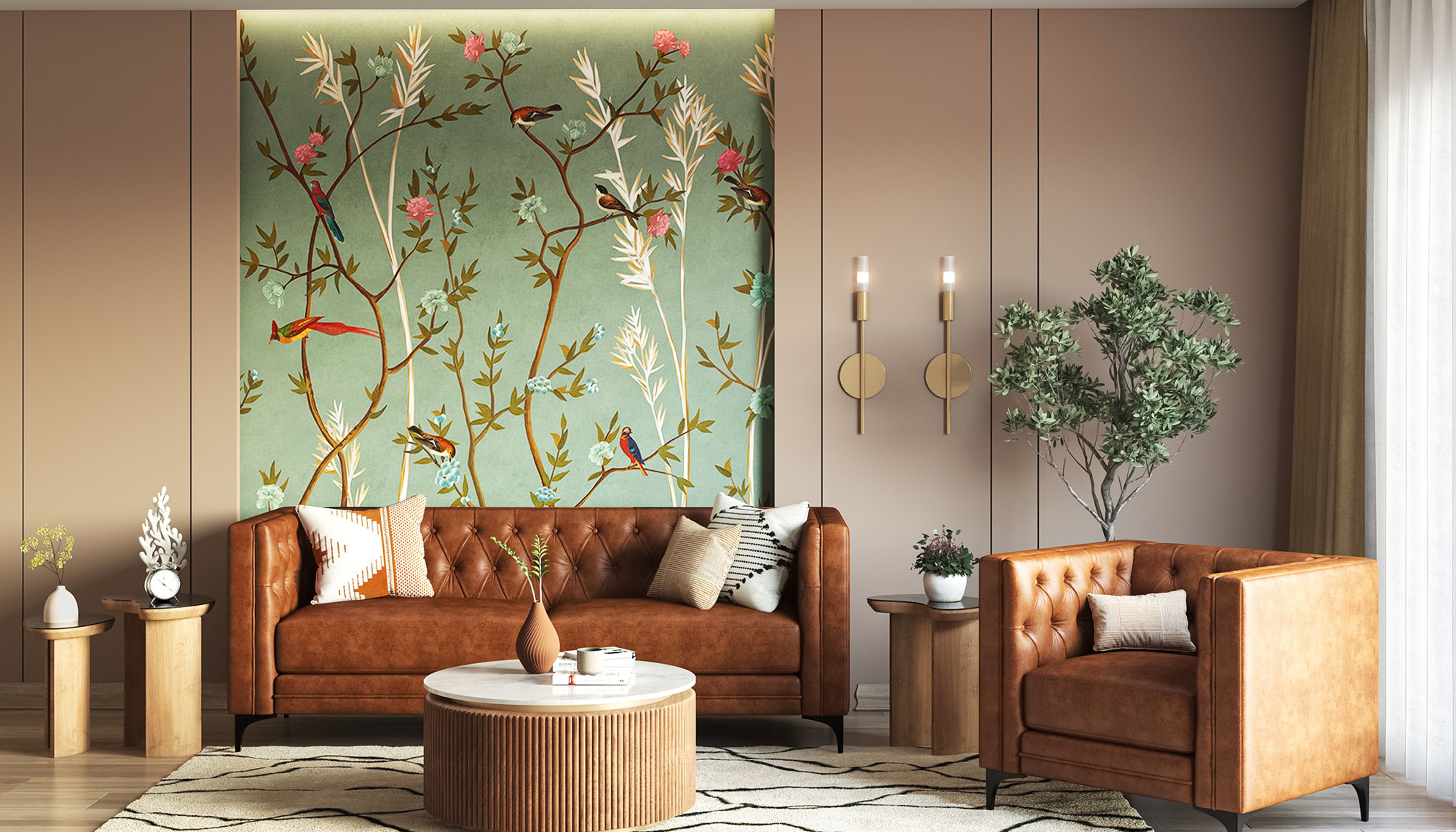
Hang a tapestry above the sofa to fill empty wall space. This adds warmth and character to your living room.
Tip: Use a tapestry rod or curtain rod for easy hanging and a polished look.
Dining Area Statements
Make a bold statement in your dining area with a vibrant tapestry. It can act as a conversation starter.
| Style | Effect |
| Geometric | Modern and sleek |
| Floral | Warm and inviting |
| Abstract | Artistic and dynamic |
Office And Study Corners
Elevate your workspace with a tapestry. It can inspire creativity and focus.
- Choose a tapestry with motivational designs.
- Position it where you can see it while working.
- Match it with your office decor for a cohesive look.
Maintenance And Care
Accent wall tapestries add charm and character to any room. Proper care ensures they remain beautiful over time.
Regular maintenance keeps tapestries looking fresh and vibrant. Follow these tips to care for your wall hangings.
Cleaning Tips
Dust and dirt can dull your tapestry’s appearance. Regular cleaning is essential to maintain its beauty.
- Vacuum with a soft brush attachment weekly
- Spot clean stains immediately with mild detergent
- Avoid soaking the tapestry in water
Preventing Fading
Fading is a common issue for tapestries exposed to sunlight. Protect your tapestry’s colors with these tips.
- Hang away from direct sunlight
- Use UV-protective window films
- Rotate tapestry placement to reduce exposure
Seasonal Rotation
Changing your tapestry seasonally can extend its life. It also refreshes your room’s look.
Store tapestries in a dry, cool place when not in use. This prevents damage from moisture and pests.
Frequently Asked Questions
What Is The Best Wall For Tapestry Placement?
The best wall for tapestry placement is a large, blank wall. It should be free from clutter. This makes the tapestry the room’s focal point and enhances its decorative impact.
How High Should I Hang An Accent Wall Tapestry?
Hang the tapestry at eye level or slightly above. This placement draws attention without overwhelming the space. Ensure the center is roughly 57-60 inches from the floor.
Can Accent Wall Tapestries Work In Small Rooms?
Yes, accent wall tapestries can add depth and character to small rooms. Choose lighter colors and simple patterns to avoid overwhelming the space.
What Styles Suit Tapestry Accent Walls Best?
Bohemian, rustic, and eclectic styles suit tapestry accent walls well. Tapestries add texture and warmth, complementing these design aesthetics effectively.
Conclusion
Accent wall tapestries add charm and style to any room. They create a focal point that draws the eye. Try placing them behind beds, sofas, or dining areas. Use colors and patterns that match your space well. Tapestries can also hide wall flaws with ease.
Change them seasonally for fresh looks without hassle. Small or large walls both benefit from this idea. Everyone can find a perfect spot to display art. Enjoy decorating with tapestries and make your home unique.