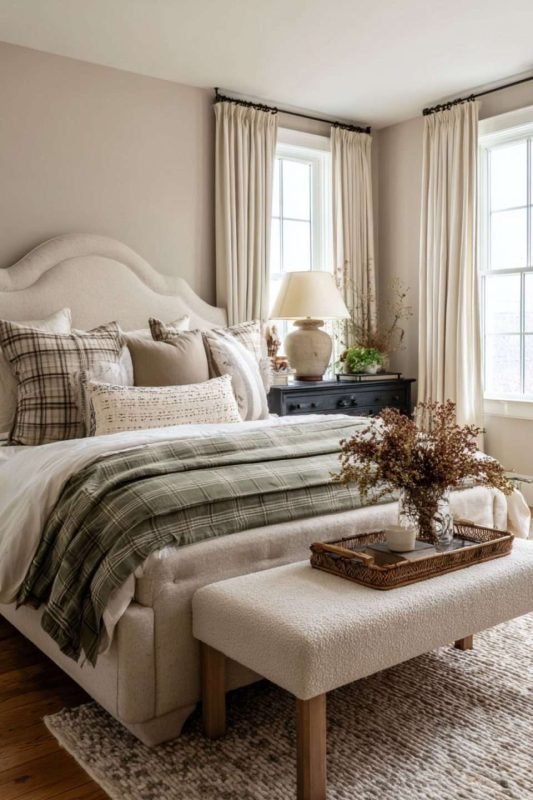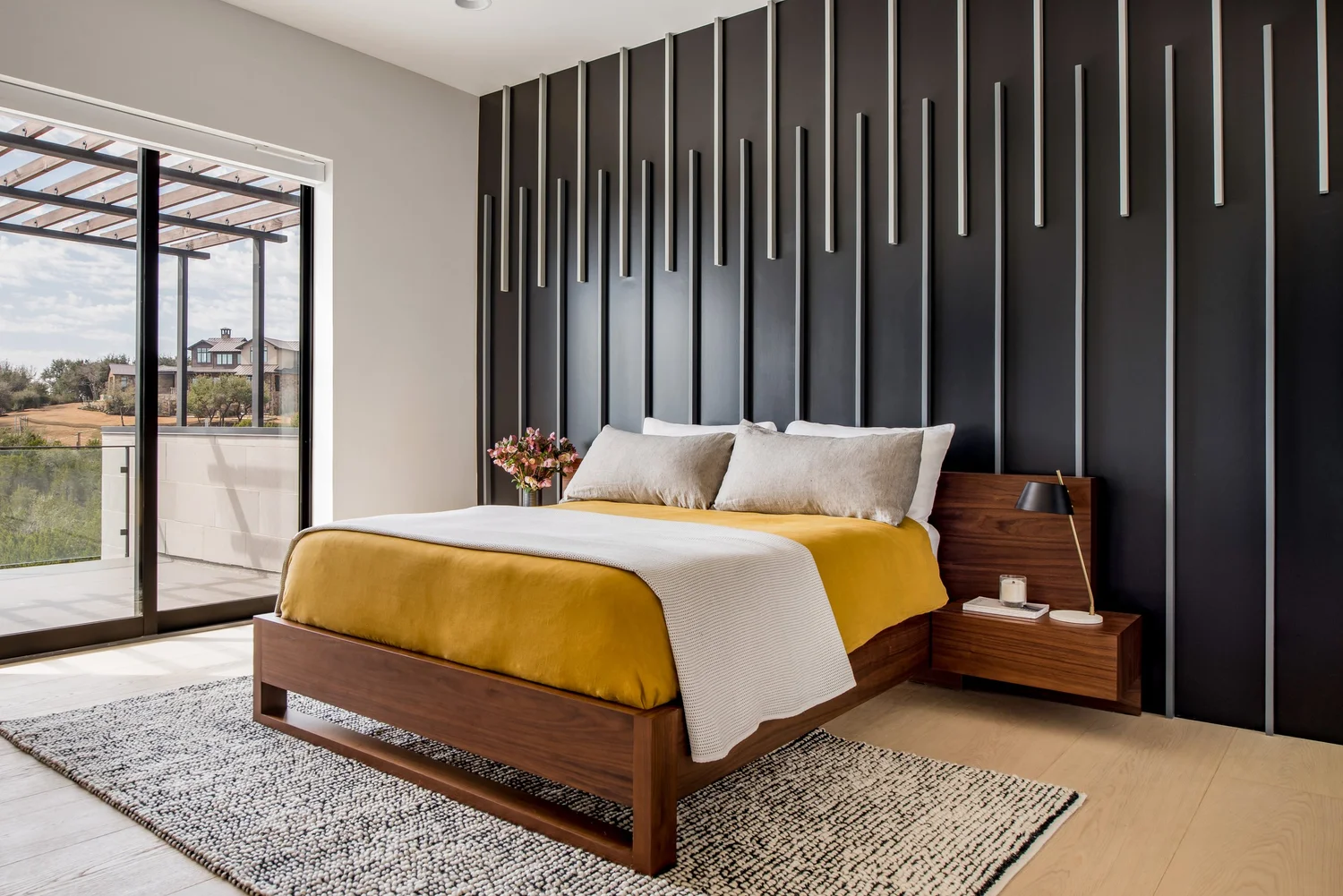
Are you looking to give your space a fresh, stylish boost without a full makeover? An accent wall with the right texture can transform any room instantly.
But how do you choose the perfect texture that fits your style and brings your walls to life? You’ll discover simple, effective accent wall texture styling tips that make your room stand out. Get ready to unlock easy ways to add depth, personality, and charm to your walls—so you can enjoy a space that truly feels like yours.
Keep reading to find out how a textured accent wall can change everything.
Choosing The Right Texture
Adding texture to an accent wall can change the feel of a room. The right texture helps create a cozy or modern look. Choosing the best texture depends on your style and room use.
Think about how smooth or rough finishes work with your space. This guide will explain key points to help you decide.
Smooth Vs. Rough Finishes
Smooth finishes give a clean and simple look. They work well in modern rooms and small spaces. Rough finishes add depth and character. They often suit rustic or industrial styles.
- Smooth finishes reflect light and make rooms feel bigger.
- Rough finishes hide wall flaws better than smooth ones.
- Rough textures can add warmth and a natural feel.
- Smooth textures are easier to clean and maintain.
Popular Texture Types
| Texture Type | Description | Best For |
| Venetian Plaster | Smooth, polished surface with slight sheen | Modern and elegant rooms |
| Stucco | Rough, uneven surface with a rustic look | Outdoor walls, rustic interiors |
| Knockdown | Textured pattern with flattened peaks | Living rooms, casual spaces |
| Sand Swirl | Swirled sandy finish with tactile feel | Traditional and Mediterranean styles |
Matching Texture To Room Style
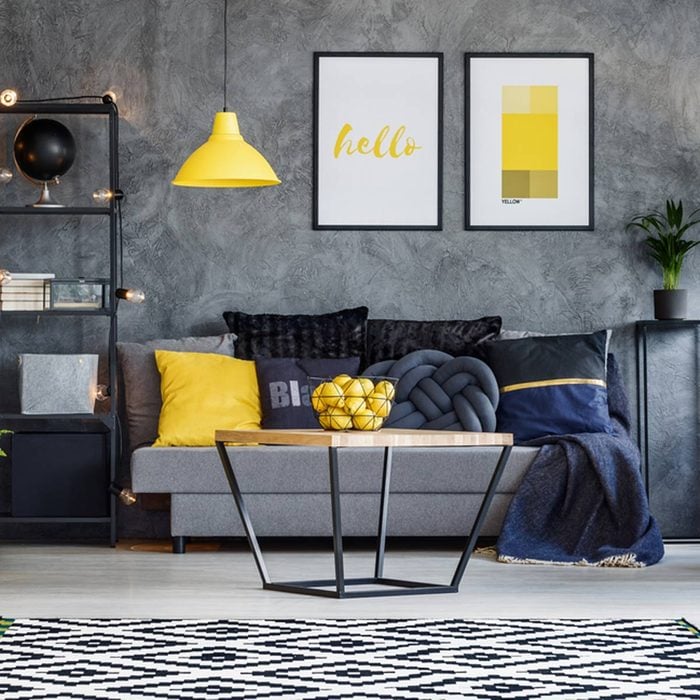
Choose textures that fit the room’s theme. Smooth walls suit minimalist or modern designs. Rough walls fit cozy, rustic, or vintage rooms.
- Use smooth textures in small or bright rooms to keep them open.
- Pick rough textures for large rooms to add interest.
- Match texture color with furniture and decorations.
- Think about how the texture feels to touch in living spaces.
Credit: www.familyhandyman.com
Color Selection For Impact
Choosing the right color for an accent wall can change a room’s feel. Colors create mood and draw attention.
Understanding how colors work with textures helps you make the best choice for your space.
Bold Vs. Subtle Shades
Bold shades make a strong statement and add energy to a room. Subtle shades create calm and blend in.
- Bold colors: bright red, deep blue, rich green
- Subtle colors: soft beige, light gray, pale pastels
- Bold shades highlight texture details well
- Subtle shades soften the look of rough textures
Complementing Existing Decor
Pick colors that match or enhance your current furniture and decorations. This keeps the room balanced.
| Decor Style | Good Accent Colors | Colors to Avoid |
| Modern | Charcoal, navy, white | Neon, overly bright shades |
| Rustic | Earth tones, warm browns | Cold blues, stark whites |
| Minimalist | Soft grays, muted pastels | Busy patterns, bright colors |
Using Contrast Effectively
Contrast draws the eye and makes textures pop. Use light colors with dark textures and vice versa.
Tips for Contrast:
- Pair dark wood with light paint
- Use white walls with dark stone texture
- Avoid colors too close in tone to the texture
- Test colors in different lighting before deciding
Material Options For Accent Walls
Accent walls add style and focus to any room. Choosing the right material shapes the room’s feel.
This guide covers natural, synthetic, and mixed materials for accent wall designs.
Natural Materials
Natural materials bring warmth and texture. Wood, stone, and brick create timeless looks.
- Wood offers a rustic or modern style depending on finish.
- Stone adds a rough, earthy texture to walls.
- Brick brings an industrial or cozy charm.
- Bamboo gives an eco-friendly, unique pattern.
Synthetic Alternatives
Synthetic materials mimic natural looks with easier care. They suit many budgets and tastes.
| Material | Look | Care |
| Vinyl Panels | Wood or stone | Wipe clean |
| 3D Wall Tiles | Modern geometric | Dust regularly |
| Wallpaper | Varied patterns | Replace easily |
| Laminate | Wood or stone | Resistant to stains |
Combining Materials Creatively
Mixing materials adds depth and interest. You can blend textures or colors for a fresh look.
Try these creative combos:
- Wood panel with metal trims
- Brick and painted drywall sections
- Stone base with wallpaper above
- Textured panels paired with smooth paint
Techniques To Apply Texture
Adding texture to an accent wall can change a room’s whole look. It creates depth and interest with simple methods. You can choose from easy DIY ideas or professional styles.
Different tools and materials help you get the right texture. Some techniques use paint, plaster, or special brushes. Learn which way fits your space and skill level best.
Diy Methods
DIY texture techniques let you personalize your wall easily. You can use household items or basic tools. These methods save money and add a unique touch.
- Sponging: Dab paint with a sponge for a soft texture.
- Rag Rolling: Roll a rag over wet paint for a streaky effect.
- Stippling: Use a stiff brush to tap paint for a dotted look.
- Comb Technique: Drag a comb through wet plaster for lines.
- Sand Paint: Mix sand with paint for a rough finish.
Professional Finishes
Professional finishes use advanced materials and skills. They offer smooth or complex textures. These finishes last longer and look polished.
- Venetian Plaster: A smooth, marble-like surface with shine.
- Knockdown Texture: A soft, flattened pattern made with drywall mud.
- Sand Swirl: Circular patterns created with a brush and sand plaster.
- Stucco: Thick, rough plaster for a rustic look.
- Metallic Texture: Paint with metallic powders for shimmer.
Tools And Supplies Needed
| Tool | Use | Tip |
| Sponge | Apply or dab paint | Use natural sea sponge for best effect |
| Brushes | Stippling or combing texture | Choose stiff bristles for stippling |
| Putty Knife | Spread plaster or drywall mud | Use flexible blade for smooth finish |
| Roller | Apply base paint or sand paint | Use nap length based on texture size |
| Plaster | Create thick texture layers | Mix as per instructions for best results |
Lighting To Enhance Texture
Lighting plays a big role in showing off accent wall textures. Good light makes textures stand out and look more interesting.
Choosing the right light can change how your wall feels and looks. It brings out details that you might miss in poor lighting.
Natural Light Benefits
Natural light gives a soft and even glow to textured walls. It highlights textures without making them look harsh.
Sunlight changes during the day, adding a fresh look to your accent wall. This keeps the room feeling lively and bright.
Accent Lighting Ideas
Accent lighting focuses light on your textured wall. Use spotlights or track lights to point light at the wall.
Warm light bulbs add cozy tones, while cool bulbs make textures pop with clear edges.
- Use adjustable spotlights to change focus
- Install wall washers for even light spread
- Add dimmers to control light strength
- Try LED strips for soft side lighting
Shadow Play And Depth
Shadows add depth and drama to textured walls. Light coming from the side makes shadows that show off the texture.
Changing light angles creates different shadow effects. This makes your accent wall look new and exciting at different times.
- Place lights at a low angle for long shadows
- Use multiple light sources for layered shadows
- Mix soft and sharp light for texture contrast
Credit: www.homesandgardens.com
Furniture And Decor Pairing
An accent wall with texture adds depth to your room. Pairing furniture and decor with it needs careful thought. This helps create a balanced and attractive space.
Choose items that enhance the wall’s texture. This ensures harmony in your room’s design. Follow these tips to achieve the best look.
Balancing Textures In The Room
Balance is key when mixing textures. Use smooth surfaces with a textured accent wall. This creates a pleasing contrast.
Opt for soft furnishings like cushions and rugs. They soften the room and complement the wall. This keeps the room inviting.
- Pair rough walls with smooth furniture
- Use soft textures for warmth
- Mix different materials like wood and metal
Choosing Complementary Pieces
Pick furniture that complements the wall’s color. Neutral furniture works well with bold walls. It tones down the intensity.
Decor pieces should echo the wall’s texture. This creates a cohesive look. Choose items that share similar tones or patterns.
| Wall Texture | Suggested Furniture |
| Brick | Leather sofa |
| Wood | Metal coffee table |
| Stone | Glass decor |
Avoiding Cluttered Looks
Too much decor can clutter the space. Keep accessories minimal. This lets the accent wall shine.
Choose a few statement pieces. They should stand out without overpowering the wall. This keeps the room tidy and stylish.
- Limit decor to three key items
- Use open space to highlight the wall
- Select functional decor with purpose
Maintenance And Longevity
Accent wall textures add character to any room. Proper care ensures they last. Regular maintenance keeps them looking fresh.
Understanding how to clean and repair them is key. Here are some simple tips to help maintain your textured walls.
Cleaning Textured Walls
Textured walls can gather dust and dirt. Cleaning them correctly keeps them beautiful.
Use a soft brush attachment on your vacuum. This removes loose dust without damaging the texture.
- Dust regularly to prevent buildup.
- Use a damp cloth for spot cleaning.
- Avoid harsh chemicals that can harm the texture.
Repair Tips For Damage
Textured walls may get damaged over time. Small repairs can save you from bigger issues.
For small dents, use spackle. Apply it gently with a putty knife. Sand it lightly once dry to match the texture.
- Check walls regularly for cracks or holes.
- Use matching paint to cover repaired spots.
- Seek professional help for large damage.
Keeping Texture Fresh Over Time
Maintaining the freshness of textured walls is important. Simple steps can help keep them vibrant.
Avoid direct sunlight to prevent fading. Use curtains or blinds to block harsh rays.
- Repaint every few years for a fresh look.
- Avoid hanging heavy items that can damage texture.
- Use furniture pads to prevent scratches.

Credit: uwdecals.com
Frequently Asked Questions
What Materials Work Best For Accent Wall Textures?
Popular materials include wood panels, stone veneers, brick, and textured paint. These add depth and character to your accent wall. Choose materials that complement your room’s style and color scheme for a cohesive look.
How To Choose The Right Texture For An Accent Wall?
Consider your room’s size, lighting, and existing décor. Smooth textures suit modern styles, while rough or patterned textures add warmth and interest. Test samples before deciding to ensure the texture enhances your space.
Can Accent Wall Textures Affect Room Ambiance?
Yes, textured walls add visual interest and depth. They create focal points and influence mood by adding warmth, sophistication, or rustic charm. Proper lighting enhances these effects, making your room feel inviting and stylish.
How To Maintain Textured Accent Walls?
Regular dusting and gentle cleaning with mild soap preserve textures. Avoid abrasive tools to prevent damage. Seal porous materials like stone or wood to protect against stains and moisture for long-lasting beauty.
Conclusion
Accent wall textures add depth and style to any room. Choose patterns that match your space and taste. Mix colors and materials for a unique look. Keep it simple to avoid overwhelming the room. Small changes can make a big difference.
Try different ideas to see what feels right. Enjoy creating a space that reflects your personality. Texture styling brings life and warmth to your walls. Experiment and have fun with your accent wall design.