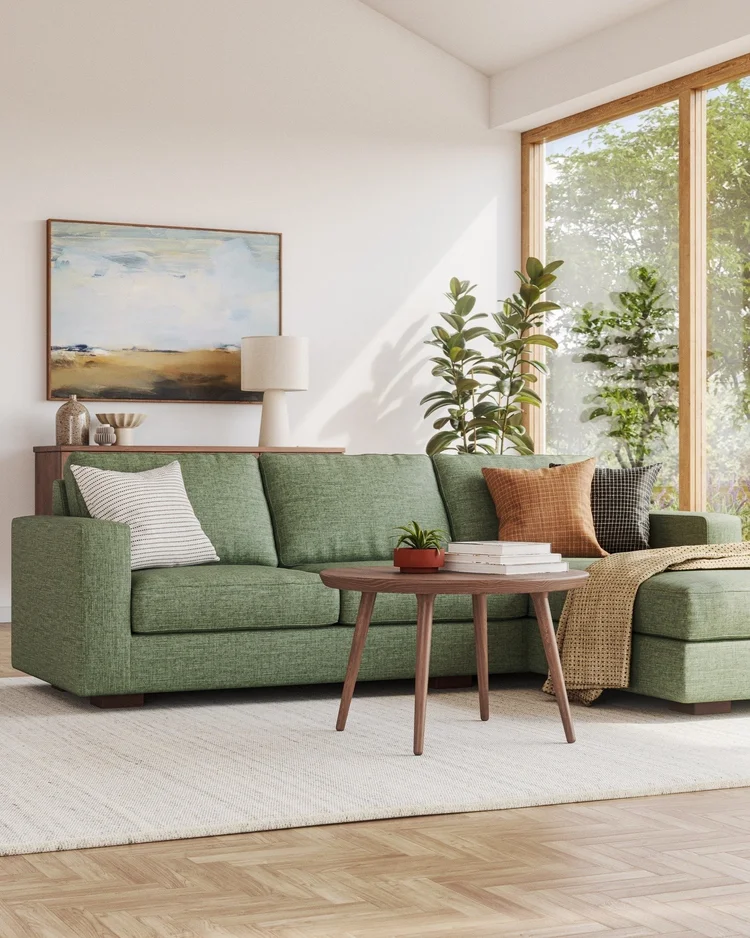
Have you ever wondered how the furniture you choose affects the planet? Your choices matter more than you might think.
When you pick sustainable furniture, you’re not just decorating your space—you’re making a statement that values the environment and future generations. This article will show you simple ways to spot truly sustainable furniture and why it’s worth your attention. Ready to transform your home and make a positive impact?
Keep reading to discover how your furniture can be both beautiful and kind to the Earth.
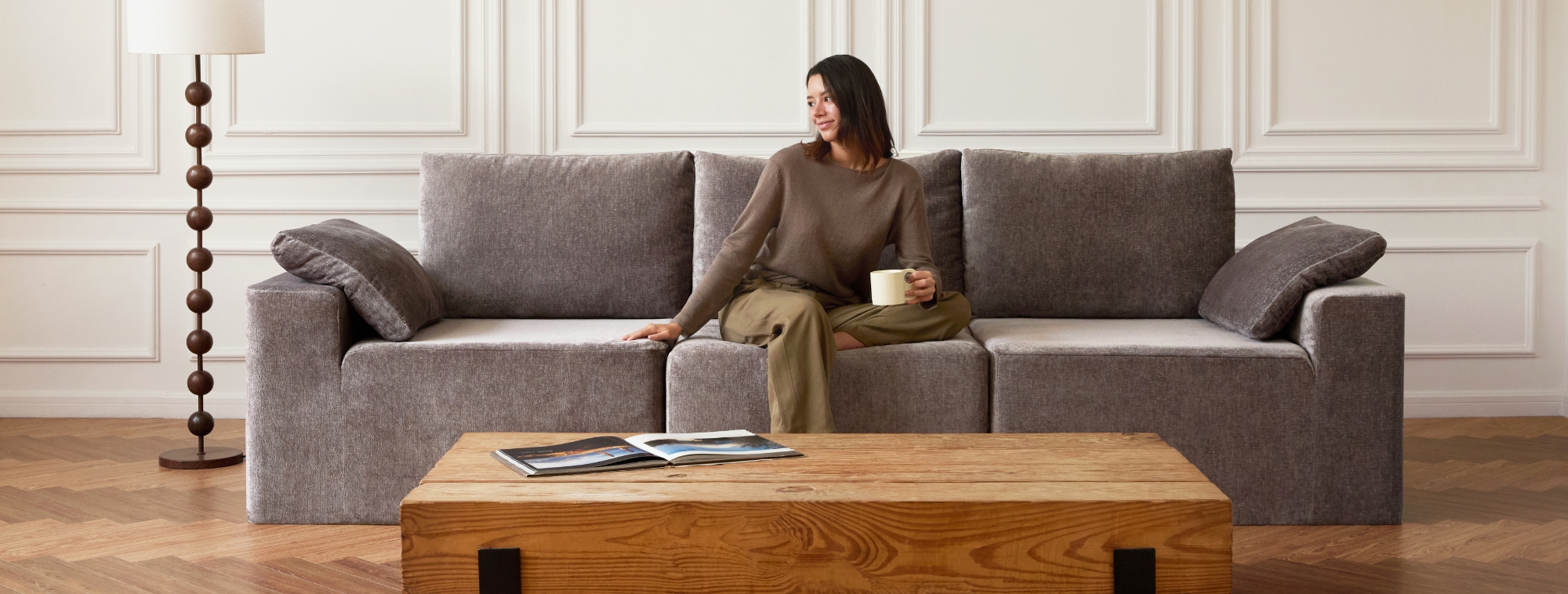
Credit: www.thesofareview.com
Eco-friendly Materials
Using eco-friendly materials in furniture helps protect the planet. These materials reduce waste and save resources.
Choosing the right materials makes furniture more sustainable. It also supports a healthier environment for future generations.
Sustainable Wood Sources
Sustainable wood comes from forests that are carefully managed. These forests grow trees at a healthy rate without harming the land.
Certified wood ensures the source follows strict rules. This protects wildlife and keeps forests healthy for years.
- FSC-certified wood supports responsible forestry
- Reclaimed wood reduces the need for new trees
- Bamboo grows quickly and is a strong alternative
Recycled And Upcycled Components
Recycled materials use old products to make new furniture parts. This lowers waste and saves raw materials.
Upcycled components give new life to discarded items. This process creates unique furniture with less environmental impact.
- Recycled metal reduces mining and energy use
- Upcycled wood adds character and reduces waste
- Recycled plastic helps keep oceans and land clean
Natural Fibers And Fabrics
Natural fibers come from plants and animals. They break down easily and do not pollute the earth.
Using organic fabrics avoids harmful chemicals. These fabrics are better for your health and the environment.
- Cotton, linen, and hemp grow without many pesticides
- Wool and silk come from renewable animal sources
- Jute and coir are strong fibers from plants
Design For Longevity
Furniture made to last reduces waste and saves money. It also keeps homes looking good for years.
Design for longevity means choosing styles and materials that stand the test of time. It also means making pieces easy to fix and adapt.
Timeless Styles
Timeless furniture uses simple shapes and neutral colors. These pieces fit many rooms and stay stylish over decades.
Durability And Quality
Good furniture is built with strong materials and careful work. This makes it last through daily use and moves.
- Solid wood frames resist damage
- High-quality joints keep pieces tight
- Durable finishes protect surfaces
- Reliable hardware lasts longer
Modular And Repairable Pieces
Furniture that can be changed or fixed stays useful. Modules let you add or remove parts easily.
| Feature | Benefit |
| Replaceable cushions | Keep comfort without new furniture |
| Swappable legs | Change height or style quickly |
| Standard screws | Make repairs simple with common tools |
Manufacturing Practices
Furniture sustainability starts with how pieces are made. Good manufacturing uses less harm to nature. It keeps resources safe and reduces waste.
Many companies now choose smart ways to build furniture. These ways help protect the planet. They also save money and energy.
Low-impact Production Methods
Low-impact production means using materials and tools that do little harm. This helps keep the environment clean. It also lowers pollution and waste.
Examples include using natural wood and eco-friendly finishes. These choices avoid toxic chemicals and protect forests.
- Use sustainably sourced wood
- Apply water-based or natural finishes
- Choose recycled or reclaimed materials
- Reduce harmful chemical use
Waste Reduction Strategies
Waste reduction means making less trash during furniture making. This saves resources and cuts costs. It also keeps landfills smaller.
Companies can reuse scraps and recycle materials. They can also design to use wood efficiently and avoid extra cuts.
- Recycle wood scraps and metal parts
- Reuse leftover materials for small pieces
- Plan cuts to minimize waste
- Donate unused materials to community projects
Energy-efficient Processes
Energy-efficient processes use less power to make furniture. This lowers carbon emissions and saves money. It also helps fight climate change.
Using machines that need less electricity and turning off tools when not used are common steps. Some factories use solar or wind energy.
- Use energy-saving machines and tools
- Turn off equipment when idle
- Install LED lighting in work areas
- Use renewable energy sources like solar
Certifications And Standards
Furniture sustainability depends on trusted certifications. These labels show products meet strict environmental rules. They help buyers choose eco-friendly furniture.
Certifications focus on materials, production, and safety. They make sure furniture is safe and kind to the planet.
Forest Stewardship Council (fsc)
The FSC label means wood comes from well-managed forests. These forests protect wildlife and respect workers.
FSC ensures the wood is harvested in a way that keeps forests healthy. It helps stop illegal logging and deforestation.
- Protects forest ecosystems
- Supports local communities
- Ensures legal and responsible wood use
Greenguard And Other Safety Labels
Greenguard certification tests furniture for low chemical emissions. This means the furniture is safer for indoor air quality.
Other safety labels check for harmful substances. They make sure furniture meets health and safety rules.
- Reduces toxic chemicals in furniture
- Improves indoor air quality
- Protects human health
Cradle To Cradle Certification
This certification looks at the whole product life cycle. It checks if materials can be reused or recycled safely.
Cradle to Cradle promotes products that are good for the environment. It encourages waste-free and safe material use.
- Uses safe and recycled materials
- Supports product reuse and recycling
- Focuses on continuous environmental improvement
Benefits Of Sustainable Furniture
Sustainable furniture offers many advantages for your home and the environment. It focuses on using eco-friendly materials and processes. This can lead to healthier indoor spaces and a better planet.
By choosing sustainable options, you contribute to reducing waste and conserving natural resources. Let’s explore some key benefits of sustainable furniture.
Health And Indoor Air Quality
Sustainable furniture often uses materials that are free from harmful chemicals. This leads to improved indoor air quality, which is crucial for health.
- Uses non-toxic finishes
- Reduces allergens in the home
- Promotes a healthier living environment
Environmental Impact Reduction
Sustainable furniture helps in cutting down environmental harm. It uses materials that are renewable and recyclable.
| Material | Benefit |
| Bamboo | Fast-growing and renewable |
| Recycled Metal | Reduces mining impacts |
| Reclaimed Wood | Prevents deforestation |
Economic Advantages
Investing in sustainable furniture can be cost-effective in the long run. These items are often durable and require less frequent replacement.
Trends In Eco-friendly Living
Eco-friendly living is becoming more popular. People want to protect the planet. They choose products that are good for the environment.
Furniture is part of this movement. Sustainable furniture is made from recycled or natural materials. It lasts longer and reduces waste.
Minimalist And Zero Waste Lifestyles
Minimalism means owning fewer things. It focuses on quality over quantity. This lifestyle reduces clutter and waste.
Zero waste aims to send nothing to landfills. People choose furniture that can be reused or recycled. They avoid items with lots of packaging.
- Buy only what you need
- Choose durable items
- Avoid disposable products
Smart Home Integration
Smart homes use technology to save energy. They have devices that control lights, heating, and cooling. This reduces energy use and costs.
Smart furniture can charge devices or adjust to your needs. It helps create a sustainable living space.
- Smart thermostats save energy
- LED lights use less power
- Automated blinds control sunlight
Community And Sharing Economies
Sharing economies let people borrow or rent items. This reduces the need to buy new things. Furniture rentals are part of this trend.
Communities can share resources. They may swap furniture or tools. This helps reduce waste and saves money.
- Rent furniture for short-term needs
- Join local swap meets
- Share tools with neighbors
Tips For Choosing Sustainable Furniture
Choosing sustainable furniture helps protect the environment and supports ethical practices. It also ensures that the pieces you buy last longer and have less impact on the planet.
Learn how to make smart choices by researching brands, checking product lifecycles, and supporting local artisans.
Researching Brands And Materials
Look for brands that use eco-friendly materials like reclaimed wood or recycled metals. Check if they have certifications for sustainability.
- Choose furniture made from natural, renewable materials
- Avoid products with harmful chemicals or finishes
- Read reviews about the brand’s environmental policies
- Check if the company donates or supports green causes
Evaluating Product Lifecycles
Understand how long a piece of furniture will last and how it can be reused or recycled. Durable furniture reduces waste.
| Stage | What to Check |
| Material | Is it renewable or recycled? |
| Production | Does the process use low energy? |
| Use | Is the furniture durable and easy to repair? |
| End of Life | Can it be recycled or reused? |
Supporting Local Artisans
Buying from local artisans helps reduce transport emissions. It also supports traditional skills and local economies.
Benefits of Supporting Local Artisans:
- Lower carbon footprint due to less shipping
- Unique and handcrafted furniture pieces
- Boosts local jobs and communities
- Often uses local, natural materials

Credit: archipro.com.au
Future Of Sustainable Furniture
The furniture industry is moving toward sustainability to protect the environment. New ideas and practices help reduce waste and use resources wisely.
Sustainable furniture will be made with better materials, designed to last, and created with care for the planet and people.
Innovations In Materials
New materials are changing how furniture is made. These materials are eco-friendly and often come from natural or recycled sources.
- Bamboo grows fast and is strong for chairs and tables.
- Recycled plastics turn waste into useful furniture parts.
- Natural fibers like hemp and wool add comfort and reduce pollution.
- Biodegradable foams replace harmful synthetic cushions.
Circular Economy Models
Furniture companies use circular models to keep products in use longer. This helps lower waste and saves resources.
| Model | Description | Benefit |
| Repair | Fix broken furniture instead of throwing it away. | Reduces landfill waste. |
| Reuse | Sell or donate used furniture for new users. | Extends product life. |
| Recycle | Turn old furniture into raw materials. | Conserves natural resources. |
| Rent | Offer furniture for short-term use. | Less production demand. |
Consumer Awareness And Demand
People want furniture that is good for the planet. They look for products made with care and respect for nature.
Consumers check for:
- Eco-friendly labels and certifications
- Information on materials used
- Brands that share their sustainability goals
- Options for recycling or returning old furniture

Credit: www.sustainably-chic.com
Frequently Asked Questions
What Makes Article Furniture Sustainable?
Article Furniture uses eco-friendly materials and ethical production. They focus on durability, reducing waste, and minimizing environmental impact.
How Does Article Furniture Reduce Environmental Impact?
They source responsibly, use recycled materials, and optimize shipping. Their practices lower carbon footprint and promote long-lasting furniture.
Why Choose Article Furniture For Eco-conscious Buyers?
Article offers stylish, high-quality pieces with sustainable practices. They combine design, durability, and environmental responsibility for mindful consumers.
Are Article Furniture Products Made From Recycled Materials?
Yes, many pieces incorporate recycled wood and fabric. This supports waste reduction and resource conservation in furniture production.
Conclusion
Choosing sustainable furniture helps protect our planet for future generations. It supports responsible use of materials and reduces waste. Sustainable furniture often lasts longer and saves money over time. Every small choice adds up to a big difference. Think about the impact of your furniture on the environment.
Simple steps lead to a healthier home and Earth. Sustainability in furniture is more than a trend; it’s a smart way to live. Make thoughtful decisions that benefit both you and nature.