When planning your home, one question might be on your mind: What’s the average kids bedroom size? Knowing the right size can make a big difference in how comfortable and functional your child’s space feels.
You want a room that’s just right—not too cramped, but not so big it feels empty or hard to keep cozy. You’ll discover the ideal dimensions for kids’ bedrooms and practical tips to make the most of the space you have.
Keep reading to create a room your child will love and you’ll feel good about.
Typical Bedroom Sizes For Kids
Children’s bedroom sizes vary depending on space and needs. Knowing typical dimensions helps plan a comfortable room.
We will look at common sizes for small, medium, and large kids’ bedrooms. This guide can help you decide what fits best.
Small Bedroom Dimensions
Small bedrooms for kids usually measure between 70 and 90 square feet. These rooms fit a bed and some storage but little extra space.
- Typical size: 7 ft by 10 ft (70 sq ft)
- Fits a twin bed and small dresser
- Limited room for play or extra furniture
- Good for toddlers or single-use rooms
Medium Bedroom Dimensions
Medium bedrooms range from 100 to 130 square feet. They offer more room for toys and a desk.
| Size | Dimensions (ft) | Square Feet |
| Small Medium | 10 x 10 | 100 |
| Standard Medium | 11 x 12 | 132 |
| Large Medium | 10 x 13 | 130 |
These sizes suit growing kids who need space for study and sleep. You can add shelves or a small play area.
Large Bedroom Dimensions
Large kids’ bedrooms measure 140 square feet or more. They have space for multiple furniture pieces and play zones.
Common features in large bedrooms:
- Bed with side tables
- Study desk and chair
- Bookshelves or storage units
- Play or lounge area
These rooms provide a comfortable environment for both rest and activities. They work well for older kids or shared rooms.
Factors Influencing Bedroom Size
The size of a kid’s bedroom depends on many things. Parents should think about how the room will be used.
Choosing the right size helps the child feel comfortable and have enough space for daily activities.
Age And Growth Considerations
Kids grow fast, so their bedroom size needs to change over time. Younger children need less space than older kids.
As children get older, they need more room for study and personal items. Planning for growth helps avoid frequent changes.
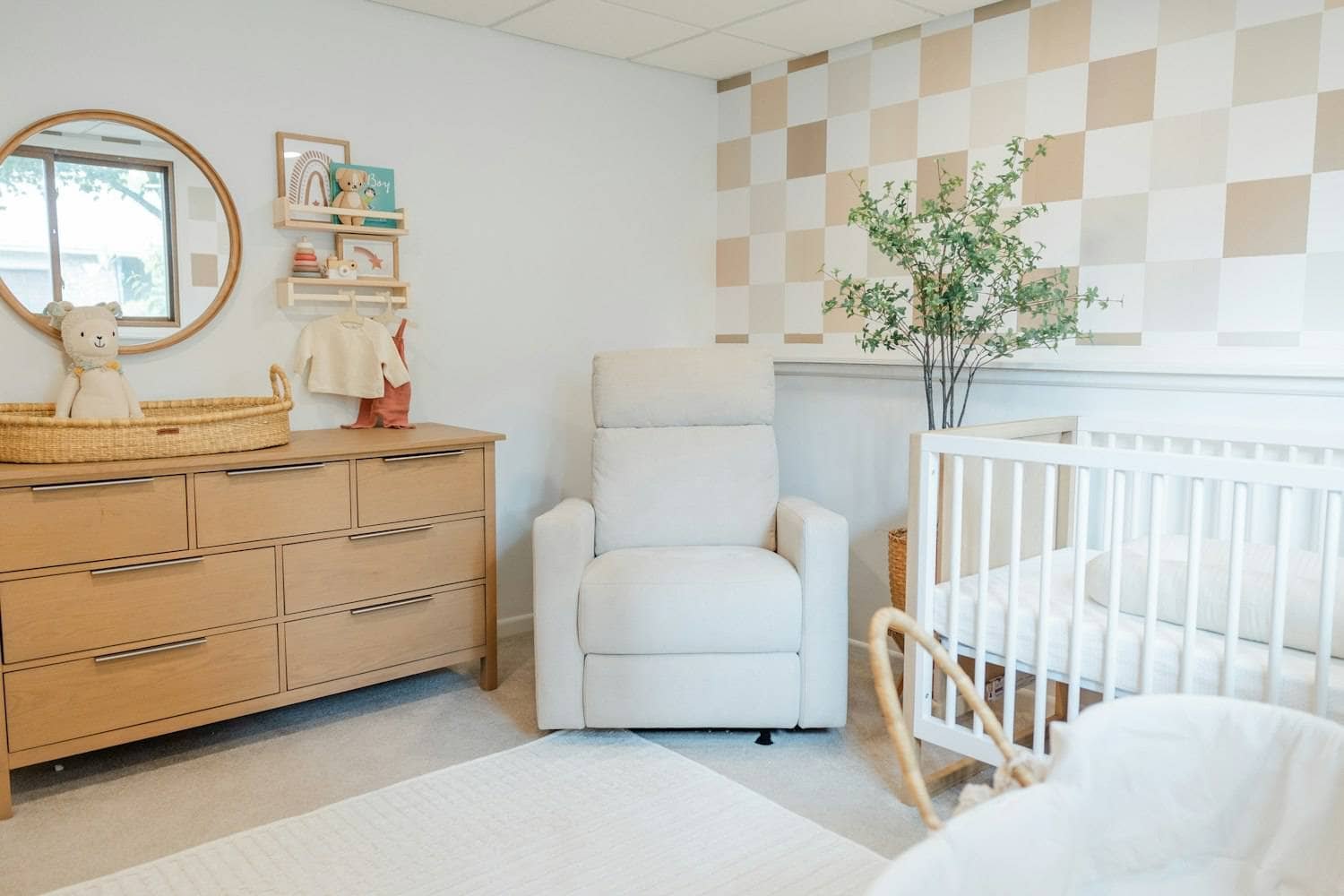
- Infants need a small space for crib and changing area
- Toddlers require more room to move and play
- Preteens need space for a desk and storage
- Teenagers want a bigger room for privacy and hobbies
Furniture And Storage Needs
Furniture size and storage options affect bedroom space. Beds, desks, and wardrobes must fit well without crowding.
Good storage helps keep the room tidy and gives kids space to organize their things.
- Choose beds that fit the room without blocking paths
- Use shelves and drawers to save floor space
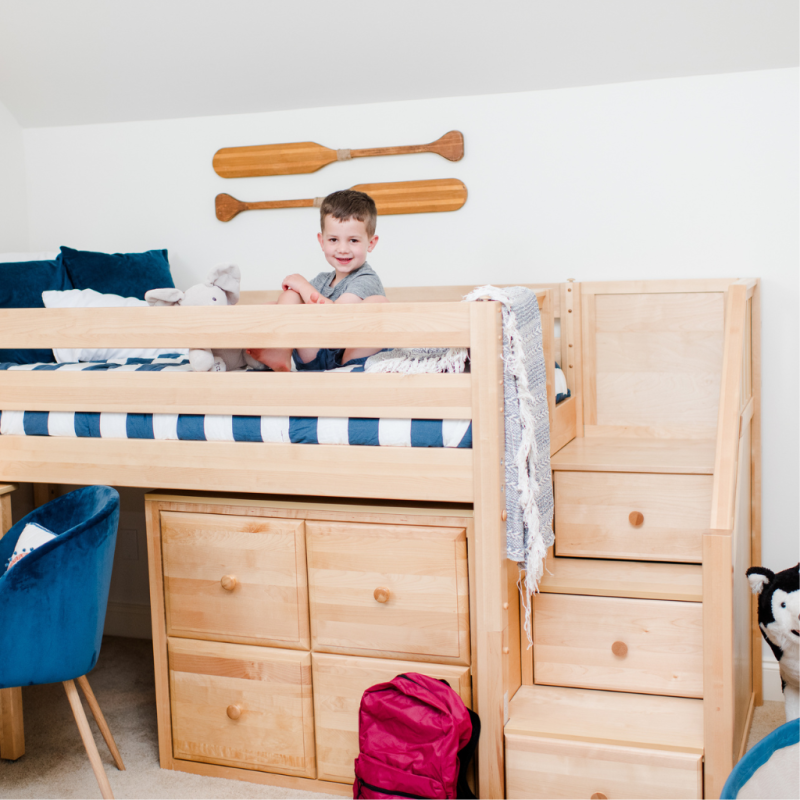
- Consider multi-purpose furniture like beds with storage
- Leave space for easy movement around furniture
Activity And Play Space
Kids need room to play and do hobbies. A larger open area helps them stay active and creative.
Space for activities varies by age and interests. A good bedroom allows for fun without feeling cramped.
- Leave enough floor space for toys and games
- Add a small table for crafts and homework
- Consider areas for reading or quiet time
- Keep space flexible for changing activities
Design Tips For Comfort
Kids’ bedrooms should feel cozy and safe. The right design makes a room both fun and restful.
Average kids’ bedrooms are usually small. Smart design helps use space well and keep comfort.
Maximizing Space Efficiency
Small rooms need clever ideas to save space. Keep the floor clear for playing and moving.
Use wall shelves and hooks to store toys and books. This frees up floor space.
- Use under-bed storage boxes for clothes or toys
- Choose multi-purpose furniture like beds with drawers
- Keep only needed items in the room
Choosing The Right Furniture
Pick furniture that fits the room size. Avoid big pieces that block walking paths.
Simple designs with soft edges keep the room safe and open. Choose lightweight items to move easily.
- Use a small desk for homework and crafts
- Pick a bed with built-in storage
- Choose chairs that fit the child’s size
Lighting And Ventilation
Good lighting helps kids read and play without eye strain. Use natural light as much as possible.
Keep fresh air flowing to make the room healthy. Open windows or use fans if needed.
- Place the bed near a window for natural light
- Use soft night lights for bedtime
- Ensure windows open safely for air flow
Credit: www.gltc.co.uk
Safety And Accessibility
Designing a child’s bedroom means focusing on safety and easy access. The room should protect kids from harm and make daily tasks simple.
Average kids bedroom sizes allow enough space to move safely. Thoughtful planning helps create a secure and accessible environment.
Childproofing Essentials
Childproofing keeps children safe from sharp edges and toxic materials. Use covers on electrical outlets and secure furniture to walls.
Remove small objects that a child could swallow. Choose non-toxic paints and materials for the room.
- Outlet covers on all sockets
- Secure heavy furniture to walls
- Soft corner guards on sharp edges
- Non-toxic paint and finishes
- Remove choking hazards
Easy Access To Essentials
Kids should reach toys, books, and clothes without help. Use low shelves and bins to keep items organized.
Clear pathways help children move safely. Avoid placing items that block doors or windows.
- Low shelves for toys and books
- Bins labeled with pictures
- Clear floor space for walking
- Easy-to-open closet doors
Safe Layout Planning
Arrange furniture to create open space. Keep beds away from windows and heaters to prevent accidents.
Leave enough room for play and movement. Plan lighting to avoid dark corners and shadows.
- Place bed away from windows
- Keep heater and cords out of reach
- Allow space for play and walking
- Use night lights for safe movement
Customizing For Multiple Kids
Designing a bedroom for more than one child can be tricky. You need to use space well and keep each child happy.
Knowing the average room size helps you plan beds, storage, and play areas for multiple kids.
Shared Bedroom Dimensions
Most shared kids’ bedrooms are about 120 to 180 square feet. This size fits two kids comfortably.
Rooms around 10 by 12 feet or larger allow enough space for beds and some storage.
- 10 x 12 feet: Fits two twin beds and small storage
- 12 x 15 feet: Room for beds, desks, and play space
- 15 x 15 feet: Extra space for larger furniture or shared activities
Space-saving Solutions
Use beds that save space like bunk beds or loft beds. These free up floor room for other uses.
Choose storage that fits under beds or hangs on walls. This keeps the floor clear for play.
- Bunk beds use vertical space for two beds
- Loft beds create space underneath for desks or storage
- Wall shelves hold books and toys without using floor space
- Under-bed drawers store clothes and toys neatly
Personalizing Each Space
Kids need their own space to feel special. Give each child a unique area in the room.
Use colors, decorations, or small furniture pieces to mark each child’s space clearly.
- Different colored bedding or rugs for each child
- Personal wall art or photos above each bed
- Separate desks or nightstands for privacy
- Use dividers or curtains to create small private areas

Credit: www.maxtrixkids.com

Credit: www.maxtrixkids.com
Frequently Asked Questions
What Is The Average Size Of A Kids Bedroom?
The average kids bedroom size ranges from 100 to 150 square feet. This size allows space for a bed, storage, and play area comfortably.
How Much Space Does A Toddler Bedroom Need?
A toddler bedroom typically requires around 100 square feet. This size provides enough room for a crib, changing table, and some toys.
What Is The Ideal Bedroom Size For Two Kids?
For two kids, an ideal bedroom size is 150 to 200 square feet. This size accommodates two beds, storage, and shared play areas comfortably.
How To Maximize Space In A Small Kids Bedroom?
Use vertical storage, multifunctional furniture, and light colors. These strategies create more floor space and keep the room organized.
Conclusion
Choosing the right bedroom size helps kids feel comfortable and happy. A space that fits their needs makes playing, studying, and sleeping easier. Small rooms can feel cozy, while bigger rooms offer more freedom. Remember, it’s not just about size but how you use the space.
Keep things simple and organized to create a great environment. Every family’s needs differ, so think about what works best for yours. A well-sized bedroom supports a child’s growth and daily activities. That’s what truly matters in a kid’s room.