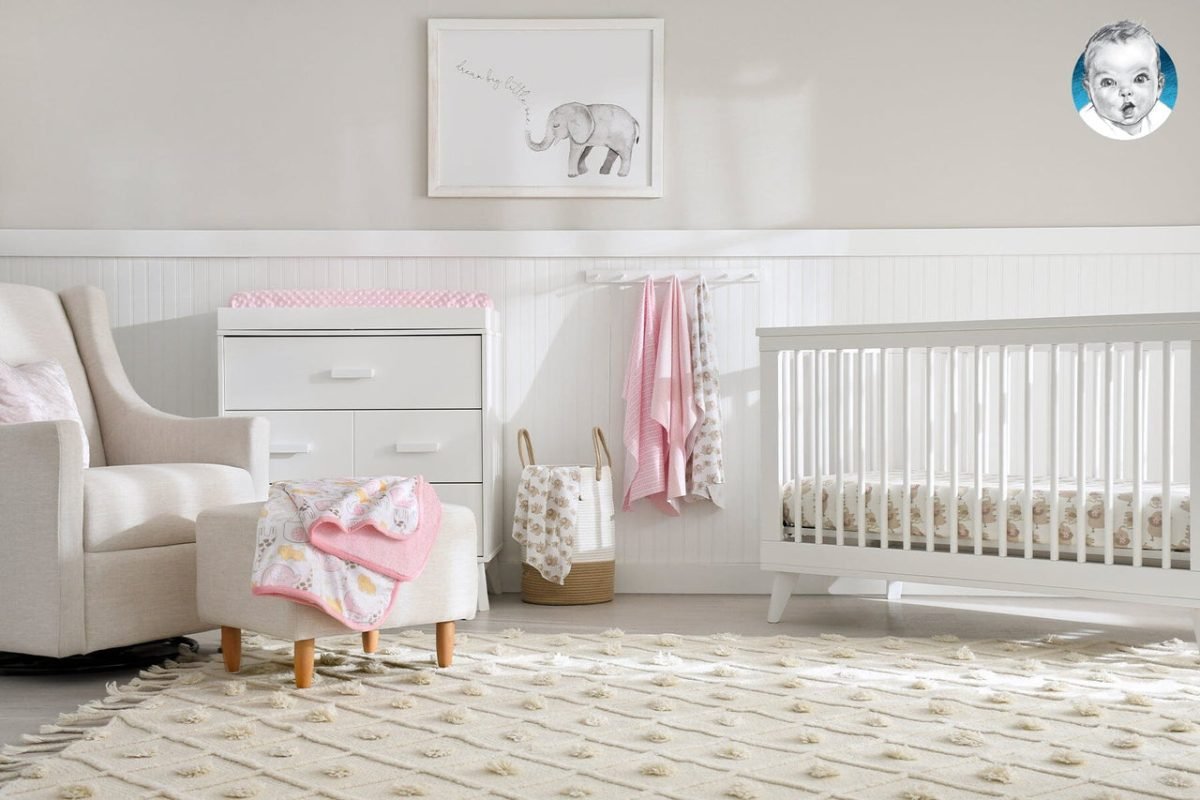
Getting your baby’s room ready can feel overwhelming. You want everything to be perfect, safe, and cozy for your little one.
But where do you start? What furniture do you really need, and what can wait? This Baby Room Furniture Checklist will guide you step-by-step. By the time you finish reading, you’ll have a clear, simple plan to create a beautiful, functional space that you and your baby will love.
Ready to make your baby’s room a dream come true? Let’s dive in!
Crib Choices
Choosing the right crib is important for your baby’s safety and comfort. Many styles fit different needs and spaces. Picking the right one helps you create a cozy room.
This checklist focuses on three main crib types. Each type has features to consider before buying. Knowing the options makes your decision easier.
Standard Cribs
Standard cribs are the most common choice. They have fixed sides and meet safety rules. These cribs are sturdy and last for many years.
They come in many styles and colors. You can find wood, metal, or painted finishes. Standard cribs fit well in most baby rooms.
Convertible Cribs
Convertible cribs change as your child grows. They turn into toddler beds or daybeds. This saves money by lasting longer than standard cribs.
These cribs offer flexibility but may cost more upfront. They need extra parts to convert. Choose a style that matches your room’s look.
- Crib to toddler bed
- Crib to daybed
- Sometimes converts to full-size bed
Portable Cribs
Portable cribs are light and easy to move. They work well for small spaces or travel. Many fold up for simple storage and transport.
These cribs often have wheels and mesh sides. They give good airflow and quick setup. Portable cribs suit parents who need flexibility.
- Lightweight for easy moving
- Foldable for storage
- Good for travel and small rooms
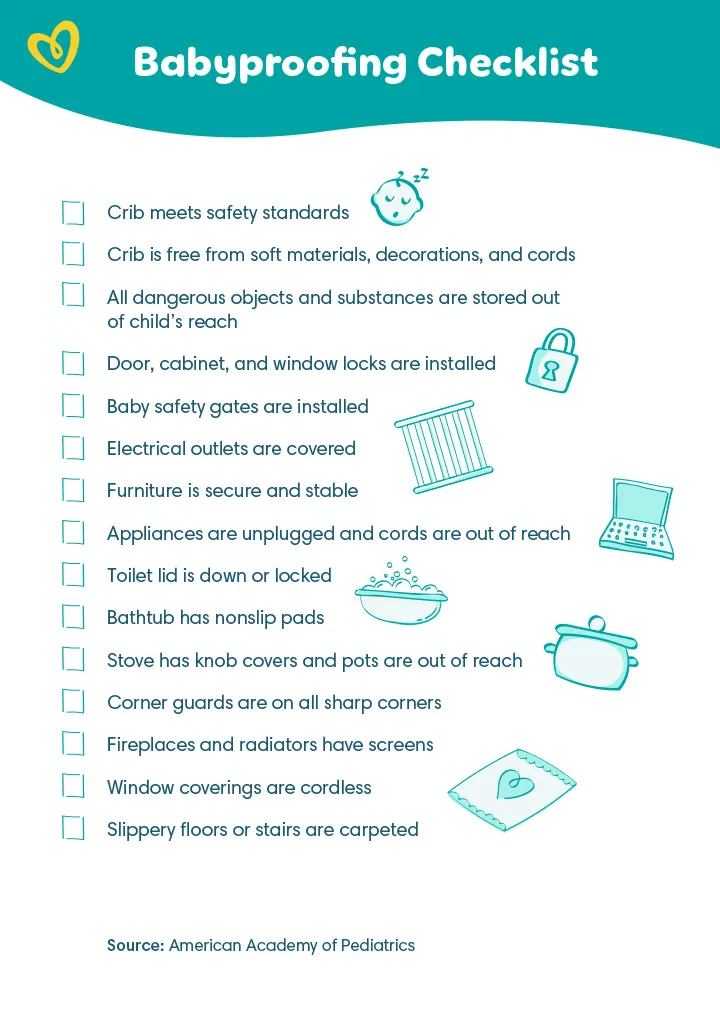
Credit: www.pampers.com
Changing Stations
Changing stations are essential in a baby’s room for quick diaper changes. They help keep everything organized and within reach.
Choosing the right type depends on space, budget, and how often you change your baby.
Changing Tables
Changing tables are designed just for diaper changes. They offer a flat, safe surface and often come with storage underneath.
- Raised edges to prevent baby from rolling off
- Built-in shelves or drawers for diapers and wipes
- Sturdy and easy to clean materials
Dresser With Changing Top
A dresser with a changing top saves space by combining storage and changing area. It helps keep clothes and diapers close together.
| Feature | Benefit |
| Large drawers | Store baby clothes and supplies |
| Changing pad on top | Safe and comfortable surface |
| Compact design | Fits small rooms well |
Portable Changing Pads
Portable changing pads are soft and foldable. They are perfect for changes on the go or small spaces.
Key tips for choosing portable changing pads:
- Easy to clean materials
- Compact and lightweight
- Secure straps to keep baby safe
- Extra pockets for wipes and diapers
Seating Options
Choosing the right seating for a baby room is important. It helps parents feed and comfort their baby.
Good seating supports long sitting times and makes the room cozy. Let’s look at two popular choices.
Gliders And Rockers
Gliders and rockers move gently to soothe babies. They are great for calming and feeding times.
Gliders slide back and forth smoothly on a fixed track. Rockers move in a curved motion on the floor.
- Gliders offer smooth, silent movement
- Rockers have a classic rocking motion
- Both provide comfort for long use
- Choose soft cushions for extra comfort
Comfortable Chairs
Comfortable chairs add extra seating for parents or visitors. They help during playtime or reading.
Look for chairs with soft fabric and good back support. Chairs with armrests make holding the baby easier.
- Soft cushions prevent discomfort
- Armrests help hold the baby securely
- Choose easy-to-clean fabrics
- Sturdy chairs add safety
Storage Solutions
Organizing a baby room needs smart storage ideas. Good storage helps keep the room tidy and safe. It also makes daily routines easier for parents and kids.
This checklist focuses on three main storage options. Dressers and cabinets, toy storage, and shelves with bins help store all baby items neatly.
Dressers And Cabinets
Dressers and cabinets hold clothes, diapers, and baby supplies. Choose pieces that fit the room and are easy to reach. Drawers with soft-close features prevent pinched fingers.
- Pick dressers with multiple drawers for sorting clothes
- Look for cabinets with adjustable shelves
- Use child-safe locks if needed
- Choose easy-to-clean materials
- Place frequently used items at the top
Toy Storage
Toys can clutter a baby room fast. Use toy storage to keep toys in one place. This helps the baby find toys and makes cleanup quicker for parents.
| Toy Type | Best Storage Option |
| Soft toys | Open baskets or bins |
| Building blocks | Clear plastic containers |
| Books | Low shelves or book racks |
| Small toys | Stackable boxes with lids |
Shelves And Bins
Shelves and bins work well for organizing baby items by type. They keep things visible and easy to grab. Use bins with labels to find items fast.
- Install shelves at baby height for easy reach
- Choose sturdy bins made of safe materials
- Label bins with pictures or words
- Group similar items in one bin
- Keep heavy items on lower shelves
Bedding Essentials
Setting up a baby room requires careful choice of bedding. Soft, safe, and comfortable bedding helps your baby sleep well.
Focus on key items like mattresses, sheets, and swaddles to ensure a cozy sleeping space.
Mattresses
Choose a firm mattress that fits snugly in the crib. It should be waterproof and easy to clean. Avoid soft or old mattresses that can be unsafe.
Sheets And Covers
Use fitted sheets made from breathable cotton. Keep extra covers handy for spills or diaper leaks. Avoid loose blankets in the crib for safety.
- Choose hypoallergenic materials
- Have at least two sets of sheets
- Use waterproof mattress protectors
- Wash sheets regularly in mild detergent
Swaddles And Blankets
Swaddles help babies feel secure and sleep better. Use lightweight blankets for extra warmth, but never cover the baby’s face.
| Item | Material | Use |
|---|---|---|
| Swaddle | Soft cotton or muslin | Wrap baby snugly for sleep |
| Light Blanket | Breathable fleece or cotton | Extra warmth outside crib |
| Heavy Blanket | Not recommended for crib | Use only under supervision |
Lighting Fixtures
Creating the right lighting for your baby’s room is important. It affects comfort and mood.
Choose fixtures that are soft and gentle on the eyes. This helps your baby relax and sleep well.
Nightlights
Nightlights provide a gentle glow. They help parents check on babies without waking them.
Choose nightlights with adjustable brightness. This ensures the light is never too harsh.
- Soft glow for a calming effect
- Energy-efficient options available
- Portable nightlights for travel
Dimmer Lamps
Dimmer lamps allow you to control light levels. This is useful for nap times and bedtime routines.
Install dimmer switches for existing lamps. This makes them adjustable without replacing the fixture.
| Benefit | Description |
| Adjustable Light | Changes brightness as needed |
| Energy Saving | Reduces power usage |
| Extended Bulb Life | Lower settings extend bulb lifespan |
Safety Features
When setting up a baby’s room, safety is key. It’s important to pick furniture and accessories that ensure your baby’s security.
From baby monitors to corner protectors, each item plays a role. Let’s explore these features to keep your little one safe.
Baby Monitors
Baby monitors help you keep an eye on your baby from another room. They come with video and audio features to alert you.
Choose models that offer clear video and sound quality. Some even have temperature sensors to monitor room conditions.
- Video monitors provide live visuals
- Audio alerts notify of any noise
- Temperature sensors ensure a comfy room
Outlet Covers
Outlet covers protect curious little fingers from electrical hazards. They fit snugly into outlets, blocking access.
Use covers that are easy for adults to remove but secure for babies. They are essential for safety in a baby’s room.
- Prevents electrical shock
- Simple to install
- Secure fit for safety
Corner Protectors
Corner protectors cushion sharp edges of furniture. They reduce the risk of injury for active toddlers.
Opt for soft, impact-absorbing materials. Install them on tables, shelves, and other furniture corners.
- Softens sharp edges
- Easy to apply and remove
- Reduces injury risk
Credit: www.thebump.com
Decor And Accessories
Decor and accessories add charm and comfort to a baby room. They create a cozy and welcoming space for your little one.
Choosing the right items helps make the room both beautiful and functional. Let’s explore key decor elements to consider.
Wall Art
Wall art brings color and personality to the baby’s room. Soft pastel prints and animal themes work well. You can also use framed photos or decals that are easy to remove.
- Choose non-toxic, baby-safe materials
- Pick soothing colors to create calmness
- Use lightweight frames for safety
- Consider removable stickers for easy updates
Rugs And Curtains
Rugs and curtains add warmth and softness to the floor and windows. They help reduce noise and control light for better naps. Choose fabrics that are easy to clean and safe for babies.
| Item | Material | Care Tips |
| Rug | Cotton or wool | Vacuum regularly, spot clean |
| Curtains | Light cotton or blackout fabric | Machine wash or dry clean |
Mobiles And Toys
Mobiles and toys entertain and stimulate your baby’s senses. Choose items with soft colors and gentle movements. Avoid small parts that can be a choking hazard.
- Hang mobiles securely above the crib
- Pick toys made from natural or BPA-free materials
- Rotate toys to keep your baby interested
- Keep toys clean and inspect for damage often

Credit: crane-baby.com
Frequently Asked Questions
What Essential Furniture Is Needed For A Baby Room?
Essential baby room furniture includes a crib, changing table, dresser, and a comfortable chair. These pieces provide safety, storage, and comfort for both baby and parents. Prioritize quality and functionality to create a practical and cozy nursery environment.
How To Choose Safe Baby Room Furniture?
Choose furniture made from non-toxic materials with smooth edges. Ensure it meets safety standards and has sturdy construction. Avoid items with small parts that can be choking hazards. Safety is crucial to protect your baby while they explore their room.
What Size Crib Is Best For A Baby Room?
A standard crib size of 28 by 52 inches fits most baby rooms well. It offers enough space for the baby to move comfortably. Also, check that the crib mattress fits snugly to prevent gaps and ensure safety.
Should I Include Storage Furniture In The Baby Room?
Yes, storage furniture like dressers and shelves help organize clothes, toys, and essentials. Proper storage keeps the nursery tidy and makes daily care easier. Opt for units with child-safe features and easy access for parents.
Conclusion
Choosing the right baby room furniture is key for comfort and safety. A crib, changing table, and storage help keep things organized. Soft lighting and a cozy chair make feeding easier. Simple and sturdy pieces suit your baby’s needs best.
Take time to plan and shop smart. Your baby’s room will feel warm and welcoming. A well-set room supports happy, healthy growth. Small steps make a big difference for your family.