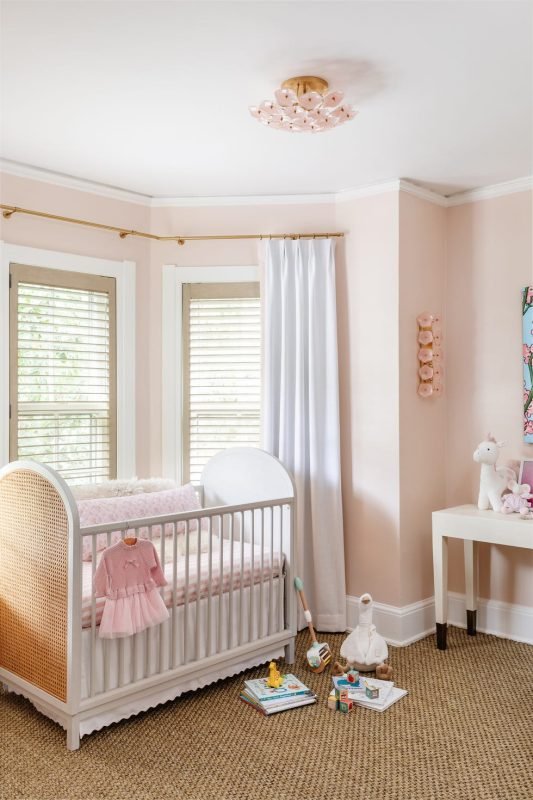
Setting up your baby’s room can feel overwhelming, but the right furniture layout makes all the difference. You want a space that feels cozy, safe, and easy to use every day.
Imagine having everything you need within reach, while still leaving room to move around freely. You’ll discover simple and smart baby room furniture layout tips that save you time and reduce stress. Keep reading to create a nursery that’s perfect for both you and your little one.
Choosing The Right Furniture
Choosing the right furniture for a baby room is important. It helps create a safe and cozy space.
Good furniture fits the room and meets your baby’s needs as they grow.
Essentials For Every Nursery
Every nursery needs a few basic pieces of furniture. A crib, a changing table, and a storage unit are must-haves.
- Crib with adjustable mattress heights
- Changing table with safety straps
- Storage shelves or drawers for clothes and toys
- Comfortable rocking chair for feeding
Space-saving Furniture Options
Small rooms need smart furniture that saves space. Choose pieces that serve more than one purpose.
| Furniture Type | Space-Saving Feature |
| Convertible Crib | Changes to toddler bed |
| Storage Ottoman | Seats and stores toys |
| Wall-mounted Shelves | Keeps floor area clear |
| Foldable Changing Table | Can be stored away |
Safe And Comfortable Materials
Choose materials that are safe and soft. Avoid sharp edges and toxic finishes.
- Use solid wood with smooth finishes
- Pick non-toxic paint and sealants
- Choose fabrics that are breathable and washable
- Check for furniture that meets safety standards
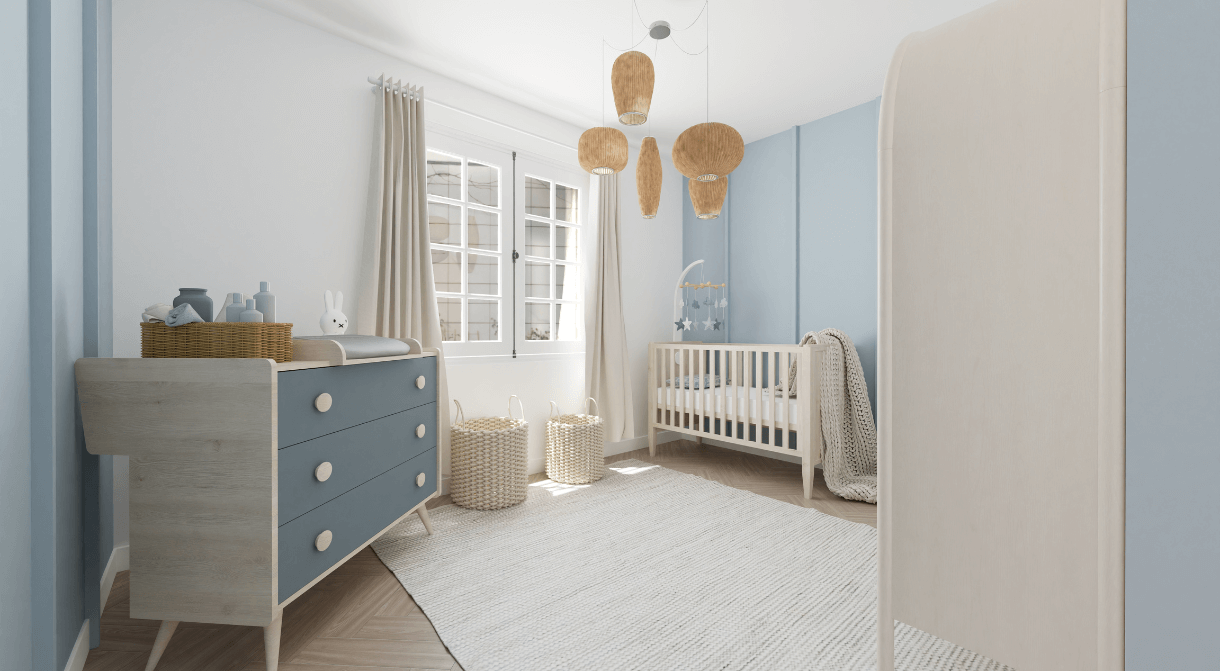
Credit: home.by.me
Optimizing Room Layout
Designing a baby room needs careful planning. A good layout makes the room safe and easy to use.
Optimizing the room layout helps in creating a calm and organized space for both baby and parents.
Maximizing Small Spaces
Small rooms can feel crowded. Use smart furniture and storage to keep space open. Choose pieces that do double work.
- Use wall shelves to free floor space
- Choose a crib with built-in storage drawers
- Pick a compact changing table
- Use baskets under furniture for toys and clothes
- Hang hooks for bags and accessories
Creating Functional Zones
Divide the room into areas for different activities. This helps keep the room tidy and easy to use.
| Zone | Purpose | Key Furniture |
| Sleeping | Rest and nap time | Crib, blackout curtains |
| Changing | Diaper changes and dressing | Changing table, diaper caddy |
| Play | Fun and learning | Soft rug, toy storage |
| Feeding | Feeding and soothing | Rocking chair, small table |
Ensuring Easy Access And Movement
Keep pathways clear for quick movement. Place often-used items within reach to save time and effort.
- Arrange furniture along the walls
- Leave at least 2 feet of walking space
- Keep night lights on for safe movement
- Store diapers and wipes near the changing table
- Use baskets or bins for quick clean-up
Designing For Comfort And Safety
Creating a baby room that feels cozy and safe is very important. Thoughtful design helps your baby sleep well and stay protected.
Use the right furniture layout and lighting to make a calm space. Safety should guide every choice you make.
Proper Crib Placement
Place the crib away from windows and cords to avoid drafts and strangulation risks. Keep it near a wall for stability but leave space for airflow.
Make sure the crib is not under shelves or heavy objects that could fall. This reduces injury chances.
Soft Lighting Solutions
Use dimmable lights or night lights to create a gentle glow in the room. Bright lights can disturb your baby’s sleep cycle.
- Install a lamp with a soft shade
- Choose bulbs with warm color tones
- Use blackout curtains to block harsh daylight
- Consider a timer for automatic light control
Childproofing Tips
| Hazard | Childproofing Action |
|---|---|
| Electrical outlets | Cover outlets with safety plugs |
| Sharp corners | Use corner guards on furniture |
| Windows | Install window locks and guards |
| Furniture stability | Anchor heavy furniture to walls |
| Small objects | Keep out of reach and clean floor often |
Incorporating Storage Solutions
Creating a baby room means adding smart storage to keep the space tidy. Good storage helps you find items fast and saves room.
Use furniture that fits your storage needs. Think about what you need close and what can be stored away safely.
Multi-use Storage Ideas
Choose furniture that does double duty. A crib with drawers or a changing table with shelves can save space. Baskets and bins can hold toys and clothes.
- Use a storage ottoman for toys and seating
- Pick a dresser that can also serve as a changing station
- Hang shelves to keep items off the floor
- Use clear bins so you see what is inside
Decluttering Strategies
Keep only what you need in the baby room. Remove outgrown clothes and unused items regularly. This keeps the room safe and tidy.
- Sort items into keep, donate, and toss piles
- Store seasonal clothes elsewhere
- Clear the floor space daily
- Use labels to find things quickly
Organizing Baby Essentials
| Item | Storage Tip | Location |
| Diapers | Use a caddy for easy access | Near changing table |
| Clothes | Fold and sort by size | Dresser drawers |
| Toys | Use bins or baskets | Low shelves or floor |
| Blankets | Roll and stack | Closet shelf |
Adding Personal And Cozy Touches
Creating a baby room is about making a safe and warm space. Adding personal touches helps the room feel cozy.
Simple details can make the room special for your baby and family. These touches bring comfort and joy.
Soft Textiles And Rugs
Soft textiles add warmth and comfort to the baby’s room. Choose gentle fabrics safe for a baby’s skin.
Rugs create a soft area for play and crawling. They also help keep the room quiet and cozy.
- Use cotton or organic fabrics for blankets and pillows
- Pick rugs with soft textures and non-slip backing
- Layer textiles for extra warmth and style
Wall Decor And Colors
Wall decor personalizes the baby room and adds interest. Use pictures, decals, or soft art pieces.
Colors affect the mood of the room. Choose gentle and soothing tones that feel calm and happy.
- Soft pastels like light blue, pink, or mint green
- Neutral colors such as beige or light gray
- Simple patterns to avoid overstimulation
Creating A Calming Atmosphere
A calm room helps your baby relax and sleep well. Use dim lighting and quiet sounds to create peace.
Add items that comfort your baby, such as soft toys and gentle mobiles. Keep the space clean and clutter-free.
- Use soft night lights instead of bright bulbs
- Choose white noise machines or soft music
- Keep furniture simple and organized
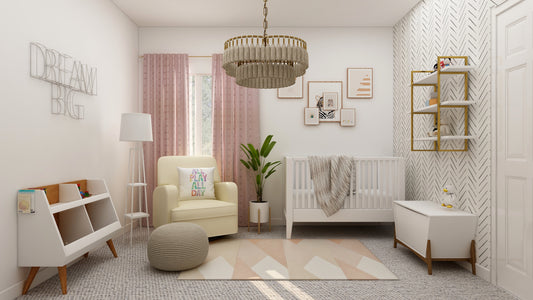
Credit: www.meetlalo.com

Credit: www.youtube.com
Frequently Asked Questions
How To Arrange Baby Room Furniture For Safety?
Place cribs away from windows and cords. Secure heavy furniture to walls. Keep walkways clear to prevent trips. Ensure soft rugs are slip-resistant. Avoid sharp-edged furniture near play areas. Safety-first layout minimizes accidents and keeps babies secure.
What Is The Best Crib Placement In A Baby Room?
Position the crib against a solid wall, away from windows. Avoid drafts and direct sunlight. Place it within easy reach of the door for monitoring. This layout ensures comfort, safety, and practical access during naps and nighttime.
How To Maximize Space In A Small Baby Room?
Use multi-functional furniture like storage beds or changing tables. Opt for vertical storage with shelves. Keep the center open for play. Choose compact, foldable pieces. This efficient layout creates more room for baby activities and storage.
Which Furniture Is Essential For A Baby Room?
A crib, changing table, comfortable nursing chair, and storage units are key. These pieces provide safety, convenience, and comfort. Including a soft rug and good lighting enhances the room’s functionality and warmth.
Conclusion
Creating a cozy and safe baby room is simple with good planning. Choose furniture that fits the space well. Keep pathways clear for easy movement. Place the crib away from windows and cords. Use soft lighting to create a calm mood.
Organize storage to keep the room tidy. Small changes can make a big difference. A well-arranged room helps both baby and parents feel comfortable. Take time to adjust the layout as your baby grows. A thoughtful room layout supports happy, restful moments.