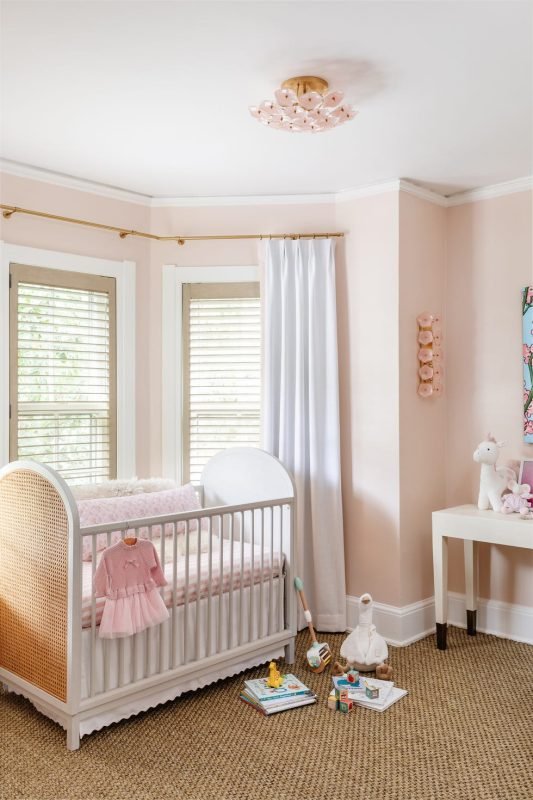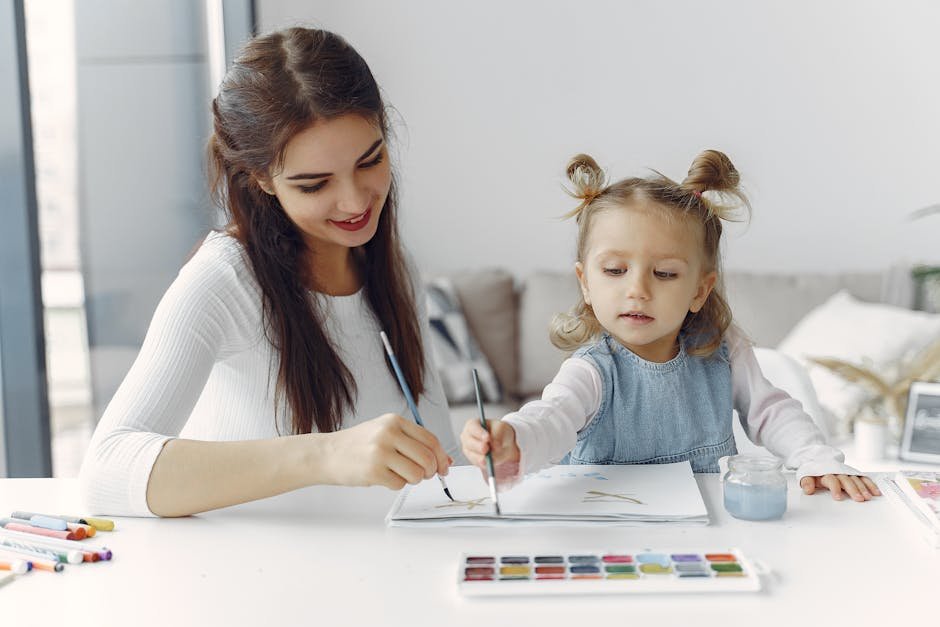
Choosing the perfect paint for your baby’s room can feel overwhelming. You want a space that feels safe, cozy, and full of joy.
But how do you pick colors that inspire calm and creativity? This guide will help you discover baby room paint ideas that match your style and your little one’s needs. Whether you want soft pastels or bold accents, you’ll find tips that make your decision easy and exciting.
Ready to transform your baby’s room into a beautiful, welcoming haven? Let’s dive in!
Choosing The Right Paint Finish
Choosing the right paint finish for a baby room affects both look and function.
The finish impacts how the walls clean and how light reflects in the room.
Matte Vs. Satin Vs. Gloss
Matte paint has no shine and hides wall flaws well.
Satin has a soft glow and is easier to clean than matte.
Glossy paint shines brightly and cleans easily but shows bumps clearly.
- Matte:Great for smooth, calm walls.
- Satin:Offers a gentle shine and better durability.
- Gloss:Best for areas needing frequent cleaning.
Durability And Cleanability
| Finish | Durability | Ease of Cleaning |
| Matte | Low | Difficult |
| Satin | Medium | Moderate |
| Gloss | High | Easy |
Gloss finishes resist stains and marks better than matte.
Safe Paint Options For Babies
Choose paints with low or no volatile organic compounds (VOCs).
- Look for labels saying “zero VOC” or “low VOC.”
- Use water-based paints to reduce fumes.
- Avoid paints with strong odors or harsh chemicals.
- Check if the paint is certified safe for children’s rooms.
Popular Nursery Color Themes
Choosing the right color theme for a baby room is important. It creates a calm and happy space for the baby.
Many parents pick colors that are soft and soothing or bold and fun. Neutral colors also work well for a cozy feel.
Soft Pastels
Soft pastel colors create a gentle and peaceful nursery. They help the baby feel relaxed and safe.
Popular pastel colors include light pink, baby blue, mint green, and soft lavender. These colors work well with white furniture.
- Light pink for a warm and sweet touch
- Baby blue for calm and cool vibes
- Mint green for freshness and balance
- Soft lavender for a dreamy feel
Bold And Bright
Bright colors bring energy and fun to the baby’s room. They create a cheerful and lively space.
Use bold colors like sunny yellow, bright orange, or vibrant turquoise. Combine them with white to avoid overwhelming the room.
- Sunny yellow for happiness and light
- Bright orange to add warmth
- Vibrant turquoise for a fresh look
- Accent walls with bold colors create interest
Neutral And Earthy Tones
Neutral and earthy colors give the nursery a warm and natural feel. These colors are timeless and easy to match.
Soft beige, warm taupe, gentle gray, and light brown are common choices. They create a cozy and calm environment.
- Beige for a soft and warm base
- Taupe for a richer neutral tone
- Gentle gray for modern simplicity
- Light brown to bring nature indoors
Color Psychology For Baby Rooms
Choosing the right paint colors can affect a baby’s mood and behavior. Colors can calm, stimulate, or balance emotions. Understanding color psychology helps create a perfect baby room.
This guide explains how calming colors, stimulating hues, and balancing warm and cool shades work in baby rooms. Use these ideas to make the room peaceful and happy.
Calming Colors
Soft colors like light blue, pale green, and lavender help calm babies. These colors lower stress and create a peaceful space. They are good for nap times and quiet moments.
- Light blue reduces anxiety and promotes rest.
- Pale green connects with nature and soothes the mind.
- Lavender can help relax and ease tension.
Stimulating Hues
Bright colors like yellow, orange, and red boost energy and curiosity. These hues encourage learning and play. Use them in small doses to keep the room lively but not overwhelming.
| Color | Effect on Baby | Best Use |
| Yellow | Cheerful and energizing | Accent walls or toys |
| Orange | Warm and exciting | Play areas |
| Red | Stimulates alertness | Small decorations |
Balancing Warm And Cool Shades
Mixing warm and cool colors creates balance in the room. It helps keep the baby calm but alert. Use warm colors for comfort and cool colors for calmness.
Here are tips to balance shades in a baby room:
- Pair soft blues with warm beige or peach.
- Use green with hints of yellow or coral.
- Combine lavender with light brown or soft pink.
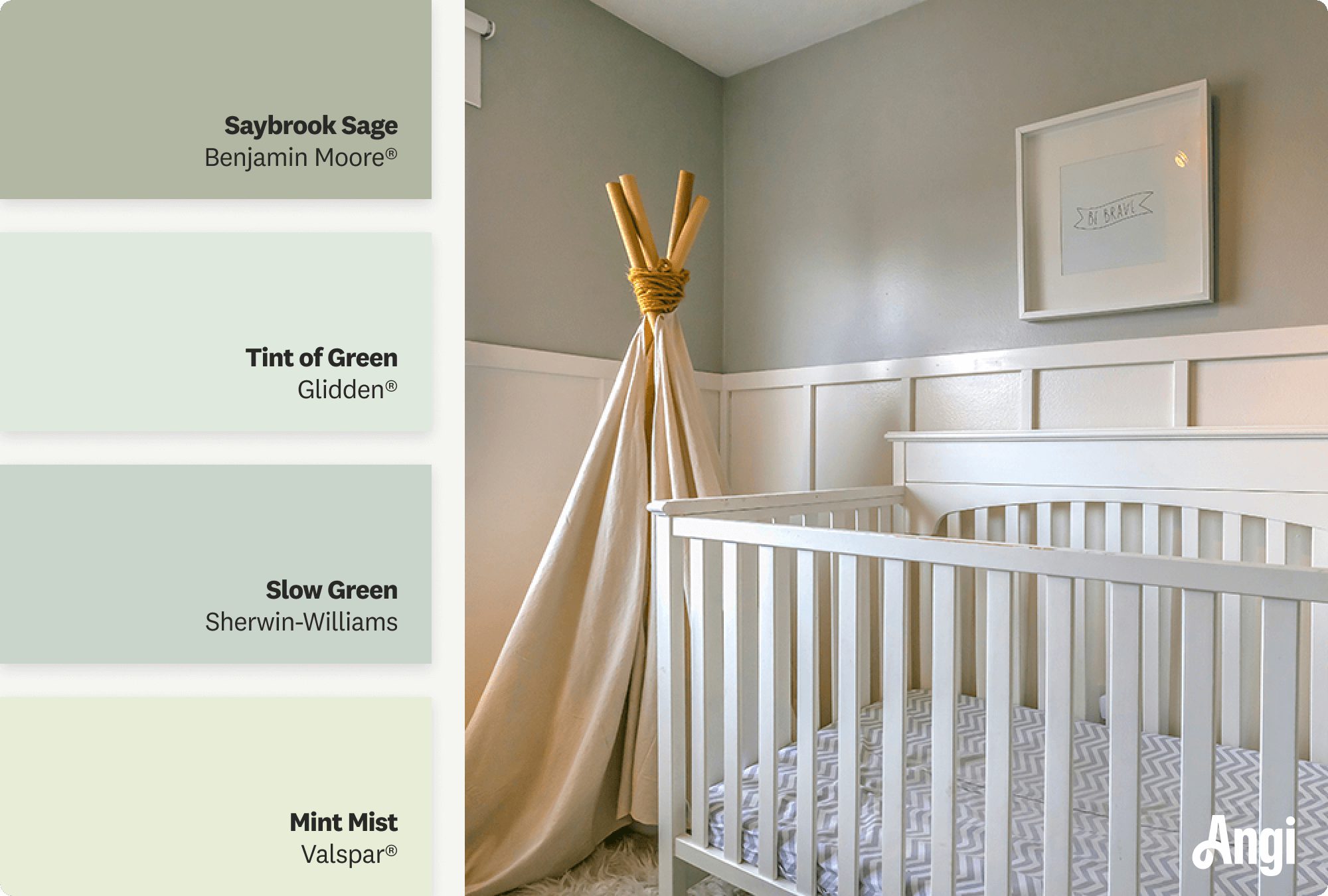
Credit: www.angi.com
Creative Paint Techniques
Painting a baby room is a fun way to create a warm space. Using creative paint techniques can make the room lively and unique.
Simple ideas like colors and shapes help set a cheerful mood. You can try different styles to match your baby’s personality.
Accent Walls
An accent wall uses a different color or design on one wall. This draws attention and adds depth to the room.
Choose soft or bright colors that fit the theme. You can also add texture with sponges or brushes.
Stripes And Patterns
Stripes and patterns add fun shapes and lines to the walls. They make the room look playful and full of energy.
- Horizontal stripes can make the room feel wider.
- Vertical stripes add height and a neat look.
- Polka dots create a lively and soft effect.
- Chevron patterns bring a modern style.
Murals And Wall Decals
Murals and decals let you add pictures and scenes to the walls. They can show animals, nature, or fairy tale themes.
| Type | Advantages | Best Use |
|---|---|---|
| Hand-Painted Murals | Unique and personal | Large feature walls |
| Wall Decals | Easy to apply and remove | Small areas or rental rooms |
| Stencil Art | Consistent patterns | Repeating designs |
Combining Paint With Nursery Decor
Choosing the right paint for a baby room sets the tone for the whole space. The paint color works best when it matches the nursery decor. This helps create a calm and inviting place for your baby.
Think about how paint colors blend with furniture, textiles, wall art, and lighting. These elements work together to make a cozy nursery.
Matching Furniture And Textiles
Pick furniture colors that go well with your wall paint. Light paint colors look nice with white or pastel furniture. Dark walls pair well with wooden furniture for a warm feel.
Textiles like curtains, rugs, and cushions add color and texture. Use fabrics that match or contrast softly with the paint. This adds depth and comfort to the room.
- Soft pastels work well with white furniture
- Neutral walls allow colorful textiles to stand out
- Patterns in textiles add interest to plain walls
- Mix textures for a cozy feel
Incorporating Wall Art
Wall art can brighten a baby room and complement paint colors. Choose art with soft colors for light walls or bright pieces for neutral walls. This creates a balanced look.
Frames and shapes of wall art also matter. White or wooden frames suit most paint colors. Large prints work well on plain walls, while small art fits patterned walls.
- Use art to add personality to the room
- Match art colors with paint or textiles
- Choose safe, baby-friendly materials
- Arrange art at baby’s eye level
Lighting Effects On Paint Colors
Lighting changes how paint colors look. Natural light makes colors brighter and cooler. Artificial light can add warmth or coolness depending on bulbs.
Use soft lighting to keep the nursery calm. Avoid harsh lights that change paint color too much. Try different bulbs to see what fits best.
- Use warm bulbs for cozy, soft colors
- Cool bulbs enhance blue and green walls
- Natural light shows true paint color
- Dimmer switches help adjust light levels

Credit: nurtureand.com
Tips For Painting A Baby Room
Painting a baby room is an exciting task for new parents. It is important to create a safe and soothing environment for your little one.
With the right tips, you can transform a room into a cozy and healthy space for your baby.
Preparing The Space
Preparation is key to painting success. Start by removing furniture and covering the floor with a drop cloth.
Ensure walls are clean and smooth. Fill in any holes or cracks with putty.
- Remove wall hangings
- Clean walls with mild soap
- Sand rough patches
Choosing Non-toxic Paints
Non-toxic paints are essential for your baby’s health. Look for paints labeled as low-VOC or zero-VOC.
These paints release fewer chemicals into the air, making them safer for your child.
- Check for water-based paints
- Read labels carefully
- Consult with store experts
Timing And Ventilation
Choose the right time to paint. Consider painting when weather allows windows to be open.
Good ventilation helps the room dry faster and reduces paint fumes.
- Paint during warmer months
- Open windows for airflow
- Use fans to circulate air

Credit: nurtureand.com
Frequently Asked Questions
What Colors Are Best For A Baby Room Paint?
Soft pastels like mint green, light pink, and pale blue are ideal. These colors create a calming and soothing environment. Neutral tones like beige and light gray also work well. Avoid bold, bright colors as they may overstimulate the baby.
How To Choose Safe Paint For A Baby Room?
Select paints labeled “low-VOC” or “zero-VOC” to ensure safety. These paints emit fewer harmful chemicals. Always check for non-toxic and hypoallergenic certifications. Proper ventilation during and after painting is essential to keep air clean.
Can I Use Bold Colors In A Baby’s Room?
Yes, but use bold colors as accents rather than on all walls. Bold colors can add personality and energy. Balance them with neutral or soft tones to avoid overstimulation. Use bold shades on one wall or in decorations.
What Paint Finishes Are Best For Baby Rooms?
Matte or eggshell finishes are best for baby rooms. They hide wall imperfections and reduce glare. Satin finish is also a good choice for durability and easy cleaning. Avoid high-gloss finishes as they can be too reflective.
Conclusion
Choosing the right paint for your baby’s room sets a warm tone. Soft colors calm and create a peaceful space. Bright shades add fun and energy. Consider safety by picking non-toxic paints. Simple patterns bring charm without clutter. Personal touches make the room truly special.
Remember, the baby will grow fast. A flexible design suits different stages. Enjoy creating a cozy, happy place for your little one.