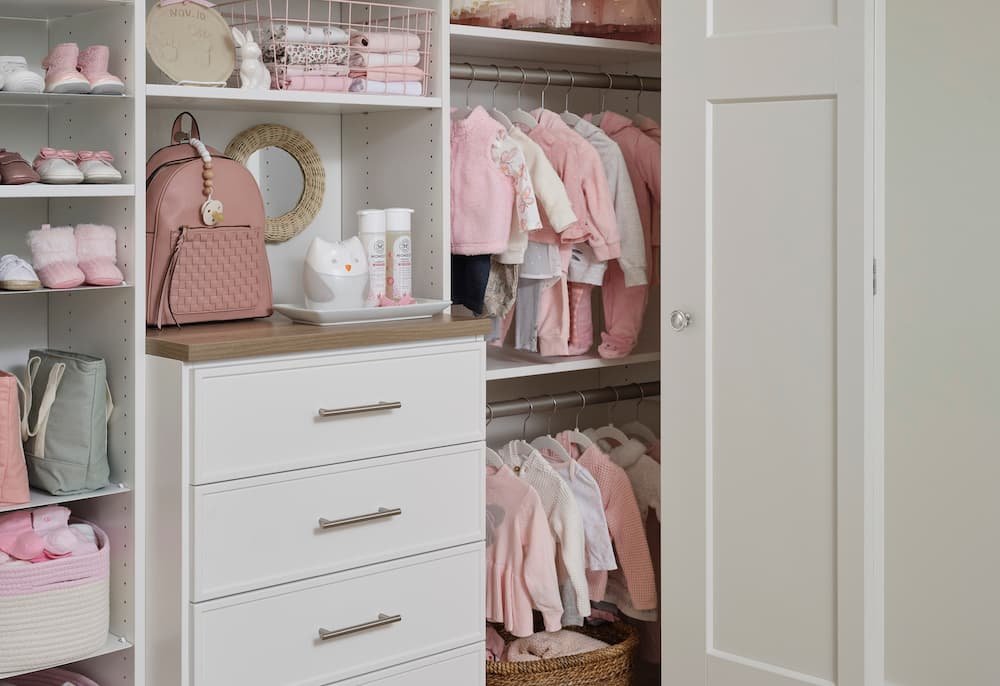
Is your baby’s wardrobe a constant mess? Clothes spilling out, tiny socks lost in the chaos, and mornings turning stressful as you search for that perfect outfit?
You’re not alone. Organizing your baby’s wardrobe can feel overwhelming, but it doesn’t have to be. Imagine opening a drawer where every item is easy to find, saving you time and reducing stress. You’ll discover simple, effective tips to transform your baby’s wardrobe into a neat and functional space.
Ready to make your daily routine smoother and more joyful? Let’s get started!
Credit: therestisjustgravy.com
Choosing The Right Storage
Organizing a baby wardrobe requires smart storage choices. Picking the right storage helps keep clothes tidy and easy to find.
Good storage saves space and protects your baby’s clothes. It also makes daily dressing quicker and less stressful.
Types Of Storage Solutions
There are many storage types for baby clothes. Each fits different needs and room sizes.
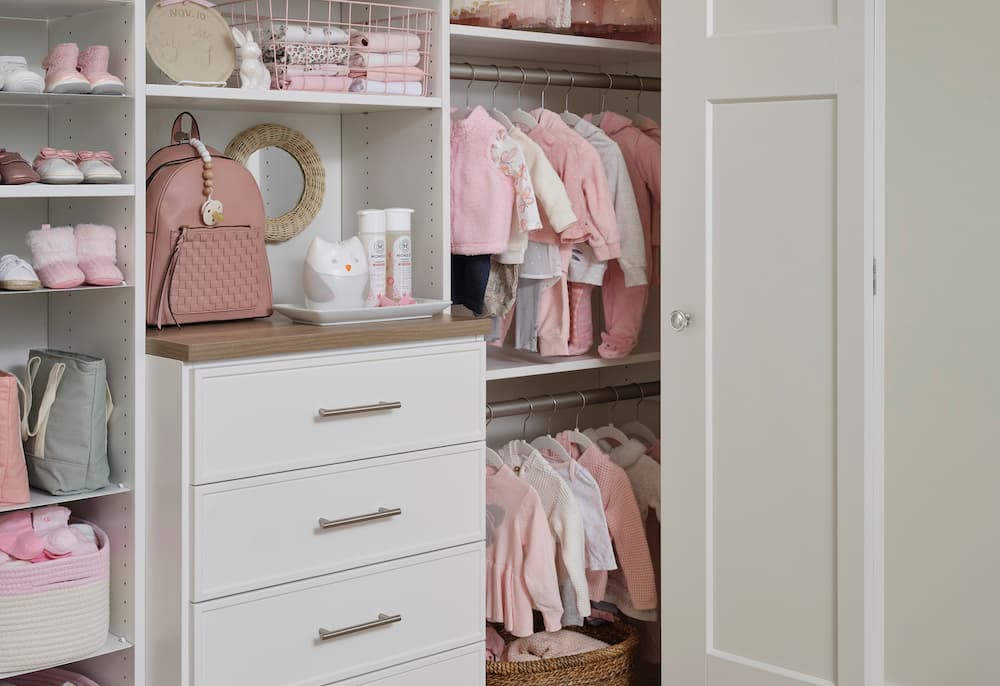
- Drawers: Good for folded clothes and small items.
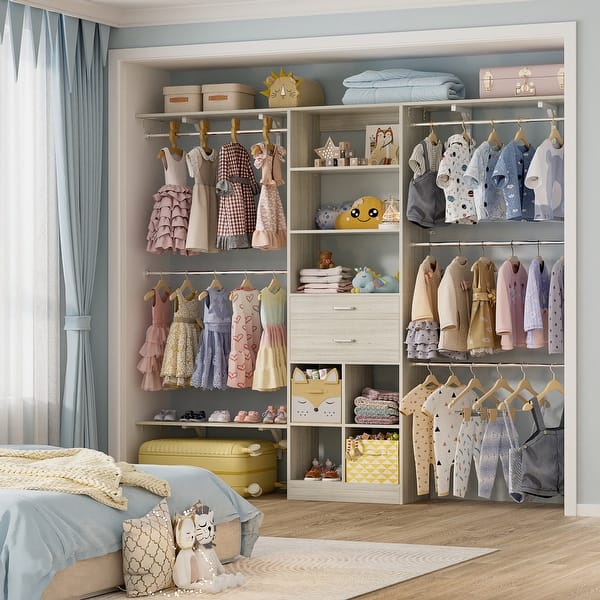
- Hanging organizers: Ideal for hanging onesies and dresses.
- Storage bins: Great for toys or seasonal clothes.
- Shelves: Useful for stacking folded items or baskets.
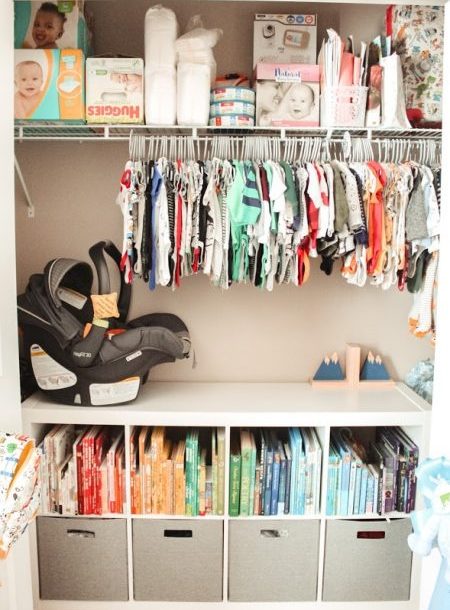
Maximizing Closet Space
Closets can become crowded fast. Use every inch to keep clothes neat.
| Tip | Description |
| Use slim hangers | Save space by using thin hangers for baby clothes. |
| Add double rods | Install two rods to hang more clothes vertically. |
| Use shelf dividers | Keep folded clothes from toppling over on shelves. |
| Label bins | Label storage bins for easy finding and sorting. |
Utilizing Under-crib Storage
Under the crib is often unused space. It can hold bins or drawers for extra storage.
Use low-profile storage containers that slide easily. Clear containers help you see contents fast.
Store items like extra blankets, diapers, or out-of-season clothes under the crib.
Sorting Baby Clothes
Organizing baby clothes helps keep the nursery neat and saves time. It makes dressing your baby easier every day.
Sorting clothes by different categories lets you find the right outfit fast. It also keeps clothes in good condition.
Categorizing By Size And Season
Sort clothes by size to match your baby’s growth. Group clothes by season to keep weather-ready outfits together.
| Category | Examples | Storage Tips |
|---|---|---|
| Newborn (0-3 months) | Onesies, mittens | Use small bins or drawers |
| 3-6 months | Sleepers, pants | Label shelves or baskets |
| Summer Clothes | Shorts, sun hats | Store in breathable bags |
| Winter Clothes | Sweaters, mittens | Keep in sealed containers |
Separating Daily Wear From Special Outfits
Keep everyday clothes easy to reach. Store special clothes separately to keep them clean and neat.
- Place daily wear in front drawers
- Hang special outfits in a separate section
- Use clear bins for occasional clothes
- Label each storage area clearly
Keeping Essentials Within Reach
Store essential items like diapers and wipes near the clothes. This keeps everything ready for quick changes.
- Small baskets for socks and hats
- Drawer dividers for bibs and mittens
- Hooks or racks for frequently used blankets
Folding And Hanging Techniques
Organizing a baby wardrobe saves space and keeps clothes neat. Using the right folding and hanging methods helps you find items easily.
This guide covers folding methods, when to hang or fold, and how to use dividers and organizers effectively.
Space-saving Folding Methods
Folding baby clothes properly reduces wrinkles and fits more in drawers. It also makes it easier to see each item.
- Fold onesies into small rectangles to stack vertically.
- Roll pants and shirts to save drawer space.
- Use the KonMari folding method for easy visibility.
- Fold blankets and towels flat to avoid bulk.
When To Hang Vs. Fold
Choose hanging for clothes that wrinkle easily or need quick access. Fold heavier items or those that fit better in drawers.
| Type of Clothing | Recommended Method |
| Dress shirts and jackets | Hang |
| Onesies and T-shirts | Fold |
| Pants and leggings | Fold or Hang |
| Sweaters and hoodies | Fold |
| Dresses and special outfits | Hang |
Using Dividers And Organizers
Dividers keep folded clothes separate and tidy. Organizers help store small items like socks and hats.
- Place drawer dividers to separate clothes by type.
- Use hanging organizers with pockets for accessories.
- Label each section to find items quickly.
- Choose adjustable dividers to fit different drawer sizes.
Credit: www.bedbathandbeyond.com
Labeling And Inventory
Organizing a baby wardrobe can save time and reduce stress. Labeling and keeping an inventory helps you find clothes quickly.
These tips help you keep track of sizes and know what items you have on hand.
Simple Labeling Ideas
Use clear labels to sort baby clothes by size and type. Simple labels make it easy to find what you need fast.
- Use adhesive labels on drawers or bins
- Write size and season on tags or stickers
- Color code labels by clothing type
- Label each shelf or hanging section
Tracking Growth And Size Changes
Babies grow fast, so clothes sizes change often. Track your baby’s growth to keep the wardrobe updated.
Remove clothes that no longer fit. Add new sizes as your baby grows to avoid clutter.
- Check sizes every month
- Keep a chart of your baby’s size changes
- Sort clothes into “too small” and “fits now” bins
- Donate or store outgrown clothes
Maintaining An Updated Inventory
Keep a list of all baby clothes to know what you have. An updated inventory avoids buying duplicates.
Update your inventory when you add or remove items. This keeps your wardrobe neat and easy to manage.
| Item | Size | Quantity | Notes |
|---|---|---|---|
| Onesies | 0-3 months | 10 | Light colors |
| Sleepers | 3-6 months | 8 | Warm fabric |
| Socks | All sizes | 15 pairs | Mixed colors |
Maintaining Organization
Keeping your baby’s wardrobe neat helps you find clothes quickly. It also keeps the space safe and tidy.
Regular care and simple habits make organizing easier. Small steps keep things in order over time.
Regular Decluttering Tips
Sort baby clothes often to remove items that no longer fit. This prevents piles from growing too big.
Check for worn-out clothes and those stained beyond repair. Donate or recycle what you no longer need.
- Set a schedule to review clothes every few months
- Keep only clean and usable items
- Store outgrown clothes separately
Involving Family Members
Ask family members to help with sorting and folding baby clothes. It makes the task faster and fun.
Teach older siblings to put away clothes after laundry. This builds good habits early on.
- Assign simple tasks to each family member
- Make organization a shared routine
- Use labels to guide helpers
Adapting As Baby Grows
Change the wardrobe setup as your baby grows. Use bigger drawers or shelves for larger clothes.
Keep seasonal clothes separate. Rotate items to keep the wardrobe tidy and easy to use.
- Move small clothes to storage boxes
- Update labels to match new sizes
- Store outgrown clothes for future use or donation
Credit: www.inspiredclosets.com
Frequently Asked Questions
How Can I Organize A Baby Wardrobe Efficiently?
Start by sorting clothes by size and season. Use labeled bins or dividers for easy access. Fold or hang items neatly. Rotate clothes as the baby grows to keep the wardrobe clutter-free and functional.
What Storage Solutions Work Best For Baby Clothes?
Soft bins, drawer organizers, and hanging shelves work well. These keep clothes accessible and tidy. Clear containers help you see contents quickly. Avoid bulky hangers to save space and prevent stretching.
How Often Should Baby Clothes Be Decluttered?
Declutter every 3 to 6 months. Remove outgrown or unused items to create room. Donate or store clothes for future siblings. Regular decluttering keeps the wardrobe manageable and organized.
How To Handle Baby Accessories In Wardrobe Organization?
Use small containers or drawer dividers for accessories like hats and socks. Keep frequently used items within easy reach. Label containers for quick identification and maintain order.
Conclusion
Organizing your baby’s wardrobe saves time and reduces stress daily. Keep clothes sorted by size and type for easy access. Use bins or shelves to separate items neatly. Rotate outfits based on season to avoid clutter. A tidy space makes dressing your baby simple and quick.
Small habits build a more organized nursery over time. Enjoy the calm that comes with a well-kept wardrobe. Simple steps help you stay prepared for every diaper change and outfit swap.