
Looking to transform your balcony into a green oasis? You’re in the right place.
Whether your space is big or small, the right plant arrangement can turn your balcony into a peaceful retreat or a vibrant spot full of life. Imagine stepping outside and feeling instantly relaxed, surrounded by lush leaves and colorful blooms.
You’ll discover simple and creative balcony plant arrangement ideas that fit your style and space. Ready to breathe new life into your balcony? Let’s dive in.
Choosing Plants For Balconies
Balconies are great places to grow plants and add green space. Choosing the right plants makes your balcony lively and fresh.
Consider the size, sunlight, and care needs of plants. This helps your plants thrive in a small outdoor area.
Best Plants For Small Balconies
Small balconies need plants that do not take much space. Choose plants that grow well in pots and stay compact.
- Succulents and cacti are good for small areas.
- Herbs like basil, mint, and thyme fit well.
- Compact flowering plants add color without crowding.
- Hanging plants save floor space.
Sunlight And Plant Selection
Know how much sunlight your balcony gets. This helps you pick plants that will grow strong and healthy.
Some plants need full sun, while others prefer shade or indirect light. Match the plant’s needs to your balcony’s light.
- Full sun: tomatoes, geraniums, and lavender.
- Partial shade: ferns, begonias, and impatiens.
- Shade: snake plants, pothos, and peace lilies.
Low-maintenance Options
Pick plants that need little water and care if you are busy. These plants survive well with less attention.
Low-maintenance plants save time and still make your balcony green and pretty.
- Succulents store water in leaves and need little watering.
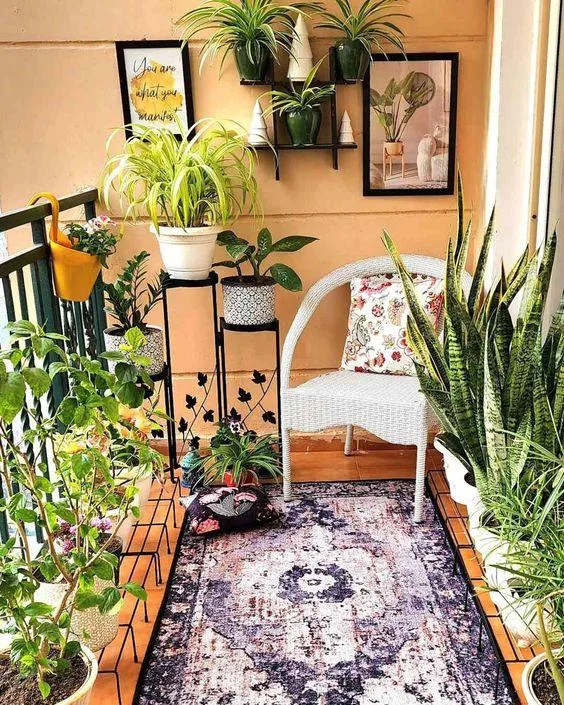
- Snake plants grow well in low light and need less care.
- Spider plants clean air and grow fast with little help.
- Aloe vera is useful and easy to care for.
Credit: sanjaynursery.com
Creative Plant Layouts
Balconies offer a small space to grow many plants. Creative layouts help use the space well.
Arranging plants in smart ways makes your balcony look lively and fresh. It also helps plants grow better.
Vertical Garden Ideas
Vertical gardens save floor space by growing plants upward. Use wall-mounted pots or shelves to hold plants.
Choose plants that climb or hang well. Herbs, succulents, and small flowers work great in vertical setups.
- Install wooden pallets or trellises
- Use pocket planters or hanging wall pockets
- Mix different plant types for texture
- Place sun-loving plants at the top
Hanging Planters And Baskets
Hanging planters free up floor space and add height to your balcony garden. They create a floating garden effect.
Use different sizes and styles to add interest. Choose light plants like ferns, ivy, or flowers that trail down.
- Hang plants at varying heights for depth
- Use sturdy hooks and chains for safety
- Group similar plants together for a theme
- Water hanging plants carefully to avoid spills
Layered Planting Techniques
Layering plants means placing them at different heights and depths. It creates a full and rich look.
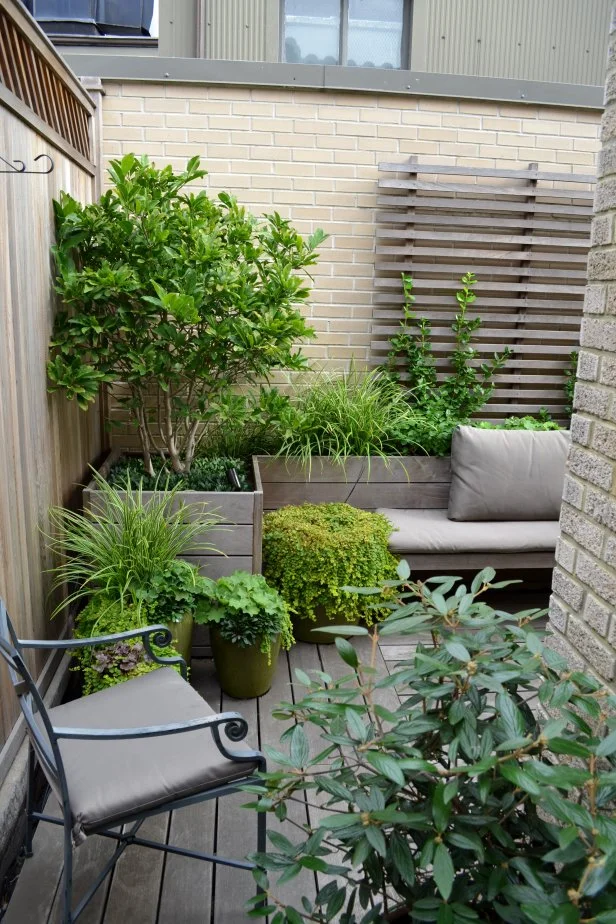
Put taller plants at the back or corners. Medium plants go in the middle. Small plants stay in front or on ledges.
- Use plant stands or shelves to create height
- Mix leaf sizes and colors for contrast
- Combine flowering and green plants
- Keep pathways clear for easy access
Colorful Plant Combinations
Balconies can become lively with colorful plant combinations. Using different plants adds charm and beauty.
Choosing the right mix creates a bright and inviting outdoor space. It also helps plants grow well together.
Mixing Flowering And Foliage Plants
Flowering plants bring color with their blooms. Foliage plants add texture and greenery all year round.
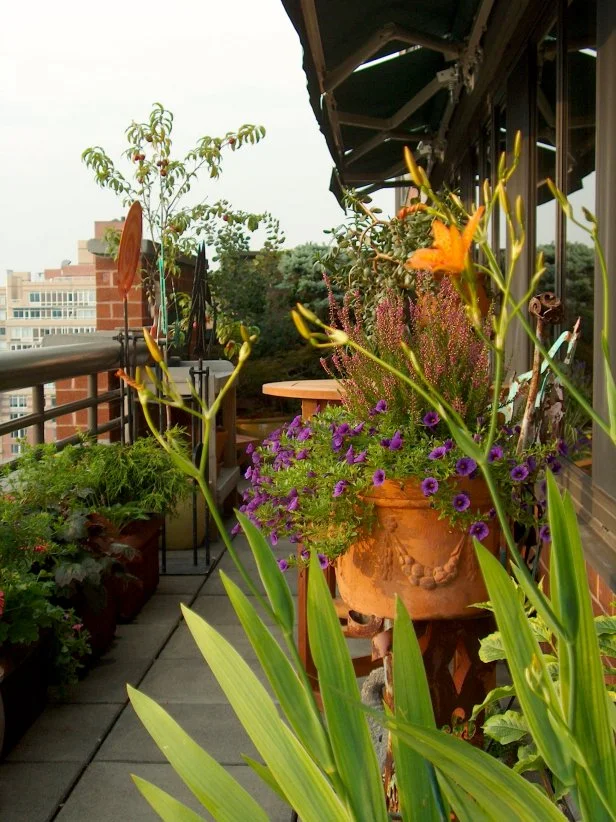
Combining both types creates a balanced and full look. Flowers pop against the green leaves around them.
- Pair bright flowers with dark green leaves
- Use variegated foliage to add interest
- Place tall flowering plants behind low foliage plants
- Mix different leaf shapes for variety
Seasonal Color Planning
Plan plants that bloom in different seasons. This keeps your balcony colorful all year long.
Switch out plants as seasons change. Choose colors that match the mood of each season.
- Bright reds and yellows for summer
- Soft pastels for spring
- Warm oranges and browns for autumn
- Evergreens and white flowers for winter
Using Contrasting Textures
Different leaf and flower textures add depth to your balcony. Smooth, rough, soft, and spiky textures create contrast.
Mixing textures keeps the arrangement interesting. It also highlights each plant’s unique features.
- Combine fuzzy leaves with shiny ones
- Use spiky plants near round flowers
- Pair large leaves with small, delicate ones
- Mix thick foliage with thin, wispy plants
Credit: www.hgtv.com
Maximizing Space With Containers
Balconies often have limited space for plants. Using containers helps you grow many plants in small areas.
Containers allow flexible arrangements and easy movement. They help keep your balcony neat and green.
Choosing The Right Pots
Select pots that fit your balcony size and plant needs. Small pots save space but limit root growth.
Consider pot materials. Clay pots drain well but can be heavy. Plastic pots are light and hold moisture longer.
- Use tall, narrow pots for corners
- Choose stackable pots to save floor space
- Pick pots with drainage holes to prevent water logging
- Mix pot sizes for different plant types
Diy Planter Ideas
Create your own planters to fit your style and space. DIY planters can be fun and budget-friendly.
Use simple materials like wood, fabric, or plastic containers. Customize colors and shapes to match your balcony.
- Build wooden box planters with shelves
- Make hanging planters with rope or fabric
- Create vertical gardens using pallet wood
- Paint old pots for a fresh look
Recycling And Upcycling Containers
Use old items as plant containers to save money and reduce waste. Many things can hold soil and plants.
Always clean and add drainage holes to recycled containers. This helps plants stay healthy and prevents water buildup.
- Turn tin cans into colorful plant pots
- Use old boots or shoes for small plants
- Convert plastic bottles into hanging planters
- Reuse kitchen containers like colanders or baskets
Balcony Plant Care Tips
Caring for plants on a balcony needs special attention. Small spaces and changing weather affect their growth.
Good care helps your plants stay healthy and look great all year long. Follow these tips to keep them thriving.
Watering Techniques
Water is vital for balcony plants but giving too much or too little can harm them. Check soil before watering.
Use containers with drainage holes to avoid water buildup. Water early in the morning or late in the evening.
- Feel the soil; water only when dry one inch deep
- Use a watering can with a narrow spout for control
- Water slowly to help roots absorb moisture
- Avoid wetting leaves to prevent fungal diseases
Fertilizing For Vibrancy
Fertilizers give plants important nutrients to grow strong and colorful. Use the right fertilizer for your plants.
Feed plants every two to four weeks during the growing season. Follow the instructions on the fertilizer package.
- Choose balanced fertilizers with nitrogen, phosphorus, and potassium
- Use slow-release fertilizers for steady feeding
- Apply liquid fertilizer for quick nutrient boost
- Do not over-fertilize; it can burn roots
Dealing With Pests
Pests can damage balcony plants by eating leaves and stems. Check plants regularly for signs of bugs.
Use natural ways to keep pests away without harming plants or people. Remove bugs by hand when possible.
- Spray plants with water to wash off small insects
- Use insecticidal soap for safe pest control
- Introduce beneficial insects like ladybugs
- Keep plants clean and remove dead leaves
Credit: www.hgtv.com
Adding Decorative Elements
Decorative elements make your balcony plants look more inviting. They add charm and style to your outdoor space.
Simple additions can create a cozy and attractive plant display. Choose items that fit your balcony size and style.
Incorporating Garden Furniture
Garden furniture lets you enjoy your balcony garden comfortably. Small chairs or benches provide seating near your plants.
Use foldable or stackable furniture for limited space. Choose weather-resistant materials to keep furniture safe outdoors.
- Use small tables for plant pots and drinks
- Add cushions for extra comfort
- Place furniture where you can relax and enjoy plants
Lighting For Ambiance
Lighting makes your balcony plants look beautiful at night. Soft lights create a warm and relaxing mood.
Choose solar or LED string lights to save energy. Place lights around plants or along railings for a glowing effect.
- Wrap string lights around plant pots or branches
- Use lanterns with LED candles for a cozy glow
- Install small spotlights to highlight special plants
Using Decorative Stones And Mulch
Decorative stones and mulch add texture and color to your plant beds. They keep soil moist and prevent weeds from growing.
Use colorful stones or natural mulch to match your style. Spread them evenly around your plants for a neat look.
- Choose small stones for a delicate look
- Use mulch to improve soil health and moisture
- Mix stones and mulch for varied texture
Frequently Asked Questions
What Plants Are Best For Small Balconies?
Succulents, herbs, and ferns are ideal for small balconies. They require minimal space and maintenance. Choose vertical planters or hanging pots to maximize space. Opt for plants that thrive in partial sunlight and are drought-tolerant. This ensures your balcony remains vibrant and lush without overcrowding.
How Do I Arrange Plants On A Balcony?
Use vertical planters, hanging pots, and tiered stands for arrangement. Start with taller plants at the back and shorter ones in front. Group similar plants for visual harmony. Ensure each plant receives adequate sunlight and airflow. This arrangement enhances aesthetics and plant health.
Can I Grow Vegetables On My Balcony?
Yes, you can grow vegetables like tomatoes, peppers, and lettuce. Use containers with good drainage and place them in sunny spots. Ensure regular watering and use quality potting soil. Balcony gardening provides fresh produce and enhances your living space’s appeal.
How To Maintain Balcony Plants In Winter?
Move sensitive plants indoors or use protective covers for cold nights. Reduce watering frequency and avoid fertilizing. Ensure pots have adequate drainage to prevent waterlogging. Group plants together to retain warmth. Winter maintenance ensures plants remain healthy for the next growing season.
Conclusion
Balconies can become green, peaceful spots with simple plant choices. Use pots, shelves, or hanging baskets to save space. Mix flowers, herbs, and small shrubs for color and scent. Choose plants that suit your climate and sunlight. Water and care keep your plants healthy and happy.
Enjoy your cozy outdoor space every day. Small efforts bring big joy. Start arranging today and watch your balcony bloom.
