Your living room is where comfort meets style, and the right rug can make all the difference. But how do you place it to create a cozy, inviting space that feels just right?
You might be wondering if the rug should go under the furniture or float in the middle. Or maybe you’re unsure about size and shape choices that will tie your room together perfectly. Keep reading, because these simple rug placement ideas will transform your living room into a warm, welcoming haven you’ll love coming home to.
Choosing The Right Rug Size
A rug can make your living room feel warm and inviting. Picking the right size is key. A rug that is too small or too big can look odd.
Understanding your space helps you choose a rug that fits well. This guide shows how to measure and pick the right size for your layout.
Measuring Your Living Room
Start by measuring your living room floor area. Use a tape measure to find the length and width. Write down these numbers.
Think about where you want the rug. Will it go under the sofa, or in the center? Measure the space there too. This helps avoid buying a rug that does not fit.
Rug Sizes For Different Layouts
Different living room setups need different rug sizes. Here are some common layouts and the best rug sizes for each.
- Small seating area:Use a 4×6 or 5×7 rug. It fits well under a chair and small table.
- Medium space:A 6×9 rug works under a sofa and coffee table, with some floor showing.
- Large living room:Pick an 8×10 or bigger rug. It should hold all main furniture legs on it.
- Floating furniture:Use a large rug that sits under all furniture pieces to unify the space.
Centering The Rug
Centering the rug in a living room helps create balance and harmony. It makes the space feel cozy and inviting.
A well-placed rug ties the room together and adds warmth. It also defines the seating area clearly.
Aligning With Furniture
Place the rug so it aligns with key furniture pieces. This keeps the room looking organized and neat.
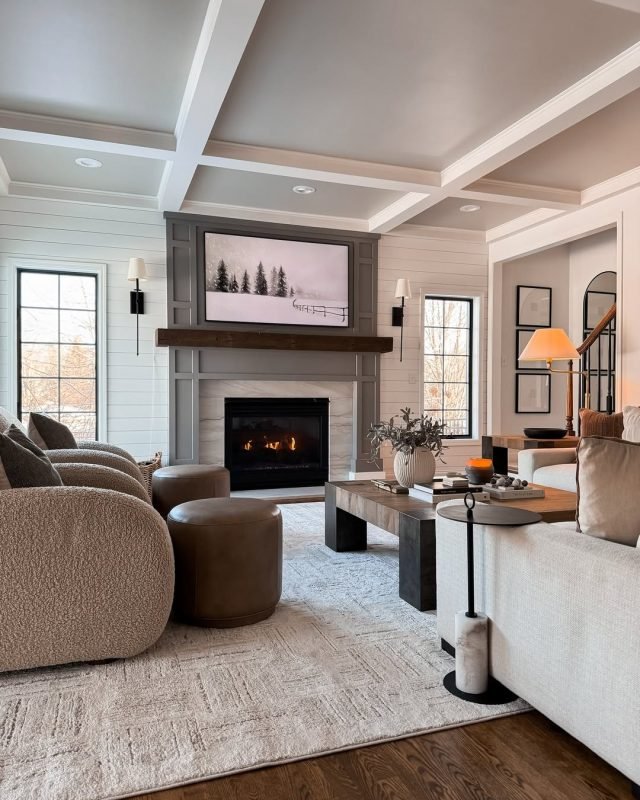
Make sure the rug is large enough to fit under the front legs of sofas and chairs. This helps unify the seating area.
- Center the rug under the coffee table
- Keep sofa legs on the rug for balance
- Ensure side chairs rest partly on the rug
Creating A Focal Point
Use the rug to create a focal point in the room. A centered rug draws attention to the seating space.
Choose a rug with colors or patterns that complement your furniture. This adds interest and style.
- Pick a rug that stands out but matches the room
- Place it so it anchors the main seating area
- Use lighting to highlight the rug’s design
Layering Rugs For Texture
Layering rugs adds depth and interest to your living room. It creates a cozy look with different textures.
Using more than one rug can make the space feel warm and inviting. It also helps define areas in the room.
Mixing Patterns And Materials
Mix different rug patterns carefully to avoid clashing. Choose patterns with similar colors for balance.
Try combining soft wool with natural jute or flatweave materials. This mix creates a nice texture contrast.
- Use one large patterned rug as a base
- Add a smaller solid or lightly patterned rug on top
- Combine smooth and rough textures for interest
- Match colors to keep the look unified
Placement Tips For Layered Rugs
Place the larger rug first, covering most of the floor area. Then add the smaller rug slightly off-center.
Keep main furniture legs on the larger rug. The smaller rug can sit under a coffee table or in front of the sofa.
- Make sure edges of rugs do not create a tripping hazard
- Use rug pads to keep rugs from sliding
- Leave some floor visible around the edges for contrast
- Adjust placement to highlight key furniture pieces
Rug Placement By Seating Arrangement
Choosing the right rug placement makes your living room cozy and inviting. The rug helps tie the furniture together. It also adds warmth and style to your space.
Different seating arrangements need different rug placements. This guide explains three common ways to place rugs with furniture.
All Legs On The Rug
This style places every piece of seating furniture fully on the rug. All legs of sofas, chairs, and stools rest on the rug surface. This arrangement creates a unified look.
It works well in large living rooms where the rug can fit all furniture comfortably. The rug should be big enough to hold all seating pieces without crowding.
- Ensures a balanced and cohesive space
- Makes the seating area feel grounded
- Requires a large rug for best effect
Front Legs On The Rug
In this setup, only the front legs of the furniture rest on the rug. The back legs stay off the rug, on the floor. This style gives a lighter, more open feel.
This placement fits medium-sized rugs and works well in smaller rooms. It connects furniture pieces without needing a very large rug.
- Creates a cozy but not crowded look
- Helps define the seating area
- Uses moderate-sized rugs effectively
Floating Rug Placement
The floating rug placement puts the rug in the center of the seating area. No furniture legs are on the rug. The rug floats freely inside the space.
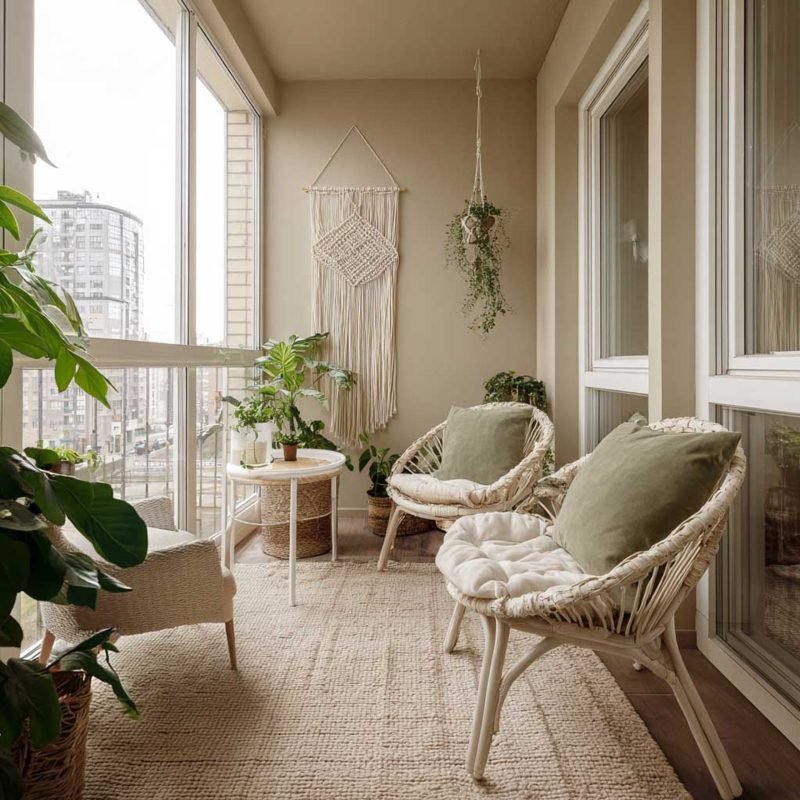
This style works with small rugs and informal layouts. It adds softness without defining the whole seating area. It suits casual and eclectic rooms.
- Good for small or open spaces
- Keeps the room feeling airy
- Adds texture without full coverage
Using Rugs To Define Zones
Rugs can change how a living room feels. They help create different areas in one space.
Using rugs to divide zones makes rooms look neat and cozy. It also guides where to place furniture.
Separate Seating Areas
Place rugs under each seating group to set them apart. This works well in large living rooms.
Choose rugs that match each area’s style. Make sure the rug is big enough for all seats.
- Put a rug under the coffee table and chairs
- Use smaller rugs for side seating spots
- Keep rugs inside the seating boundary
Open Plan Space Division
Open rooms can feel empty without clear zones. Rugs help mark dining, living, and reading spaces.
Pick different rugs for each zone. This shows a clear line between activities and adds warmth.
- Use a large rug under the dining table
- Place a soft rug in the living area
- Choose a small rug for reading corners

Credit: www.slumberland.com
Color And Pattern Choices
Choosing the right colors and patterns for your living room rug can make the space feel warm and inviting. The rug should fit well with your room’s style and colors.
Think about how the rug’s colors and patterns will work with your furniture and walls. This helps the room look cozy and balanced.
Complementing Existing Decor
Pick rug colors that match or blend with your current decor. This helps the room feel connected and neat. Use colors from your furniture, curtains, or wall art.
Patterns on the rug can repeat shapes or styles in the room. For example, a floral rug suits a room with flower prints on pillows or curtains.
- Match rug colors to main furniture shades
- Use patterns that echo room accessories
- Choose neutral rugs for busy rooms
- Select colorful rugs to brighten plain spaces
Bold Vs. Subtle Designs
Bold rugs have bright colors or large patterns that stand out. They create a strong look and become a room’s focal point. Use bold rugs in simple rooms.
Subtle rugs use soft colors and small patterns. They blend with other decor and keep the room calm. These rugs work well in busy or colorful spaces.
- Bold rugs:bright colors, big patterns, eye-catching
- Subtle rugs:soft colors, small patterns, calming
- Pick bold rugs to add energy
- Choose subtle rugs for a peaceful feel
Maintaining Rug Placement
Keeping your living room rug in the right place helps your room look neat. A well-placed rug adds comfort and style to your space.
Regular care helps your rug stay safe and last longer. Small actions can stop problems before they start.
Preventing Slips And Trips
Loose rugs can cause falls. Use rug pads under your rug to keep it from sliding. Make sure the pad fits the rug size well.
Place rugs flat on the floor. Avoid folding or curling edges. Check the rug often to fix any movement or wrinkles.
- Use non-slip rug pads
- Keep rug edges flat
- Check rug position regularly
- Clear clutter around the rug
Cleaning And Care Tips
Clean your rug to keep it fresh and strong. Vacuum it once a week to remove dust and dirt. Shake smaller rugs outside to clear dust.
Spot clean spills quickly with a damp cloth. Avoid harsh chemicals that can damage fibers. Rotate your rug every few months to avoid uneven wear.
- Vacuum weekly to remove dirt
- Spot clean spills immediately
- Rotate rug every 3-6 months
- Avoid harsh cleaning products

Credit: homewithjoanie.com

Credit: ruggallery.net
Frequently Asked Questions
How Do I Choose The Right Rug Size?
Choosing the right rug size depends on your living room dimensions. For a cohesive look, ensure the rug fits under all key furniture pieces. Consider a rug that extends at least 6 inches beyond the furniture edges for balance. Measure your space carefully to avoid a rug that is too small.
Should A Rug Go Under The Couch?
Yes, placing a rug under the couch anchors the living room. It creates a unified look and defines the seating area. Ideally, at least the front legs of the couch should rest on the rug. This placement adds warmth and depth, enhancing the overall cozy atmosphere.
Can A Rug Make My Room Look Bigger?
Yes, a large rug can make a room look bigger. It creates the illusion of more space by drawing the eye outward. Choose light colors and simple patterns to enhance this effect. Ensure the rug covers significant floor area without overwhelming the room with its size.
What Materials Are Best For Living Room Rugs?
Wool, cotton, and synthetic blends are excellent for living room rugs. Wool offers durability and warmth, while cotton is easy to clean. Synthetic blends provide affordability and stain resistance. Consider your lifestyle and maintenance preferences when selecting a material that best suits your needs.
Conclusion
A cozy rug can change your living room’s feel instantly. Place it right to create warmth and style. Choose a size that fits your space well. Try different placements to find what feels best. Soft textures invite comfort and make rooms inviting.
Remember, a rug ties your furniture together nicely. Small changes bring big comfort and charm. Enjoy designing your space with these simple ideas. Your living room will feel cozy and welcoming every day.