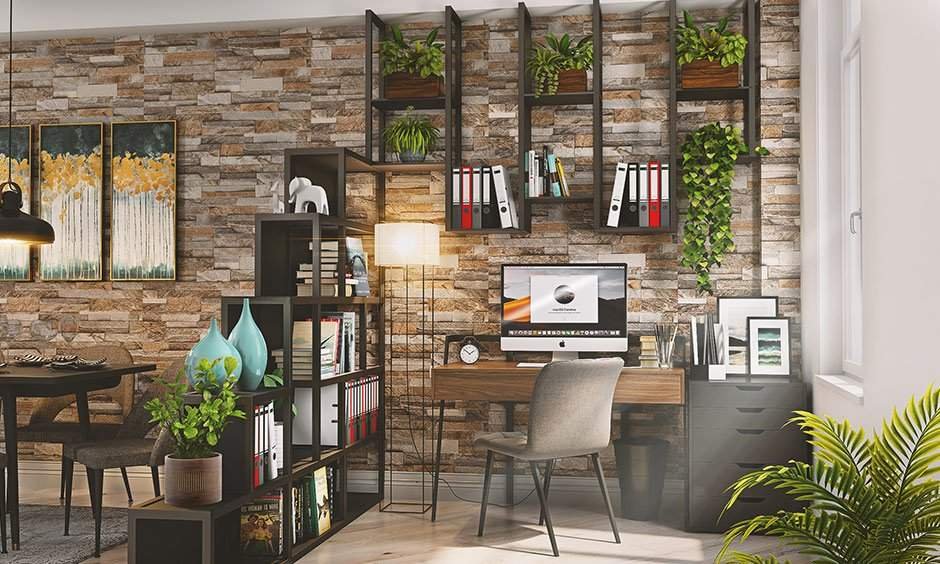
Creating a cozy office space starts with the right lighting. When your workspace feels warm and inviting, you naturally stay focused and motivated.
But how do you place your lights to achieve that perfect balance between comfort and productivity? You’ll discover simple yet powerful tips to arrange your office lighting so it supports your work and soothes your mind. Keep reading, and transform your office into a cozy haven where every task feels easier and every moment more enjoyable.

Credit: www.designcafe.com
Choosing The Right Light Bulbs
Good lighting makes your office cozy and comfortable. Choosing the right light bulbs helps you work better. It also saves energy and protects your eyes.
This guide covers warm vs cool lighting, energy-efficient options, and brightness levels. Learn how to pick bulbs that fit your office space.
Warm Vs Cool Lighting
Warm light bulbs give a soft yellow glow. They make your office feel cozy and calm. Cool light bulbs produce bright white or blue light. They help you stay alert and focused.
- Warm lighting works well in relaxing spaces.
- Cool lighting suits work areas needing focus.
- Mix both types for balance and comfort.
Energy-efficient Options
Energy-efficient bulbs save money and reduce power use. LED bulbs last longer and use less energy than traditional bulbs. CFL bulbs are also energy-saving but take time to warm up.
| Bulb Type | Energy Use | Average Life |
| LED | Low | 25,000 hours |
| CFL | Medium | 8,000 hours |
| Incandescent | High | 1,200 hours |
Brightness Levels
Choose brightness based on your office tasks. Bright light helps reduce eye strain during detailed work. Dimmer light creates a relaxed mood for meetings or breaks.
Here are brightness tips:
- Use 450 lumens for soft ambient lighting.
- Use 800 lumens for reading and writing.
- Use 1100 lumens or more for detailed tasks.

Credit: www.roomandboard.com
Optimal Light Placement
Good lighting makes your office cozy and comfortable. It helps reduce eye strain and keeps you alert. Placing lights correctly improves your workspace.
Use different types of light to create a balanced and bright work area. Combine desk lamps, overhead lights, and natural light for best results.
Desk Lamp Positioning
Place your desk lamp so light falls on your work without causing glare. Position it on the side opposite your writing hand. This avoids shadows on your paper.
- Keep the lamp 15 to 20 inches above your desk surface.
- Use adjustable lamps to focus light where needed.
- Choose bulbs with soft white light to reduce harshness.
- Avoid placing the lamp directly in your eyes.
Overhead Lighting Tips
Overhead lights brighten the whole room evenly. Use diffused lighting to avoid sharp shadows and glare. Avoid bright lights directly above your screen.
| Tip | Description |
| Use LED bulbs | They save energy and last longer |
| Install dimmers | Adjust light level to your needs |
| Choose warm light | Creates a cozy and inviting atmosphere |
| Position fixtures evenly | Prevents dark spots in the room |
Natural Light Integration
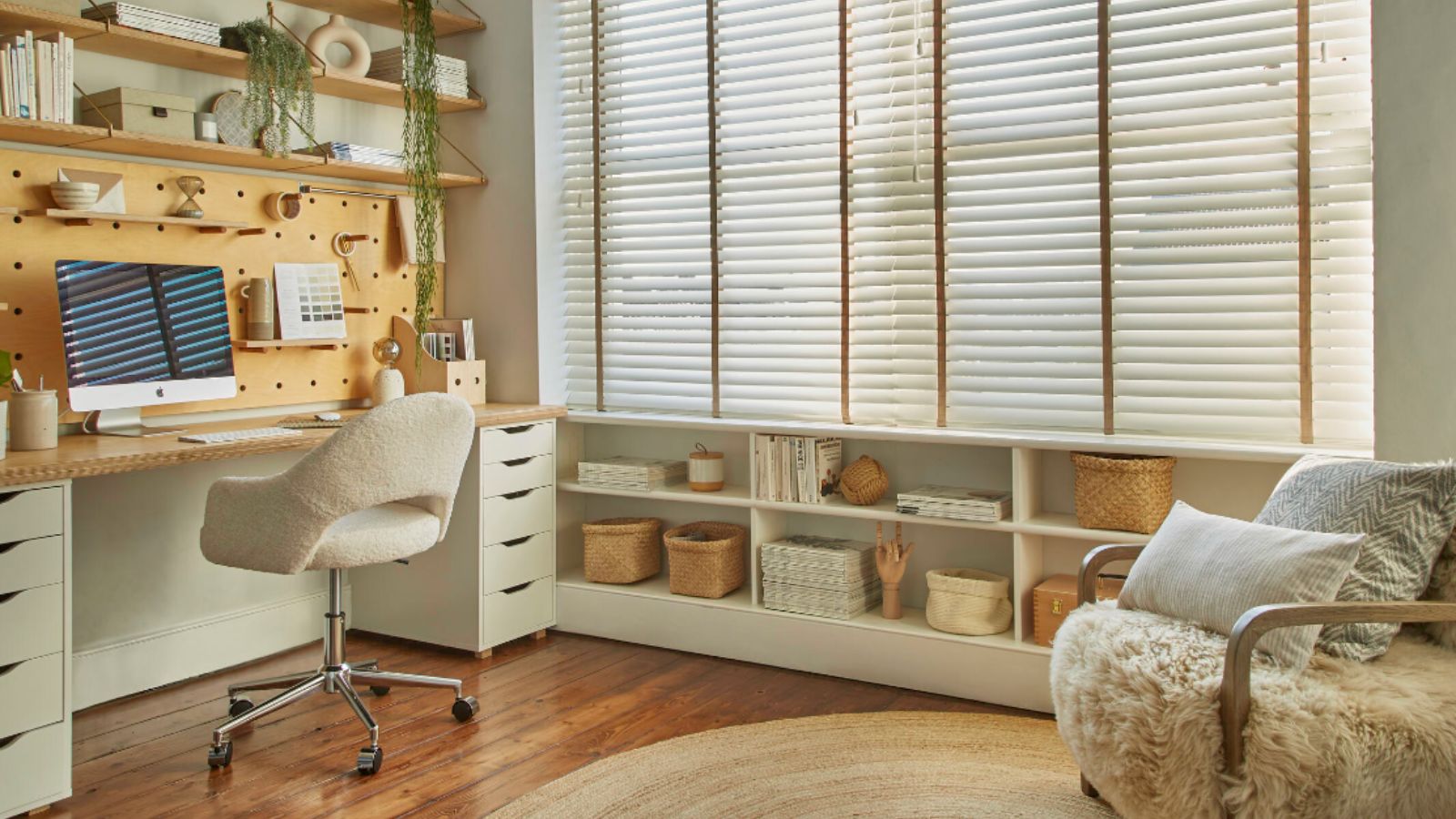
Natural light is the best source for your office. Place your desk near a window to get enough daylight. Use blinds or curtains to control brightness.
Tips for using natural light:
- Face the window to avoid screen glare.
- Use sheer curtains to soften harsh sunlight.
- Keep windows clean to maximize light.
- Arrange furniture to make the most of daylight.
Reducing Glare And Shadows
Good office lighting helps you work comfortably. It reduces glare and shadows that can cause eye strain.
Proper light placement creates a cozy and productive workspace. This guide shares tips to improve your office lighting.
Adjusting Light Angles
Change the angle of your lights to stop bright spots and shadows. Light should not shine directly into your eyes.
Point lamps slightly away from walls and screens. This spreads the light evenly across your workspace.
- Use adjustable lamps for better control
- Aim lights toward the ceiling or walls
- Avoid placing lights behind your screen
Using Diffusers
Diffusers soften light and reduce harsh glare. They help spread light smoothly across the room.
Use lampshades, frosted bulbs, or plastic covers to diffuse light. This creates a warm and cozy office feel.
- Choose diffusers that fit your lamp style
- Replace bright bulbs with diffused ones
- Test different diffuser shapes for best effect
Avoiding Screen Reflections
Reflections on your computer screen cause glare and strain your eyes. Position lights to stop reflections.
Keep windows and lamps out of your screen’s direct view. Use blinds or curtains to control sunlight.
- Place monitors perpendicular to windows
- Use matte screen protectors
- Adjust lamp height to avoid screen shine
Creating Layered Lighting
Layered lighting helps make your office cozy and functional. It mixes different light types to fit your needs. This guide shares simple tips to place lights well in your workspace.
Using ambient, task, and accent lighting together creates balance. Each type has a role to play. Let’s explore how to use them effectively.
Ambient Light Sources
Ambient light gives overall brightness. It fills the room with soft, even light. Use ceiling lights, floor lamps, or wall sconces for ambient lighting.
- Place ceiling fixtures in the center of the room for even light.
- Use floor lamps in corners to reduce shadows.
- Choose lamps with dimmers to adjust light levels.
Task Lighting Ideas
Task lighting focuses on work areas. It helps reduce eye strain during reading or computer work. Desk lamps and adjustable lights work best here.
| Lighting Type | Placement | Purpose |
| Desk Lamp | On desk near work area | Bright focused light for reading |
| Adjustable Arm Lamp | Beside computer monitor | Direct light to reduce glare |
| Under-cabinet Lights | Under shelves | Light specific task spaces |
Accent Lighting Uses
Accent lighting highlights décor or architectural features. It adds warmth and depth to your office. Use spotlights, picture lights, or LED strips.
- Place spotlights to highlight artwork or plants.
- Use picture lights above framed photos or prints.
- Install LED strips on shelves or behind monitors for soft glow.
Personalizing Your Lighting Setup
Creating a cozy office starts with the right lighting. Personalizing your lighting setup helps make your workspace comfortable and inviting.
Good lighting reduces eye strain and boosts focus. It also adds a warm and welcoming feel to your office.
Smart Lighting Controls
Smart lighting controls let you adjust lights easily. You can change brightness or turn lights on and off with a simple tap.
Using apps or voice commands makes it simple to create the perfect mood for work or relaxation.
- Set schedules to match your work hours
- Use dimmers to reduce glare
- Control multiple lights at once
Color Temperature Adjustments
Color temperature changes how your office feels. Cooler light helps you stay alert and focused during work hours.
Warmer light creates a relaxed and cozy atmosphere for breaks or late evenings.
- Use cool white light (5000K) for tasks
- Switch to warm white light (2700K) to relax
- Adjust light color based on time of day
Decorative Light Fixtures
Decorative light fixtures add style and personality to your office. Choose designs that match your taste and room style.
Mixing different fixtures can create layers of light and visual interest.
- Use table lamps for soft, focused light
- Hang pendant lights for a stylish look
- Add fairy lights for a gentle glow
Credit: www.homebuilding.co.uk
Frequently Asked Questions
How Do I Place Lighting For A Cozy Office?
Position lights to reduce glare and shadows. Use warm-toned bulbs and combine ambient, task, and accent lighting for comfort and focus.
What Lighting Types Work Best For Office Coziness?
LED bulbs with warm white tones create a cozy feel. Desk lamps and floor lamps add layered lighting and reduce eye strain.
Where Should I Avoid Placing Office Lights?
Avoid placing lights directly behind screens or above eyes. This causes glare and discomfort. Instead, position lights to illuminate workspaces evenly.
How Can Natural Light Improve Office Coziness?
Natural light boosts mood and productivity. Position desks near windows and complement daylight with soft artificial lighting for balanced brightness.
Conclusion
Good lighting makes your office feel warm and inviting. Place lights where they reduce shadows and glare. Use soft bulbs to avoid harsh brightness. Mix natural light with lamps for comfort. Adjust lights to match your daily tasks. A cozy space helps you focus and feel calm.
Try these tips to brighten your work area right. Small changes create a big difference in mood and productivity. Keep your lighting simple and practical for the best results.