Are you looking to create a cozy, safe space for your little one without breaking the bank? DIY baby furniture hacks can help you transform ordinary pieces into charming, functional nursery essentials.
Imagine saving money while adding a personal touch that suits your style perfectly. You’ll discover easy, creative ideas that anyone can try—no expert skills needed. Ready to make your baby’s room truly special? Keep reading, because these hacks will change the way you think about nursery furniture.
Budget-friendly Baby Furniture
Creating baby furniture at home saves money and adds a personal touch. DIY projects help you build safe and useful pieces without spending too much.
This guide shows easy ways to make baby furniture using old items and simple materials. You do not need special skills to start.
Repurposing Old Furniture
Old furniture can get new life as baby items. A sturdy desk or bookshelf works well for storage or a small crib. Sand and paint them to make them safe and pretty.
- Check the furniture for strong joints and no sharp edges
- Clean thoroughly before use
- Use non-toxic paint or finish
- Add soft padding or covers
Using Pallets For Cribs
Wooden pallets are cheap and easy to find. They can become a cozy crib with a mattress on top. Make sure to remove nails and sand every surface smooth.
| Material | Purpose |
|---|---|
| Wooden pallets | Frame and base for crib |
| Sandpaper | Smooth rough edges |
| Non-toxic paint | Protect wood and add color |
| Mattress | Comfortable sleeping surface |
Upcycling Dressers Into Changing Tables
Old dressers turn into handy changing tables. Remove some drawers to make space and add a changing pad on top. Secure the dresser to the wall to keep it steady.
- Choose a dresser with smooth drawers and no loose parts
- Remove unwanted drawers for storage space
- Paint with baby-safe paint
- Attach a soft changing mat on top
- Fix the dresser to the wall for safety
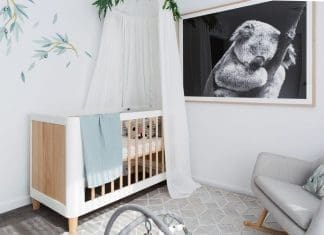
Credit: stylecurator.com.au
Simple Crib Modifications
Changing a crib can make it more useful and stylish. Small updates help the crib grow with your child.
These simple hacks save money and add function to the baby’s furniture.
Adding Storage To Cribs
Adding storage keeps baby items close and organized. You can use small baskets or shelves.
Storage helps parents find diapers, toys, and clothes quickly during busy days.
- Attach fabric pockets to crib sides for diapers and wipes
- Add a rolling drawer under the crib for extra toys
- Use hanging baskets on the crib’s frame for small items
Converting Cribs Into Toddler Beds
Many cribs can change into toddler beds with small changes. This helps the bed last longer.
Removing one side and adding a safety rail makes the crib easy to enter and exit.
- Remove one side panel of the crib
- Attach a toddler rail for safety
- Lower the mattress to the lowest setting
Decorative Elements For Cribs
Decorations make the crib look cozy and fun. Choose soft and safe items for the baby.
Simple additions can brighten the nursery and create a warm space for the child.
- Use removable wall decals near the crib
- Add a soft crib skirt for a finished look
- Attach a fabric canopy or light mobile
Creative Storage Solutions
Making baby furniture at home can save space and money. Using smart storage ideas helps keep the nursery neat.
Creative storage solutions make it easy to find baby items fast. These ideas fit small rooms well.
Hanging Organizers
Hanging organizers use walls or doors to hold baby items. They free up floor space and keep things tidy.
Use fabric or plastic pockets to store diapers, wipes, and toys. Hang them near the changing table for easy reach.
- Use a wooden hanger with fabric pockets
- Hang over the crib or closet door
- Label each pocket for quick access
- Choose washable materials for easy cleaning
Diy Toy Storage Bins
Make toy bins from old boxes or baskets. Cover them with colorful fabric to match the nursery.
These bins keep toys in one place and teach kids to clean up. Stack bins to save floor space.
- Use cardboard boxes wrapped in cloth or paper
- Add handles for easy carrying
- Stack bins by size or toy type
- Label bins with pictures or words
Multi-functional Shelves
Build shelves that hold toys, books, and clothes. Choose shelves with different sized compartments.
Some shelves can double as a bench or changing table. This saves space and adds extra storage.
- Use sturdy wood or plastic materials
- Combine open shelves with bins or baskets
- Place shelves at child’s height for easy access
- Include a flat top for sitting or changing

Credit: www.create-enjoy.com
Safe And Soft Seating
Creating soft and safe seating for babies is important. These seats help babies sit comfortably and avoid injuries.
DIY baby furniture can be fun and affordable. Use soft materials and safe designs to protect your little one.
Making Floor Cushions
Floor cushions give babies a soft place to sit or play. Use thick fabric and soft stuffing for comfort.
Choose washable covers to keep cushions clean. Add non-slip fabric on the bottom to prevent sliding.
- Use foam or polyester fiberfill for padding
- Pick cotton or fleece fabric for softness
- Sew covers with zippers for easy washing
- Add grip material on the bottom side
Diy Rocking Chair Ideas
Build a rocking chair with smooth edges and soft cushions. Use lightweight wood for easy moving.
Add foam padding on the seat and backrest. Cover with baby-safe fabric to avoid allergies.
- Sand all wood parts to remove splinters
- Use gentle rocking motion for safety
- Secure all parts with screws or strong glue
- Choose soft, washable cushions
Padded Seating From Household Items
Use pillows, blankets, or old cushions to make padded seats. Layer items for extra softness and safety.
Wrap pillows in clean cloth and secure with ties. Check for loose parts that could be a hazard.
- Stack firm pillows for base support
- Use soft blankets as covers
- Tie or sew edges to keep padding in place
- Always supervise babies on soft seating
Customizing Nursery Decor
Creating a special nursery is fun and rewarding. You can make the space feel warm and unique for your baby.
DIY baby furniture hacks help you save money and add personal style. Small changes can make big differences.
Painting Furniture With Non-toxic Paints
Using non-toxic paints keeps your baby safe. These paints do not have harmful chemicals or strong smells.
Choose soft, calming colors that match the nursery theme. You can repaint old furniture to look fresh and new.
- Pick water-based paints labeled non-toxic
- Sand the furniture before painting for smoothness
- Apply two coats for even color
- Let the paint dry completely before use
Adding Personalized Touches
Personal touches make the nursery truly yours. Add your baby’s name or special designs to furniture pieces.
You can use stencils, stickers, or hand paint letters and shapes. This adds charm and makes items one of a kind.
- Use stencils for neat letters and shapes
- Try removable stickers for easy changes
- Paint small designs like stars or animals
- Add decals with your child’s initials
Using Fabrics For Soft Accents
Fabrics add comfort and color to baby furniture. Soft cushions or covers make the space cozy and inviting.
You can sew or glue fabric to chairs, stools, or storage bins. Choose gentle, washable fabrics that are safe for babies.
- Pick cotton or fleece for softness
- Add fabric covers to wooden seats
- Use fabric to line shelves or drawers
- Create small pillows for extra comfort

Credit: www.create-enjoy.com
Essential Tools And Materials
Creating baby furniture can be fun and rewarding. It requires the right tools and safe materials to ensure your little one’s comfort and safety.
This guide will help you understand the basic tools you need, how to choose baby-safe materials, and where to find supplies.
Basic Tools For Beginners
Beginners need simple tools to start making baby furniture. These tools are easy to find and use.
- Hammer for nailing pieces together
- Screwdriver for assembling parts
- Measuring tape to ensure accuracy
- Sandpaper for smooth surfaces
- Paintbrush for finishing touches
Choosing Baby-safe Materials
Safety is important when choosing materials for baby furniture. Use materials that are non-toxic and gentle.
- Natural wood without sharp edges
- Water-based paints and finishes
- Organic fabrics for cushioning
- BPA-free plastics if needed
Where To Source Supplies
Finding the right supplies can be easy. Many stores and websites offer the materials you need for baby furniture projects.
- Local hardware stores for tools
- Craft stores for paints and fabrics
- Online marketplaces for a wider selection
- Second-hand shops for budget-friendly options
Frequently Asked Questions
What Are Easy Diy Baby Furniture Hacks For Beginners?
Simple hacks include repurposing old furniture, using peel-and-stick decals, and adding soft cushions. These ideas save money and personalize your baby’s space quickly and safely.
How Can I Make Baby Furniture Safer At Home?
Use non-toxic paint, smooth edges, and secure furniture to walls. Adding corner guards and choosing sturdy materials prevent injuries and ensure baby safety.
Which Materials Are Best For Diy Baby Furniture?
Opt for sustainable wood, non-toxic paints, and soft fabrics. These materials are durable, safe, and comfortable for your baby’s furniture projects.
Can I Customize Baby Furniture On A Budget?
Yes, use thrifted items, paint, and decorative knobs. Upcycling old pieces with creative touches offers unique, affordable baby furniture solutions.
Conclusion
DIY baby furniture hacks save money and add personal style. Simple projects bring joy and a sense of pride. You can create safe, unique pieces for your baby’s room. These ideas suit different skill levels and budgets. Start small, use easy materials, and enjoy the process.
Your baby’s space will feel warm and special. Try these hacks to make furniture that fits your needs. Creativity and care make all the difference. Give your baby a cozy, handmade touch today.