Are you tired of a cluttered office with nowhere to put your books and essentials? Imagine having a stylish, custom bookshelf that fits perfectly in your space and shows off your personality.
You don’t need to spend a lot or hire a professional to get that. With simple tools and a bit of creativity, you can build your own bookshelf that transforms your office into a neat, inspiring place. Keep reading, and you’ll discover easy DIY bookshelf projects that make organizing your office both fun and rewarding.
Your perfect workspace is just a few steps away!
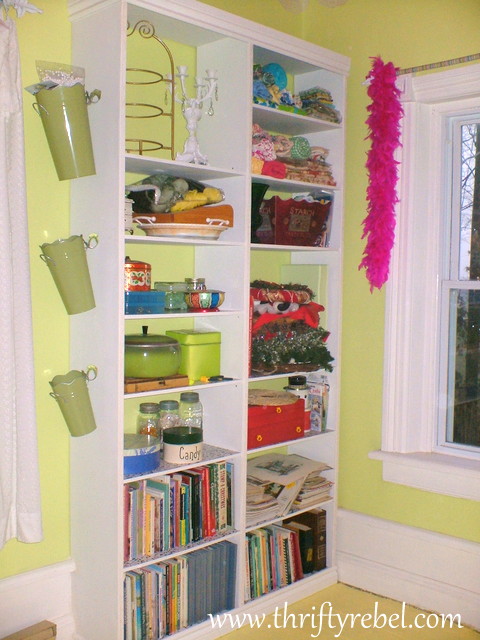
Credit: colormethrifty.com
Choosing The Right Bookshelf Style
Choosing the right bookshelf style can improve your office space. It helps keep books and items organized. The style you pick should match your room size and decor.
This guide shows three popular bookshelf styles. Each style fits different needs and design preferences.
Floating Shelves For Minimal Space
Floating shelves save floor space and add a clean look. They mount directly on the wall. These shelves work well in small offices or tight corners.
You can arrange floating shelves in many ways. They are great for holding books, plants, or office supplies.
Ladder Shelves For Modern Look
Ladder shelves lean against the wall and have steps for storage. They give a modern and casual feel to the room. These shelves suit offices with open space and tall walls.
- Easy to move and rearrange
- Different shelf heights for varied items
- Adds style without heavy furniture
- Good for books and decorative pieces
Cube Storage Units For Versatility
Cube storage units have square compartments. They fit books, boxes, and office tools. You can stack or place cubes side by side.
| Feature | Benefit |
| Adjustable compartments | Customize storage space |
| Stackable design | Expand as needed |
| Various colors and finishes | Match any office style |
| Open or closed cubes | Choose display or hidden storage |
Materials And Tools Needed
Building a DIY bookshelf for your office needs careful planning. You need the right materials and tools to get the job done well.
This guide helps you understand what wood types suit your project. It also lists the essential tools and safety gear you need.
Wood Types And Their Benefits
Choosing the right wood affects the strength and look of your bookshelf. Here are common wood types and why they work well.
| Wood Type | Benefits |
| Pine | Affordable, easy to work with, light color |
| Oak | Strong, durable, attractive grain |
| Birch | Hard, smooth finish, resists dents |
| Maple | Very hard, good for heavy loads, smooth surface |
| Cherry | Rich color, ages well, sturdy |
Essential Tools For Diy Projects
Having the right tools makes building easier and faster. Here is a list of tools you should have for your bookshelf project.
- Measuring tape for accurate dimensions
- Circular saw or handsaw to cut wood pieces
- Power drill with drill bits for screws
- Screwdriver to tighten screws
- Hammer for nails and adjustments
- Clamps to hold wood firmly
- Sandpaper or electric sander for smooth edges
- Wood glue for stronger joints
Safety Gear And Best Practices
Safety is important while working with tools and wood. Use proper gear and follow best practices to avoid accidents.
- Wear safety goggles to protect your eyes
- Use ear protection against loud tools
- Wear gloves to avoid splinters and cuts
- Keep your work area clean and well-lit
- Follow tool instructions carefully
- Work slowly and do not rush cuts or drilling
- Keep children and pets away from the workspace
Step-by-step Building Guides
Building your own bookshelf can save money and add charm to your office. This guide shows easy projects anyone can try.
Each project includes clear steps and simple tools. Choose the style that fits your space and needs.
Simple Wall-mounted Bookshelf
This bookshelf is perfect for small offices. It keeps books off the floor and frees up space.
You need wood boards, brackets, screws, and a drill. Measure your wall space before starting.
- Cut the wood boards to your desired length
- Attach brackets to the wall with screws
- Place the wood boards on the brackets
- Secure the boards with screws to prevent movement
- Paint or stain the shelf to match your office
Corner Bookshelf For Small Spaces
Use corner space well with a corner bookshelf. It fits into tight spots and holds many books.
This project needs wood boards, nails, wood glue, and a hammer. Cut boards to fit your corner area.
- Cut two boards to fit the corner walls
- Attach shelves between the two boards with nails and glue
- Use a level to keep shelves even
- Sand rough edges for a smooth finish
- Paint or varnish to protect the wood
Multi-tiered Standing Bookshelf
This bookshelf stands on the floor and has many shelves. It is great for offices with enough floor space.
Gather wood planks, screws, a screwdriver, and wood finish. Make sure the shelves fit your book sizes.
- Build the frame using four vertical planks
- Attach horizontal shelves between the vertical planks
- Secure all joints with screws for strength
- Sand the entire shelf to remove splinters
- Apply wood finish to improve look and durability
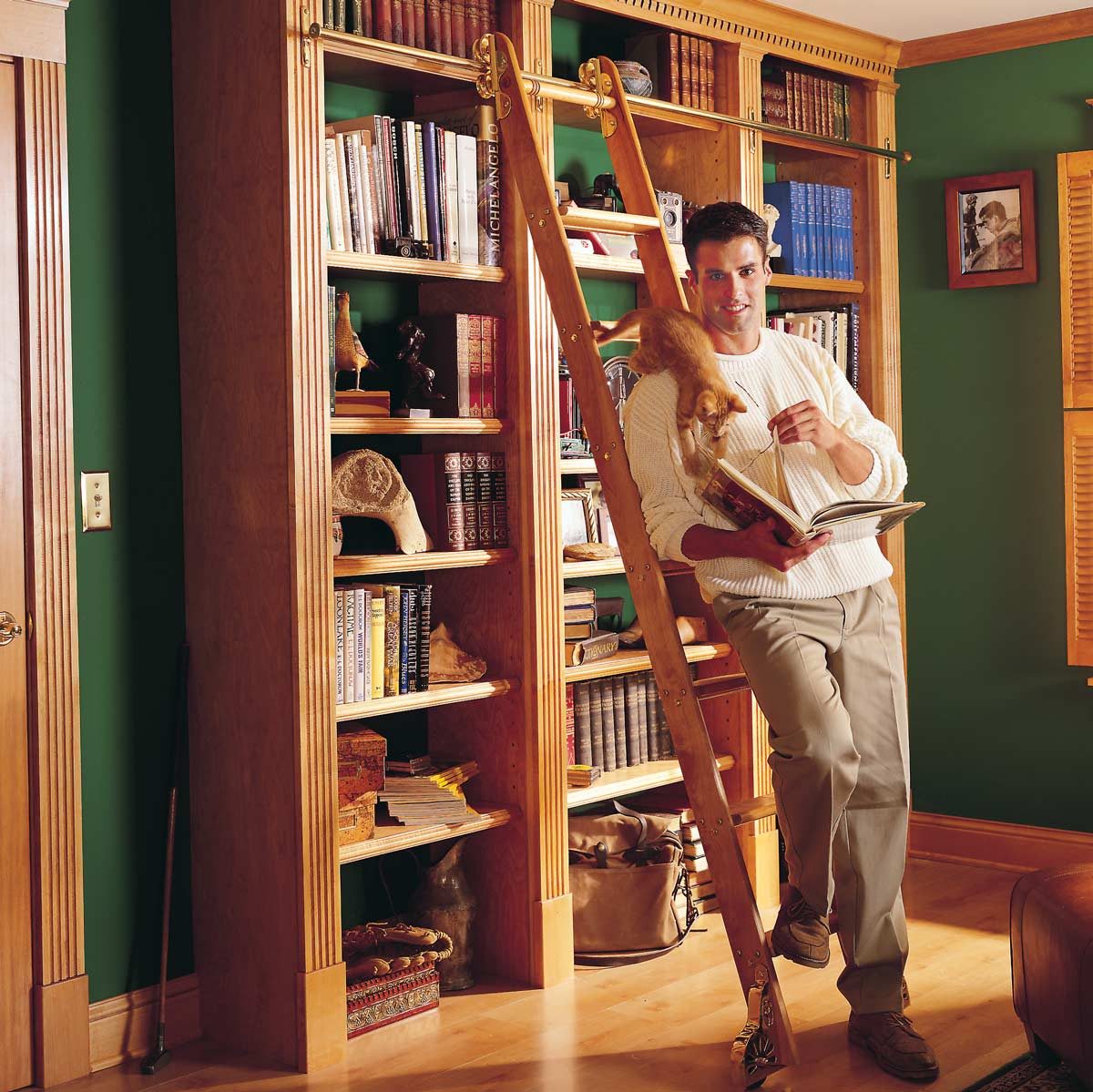
Credit: www.familyhandyman.com
Creative Finishing Touches
Adding creative finishing touches makes your DIY bookshelf unique. These details help your office space feel more personal.
Small improvements can change how your bookshelf looks and works. Focus on style and function for the best results.
Painting And Staining Techniques
Painting or staining your bookshelf gives it a fresh look. Choose colors or stains that match your office decor.
You can try different finishes like matte, glossy, or distressed. These add texture and style to your shelves.
- Use painter’s tape for clean edges
- Apply thin coats to avoid drips
- Sand between coats for smoothness
- Test stain on scrap wood first
Adding Decorative Hardware
Decorative hardware can make your bookshelf stand out. Add knobs, handles, or metal corners for extra detail.
Choose hardware that matches your office style. It also helps protect edges and adds durability.
- Brass or bronze handles for vintage look
- Modern metal corners for sleek style
- Colorful knobs for a playful touch
- Decorative brackets for extra support
Incorporating Lighting Elements
Lighting makes your bookshelf both useful and attractive. Add LED strips or small lamps to brighten your shelves.
Good lighting helps you find books and decor easily. It also creates a cozy office atmosphere.
- LED strip lights under shelves
- Battery-powered puck lights
- Clip-on reading lamps
- Smart bulbs with color options
Organizing Tips For Office Efficiency
Keeping your office bookshelf tidy helps you work faster and better. A neat space reduces stress and saves time looking for things.
Try simple ideas to organize books and supplies. Use smart storage tricks to make your office neat and easy to use.
Categorizing Books And Supplies
Sort your books and supplies by type or use. Group similar items together for quick access. Label shelves to find things fast.
- Place reference books on one shelf
- Put notebooks and planners in one area
- Keep writing tools in a separate spot
- Store electronics like chargers in one place
Using Baskets And Containers
Baskets and containers keep small items from cluttering shelves. Choose containers that fit your space and style.
| Container Type | Use | Benefits |
| Woven Basket | Magazines, papers | Breathable, stylish |
| Plastic Bin | Office supplies | Durable, stackable |
| Drawer Organizer | Pens, clips | Neat, easy to reach |
Maximizing Vertical Space
Use tall shelves to store more without taking floor space. Add hooks or wall shelves above your desk.
- Install floating shelves for extra storage
- Use stackable boxes to save shelf space
- Hang small baskets on the side of shelves
- Place frequently used items at eye level
Maintenance And Longevity
DIY bookshelves add character to your office. Maintaining them ensures they last for years. Proper care keeps them looking new and strong.
Regular checks and simple fixes extend their life. Upgrades can also keep your bookshelf up-to-date and stylish.
Cleaning And Care Tips
Cleaning your bookshelf is easy and quick. Dust and dirt can damage the surface if left unchecked.
Use a soft cloth to wipe it down regularly. Avoid using water or harsh chemicals that may harm the wood or finish.
- Dust weekly with a dry cloth
- Avoid direct sunlight to prevent fading
- Use coasters under any items that could spill
Repairing Common Wear And Tear
Bookshelves can get scratched or loose over time. Simple repairs keep them sturdy and looking good.
Tighten loose screws and fix any wobbly shelves. Small scratches can be covered with matching wood polish.
- Check and tighten screws monthly
- Fill scratches with wood filler
- Replace broken parts promptly
Upgrading Your Bookshelf Over Time
Upgrading your bookshelf keeps it fresh and functional. Adding new features can enhance its utility and appearance.
Consider adding more shelves or decorative elements. Paint or stain can refresh the look to match new office decor.
- Add adjustable shelves for flexibility
- Use paint to change its color
- Decorate with new hardware like handles or knobs

Credit: the256project.com
Frequently Asked Questions
What Materials Are Best For Diy Office Bookshelves?
Wood, plywood, and MDF are ideal for DIY bookshelves. They offer durability and easy customization. Choose materials based on your budget and style preferences.
How Can I Maximize Space With Office Bookshelves?
Use vertical shelving and adjustable shelves to maximize office space. Incorporate corner shelves and multi-tier designs for added storage efficiency.
Are Diy Bookshelves Cost-effective For Office Use?
Yes, DIY bookshelves save money compared to store-bought options. They allow customization and use of affordable materials, fitting any office budget.
How Do I Ensure Stability In Diy Office Bookshelves?
Secure shelves with brackets and anchors to walls for stability. Use quality screws and ensure even weight distribution on shelves.
Conclusion
DIY bookshelf projects add style and function to your office space. They save money and let you customize designs. Simple tools and materials can create sturdy shelves. These projects make organizing books and supplies easier. Plus, building your own shelf feels rewarding.
Try different styles to fit your room’s look. Start small and enjoy the creative process. Your office will look neat and welcoming. Give these projects a chance and see the difference.