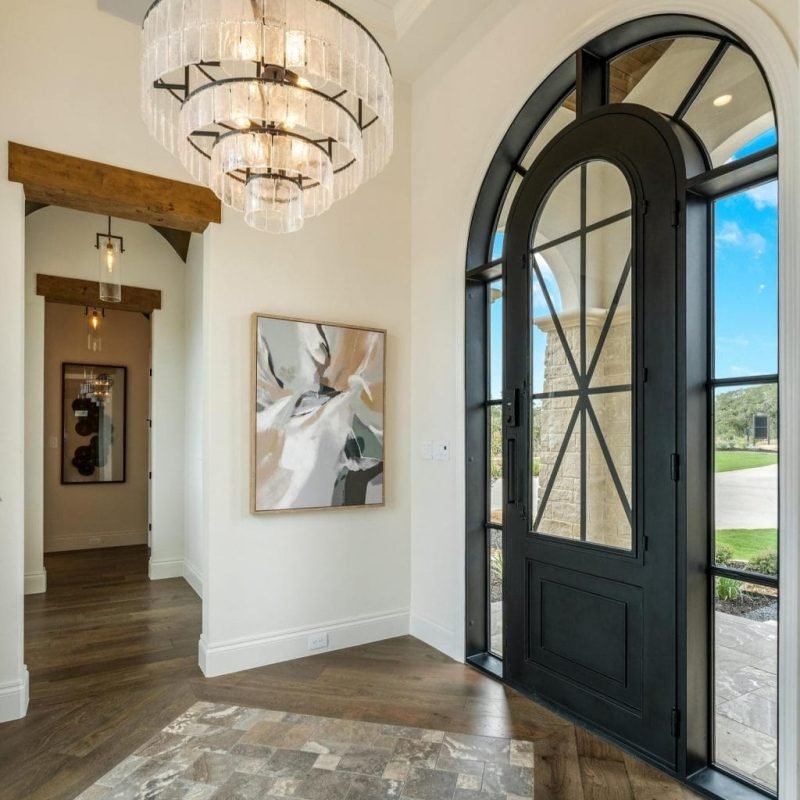
Looking to transform your hallway without a big renovation? Your solution might be simpler than you think.
DIY hallway pendant light placement projects can completely change the way your space feels and functions. Imagine a warm glow guiding your steps, highlighting your style, and making your home feel more inviting—all with the right lighting in the right spot.
You’ll discover easy and effective ways to choose and place pendant lights that fit your hallway perfectly. Ready to brighten up your space and impress everyone who walks through your door? Let’s get started.
Choosing The Right Pendant Light
Pendant lights add style and function to hallways. Picking the right one helps the space look its best.
Think about the size, shape, and light type before buying. These factors affect the hallway’s look and feel.
Styles That Fit Hallways
Hallways need lights that do not take up much space. Slim, simple designs work well in narrow areas.
Choose styles that match your home’s look. Modern, rustic, or classic pendants can all fit hallways.
- Linear pendants for long hallways
- Small globe lights for cozy spaces
- Metal or glass finishes for style
- Minimalist shapes to avoid clutter
Size And Scale Considerations
Pick a pendant size that fits your hallway width and ceiling height. Too big or small can look odd.
Measure your hallway before buying. Use these tips to get the right size:
- Hang lights 7 feet above the floor
- Choose smaller pendants for narrow hallways
- Use multiple small lights for long spaces
- Keep clearance for walking under the light
Lighting Types And Bulbs
Pick bulbs that give enough light without glare. Soft white bulbs create a warm, welcoming glow.
Consider these bulb and lighting options for hallways:
- LED bulbs save energy and last long
- Warm light bulbs make spaces cozy
- Dimmable lights adjust brightness as needed
- Clear bulbs show off pendant design
Planning Your Pendant Light Placement
Choosing the right spot for your hallway pendant lights makes a big difference. Proper placement helps light the space evenly and looks good.
Careful planning avoids shadows and bright spots. It also keeps your hallway safe and welcoming.
Measuring Ceiling Height And Width
Measure your hallway ceiling height to pick the correct pendant length. Too low can block the way, too high may not light well.
Next, check the hallway width to decide how far apart your lights should be. This keeps light spread balanced.
- Use a tape measure for height from floor to ceiling
- Measure width from one wall to the other
- Note any ceiling features like beams or vents
Spacing Between Fixtures
Space your pendant lights evenly to avoid dark spots. The right gap depends on hallway size and light strength.
Too close lights waste energy and look crowded. Too far apart leaves parts of the hall dim.
- For narrow halls, place fixtures about 3 to 4 feet apart
- In wider halls, increase spacing to 5 to 6 feet
- Adjust based on the bulb brightness and fixture size
Aligning With Hallway Features
Match your pendant lights with hallway features like doors and artwork. This creates a balanced look.
Center lights above key areas to highlight them. Avoid placing fixtures where they block views or doorways.
- Place lights evenly between door frames
- Align fixtures with wall art or mirrors
- Keep lights away from low hanging objects
Tools And Materials Needed
Installing a hallway pendant light requires the right tools and materials. Preparing ahead makes the project easier and safer.
This guide lists the essential electrical tools, safety gear, and additional materials needed for your DIY project.
Essential Electrical Tools
You will need specific tools to handle wiring and installation. These tools help you work efficiently and avoid damage.
- Voltage tester to check power
- Wire strippers for removing insulation
- Needle-nose pliers for bending wires
- Screwdrivers (flathead and Phillips)
- Drill with bits for mounting
- Wire nuts to connect wires safely
- Measuring tape for accurate placement
Safety Gear
Wearing proper safety gear protects you from electric shocks and injuries. Never skip these items during installation.
| Safety Gear | Purpose |
| Insulated gloves | Prevent electric shock |
| Safety goggles | Protect eyes from debris |
| Dust mask | Keep dust out of lungs |
| Non-slip shoes | Prevent falls on ladders |
| Helmet (optional) | Protect head in crowded spaces |
Additional Materials
Besides tools, gather materials needed to mount and connect the pendant light securely.
- Pendant light fixture with mounting bracket
- Electrical box (if not already installed)
- Wire connectors matching wire size
- Electrical tape for insulation
- Light bulbs suited for your fixture
- Wire clamps to secure cables

Credit: hanashappyhome.com
Step-by-step Installation Guide
Installing a hallway pendant light can brighten your space and add style. Follow these steps to place it safely and correctly.
This guide covers turning off power, removing old fixtures, wiring, mounting, and testing your new pendant light.
Turning Off Power Safely
Always start by turning off the power at the circuit breaker. This prevents electric shock during installation.
Use a voltage tester to make sure the wires have no electricity before you touch them.
- Locate the correct circuit breaker panel.
- Switch off the breaker for the hallway light.
- Use a voltage tester on the wires.
- Confirm the power is off before proceeding.
Removing Old Fixtures
Remove the old light fixture carefully. Unscrew it from the ceiling and disconnect the wires.
Keep the screws and mounting bracket if your new pendant needs them.
- Remove the light bulb from the old fixture.
- Unscrew the fixture base from the ceiling.
- Disconnect the wires by loosening wire nuts.
- Take down the old fixture and set aside.
Wiring And Mounting The Pendant
Connect the pendant light wires to the house wiring. Match the colors: black to black, white to white, and green or bare copper to ground.
Secure the mounting bracket to the electrical box. Attach the pendant light base and tighten screws firmly.
- Strip wire ends if needed.
- Connect black (live) wires together.
- Connect white (neutral) wires together.
- Attach ground wires to the grounding screw.
- Fix the mounting bracket to the ceiling box.
- Attach the pendant fixture and tighten screws.
Testing And Adjusting Light
Turn the power back on at the breaker. Use the switch to test if the pendant light works properly.
Adjust the height or angle of the pendant if needed to suit your hallway space.
- Restore power at the circuit breaker.
- Turn on the light switch.
- Check that the light turns on and off.
- Adjust the pendant height or chain length.
- Secure adjustments to prevent movement.
Creative Placement Ideas
Choosing the right spot for a hallway pendant light can change the whole look. Good placement makes the space feel welcoming and bright.
Try different styles and layouts to find what fits your home best. This guide shows creative ideas to place pendant lights in hallways.
Symmetrical Vs. Asymmetrical Layouts
Symmetrical layouts use evenly spaced lights. They give a clean and balanced look to your hallway.
Asymmetrical layouts place lights unevenly. This style creates a modern and artistic feel in the space.
- Symmetrical: Lights centered along the hallway’s middle
- Asymmetrical: Lights placed closer to walls or corners
- Symmetrical suits classic or formal homes
- Asymmetrical fits casual or creative spaces
Clustered Pendant Arrangements
Clustered pendants group several lights close together. This adds style and brightens a specific area well.
Clusters work great near entryways or wider hallway spots. They act like a small chandelier made of pendants.
- Use different pendant heights for a dynamic look
- Choose pendants with matching colors or shapes
- Keep cluster size proportional to hallway width
- Clusters add focus and warmth in plain hallways
Highlighting Artwork And Decor
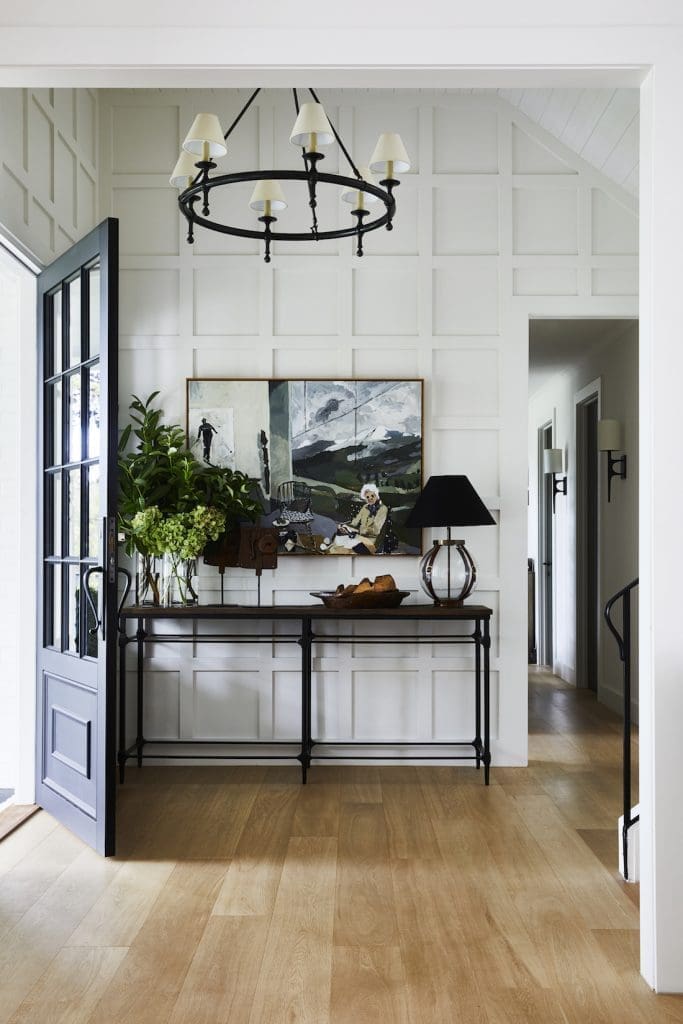
Place pendants to shine light on artwork or decor. This shows off your personal style and adds interest.
Adjust pendant height and angle to avoid glare. Soft, focused light enhances paintings and objects.
- Center pendants above paintings or shelves
- Use warm bulbs to highlight colors gently
- Mix pendant styles to match the decor theme
- Lighting draws attention to your hallway’s features
Credit: stylecurator.com.au
Troubleshooting Common Issues
DIY hallway pendant light projects can enhance the look of your home. Sometimes, you might face common issues during installation. Here, we discuss solutions to these problems.
Understanding these issues and how to fix them can save you time and effort. Let’s explore the most frequent challenges and their solutions.
Flickering Lights
Flickering lights can be annoying and may indicate an underlying problem. Ensure all connections are secure and that the bulbs are screwed in properly.
- Check the bulb for defects
- Inspect the wiring for loose connections
- Ensure the switch is functioning correctly
Uneven Lighting Coverage
Uneven lighting can make areas of your hallway appear dark. To achieve balanced lighting, you might need to adjust fixture placement or bulb type.
| Solution | Action |
| Adjust Fixture Height | Lower or raise the pendant for better coverage |
| Change Bulb Type | Use bulbs with wider beam angles |
| Reposition Fixture | Move fixture to a central location |
Fixture Stability Problems
A stable fixture is crucial for safety. If your pendant light wobbles, check the ceiling mount and screws for tightness.
Enhancing Hallway Ambiance
Creating the right ambiance in your hallway transforms it into a welcoming space. Proper lighting plays a crucial role in achieving this effect.
Pendant lights offer a stylish solution for illuminating hallways. Placement and control are key to enhancing the atmosphere.
Using Dimmers And Smart Controls
Dimmers allow you to adjust light levels according to the time of day. This adds flexibility and enhances mood.
- Install dimmer switches for pendant lights.
- Use smart controls for remote adjustments.
- Program lighting schedules for energy efficiency.
Complementary Wall And Floor Lighting
Pairing pendant lights with wall and floor lighting creates depth. This combination highlights architectural features.
Color Temperature Effects
The color temperature of light impacts the hallway’s feel. Cool lights are crisp, while warm lights are cozy.
| Color Temperature | Effect |
| Warm White (2700K-3000K) | Creates a cozy ambiance |
| Cool White (3500K-4100K) | Offers a modern, clean look |
| Daylight (5000K-6500K) | Mimics natural daylight |
Budget-friendly Tips
Installing a hallway pendant light can brighten your space without spending a lot. Simple choices help save money and still look great.
Use smart ideas to pick fixtures, decide on installation, and reuse materials. This guide shares helpful tips for a budget-friendly project.
Affordable Fixture Options
Choosing the right fixture is key to keeping costs low. Look for designs that fit your style and budget.
- Opt for basic metal or glass pendants instead of designer brands
- Shop at discount stores or online sales for deals
- Consider fixtures with energy-saving LED bulbs to reduce future costs
- Pick simple shapes and colors that suit many decor styles
Diy Vs. Professional Installation
Deciding between doing it yourself or hiring a pro affects your budget and safety. Here are some points to think about.
| Factor | DIY | Professional |
| Cost | Lower upfront, tools may be needed | Higher, includes labor charges |
| Safety | Risk if not experienced | Safe with certified electricians |
| Time | May take longer | Usually faster |
| Quality | Depends on skill | Generally reliable |
Repurposing Materials
Using old items can lower costs and add a unique look. Many materials work well for hallway pendant lights.
- Turn old jars or bottles into light shades
- Use vintage chains or ropes for hanging cords
- Paint or decorate secondhand fixtures to fit your style
- Recycle parts from broken lamps or ceiling fans

Credit: www.velux.co.uk
Frequently Asked Questions
How High Should A Hallway Pendant Light Hang?
A hallway pendant light should hang 7 feet from the floor. This height ensures ample clearance and balanced illumination. Adjust height if ceilings are higher or lower for best visual appeal and safety.
Where Is The Best Spot For Pendant Lights In Hallways?
Place pendant lights centered along the hallway’s length. Position them evenly spaced for consistent lighting. Avoid placing directly above doorways to prevent glare and shadows.
Can Multiple Pendant Lights Work In A Long Hallway?
Yes, multiple pendant lights can illuminate long hallways well. Space them evenly to avoid dark spots. Use dimmable fixtures to control brightness for ambiance.
What Size Pendant Light Suits A Narrow Hallway?
Choose smaller pendants with a diameter under 12 inches for narrow hallways. This prevents crowding and maintains walkway space. Slim designs enhance style without overwhelming the area.
Conclusion
DIY hallway pendant light projects add style and function to your space. Careful placement creates the right mood and brightens dark areas. You can highlight artwork or architectural details easily. Small changes make a big difference in hallway lighting. Try different heights and positions until it feels right.
Enjoy the cozy and inviting atmosphere you create. Simple steps bring charm and light to your home. Keep experimenting to find the perfect glow for your hallway.