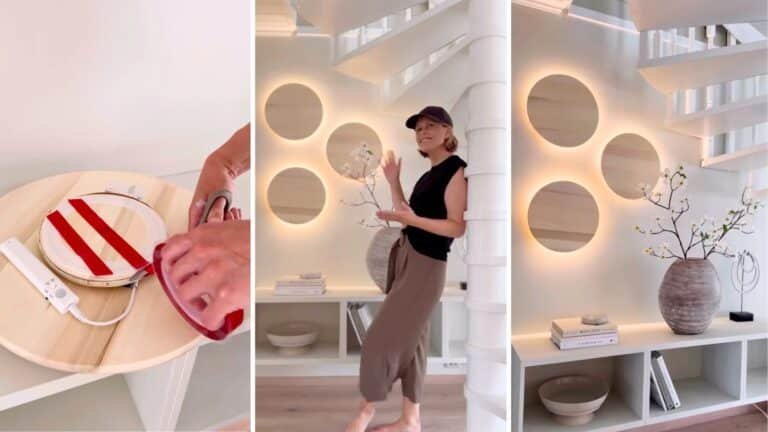
Are you looking to add a personal touch to your hallway without spending a fortune? Creating your own hallway pendant light can transform a plain space into something stylish and inviting.
Imagine walking down a hallway that feels warm, bright, and uniquely yours. You’ll find simple DIY projects that make it easy to craft pendant lights that fit your style and skill level. Ready to light up your hallway and impress everyone who visits?
Keep reading—your perfect pendant light is just a few steps away.
Choosing The Right Pendant Light
Picking the right pendant light can change how your hallway looks and feels. It gives the space a nice glow and adds style.
Think about the size, style, and how it fits with your home’s design before you start your project.
Consider Room Size And Ceiling Height
Measure your hallway to choose a light that fits well. A small pendant looks good in narrow spaces.
High ceilings can hold bigger or longer pendants. Low ceilings need shorter ones to avoid bumps.
- Small hallways: use small or medium-sized lights
- Large hallways: choose larger or multiple pendants
- High ceilings: longer or multi-level pendants work best
- Low ceilings: keep pendants close to the ceiling
Select Materials And Styles
Pick materials that match your hallway’s use and look. Metal, glass, or wood all create different feelings.
Choose styles that suit your taste. Modern, vintage, or rustic styles each bring a unique touch.
- Metal gives a sleek or industrial feel
- Glass adds brightness and elegance
- Wood creates warmth and charm
- Modern styles are simple and clean
- Vintage styles have classic details
- Rustic styles feel natural and cozy
Match Existing Decor
Look at your hallway’s colors and furniture. Pick a pendant light that fits with these elements.
Matching your light to your decor makes the space feel complete and balanced.
- Match metal finishes to door handles or frames
- Choose colors that blend with walls or floors
- Pick shapes that echo furniture styles
- Use similar textures to create harmony
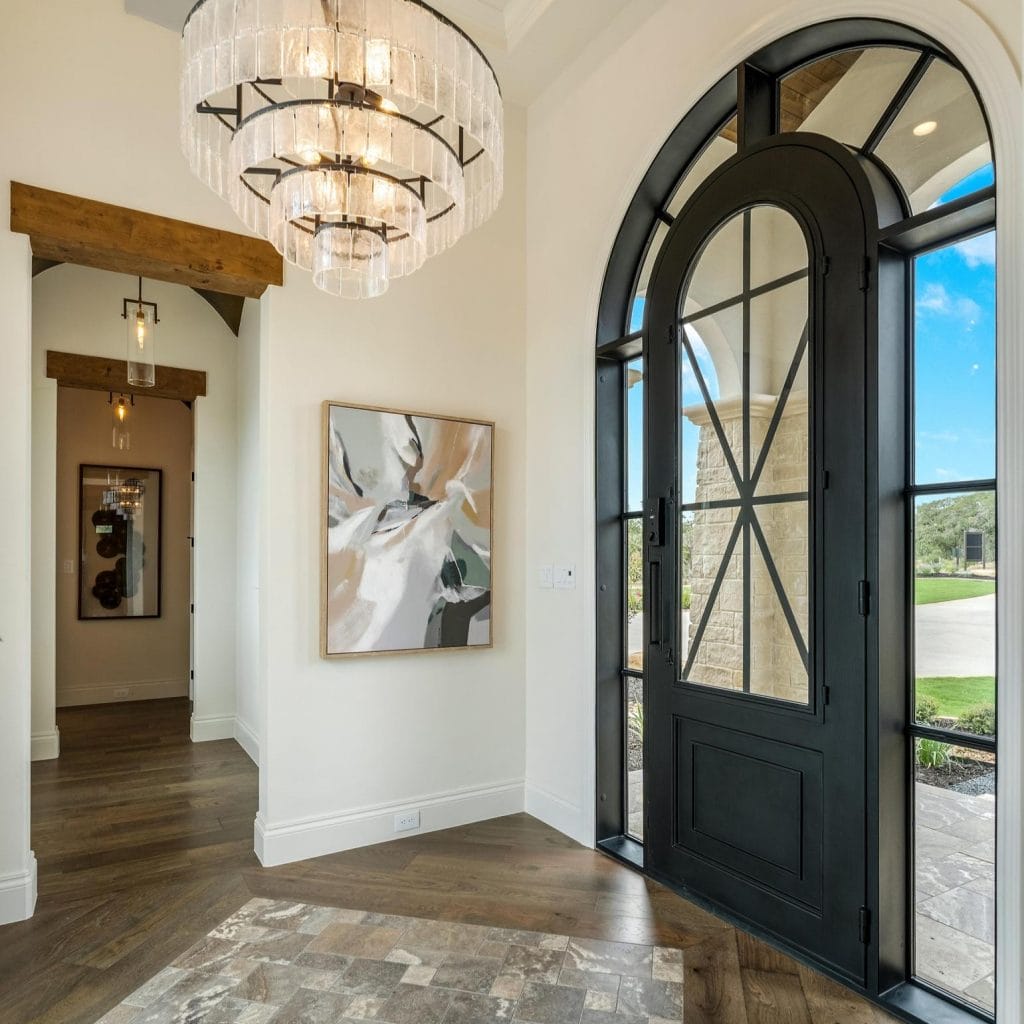
Credit: www.decorilla.com
Essential Tools And Materials
Building a DIY hallway pendant light is a fun and useful project. You need the right tools and materials to do it safely and well.
This guide covers the basic supplies, tools for assembly, and safety gear you will need.
Basic Electrical Supplies
Electrical supplies are key to making your pendant light work. Choose parts that fit your design and home wiring.
- Light socket or fixture base
- Electrical wire (usually 14 or 16 gauge)
- Wire nuts for connections
- Light bulb (check the wattage limit)
- Ceiling electrical box
- Mounting bracket or plate
- Switch or dimmer (if needed)
- Electrical tape
Tools For Assembly And Installation
You need some basic tools to put the pendant light together and install it in your hallway.
- Screwdrivers (flathead and Phillips)
- Wire stripper and cutter
- Pliers (needle-nose are best)
- Voltage tester to check power
- Drill with bits (for mounting holes)
- Measuring tape or ruler
- Step ladder or sturdy stool
Safety Gear
Safety is very important when working with electricity and tools. Use the right gear to protect yourself.
- Insulated gloves to prevent shocks
- Safety glasses to protect eyes
- Dust mask if drilling or sanding
- Non-slip shoes for stable footing
- Turn off power at the breaker before starting
Simple Diy Pendant Light Designs
DIY pendant lights add style and light to any hallway. You can make them with simple materials. These projects suit beginners and save money.
Choose from wire cages, mason jars, or wooden frames. Each design gives a unique look and feel. Let’s explore easy ideas for each style.
Wire Cage Fixtures
Wire cage lights have a modern, industrial look. You can find wire cages at craft stores or online. They are easy to paint or leave raw for a rustic style.
- Buy a wire cage that fits your bulb size
- Attach a pendant light kit inside the cage
- Use a strong cord and secure the cage with hooks
- Choose an Edison bulb for vintage glow
- Hang the fixture at the right height in your hallway
Mason Jar Lights
Mason jar lights are charming and easy to make. Use old jars to create a cozy glow. They work well in small or long hallways.
| Materials | Details |
| Mason jar | Choose clear or frosted |
| Light socket | Fits inside jar lid |
| Bulb | Small LED bulbs work best |
| Electrical cord | Long enough for ceiling height |
| Lid | Drill hole for socket |
Drill a hole in the lid to fit the socket. Attach the bulb and secure the jar on the lid. Connect the cord to power and hang the light.
Wooden Frame Pendants
Wooden frames add warmth and natural charm. Use small wooden squares or rectangles. Sand and paint the wood for a smooth finish.
To build a wooden frame pendant light:
- Cut wooden pieces to the desired size
- Assemble pieces into a square or rectangle frame
- Drill a hole for the bulb socket
- Install the light socket and bulb inside
- Attach the frame to the ceiling with a cord
Wood frames look great with exposed bulbs. Use LED bulbs to avoid heat damage. This style fits rustic and farmhouse hallways.
Creative Upcycled Light Ideas
Upcycling old items into hallway pendant lights adds charm and saves money. These ideas use common materials to create unique lighting.
Each project is simple and eco-friendly. You can make a beautiful light fixture while helping the environment.
Repurposed Bottle Pendants
Empty glass bottles make great light covers. Cut the bottoms off and add a bulb inside to create a pendant light.
Choose colored or clear bottles for different effects. Hang several at different heights for a stylish look.
- Use a glass cutter to remove bottle bottoms safely
- Sand edges to avoid sharpness
- Insert LED bulbs to keep lights cool
- Attach cords with ceiling hooks
Vintage Lantern Conversions
Old lanterns can become charming pendant lights. Clean the inside and add modern wiring for safety.
Keep the vintage look by using Edison bulbs. This style fits well in rustic or farmhouse hallways.
- Remove rust and dirt before rewiring
- Use a socket adapter for easy bulb fitting
- Seal openings to protect wiring
- Hang with sturdy chains or ropes
Fabric Wrapped Shades
Wrap old lamp shades with colorful fabric for a fresh look. Choose light materials for better glow.
Use glue or double-sided tape to fix fabric. This method lets you match your hallway colors easily.
- Select cotton or linen for easy wrapping
- Cut fabric slightly bigger than the shade
- Smooth wrinkles while wrapping
- Allow glue to dry completely before hanging
Step-by-step Installation Guide
Installing a hallway pendant light is a simple way to improve your home’s look. This guide walks you through the main steps to do it safely and correctly.
Follow each step carefully. Use the right tools and take your time to get a good result.
Preparing The Electrical Box
Turn off the power at the circuit breaker before starting. Remove the old fixture if there is one. Check the electrical box for damage or loose wires.
Make sure the box is strong enough to hold the pendant light. If it is loose or weak, replace it with a new, sturdy box.
- Switch off power at breaker
- Remove old light fixture
- Inspect electrical box for damage
- Replace box if it is weak or loose
Wiring The Pendant Light
Match the wires from the pendant light to the wires in the electrical box. Usually, black is live, white is neutral, and green or copper is ground.
Use wire nuts to connect the wires. Make sure each connection is tight and no bare wire is exposed. Wrap electrical tape around wire nuts for extra safety.
- Connect black to black (live)
- Connect white to white (neutral)
- Connect green/copper to ground wire
- Secure connections with wire nuts and tape
Securing And Adjusting Height
Attach the mounting bracket to the electrical box. Hang the pendant light on the bracket. Adjust the cord or chain to set the right height.
Tighten all screws and check that the pendant light is stable. Turn on the power to test your work and enjoy your new hallway light.
- Attach mounting bracket securely
- Hang pendant light on bracket
- Adjust cord or chain length
- Tighten screws firmly
- Turn power back on and test
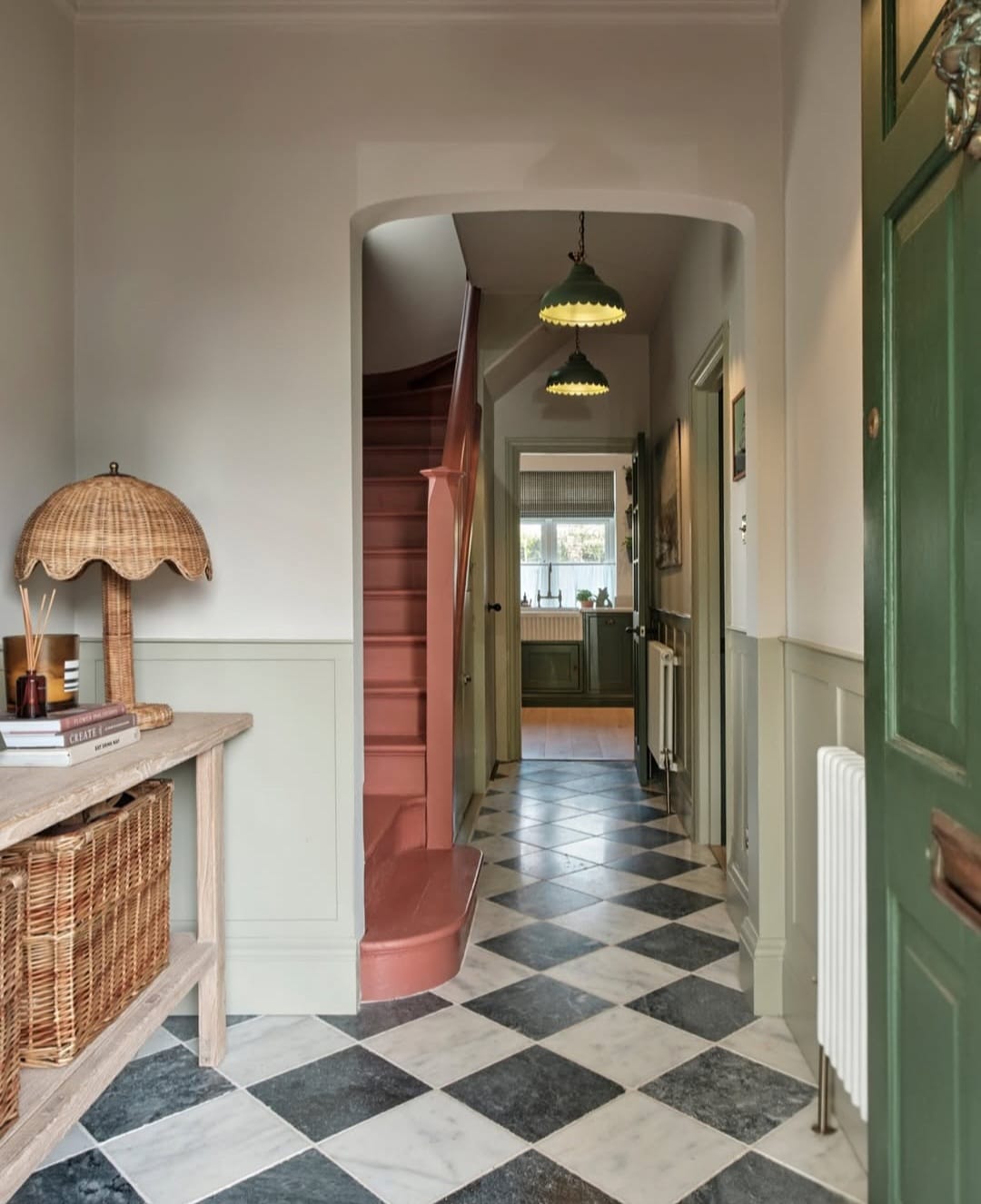
Credit: www.sleek-chic.co.uk
Tips For Enhancing Hallway Ambiance
Creating the right ambiance in your hallway can transform it into a welcoming space. Pendant lights are a great choice for adding style and light.
Explore these tips on how to enhance your hallway using DIY pendant light projects.
Layering Light Sources
Layering different light sources adds depth and functionality to your hallway. Combine pendant lights with other lighting options.
- Use wall sconces for additional lighting.
- Consider floor lamps to highlight specific areas.
- Install recessed lights for a modern touch.
Using Dimmers And Smart Controls
Dimmers and smart controls allow you to adjust the light intensity. This can change the mood and save energy.
Try integrating smart bulbs that connect to your home system. This lets you control the lights from your phone or tablet.
Coordinating With Wall Colors
The color of your walls can affect how light is perceived. Choose pendant lights that complement your wall colors.
| Wall Color | Recommended Light Finish |
| White | Chrome or silver |
| Beige | Brass or gold |
| Gray | Black or matte |
Troubleshooting Common Issues
DIY hallway pendant light projects can be a great way to add some personality to your home, but they can also be prone to common issues. Whether you’re experiencing flickering lights, poor wiring, or uneven light intensity, these problems can be frustrating and affect the overall ambiance of your space.
Fixing Flickering Lights
Flickering lights can be caused by a variety of factors, including loose connections, incorrect bulb wattage, or faulty wiring. To fix flickering lights, start by checking the connections between the light fixture and the power source.
- Ensure the light fixture is securely attached to the ceiling or wall.
- Check the bulb wattage and replace it with a compatible one if necessary.
- Inspect the wiring for any signs of damage or wear and tear.
Ensuring Proper Wiring
Proper wiring is essential to ensure the safe and efficient operation of your pendant light. To ensure proper wiring, start by identifying the type of wiring required for your project.
- Use the correct gauge of wire for your project.
- Follow the manufacturer’s instructions for wiring the light fixture.
- Double-check the wiring before turning on the power.
Balancing Light Intensity
Light intensity can greatly affect the ambiance of your space. To balance light intensity, start by assessing the lighting needs of your hallway.
| Assess the lighting needs of your hallway: |
| Consider the size of the space, the color scheme, and the type of furniture. |
- Use a dimmer switch to adjust the light intensity.
- Choose bulbs with a high lumens-per-watt rating for brighter light.
- Consider using layers of lighting, including overhead, table, and floor lamps.

Credit: heatherednest.com
Frequently Asked Questions
What Materials Are Best For Diy Hallway Pendant Lights?
Wood, metal, glass, and fabric are ideal materials. They are easy to work with and create stylish designs. Choose based on your hallway theme and desired light diffusion for the best effect.
How Do I Install A Diy Hallway Pendant Light Safely?
Turn off power at the breaker before starting. Use a voltage tester to confirm no current. Follow manufacturer instructions and secure all wiring with wire nuts for safety.
What Styles Suit Hallway Pendant Light Projects?
Minimalist, industrial, rustic, and modern styles work well. Choose a style that complements your home decor and hallway size. This enhances the overall aesthetic and lighting impact.
How Can I Save Energy With Pendant Hallway Lights?
Use LED bulbs for low energy use and long life. Install dimmer switches to adjust brightness and save power. This reduces electricity bills and environmental impact.
Conclusion
DIY hallway pendant light projects bring charm and style to any space. Simple steps make these projects fun and rewarding. You can choose designs that fit your taste and budget. Brighten your hallway with lights that reflect your personality. A little effort creates a big change in your home’s look.
Try different ideas to find what works best for you. Enjoy the process and the beautiful result you create. Lighting your hallway has never been this easy and enjoyable.