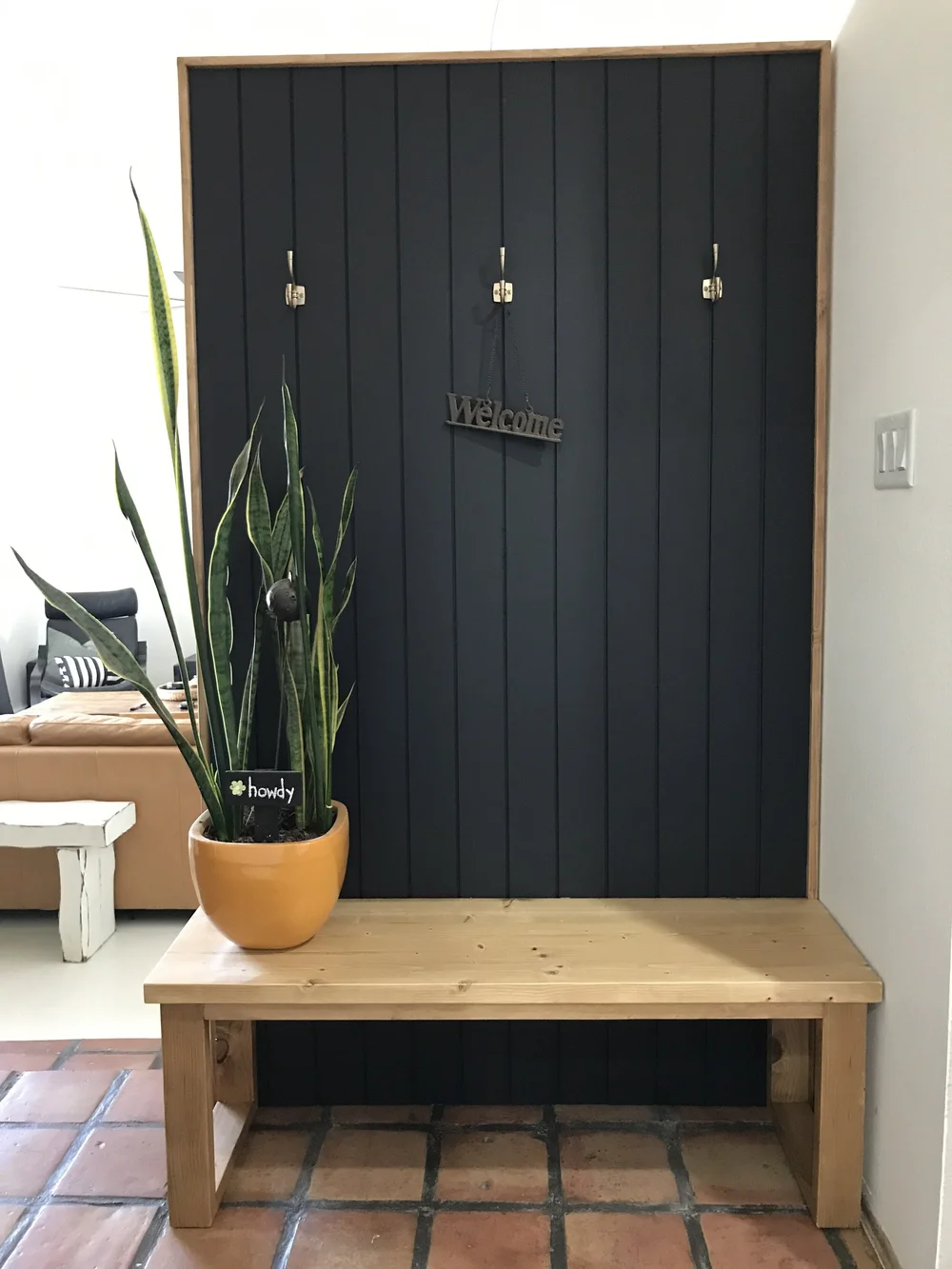
Are you looking to add a fresh, personal touch to your hallway? A DIY hallway planter table is the perfect project for you.
It’s simple, fun, and brings life to an often overlooked space in your home. Imagine walking into your hallway and being greeted by beautiful plants on a stylish table you built yourself. This article will guide you step-by-step to create your own unique planter table that fits your style and space.
Ready to transform your hallway into a welcoming green oasis? Let’s get started!
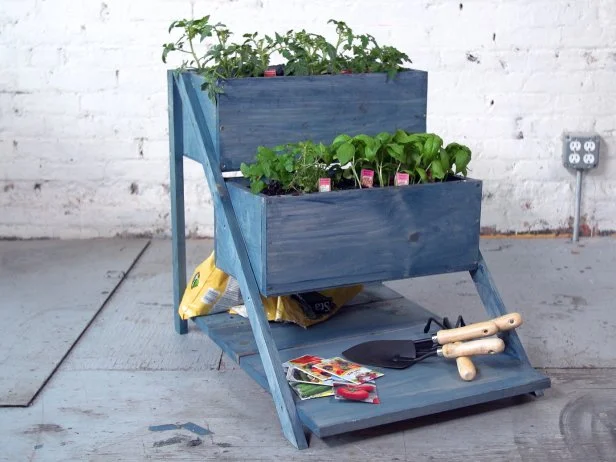
Credit: www.hgtv.com
Choosing The Right Materials
Picking the right materials is key for a strong and stylish hallway planter table. The materials affect the table’s look and how long it will last.
This guide covers wood types, metal accents, and ideas for using reclaimed materials. Each choice changes the table’s feel and function.
Wood Types For Durability
Choose wood that can handle weight and wear. Hardwoods last longer and resist scratches better than softwoods.
- Oak: Strong and heavy, with a classic look.
- Maple: Smooth grain and very tough.
- Walnut: Dark color and durable.
- Pine: Softer but easier to work with and cheaper.
- Teak: Great for moisture resistance but costly.
Metal Accents For Style
Metal parts add style and support. You can use metal legs, handles, or trim to enhance your table.
| Metal Type | Look | Use |
| Steel | Modern, industrial | Legs and frames |
| Brass | Warm, vintage | Handles and trim |
| Aluminum | Light, sleek | Decorative accents |
| Iron | Rustic, strong | Support brackets |
Reclaimed Materials Ideas
Using reclaimed materials is eco-friendly and adds character. Old wood or metal can tell a story in your design.
Ways to Use Reclaimed Materials:
- Old barn wood for the tabletop.
- Rusty metal pipes for legs.
- Recycled wood pallets for shelves.
- Vintage metal handles for drawers.
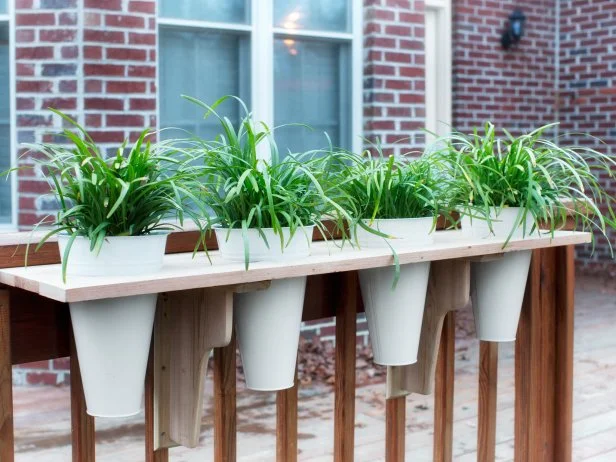
Credit: www.hgtv.com
Design Styles To Consider
Choosing the right style for your hallway planter table can change the whole room’s feel. Different designs fit different tastes and spaces.
Here are some popular styles to inspire your DIY project. Each style has unique features to match your home decor.
Modern Minimalist Tables
Modern minimalist tables focus on clean lines and simple shapes. They use neutral colors like white, black, or gray.
Materials such as glass, metal, and smooth wood are common. These tables create a calm and uncluttered look in your hallway.
Rustic And Vintage Looks
Rustic and vintage tables add warmth and character to your space. They often use natural wood with rough textures or distressed paint.
- Reclaimed wood is popular for a rustic feel
- Metal accents can add vintage charm
- Hand-carved details enhance the look
- Soft, earthy tones fit well with this style
Industrial Chic Options
Industrial chic tables mix metal and wood for a bold, urban style. They often have exposed screws and raw finishes.
| Feature | Description | Material |
| Frame | Strong and visible structure | Steel or iron |
| Surface | Simple and sturdy top | Wood or metal |
| Colors | Dark tones and natural hues | Black, gray, brown |
Building Your Planter Table
Building a hallway planter table is a fun and useful project. It adds charm and greenery to your space.
This guide helps you build a sturdy planter table step by step. You will also learn how to finish it nicely.
Essential Tools And Supplies
You need some basic tools and materials to build your planter table. These items make the process easier and safer.
- Measuring tape
- Handsaw or circular saw
- Drill with drill bits
- Screwdriver
- Sandpaper or electric sander
- Wood screws and nails
- Wood glue
- Wood planks or boards
- Planter box or container
- Paint or wood stain
- Paintbrushes or rollers
- Protective gear (gloves, goggles)
Step-by-step Construction Guide
Start by measuring the space where you want the table. Cut wood pieces to the right size for the tabletop and legs.
Attach the legs to the tabletop using screws and wood glue. Make sure the table is stable and level before moving on.
- Measure and mark wood pieces
- Cut wood for tabletop and legs
- Sand all cut edges smooth
- Assemble legs to tabletop with screws and glue
- Add a planter box or build a frame for it
- Check table for stability and adjust if needed
Painting And Finishing Techniques
Prepare the wood surface by sanding it well. This helps paint or stain stick better and look smooth.
Apply a primer if you use paint. Then paint or stain the table in thin, even coats. Let each coat dry before adding another.
- Sand surface thoroughly
- Apply primer (optional for stain)
- Use paint or wood stain
- Apply multiple thin coats
- Allow drying time between coats
- Finish with clear sealant for protection
Plant Choices For Hallways
Choosing the right plants can brighten up your hallway space. Hallways often have less natural light and limited space. Picking plants that fit these conditions helps keep them healthy and attractive.
This guide covers plants that thrive in low light, colorful flowering options, and easy-to-care-for succulents and air plants.
Low-light Friendly Plants
Many hallways do not get direct sunlight. Choose plants that can grow well in low-light areas. These plants need little sunlight but still add greenery and life.
- Snake Plant: Known for surviving in dim spaces.
- ZZ Plant: Tolerates low light and needs little water.
- Peace Lily: Grows well in shade and has white flowers.
- Cast Iron Plant: Very tough and grows in dark areas.
- Philodendron: Easy to care for and thrives in low light.
Colorful Flowering Options
Adding flowering plants can bring color to your hallway. Choose flowers that do not need direct sunlight. These brighten the space and make it more welcoming.
| Flower | Light Needs | Care Tips |
| African Violet | Low to medium light | Water from bottom, avoid wet leaves |
| Bromeliad | Indirect light | Keep soil moist, mist leaves |
| Begonia | Low light | Water when top soil is dry |
| Anthurium | Bright indirect light | Keep soil slightly moist |
Succulents And Air Plants
Succulents and air plants are perfect for narrow hallways. They need little water and space. Their unique shapes add interest to your planter table.
- Aloe Vera: Needs bright light but can adapt to low light.
- Echeveria: Small rosette shape, loves bright indirect light.
- Haworthia: Small and easy to grow in low light.
- Air Plants (Tillandsia): Do not need soil, just misting.
- Jade Plant: Slow growing and needs minimal care.
Maintenance Tips For Longevity
DIY hallway planter tables add charm and greenery to your home. Proper care helps them last longer and look great.
Good maintenance protects your planter table and keeps your plants healthy. Follow these tips to extend its life.
Watering And Soil Care
Water plants carefully to avoid spills on the table surface. Use pots with drainage holes to stop water buildup.
Check soil regularly. Keep it moist but not soggy to help plants thrive and protect your table from water damage.
- Use saucers under pots to catch extra water
- Water plants early in the day to reduce moisture on wood
- Replace soil yearly to keep plants healthy
Protecting Wood From Moisture
Wood can warp or rot if it gets too wet. Seal the wood surface with a water-resistant finish to protect it.
Wipe off spills quickly and avoid placing wet items directly on the table to stop moisture damage.
- Apply a clear sealant or varnish yearly
- Use coasters under plant pots
- Keep the table away from damp walls or floors
Seasonal Upkeep Ideas
Change your care routine with the seasons. Plants and wood need different attention in warm or cold months.
Clean the table surface and check for damage regularly. Fix small issues before they become big problems.
- Dust and wipe the table every few weeks
- Trim plants to keep them healthy
- Move the table away from direct sunlight in summer
- Use a humidifier or move plants indoors in dry winter
- Inspect wood for cracks or peeling finish seasonally
Creative Styling Ideas
Transform your hallway with a DIY planter table. These projects blend function and style, perfect for any home.
Explore creative ways to style your planter table with decor, lighting, and storage solutions.
Mixing Decor With Plants
Combine decorative items with plants for a balanced look. This mix can enhance the visual appeal of your hallway.
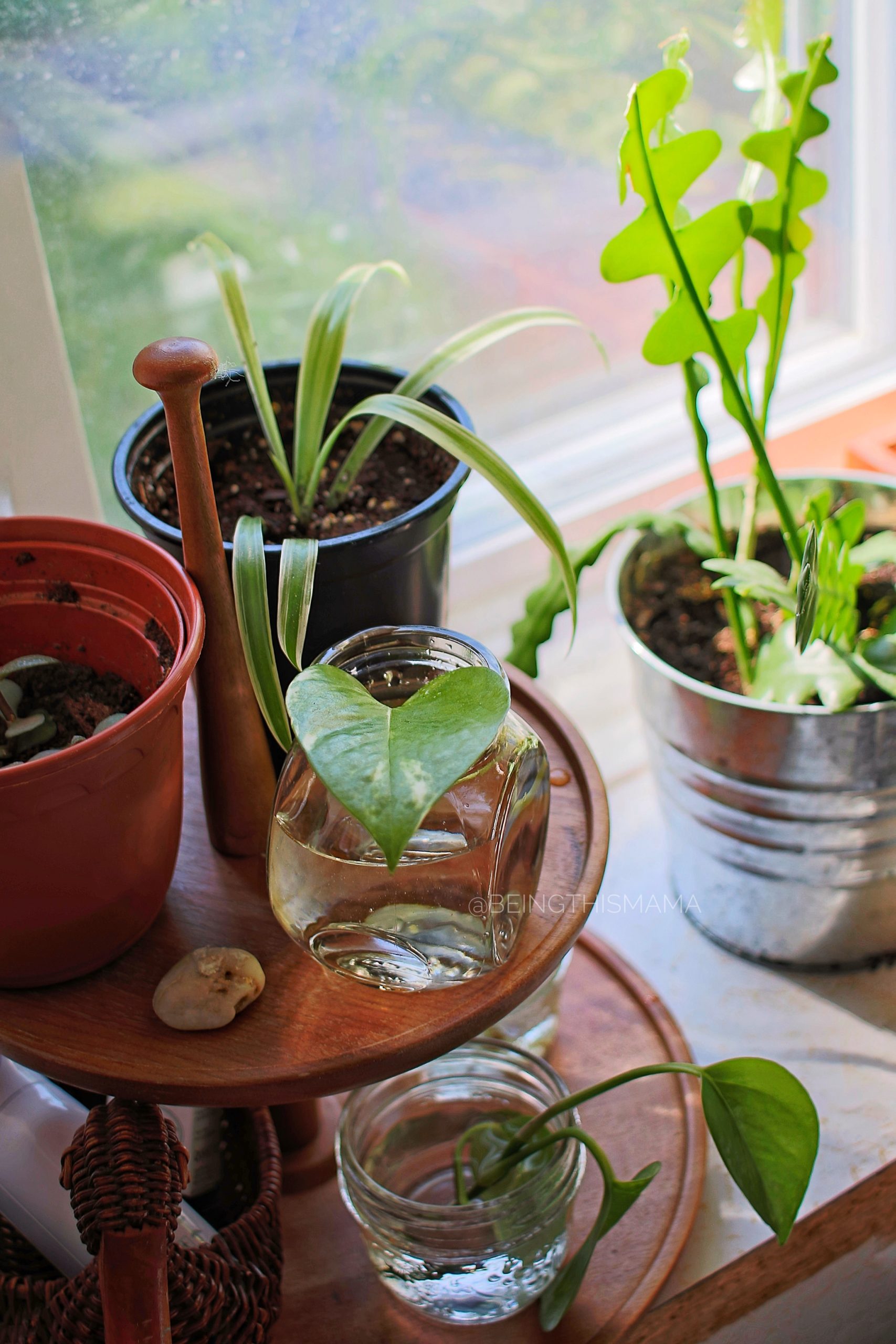
- Use small sculptures alongside potted plants.
- Place framed photos next to cascading vines.
- Mix colorful pots with neutral decor pieces.
Adding Lighting Elements
Light can highlight your planter table and make the hallway feel welcoming. Consider using different lighting styles.
Add string lights for a soft glow, or use a table lamp for a focused light source. Wall sconces can also be a great addition.
Using Planters As Storage
Planters can serve a dual purpose by providing storage. Use them to keep your hallway organized and tidy.
| Item | Storage Suggestion |
| Keys | Small dish within a planter |
| Slot in a tall planter | |
| Umbrellas | Large pot at the base |
Credit: www.beingthismama.com
Frequently Asked Questions
What Materials Are Needed For Diy Hallway Planter Tables?
Common materials include wood boards, screws, sandpaper, paint, and sealant. You may also need plants, pots, and soil. Basic tools like a drill, saw, and measuring tape are essential. Choose durable materials to ensure your planter table lasts long and looks great in your hallway.
How Do I Choose The Right Size For A Hallway Planter Table?
Measure your hallway’s width and length first. Ensure the table doesn’t block walking space. A narrow, long table usually fits best. Consider the size of your plants and pots as well. Balance functionality with aesthetic appeal to enhance your hallway.
Can I Customize The Design Of A Hallway Planter Table?
Yes, DIY projects allow full customization. Adjust dimensions, colors, and finishes to suit your style. Add shelves or drawers for extra storage. Use different wood types or paint techniques. Personalizing your table boosts creativity and fits your home décor.
How Much Time Does A Diy Planter Table Project Take?
Most DIY planter tables take 4 to 8 hours. Time depends on complexity and drying time for paint or sealant. Simple designs take less time, while intricate ones need more care. Plan your project over a weekend for best results.
Conclusion
Creating a hallway planter table adds charm to any space. Small efforts bring big style changes. You can customize these projects to fit your taste. Using simple materials keeps the cost low. Plant tables brighten hallways and make them welcoming.
Try one project today and enjoy a fresh look. It’s fun, easy, and rewarding to build your own. A little creativity goes a long way in home decor. Start crafting and see your hallway transform quickly.