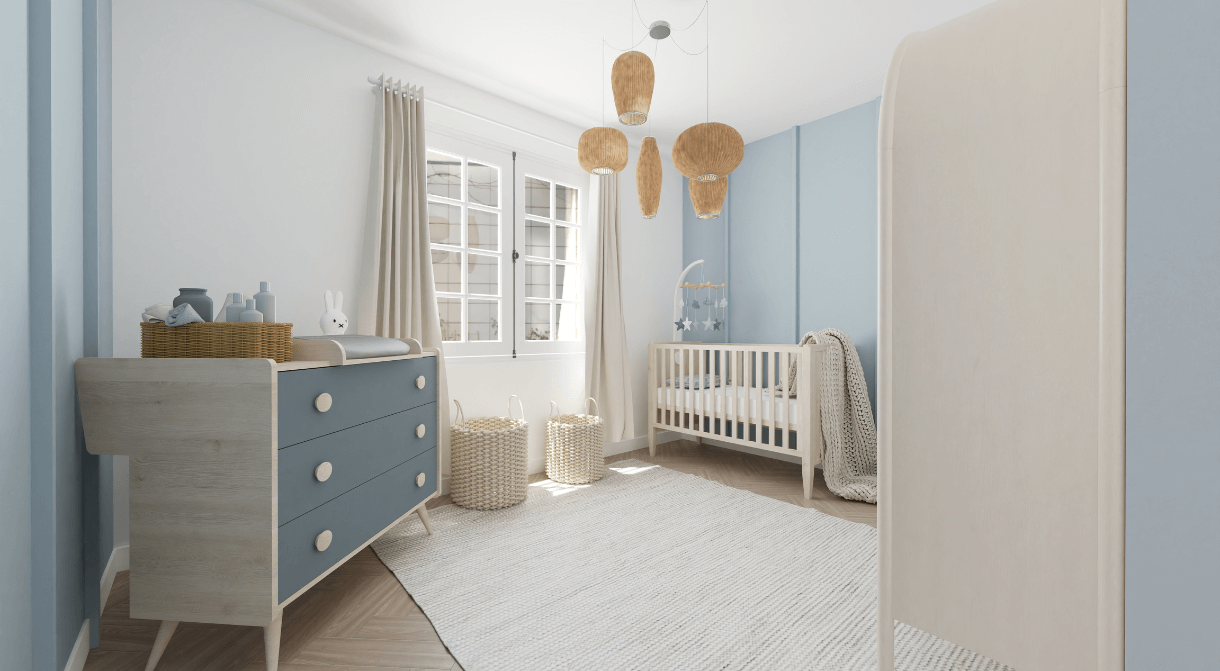
Are you looking to create a cozy and unique space for your little one without breaking the bank? DIY nursery furniture ideas can transform your baby’s room into a charming haven that feels truly personal.
Imagine crafting pieces that fit perfectly with your style and needs, all while enjoying the satisfaction of building something with your own hands. In this post, you’ll discover simple, creative, and budget-friendly ideas that make designing your nursery both fun and rewarding.
Keep reading to find inspiration that turns your vision into a beautiful reality.
Choosing Materials
Choosing the right materials is key for DIY nursery furniture. Safe, durable, and affordable materials keep your project smart and child-friendly.
Think about wood types, recycled supplies, and safe finishes. Each choice affects safety and style in the nursery.
Affordable Wood Options
Look for woods that cost less but still offer strength and safety. Pine, poplar, and birch are good choices. They are easy to work with and light in color.
- Pine: Soft, easy to sand, and widely available.
- Poplar: Smooth texture and holds paint well.
- Birch: Harder wood with a fine grain pattern.
Recycled And Upcycled Supplies
Using recycled wood or upcycled furniture cuts costs and helps the environment. Old shelves, pallets, and drawers can become new nursery pieces.
| Material | Source | Benefits |
|---|---|---|
| Wood Pallets | Discarded shipping pallets | Free or cheap, rustic look |
| Old Drawers | Used furniture | Ready-made storage, solid wood |
| Scrap Wood | Leftover construction wood | Low cost, versatile shapes |
Safe Finishes And Paints
Choose finishes that are non-toxic and safe for babies. Water-based paints and natural oils protect wood without harmful chemicals.
- Look for low-VOC or no-VOC paints.
- Use natural oils like linseed or tung oil.
- Test finishes on scrap wood before use.
- Apply several thin coats for durability.
Essential Furniture Pieces
Creating a nursery means choosing the right furniture for your baby’s comfort and safety. Essential pieces help organize the room and provide a cozy space for your little one.
This guide covers three key furniture items every nursery needs: cribs and bassinets, changing tables, and storage solutions.
Cribs And Bassinets
Cribs and bassinets provide a safe sleeping area for your baby. Choose sturdy designs with non-toxic finishes. Bassinets are perfect for newborns and small spaces.
- Ensure the crib meets safety standards
- Pick adjustable mattress heights for growing babies
- Look for breathable mattress materials
- Consider portability if you move rooms often
- Choose a bassinet for the first few months
Changing Tables
A changing table makes diaper changes easier and safer. It should have a sturdy surface and raised sides to protect your baby.
| Feature | Benefit |
| Raised edges | Prevents baby from rolling off |
| Storage shelves | Keeps diapers and wipes handy |
| Easy to clean surface | Maintains hygiene |
| Height suitable for parents | Reduces back strain |
Storage Solutions
Good storage keeps the nursery tidy. Use furniture that fits clothes, toys, and baby care items.
Storage ideas to consider:
- Dressers with multiple drawers
- Open shelves for easy access
- Storage bins or baskets for toys
- Closet organizers for clothes
Creative Design Ideas
Building nursery furniture can be fun and special. You can make pieces that fit your style and needs.
Use simple ideas to create safe and lovely furniture for your baby’s room.
Themed Furniture Styles
Choose a theme to make the nursery furniture unique. Themes help bring a clear look to the room.
Popular themes include animals, nature, and fairy tales. You can paint or carve designs to match.
- Animal shapes on shelves or cribs
- Tree or leaf patterns on drawers
- Stars and moons on beds or lamps
Multi-functional Pieces
Make furniture that does more than one job. This saves space and money in the nursery.
Examples include cribs that turn into beds or shelves with hidden storage.
- Cribs that become toddler beds
- Changing tables with drawers
- Rocking chairs with storage under the seat
Personalized Touches
Add names, initials, or favorite colors to the furniture. This makes each piece special.
You can use paint, decals, or wood burning tools to add personal details.
- Paint the baby’s name on the crib
- Use favorite colors on shelves or chairs
- Add a special design or date to drawers

Credit: nurtureand.com
Step-by-step Project Guides
Making nursery furniture yourself can save money and add a personal touch. These guides show simple ways to build useful items for your baby’s room.
Each project uses easy steps and common tools. Follow along to create safe and practical furniture for your nursery.
Building A Simple Crib
Start by choosing good quality wood that is smooth and sturdy. Measure and cut the wood pieces for the crib sides, base, and slats.
Use screws and wood glue to attach the parts securely. Sand all edges to avoid splinters. Finish with a baby-safe paint or sealant.
- Cut four legs, two long side panels, and two short end panels
- Attach slats evenly across the base for mattress support
- Assemble the frame with screws and reinforce with glue
- Sand the whole crib and apply a non-toxic finish
Diy Changing Station
Find a sturdy table or dresser to use as a base. Add a padded changing mat on top for comfort. Make sure it fits well and stays in place.
Build small shelves or drawers underneath for diapers and wipes. Attach hooks on the sides for hanging clothes or towels.
- Use a firm table or dresser as the main surface
- Place a soft changing pad on top securely
- Add shelves or drawers for storage below
- Install hooks on sides for extra hanging space
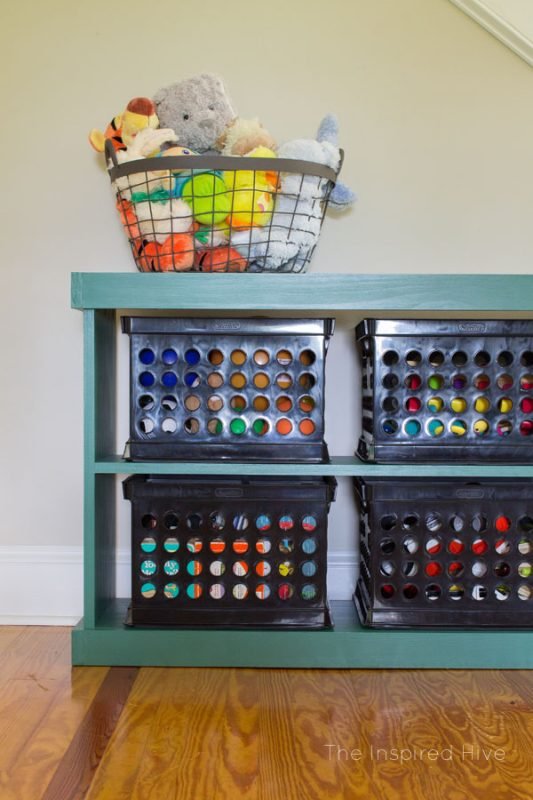
Custom Toy Organizer
Build a simple frame from wood or repurpose crates. Make several compartments to hold different toys. Keep the size child-friendly.
Paint or stain the organizer with safe finishes. Add labels or pictures to help your child learn to organize their toys.
- Create a frame with multiple open compartments
- Use crates or boxes for easy sorting of toys
- Keep the height low for easy child access
- Decorate with safe paint and clear labels
Budget Tips And Tricks
Making nursery furniture yourself saves money and adds a personal touch. You can create safe and useful items without spending much.
Use smart methods to find cheap materials and tools. Also, learn ways to save time while building your nursery furniture.
Sourcing Cheap Materials
Look for low-cost wood and supplies at local stores or online. Recycled materials often work well and cut costs.
- Check thrift stores for wood and furniture parts
- Visit construction sites for scrap wood with permission
- Buy leftover paint and varnish from hardware stores
- Use pallets or crates for rustic furniture styles
- Shop online marketplaces for secondhand materials
Tools You Already Have
Use your existing tools to avoid extra costs. Many projects need only basic hand tools and simple equipment.
| Tool | Use |
| Hammer | Driving nails and assembling parts |
| Screwdriver | Fastening screws in joints |
| Measuring tape | Measuring wood and parts accurately |
| Hand saw | Cutting wood to size |
| Sandpaper | Smoothing rough edges |
Time-saving Techniques
Plan your work before starting. Organize your workspace to avoid delays. These steps help finish projects faster.
- Cut all pieces before assembly
- Use clamps to hold parts steady
- Pre-drill holes to prevent wood splitting
- Work in a well-lit, clean area
- Gather all materials before beginning

Credit: www.newblooming.com
Safety Considerations
Creating a safe nursery is important for your baby’s well-being. Choosing the right furniture can help keep your little one safe from harm.
Consider these key aspects to ensure your nursery is both safe and comfortable for your child.
Childproofing Furniture
Childproofing furniture is essential to prevent accidents. Babies and toddlers are curious and love to explore their surroundings.
- Use corner guards on sharp edges
- Install safety latches on drawers
- Secure tall furniture to the wall
Avoiding Hazardous Materials
Choose materials that are free from harmful chemicals. This ensures a healthy environment for your baby to grow and play.
Look for labels that state:
- Non-toxic finishes
- Formaldehyde-free wood
- Low-VOC paints
Sturdy Construction Practices
Sturdy construction is vital for nursery furniture. It should withstand daily use and the occasional rough handling by children.
| Feature | Benefit |
| Solid wood frames | Long-lasting durability |
| Reinforced joints | Added strength |
| Stable bases | Prevents tipping over |
Finishing Touches
Adding finishing touches to your DIY nursery furniture makes it special. These details bring warmth and personality to the room.
Simple changes can make a big difference. Choose elements that match the nursery theme and are safe for babies.
Painting And Sealing
Paint can transform plain furniture into something unique. Use non-toxic paint to keep the nursery safe for your baby.
Sealing the furniture protects the paint and makes it last longer. It also makes cleaning easier.
- Choose soft colors for a calm atmosphere
- Use a clear sealant to protect the finish
- Ensure the paint is baby-safe and non-toxic
Adding Soft Textiles
Soft textiles add comfort and style to nursery furniture. They make the space cozy and inviting for both baby and parents.
Choose fabrics that are easy to clean and gentle on sensitive skin. This helps keep the nursery tidy and safe.
- Use washable covers for cushions
- Pick hypoallergenic materials for blankets
- Add a soft rug for warmth and comfort
Decorative Accents
Decorative accents personalize the nursery. They add charm and reflect your style, making the room feel complete.
Simple decorations can make a big impact. Choose items that are safe and suitable for a baby’s room.
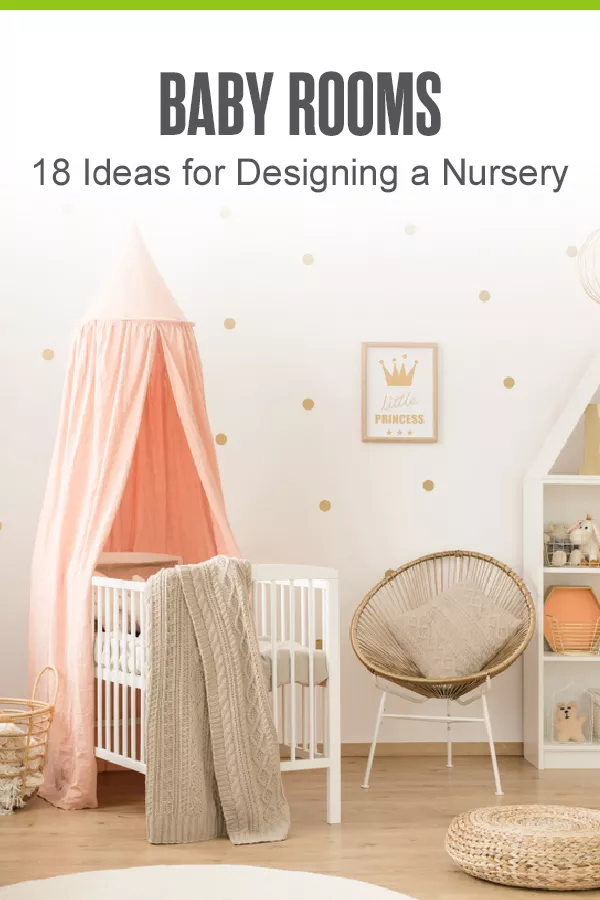
- Hang gentle mobiles above the crib
- Add framed art with simple designs
- Use wall decals to create a playful theme
Credit: www.extraspace.com
Frequently Asked Questions
What Are The Easiest Diy Nursery Furniture Projects?
Simple projects include building shelves, painting cribs, and making storage bins. These require minimal tools and skill, ideal for beginners.
How To Choose Safe Materials For Diy Nursery Furniture?
Opt for non-toxic, baby-safe paints and untreated wood. Avoid harmful chemicals and sharp edges to ensure your baby’s safety.
Can Diy Nursery Furniture Save Money?
Yes, DIY projects often cost less than store-bought furniture. You can customize designs while staying within your budget.
What Tools Are Essential For Diy Nursery Furniture?
Basic tools include a drill, saw, screwdriver, measuring tape, and sandpaper. These help create sturdy and smooth furniture pieces.
Conclusion
Creating your own nursery furniture adds a special touch to the room. It saves money and lets you choose styles you love. Simple tools and basic skills often do the job well. Each piece you make holds more meaning and care.
Enjoy the process and the cozy space you build. Your baby will feel the warmth in every corner. Start small, stay patient, and watch your ideas come alive. DIY projects bring joy and a unique nursery look.