Looking for the perfect workspace for your little one? A DIY toddler desk can be exactly what you need to spark creativity and keep your child organized.
You might think building one is hard or expensive, but it doesn’t have to be. Imagine having a desk tailored just for your toddler—safe, fun, and made with love. You’ll discover simple and affordable ideas that you can create yourself.
Ready to transform your child’s play and learning area? Keep reading, and let’s make a space your toddler will love!
Choosing The Right Desk Size
Choosing the right desk size for your toddler is important. It helps your child sit comfortably and use the desk well.
Too big or too small desks can cause discomfort or poor posture. Let’s look at how to measure space and explore adjustable desk options.
Measuring Your Toddler’s Space
Measure the area where the desk will go. Include enough room for the chair and movement. Measure both width and depth.
- Measure the width of the space in inches or centimeters
- Measure the depth from front to back
- Check the height of the area to fit a desk comfortably
- Allow extra space for storage or toys
- Make sure there is clear walking space around the desk
Adjustable Desk Options
Adjustable desks grow with your child. They allow changes in height and sometimes width. This keeps your toddler comfortable as they grow.
| Feature | Benefit |
| Height Adjustment | Fits toddler now and as they get taller |
| Width Adjustment | Adapts to small or larger spaces |
| Easy to Use | Parents can change settings quickly |
| Durable Materials | Lasts through many years of use |
Materials For Diy Toddler Desks
Building a toddler desk at home is a fun way to create a special space. Choosing the right materials is important for safety and style.
This guide covers types of wood and safe options. It also looks at repurposed and upcycled materials to use.
Wood Types And Safety
Wood is a popular choice for toddler desks. It is strong, natural, and easy to work with. Softwoods like pine are light and easy to shape.
Hardwoods like oak or maple last longer. Choose wood that is smooth and free of splinters. Always sand edges well to avoid injuries.
- Softwood: pine, cedar, fir
- Hardwood: oak, maple, birch
- Avoid treated or painted wood with harmful chemicals
- Use child-safe, non-toxic finishes and paints
- Sand all surfaces to be smooth
Repurposed And Upcycled Materials
Using old furniture or materials helps the environment. Repurposed wood can add character and save money. Check for nails or sharp parts before use.
Upcycled materials like crates, pallets, or old tabletops work well. Make sure all parts are sturdy and safe for a toddler’s use.
- Old wooden drawers or shelves
- Wooden pallets (cleaned and sanded)
- Crates or boxes for storage parts
- Reused tabletops or boards
- Remove or cover nails and splinters
Simple Desk Designs For Beginners
Making a toddler desk can be easy and fun. You do not need special skills or tools. Simple materials and a little time can create a useful desk.
Here are two desk ideas that beginners can try. Both use common items and simple steps.
Box And Board Desk
This desk uses wooden boxes and a flat board. It is strong and has space for storage under the desk top.
- Choose a sturdy flat board for the desk top.
- Find two wooden boxes of the same size for the legs.
- Place the board on top of the boxes and secure with screws.
- Use the inside of the boxes to store books and toys.
- Sand any rough edges to keep it safe for toddlers.
Crate Storage Desk
This desk uses crates for both legs and storage. It is easy to build and move.
| Material | Purpose | Tip |
| Wooden crates | Legs and storage | Stack two crates for more space |
| Flat board | Desk surface | Choose a smooth board for writing |
| Screws | Fixing parts together | Use long screws for strong hold |
Creative Desk Ideas With Storage
Creating a toddler desk with storage helps keep things neat. It also makes playtime and learning easy.
Simple storage ideas fit well in small spaces. They keep toys and art supplies within reach.
Incorporating Shelves And Drawers
Shelves add space for books and toys. Drawers hide clutter and keep small items safe.
Use low shelves so toddlers can reach their things. Drawers with easy handles work best for little hands.
- Install open shelves under the desk surface
- Add small drawers for crayons and papers
- Use dividers inside drawers for better order
- Choose sturdy shelves to hold books and blocks
Using Baskets And Containers
Baskets and containers keep toys and art supplies tidy. They are easy to pull out and put back.
Pick baskets in bright colors to make the desk fun. Containers with lids protect items from dust.
- Use woven baskets for soft toys
- Plastic containers hold markers and glue
- Label baskets to help toddlers find items
- Stack containers to save space on shelves
Decorating Toddler Desks
Decorating a toddler desk can be a fun and creative activity. It gives your child a personal space to play and learn. Let’s explore some ideas for making these desks both functional and delightful.
With a few simple touches, you can transform a plain desk into a lively space. Consider options like painting and adding decals for a unique look.
Painting And Finishing Touches
Painting is an easy way to add color and character to a toddler desk. Choose non-toxic paints in bright shades that your child loves. You can also use stencils to create patterns or shapes.
- Select safe, non-toxic paint suitable for children.
- Use stencils for fun patterns like stars or animals.
- Apply a protective finish to keep the paint looking fresh.
Personalizing With Stickers And Decals
Stickers and decals are perfect for adding personality to a desk. They are easy to apply and can be changed as your child grows.
Consider these types of decals:
- Alphabet letters for learning
- Favorite cartoon characters
- Animal shapes and nature themes
Credit: www.myrepurposedlife.com
Safety Tips For Diy Toddler Desks
Creating a toddler desk at home can be a fun project. Safety is important when designing furniture for little ones.
Focusing on secure edges and using safe materials will make your DIY toddler desk both functional and safe.
Securing Edges And Corners
Sharp edges and corners can be dangerous for toddlers. It is vital to ensure they are smooth and safe.
- Use corner protectors to cover sharp corners.
- Sand down edges until they are smooth.
- Check regularly for any wear or damage.
Non-toxic Materials And Finishes
Choosing non-toxic materials is essential. Toddlers often touch surfaces and put things in their mouths.
| Material | Safety Feature |
| Water-based paint | Low VOC, non-toxic |
| Bamboo | Natural, sustainable |
| Linseed oil finish | Safe for skin contact |
Budget-friendly Desk Projects
Making a toddler desk does not have to cost a lot. Simple materials and smart ideas help keep prices low.
These desk ideas focus on saving money while making a useful space for your child.
Using Affordable Materials
Choose materials that cost less but still last. Plywood and MDF are good options for the desk surface.
Basic paint and simple hardware make the desk look nice without adding much cost.
- Use plywood sheets for the desktop
- Buy paint in small cans or sample sizes
- Get screws and nails in bulk packs
- Find low-cost plastic or metal legs
Repurposing Household Items
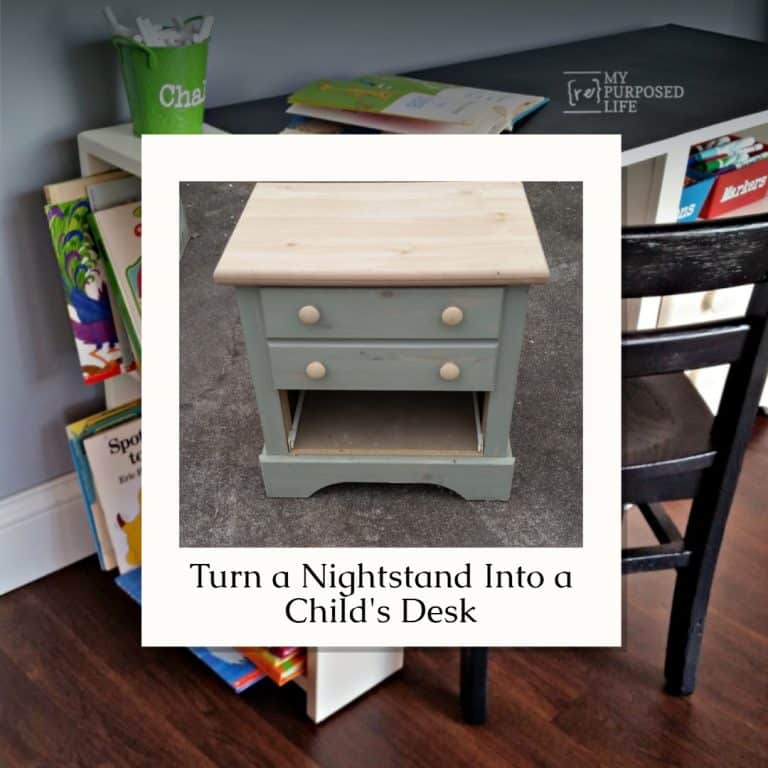
Look around your home for items to reuse. Old tables or shelves can become a toddler desk with little work.
Reusing items saves money and reduces waste. It is a smart way to build a desk.
- Use an unused small table as the desk base
- Turn a drawer or crate into storage under the desk
- Use leftover wood from other projects
- Attach a board on top of a sturdy box for a desk surface

Credit: www.familyhandyman.com
Incorporating Learning Elements
Creating a toddler desk with learning elements helps children explore and grow. It makes playtime a chance to build skills and knowledge.
Adding features like drawing surfaces and hands-on tools keeps toddlers engaged and curious. These ideas turn a simple desk into a learning space.
Chalkboard And Whiteboard Surfaces
Chalkboard and whiteboard surfaces encourage toddlers to practice writing and drawing. These surfaces are easy to clean and reuse, making them ideal for learning.
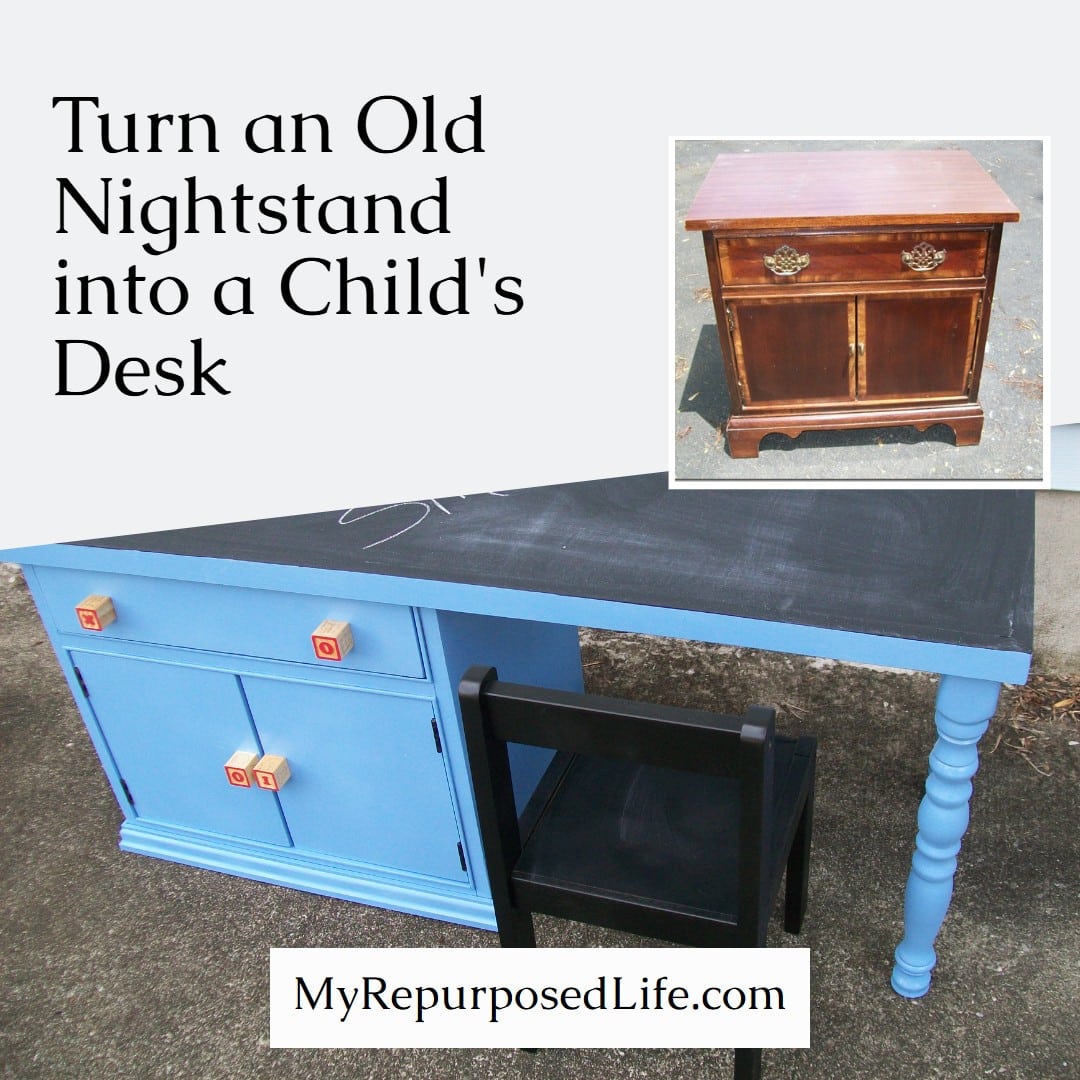
- Attach a small chalkboard panel on one side of the desk
- Use whiteboard paint on the desktop for a writable surface
- Include colorful chalk and dry erase markers for variety
- Add magnetic strips to hold letters and numbers on the whiteboard
Interactive Features
Interactive features make the desk a fun place to learn. Simple tools help toddlers develop fine motor skills and recognize shapes and colors.
| Feature | Learning Benefit | Example |
| Shape Sorter | Problem-solving and hand-eye coordination | Built-in wooden shapes with matching slots |
| Counting Beads | Number recognition and counting skills | Bead maze attached to the desk |
| Color Swatches | Color identification and matching | Paint samples glued on the desk edge |
Credit: www.myrepurposedlife.com
Frequently Asked Questions
What Materials Are Best For A Diy Toddler Desk?
Wood is the best material for a DIY toddler desk. It is sturdy, safe, and easy to customize. Choose smooth, non-toxic finishes to ensure child safety. Lightweight plywood or solid wood are popular choices for durability and ease of assembly.
How Do I Make A Toddler Desk Safe?
To make a toddler desk safe, smooth all edges and corners. Use non-toxic paint or finishes to avoid harmful chemicals. Ensure the desk is sturdy and stable to prevent tipping. Avoid small parts that can be choking hazards.
What Size Is Ideal For A Toddler Desk?
An ideal toddler desk is about 20-24 inches high. This height fits most toddlers comfortably for sitting and drawing. The desktop should be spacious enough for books and art supplies, usually around 24 inches wide and 18 inches deep.
Can I Add Storage To A Diy Toddler Desk?
Yes, adding storage is practical and easy. Include small drawers or shelves for toys, books, and art supplies. Storage helps keep the desk organized and encourages toddlers to tidy up after use. Use child-friendly handles for easy access.
Conclusion
Creating a DIY toddler desk can be fun and practical. It helps children learn and stay organized. Simple materials often work best for these projects. Personalizing the desk adds a special touch your child will enjoy. Small desks fit well in any room space.
Safety matters—smooth edges and stable design keep kids safe. Try these ideas to build a desk that suits your toddler’s needs. Enjoy the process and watch your child’s creativity grow. A homemade desk can become a favorite spot for play and learning.