Are you ready to transform your living space without spending a fortune? DIY wall painting is the perfect way for you to add a personal touch and refresh any room quickly.
Even if you’ve never picked up a paintbrush before, this guide will walk you through simple steps that anyone can follow. Imagine the satisfaction of looking at your walls and knowing you did it all by yourself. Keep reading, and you’ll discover easy techniques, smart tips, and creative ideas that make painting your walls a fun and rewarding experience.
Your new, beautiful space is just a few strokes away!
Choosing The Right Paint
Picking the right paint is key for your wall painting project. The type and color of paint affect the look and feel of your room.
Knowing the basics about paint types, colors, finishes, and textures helps you make a good choice. This guide will help you get started.
Types Of Paints
Paint comes in different kinds for walls. The main types are latex, oil-based, and acrylic. Each works best for certain surfaces and rooms.
- Latex Paint:Water-based, easy to clean, dries fast, and good for most walls.
- Oil-Based Paint:Stronger and smoother, but takes longer to dry and needs special cleaners.
- Acrylic Paint:Similar to latex, but more durable and flexible for different surfaces.
Color Selection Tips
Choosing the right color changes the mood of your room. Think about light, room size, and furniture when picking colors.
Test paint samples on your wall. Look at them at different times of the day to see how light changes the color.
- Light colors make small rooms feel bigger.
- Dark colors add warmth but can make rooms look smaller.
- Neutral colors match most furniture and styles.
Finishes And Textures
Paint finishes affect how shiny or matte your walls look. They also change how easy it is to clean the walls.
- Matte:No shine, hides wall flaws, best for low-traffic areas.
- Eggshell:Slight shine, easy to clean, good for living rooms.
- Satin:Soft shine, durable, good for kitchens and bathrooms.
- Semi-gloss:Shiny and tough, great for trim and doors.
- Glossy:Very shiny, shows imperfections, used for accents.
You can add texture with special paint tools or textured paint. This creates a unique look on your walls.
Gathering Essential Tools
Before you start painting your walls, get the right tools ready. Good tools make the job easier and cleaner.
Having everything on hand saves time and helps you avoid mistakes during painting.
Brushes And Rollers
Brushes and rollers help apply paint evenly on your walls. Each tool has a special use.
Use brushes for edges and corners. Rollers cover large flat areas faster.
- Choose synthetic brushes for latex paint
- Natural bristle brushes work well with oil paint
- Use a small angled brush for corners
- Select a roller with the right nap for your wall texture
Painter’s Tape And Drop Cloths
Painter’s tape helps you paint clean lines without making a mess. Drop cloths protect your floor and furniture.
Apply tape carefully along edges and remove it before the paint dries for best results.
- Use painter’s tape for windows, trims, and ceilings
- Choose plastic or canvas drop cloths to cover floors
- Secure drop cloths with tape or weights to prevent slipping
Preparation Supplies
Proper preparation helps your paint last longer and look better. Gather supplies to clean and fix walls.
Use sandpaper to smooth rough spots. Fill holes with spackle and clean dirt from surfaces.
- Sandpaper or sanding block for smoothing
- Spackle and putty knife to fill holes
- Cleaning cloths and mild detergent to remove dust
- Stir sticks to mix paint evenly
Preparing The Wall Surface
Before painting a wall, it is important to prepare the surface well. Good preparation helps paint stick better and last longer.
Proper wall preparation makes your DIY painting look smooth and professional. It also saves time fixing problems later.
Cleaning And Repairing
Clean the wall to remove dirt, dust, and grease. Use a mild soap and water solution and a sponge. Let the wall dry completely.
Check the wall for cracks, holes, or peeling paint. Use spackle or filler to fix these areas. Smooth out repairs with a putty knife.
- Wash wall with soap and water
- Remove loose or peeling paint
- Fill cracks and holes with spackle
- Let repairs dry before sanding
Priming The Wall
Apply primer to the clean, repaired wall. Primer helps the paint stick and covers stains or dark colors. Use a brush or roller to spread it evenly.
Let the primer dry fully before painting. This step makes your paint look bright and even.
- Choose primer for your wall type
- Apply a thin, even coat
- Allow full drying time
Sanding Techniques
Sanding smooths the wall and removes rough spots. Use fine-grit sandpaper for best results. Sand repaired areas to blend them with the wall.
After sanding, wipe the wall with a damp cloth to remove dust. This keeps the surface clean for painting.
- Use fine-grit sandpaper (120-220 grit)
- Sand repaired spots gently
- Remove sanding dust before painting

Credit: www.youtube.com
Basic Painting Techniques
Painting your walls can change a room’s look. Learning basic painting techniques helps beginners get good results.
Simple steps like cutting in edges and rolling paint make the job easier and cleaner.
Cutting In Edges
Cutting in means painting the edges of walls near ceilings and corners. It creates a clean line before rolling the rest of the wall.
Use a small angled brush. Paint slowly and carefully to avoid drips and uneven lines.
- Load the brush with paint but do not overload it.
- Start a few inches from the edge and paint toward the edge.
- Keep a steady hand for straight lines.
- Work in small sections to keep paint wet and blend well.
Rolling The Paint
Rolling paint covers large wall areas faster than a brush. Use a roller with the right nap length for your wall texture.
Roll paint in a “W” or “M” shape. Fill in the blank spaces without lifting the roller to avoid lines.
- Dip the roller in paint and roll off excess on the tray.
- Start at the top and work down in small sections.
- Keep a wet edge to prevent marks.
- Apply two coats for even color and coverage.
Avoiding Common Mistakes
Beginners often make errors that affect the finish. Avoid these to get smooth walls.
- Do not overload the brush or roller with paint.
- Avoid painting in direct sunlight; it dries paint too fast.
- Use painter’s tape to protect trim and ceilings.
- Let the first coat dry fully before adding the second.
- Clean spills and drips quickly to avoid stains.
Creative Wall Painting Ideas
Painting your walls can change a room’s look easily. You do not need to be an expert to create fun designs.
Try simple ideas to make your walls stand out. Use colors and shapes that fit your style and space.
Accent Walls
An accent wall is one wall painted differently from the rest. It draws attention and adds color without overwhelming the room.
Choose a bold or dark color for the accent wall. Paint the other walls in light, neutral colors to balance the look.
Patterns And Stencils
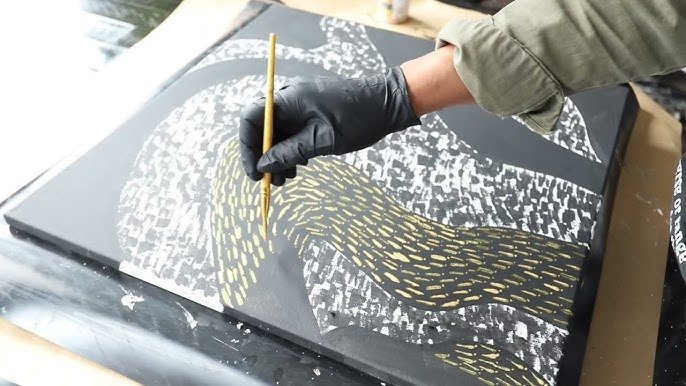
Patterns and stencils add shapes and designs to your walls. They create a unique and artistic look with simple tools.
Use geometric shapes, flowers, or stars with stencils. You can repeat the pattern or make a border around the room.
- Choose a stencil design you like
- Use painter’s tape to hold stencil in place
- Apply paint with a sponge or brush lightly
- Lift stencil carefully to avoid smudges
- Repeat the pattern evenly across the wall
Ombre And Color Blocking
Ombre painting fades colors from light to dark or one shade to another. It gives a soft, flowing look to your walls.
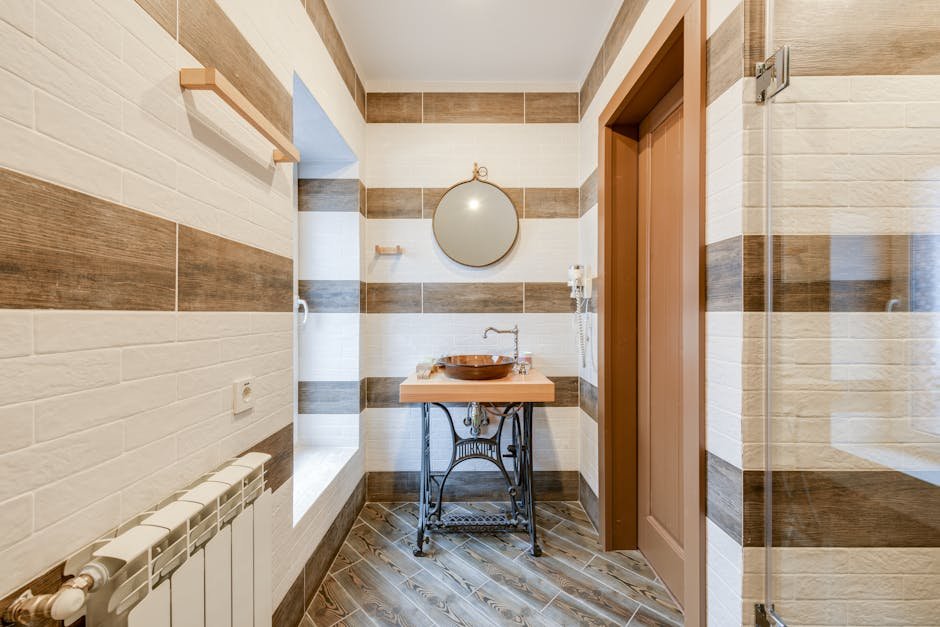
Color blocking uses large blocks of contrasting colors. It creates a bold, modern look with clean lines and shapes.
- For ombre, blend two or more colors smoothly
- Start with the lightest color at the top or bottom
- Use a brush or sponge to blend edges
- For color blocking, use painter’s tape to mark blocks
- Paint each block with a different color
- Remove tape after paint dries for sharp edges

Credit: www.youtube.com
Drying And Finishing Touches
After painting your walls, drying and finishing touches are very important. These steps help your paint look smooth and last longer.
Taking time to dry and add final coats can make your wall painting project successful and neat.
Drying Times
Paint needs time to dry before you touch or add more coats. Drying times depend on the type of paint and room conditions.
Wait at least 1 to 2 hours for water-based paint. Oil-based paint takes longer, about 6 to 8 hours.
- Keep windows open for air flow
- Avoid touching walls while drying
- Use fans to speed up drying
Applying Additional Coats
Adding more coats makes your wall color richer and covers any missed spots. Wait for the first coat to dry fully.
Use smooth, even strokes to apply the next coats. Usually, two or three coats give the best look.
- Check for thin or patchy areas
- Apply coats in the same direction
- Let each coat dry before the next
Cleaning Up
Cleaning your tools right after painting keeps them in good shape. Use water for water-based paint and paint thinner for oil-based paint.
Remove any paint drops from floors or furniture before they dry. Proper cleanup helps you finish your project neatly.
- Wash brushes and rollers thoroughly
- Store leftover paint properly
- Dispose of paint waste safely
Maintaining Painted Walls
Keeping your painted walls clean and fresh is important. Good care helps your paint last longer.
Simple habits protect your walls from damage and fading. This guide shares easy tips for care.
Cleaning Tips
Dust walls regularly with a soft cloth or duster. This stops dirt from building up.
Use mild soap and water for stains. Avoid harsh cleaners that can harm paint.
- Test cleaning solution on a small spot first
- Use a sponge or soft cloth, not rough brushes
- Blot stains gently instead of scrubbing hard
- Dry walls with a clean towel after cleaning
Touch-up Methods
Keep some leftover paint for touch-ups. This helps fix small chips or marks easily.
Clean the area before painting. Apply paint thinly and let it dry fully for best results.
- Use a small brush for precise touch-ups
- Match the paint finish to the wall (matte, gloss)
- Apply multiple thin coats if needed
- Blend edges carefully to avoid spots
Long-term Care
Keep walls safe from moisture and direct sunlight. These can cause paint to peel or fade.
Use furniture pads to prevent scratches. Avoid leaning objects hard against walls.
- Ventilate rooms to reduce humidity
- Close curtains during strong sunlight
- Move furniture slightly to clean behind
- Check walls yearly for damage or wear

Credit: outdoorindoors.com
Frequently Asked Questions
What Tools Are Needed For Diy Wall Painting?
For DIY wall painting, essential tools include paint rollers, brushes, painter’s tape, drop cloths, and a paint tray. Having a ladder helps reach higher areas. A stir stick is useful for mixing paint. Ensure you have all these tools before starting your painting project.
How Do I Choose The Right Paint Color?
Choosing the right paint color involves considering the room’s lighting, size, and purpose. Test samples on your wall to see how they look. Consider using neutral tones for versatility. Bold colors can add character but may require more planning.
How Can I Prepare A Wall For Painting?
To prepare a wall for painting, clean it thoroughly to remove dust and grease. Fill any cracks or holes with a filler. Sand the surface to ensure smoothness. Apply a primer to ensure better paint adhesion. This preparation ensures a professional finish.
What Type Of Paint Is Best For Beginners?
Acrylic paint is often recommended for beginners due to its ease of use. It dries quickly and is easy to clean with water. Additionally, it offers a wide range of finishes and colors. Choosing the right paint type can simplify the painting process.
Conclusion
Painting your walls can change any room’s look quickly. Start with simple steps and choose colors you like. Take your time and enjoy the process. Mistakes happen; they help you learn and improve. Use the right tools and clean up well after.
Your home will feel fresh and new with your own work. Keep practicing to build your confidence and skills. Painting is fun and brings a personal touch to your space. Give it a try and see what you can create.