Looking to make your home feel cozy and stylish without harming the planet? You’re in the right place.
Eco-friendly home decor isn’t just a trend—it’s a smart way to create a space that reflects your values and helps the environment. Imagine surrounding yourself with beautiful, sustainable pieces that tell a story and boost your mood every day. Keep reading to discover simple, practical tips that will transform your home into an eco-friendly haven you’ll love coming back to.
Credit: meezo.eco
Choose Sustainable Materials
Choosing sustainable materials is key to eco-friendly home decor. These materials help reduce waste and pollution.
Using natural and recycled products makes your home greener and healthier.
Natural Fibers And Fabrics
Natural fibers come from plants and animals. They break down easily and do not harm the environment.
Common options include cotton, wool, linen, and hemp. These fabrics are strong and breathable.
- Cotton is soft but needs water to grow.
- Wool keeps warmth and lasts long.
- Linen is light and dries quickly.
- Hemp grows fast and uses little water.
Reclaimed Wood And Furniture
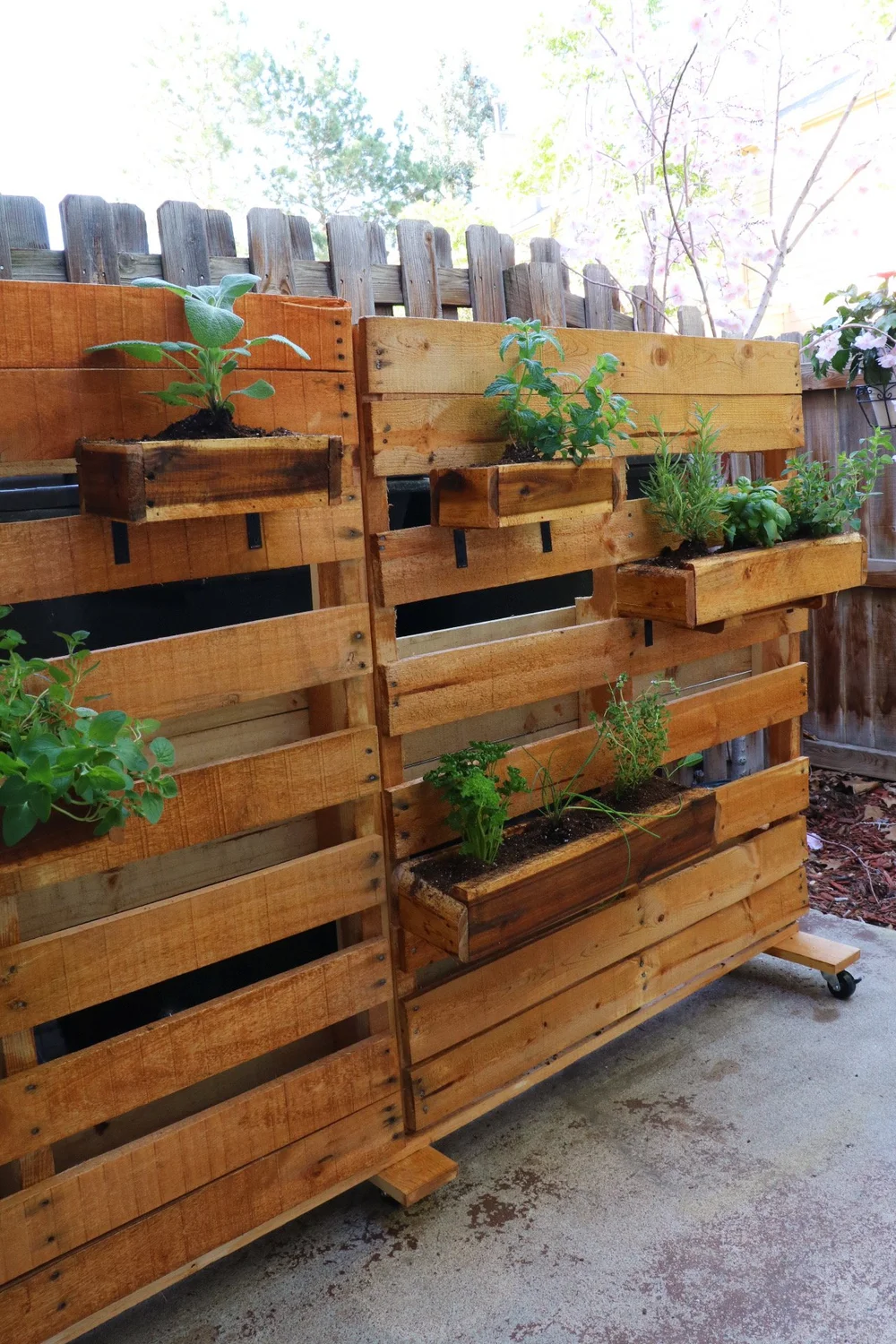
Reclaimed wood comes from old buildings or furniture. It saves trees and reduces waste.
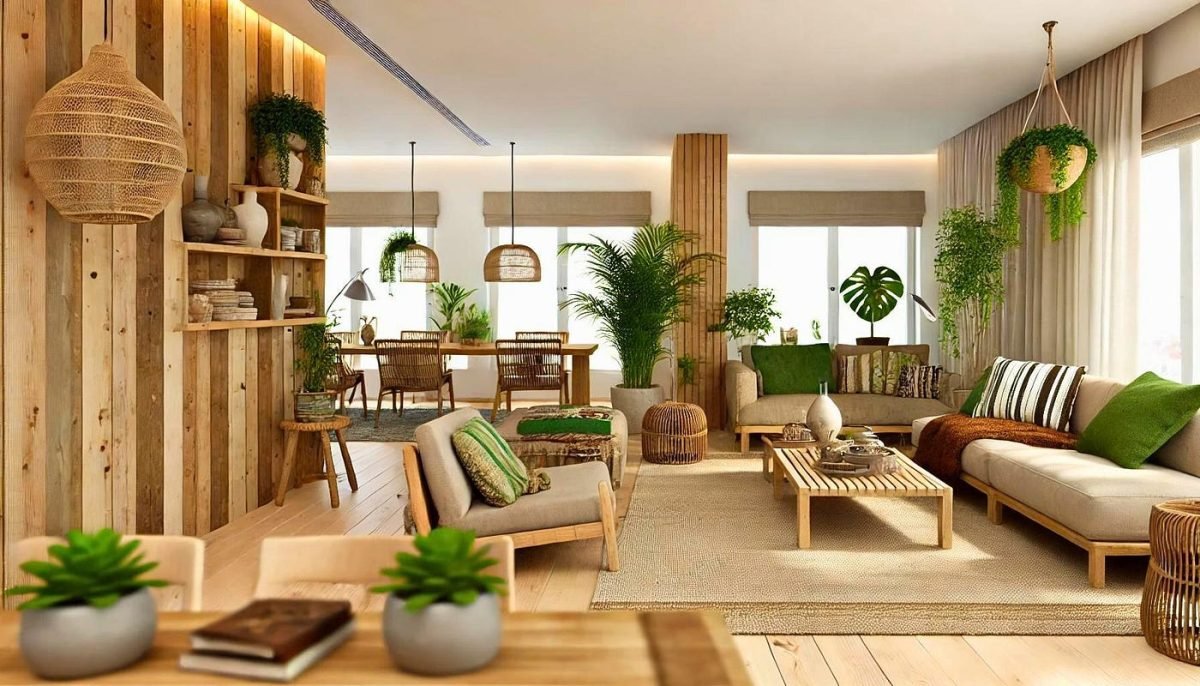
Using reclaimed wood adds character to your home. Each piece is unique and durable.
- Look for certified reclaimed wood sellers.
- Check the wood for damage before buying.
- Reclaimed furniture often has a rustic style.
- Refinish old wood with eco-friendly products.
Eco-friendly Paints And Finishes
Eco-friendly paints have low or no harmful chemicals. They reduce indoor air pollution.
Look for paints labeled low-VOC or zero-VOC. They are safer for your family and the planet.
- Use natural oils like linseed or tung oil for wood finishes.
- Avoid paints with strong odors and toxic ingredients.
- Choose water-based paints for easy cleanup.
- Test a small area before painting large surfaces.
Incorporate Energy-efficient Lighting
Energy-efficient lighting helps reduce electricity use in your home. It saves money and protects the environment.
Using smart and natural lighting can make your home bright and eco-friendly. Choose options that use less power.
Led And Cfl Bulbs
LED and CFL bulbs use less electricity than traditional bulbs. They last longer and produce less heat.
These bulbs are easy to find and fit into most lamps and fixtures. Switching to them lowers your energy bill.
- LED bulbs use about 75% less energy than incandescent bulbs
- CFL bulbs use about 70% less energy and last 10 times longer
- Both bulbs reduce carbon emissions
Maximize Natural Light
Natural light brightens your rooms without using electricity. It also improves mood and comfort.
Use light curtains and keep windows clean to let in more sunlight. Arrange furniture to catch daylight.
- Open blinds and curtains during the day
- Use mirrors to reflect light into dark corners
- Choose light-colored walls and furniture to brighten rooms
Smart Lighting Solutions
Smart lighting helps control your lights easily. You can set timers and dim lights to save energy.
These systems reduce waste by turning off lights in empty rooms. They also adjust brightness based on need.
- Use motion sensors to switch lights off automatically
- Install dimmer switches to lower light levels
- Control lights remotely with apps or voice commands
Use Upcycled And Vintage Items
Using upcycled and vintage items is a smart way to decorate your home. These choices help reduce waste and add unique style.
Old items can be given new life. This saves money and protects the environment.
Thrift Store Finds
Thrift stores have many hidden treasures. You can find furniture, art, and decorations that others no longer want.
Look for items that fit your style. These pieces often have character and history.
- Check for quality and condition before buying
- Look for unique patterns and designs
- Consider small repairs or cleaning to refresh items
Diy Upcycling Projects
Upcycling means turning old things into something new and useful. You can make decor that matches your taste.
Simple projects include painting, adding fabric, or changing the shape of items. These actions give new life to old stuff.
- Turn glass jars into candle holders
- Use old t-shirts to make pillow covers
- Paint wooden crates to use as shelves
Repurposing Old Furniture
Old furniture can be fixed or changed to suit your home. This saves resources and adds charm.
Try sanding, painting, or reupholstering chairs and tables. You can also change their use, like making a bench from drawers.
- Remove old paint and apply fresh colors
- Replace worn fabric with new material
- Combine pieces to create new furniture
Add Indoor Plants
Indoor plants bring life and color to your home. They improve air quality and create a calm space.
Choosing the right plants helps you make your home eco-friendly. Plants also add natural beauty without waste.
Air-purifying Plants
Some plants clean the air by removing toxins. They make your home healthier to breathe in.
- Spider Plant reduces carbon monoxide and formaldehyde
- Snake Plant filters out nitrogen oxide and benzene
- Peace Lily removes mold spores and allergens
- Boston Fern helps clear indoor air pollutants
Low-maintenance Options
Pick plants that need little water and care. These plants fit busy schedules and low light rooms.
- Succulents store water and grow slowly
- ZZ Plant thrives in low light and drought
- Pothos grows fast and needs little attention
- Rubber Plant is sturdy and easy to care for
Creative Plant Displays
Show plants in unique ways to add style. Use different containers and placements to fit your space.
- Hang plants in macrame holders from the ceiling
- Group small pots on shelves for a green corner
- Use recycled containers like jars or tins
- Place plants on windowsills to catch sunlight
Opt For Non-toxic Home Accessories
Choosing non-toxic home accessories helps keep your living space safe. It reduces harmful chemicals in the air and on surfaces.
These accessories support a healthy home and protect the environment. They are made from natural and safe materials.
Organic Textiles
Organic textiles are made from natural fibers without harmful chemicals. They include cotton, linen, and wool grown without pesticides.
Using organic fabrics reduces skin irritation and indoor pollution. They are soft, breathable, and good for sensitive skin.
- Look for certified organic cotton sheets and curtains
- Choose natural dyes instead of synthetic colors
- Use organic throw pillows and blankets
Natural Cleaning Products
Natural cleaning products avoid harsh chemicals like ammonia and bleach. They use ingredients like vinegar, baking soda, and essential oils.
These products clean well without harming your health. They help keep your home fresh and safe for children and pets.
- Use vinegar and water for glass and surfaces
- Try baking soda for scrubbing and deodorizing
- Choose essential oil sprays for a natural scent
Chemical-free Candles And Scents
Chemical-free candles are made with natural wax like soy or beeswax. They do not release toxic fumes when burned.
Natural scents come from essential oils, not synthetic fragrances. They create a pleasant aroma without irritants.
- Choose soy or beeswax candles with cotton wicks
- Use essential oil diffusers for safe fragrance
- Avoid candles with paraffin wax and artificial scents

Credit: arabiadecor.com
Reduce Waste In Decor Choices
Choosing eco-friendly home decor helps lower waste and protect nature. Small changes in your decor can make a big difference.
Using less material and reusing items keeps things out of landfills. This saves resources and supports a cleaner environment.
Minimalist Design Approach
Minimalist design means using fewer items with simple shapes and colors. This reduces clutter and waste in your home.
Focus on quality over quantity. Choose items that last longer and serve their purpose well.
Reusable And Multi-purpose Items
Pick decor pieces that you can use in many ways or places. This reduces the need to buy more things.
Reusable items like cloth napkins or glass containers cut down on single-use waste.
- Use baskets as storage and decoration
- Choose furniture that can change function
- Opt for washable and durable fabrics
Packaging-free Purchases
Buy items without extra packaging to reduce trash. Look for local markets or stores that allow refill options.
Packaging-free shopping helps cut down on plastic and paper waste from your home decor items.
- Bring your own bags or containers
- Choose bulk items when possible
- Support shops that use minimal packaging

Credit: www.melaniejadedesign.com
Frequently Asked Questions
What Are Eco-friendly Home Decor Materials?
Eco-friendly decor materials include bamboo, reclaimed wood, recycled glass, and organic fabrics. These materials are sustainable and reduce environmental impact. Opt for non-toxic paints and finishes to further enhance your home’s eco-friendliness. Choosing these materials supports sustainable practices and creates a healthier living environment.
How Can I Make My Home Decor Sustainable?
Choose decor items made from recycled or upcycled materials. Incorporate vintage or second-hand pieces to reduce waste. Opt for energy-efficient lighting and appliances. Use sustainable textiles like organic cotton or hemp. These practices contribute to a greener home while maintaining style and comfort.
Why Is Eco-friendly Decor Important?
Eco-friendly decor reduces environmental harm by minimizing waste and using sustainable resources. It promotes healthier indoor air quality with non-toxic materials. Additionally, it supports ethical production practices and encourages a sustainable lifestyle. Making eco-friendly choices benefits both the planet and your well-being.
How Do I Choose Eco-friendly Furniture?
Select furniture made from sustainably sourced or reclaimed materials. Look for certifications like FSC for wood products. Choose pieces with non-toxic finishes and durable construction. Consider second-hand furniture to reduce demand for new resources. These choices support sustainability while providing stylish and functional home decor.
Conclusion
Choosing eco-friendly decor helps protect our planet daily. Small changes make a big difference over time. Natural materials and recycled items bring beauty and care to your home. Save energy by picking the right lighting and plants. Creating a green space feels good and looks great.
Everyone can make their home kinder to the earth. Start with one tip and watch your space transform. A healthier home supports a healthier world.