Your entryway is the first thing guests see when they step into your home. The right lighting can make this space feel warm, welcoming, and safe.
But how do you choose the perfect entryway lighting that fits your style and needs? You’ll discover simple tips and smart ideas to brighten up your entryway and create a lasting impression. Keep reading to transform your entryway into a place you’re proud to show off.
Credit: www.etsy.com
Choosing The Right Fixture
Entryway lighting sets the first impression for your home. Picking the right fixture helps create a welcoming atmosphere. It also ensures enough light for safety and style.
Consider the size, style, and function of your entryway before choosing a light. Each type of fixture offers different benefits and fits various needs.
Pendant Lights
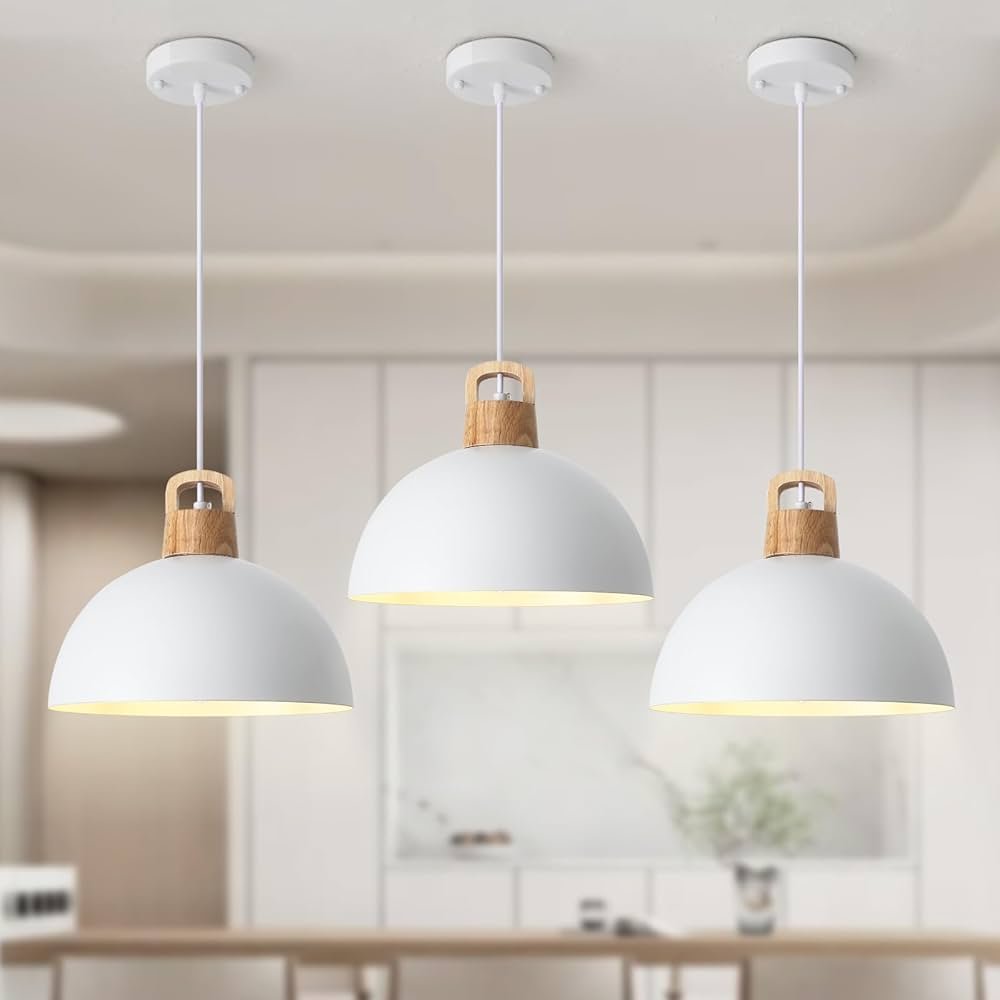
Pendant lights hang from the ceiling and add a stylish touch. They work well in small to medium entryways. Choose a pendant light with a shade that complements your decor.
Wall Sconces
Wall sconces attach to the wall and save ceiling space. They provide soft, ambient lighting and highlight architectural features. Use them alone or with other fixtures for layered light.
Chandeliers
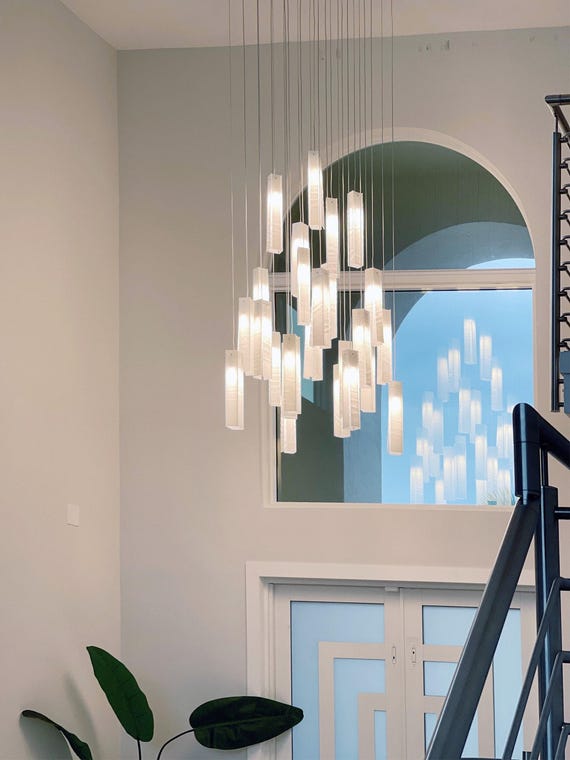
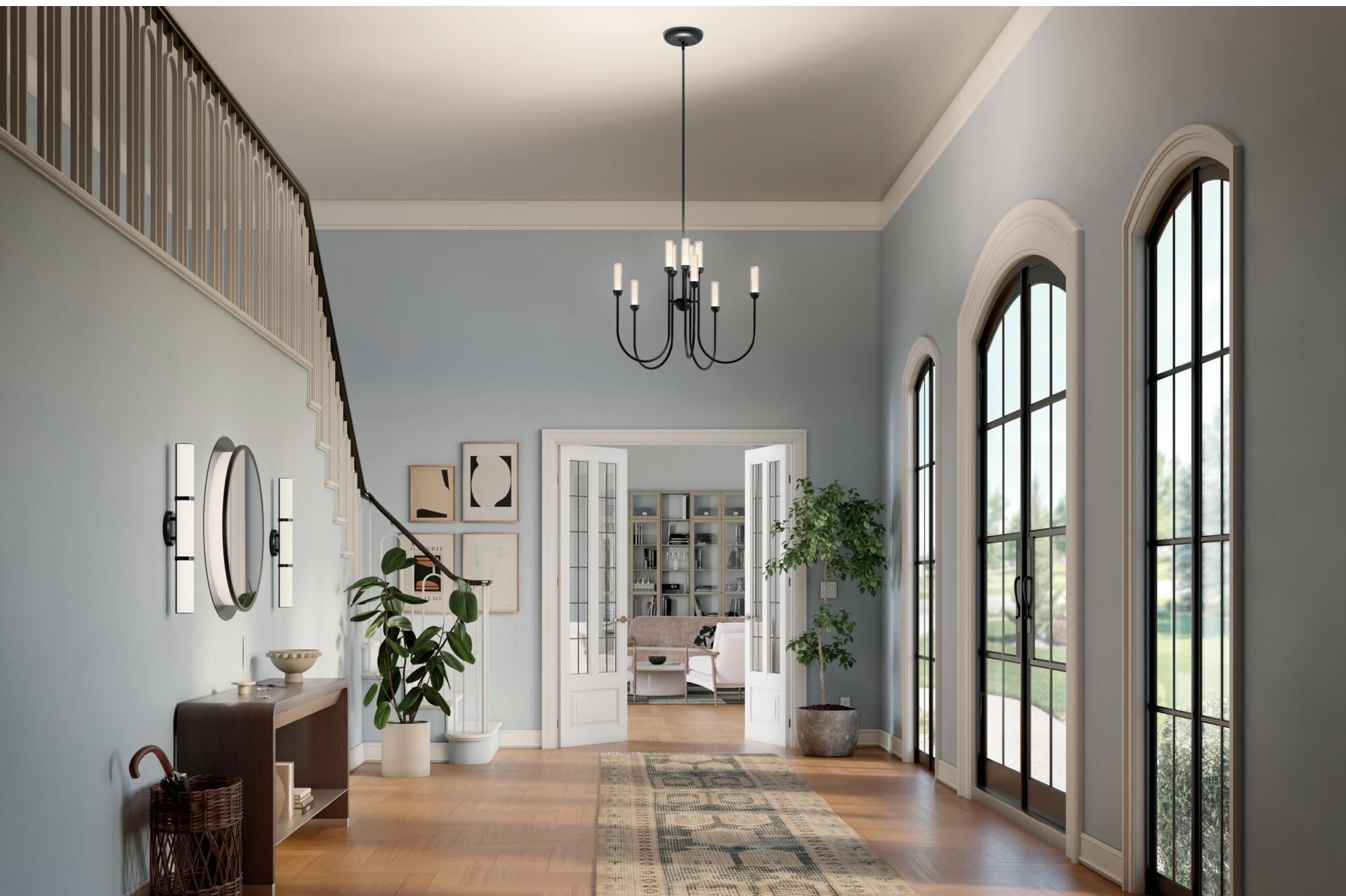
Chandeliers add elegance and a focal point to large entryways. They come in many styles, from classic to modern. Make sure the chandelier size fits the space and ceiling height.
- Measure the width and height of your entryway
- Choose a chandelier that is one-half to two-thirds the width of the space
- Ensure the chandelier hangs at least 7 feet from the floor
Recessed Lighting
Recessed lights are installed into the ceiling for a clean look. They provide even light without taking up space. Use several recessed lights to brighten large or dark entryways.
| Fixture Type | Best For | Key Benefit |
| Pendant Lights | Small to medium entryways | Stylish and focused lighting |
| Wall Sconces | Any size, especially narrow spaces | Saves ceiling space and adds ambiance |
| Chandeliers | Large entryways with high ceilings | Creates a strong focal point |
| Recessed Lighting | Large or dark entryways | Even, unobtrusive lighting |
Credit: www.lightology.com
Lighting Styles To Match Your Home
Entryway lighting sets the tone for your home’s first impression. Choosing the right style helps create a warm welcome.
Lighting should fit your home’s look and feel. Different styles can highlight your unique decor.
Modern And Minimalist
Modern and minimalist lighting uses clean lines and simple shapes. It avoids extra details to keep the look neat.
Fixtures often have metal, glass, or matte finishes. Soft white or cool light bulbs keep the space bright but calm.
- Use sleek pendant lights or flush mounts
- Choose neutral colors like black, white, or gray
- Focus on geometric shapes and smooth surfaces
Rustic And Vintage
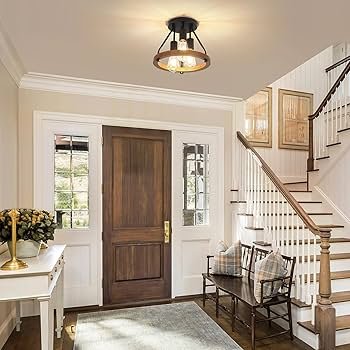
Rustic and vintage lighting brings a cozy, old-fashioned feel. It often uses wood, iron, and warm light bulbs.
Fixtures may show wear or handcrafted details. These lights add charm and character to your entryway.
- Look for lantern-style or wrought iron lights
- Warm amber or soft yellow bulbs create warmth
- Use fixtures with natural textures and finishes
Classic And Elegant
Classic and elegant lighting adds a touch of luxury. It features crystal, brass, or polished metals.
Chandeliers or wall sconces with detailed designs make a grand statement. Soft warm light enhances the elegance.
- Choose timeless designs with ornate details
- Use warm white bulbs for a soft glow
- Consider fixtures with glass or crystal elements
Industrial Chic
Industrial chic lighting combines raw materials and simple shapes. It often uses metal pipes, Edison bulbs, and exposed hardware.
This style feels urban and edgy. It fits well in lofts and modern homes with a rugged touch.
- Look for metal cage or pipe light fixtures
- Use warm Edison bulbs for vintage flair
- Choose finishes like black, bronze, or brushed steel
Layering Light For Depth
Lighting your entryway well makes it inviting and functional. Using layers of light adds depth and highlights design details.
Different types of lighting work together to create a balanced look. Each layer serves a purpose and enhances the space.
Ambient Lighting
Ambient lighting provides general illumination for the entryway. It fills the space with soft, even light to make the area feel open and welcoming.
Common sources include ceiling fixtures, chandeliers, or wall sconces that spread light broadly.
Accent Lighting
Accent lighting draws attention to specific features like artwork, plants, or architectural details. It adds visual interest and depth.
- Use spotlights or small wall lamps to highlight decor.
- Try LED strips under shelves or around door frames.
- Place uplights to brighten textured walls or plants.
Task Lighting
Task lighting focuses on areas where activities happen. It helps with things like unlocking doors or finding keys.
| Task | Lighting Type | Placement |
|---|---|---|
| Unlocking door | Bright overhead light | Ceiling near door |
| Finding keys | Focused light | Wall sconce or pendant light |
| Checking mail | Directional light | Light above mailbox |
Smart Lighting Options
Entryway lighting sets the first impression of your home. Smart lighting adds convenience and safety.
With smart options, you can control lights easily and save energy at the same time.
Motion Sensors
Motion sensors turn lights on when you enter your entryway. They switch off after you leave.
- Save energy by lighting only when needed
- Increase safety by lighting dark areas automatically
- Easy to install and set up
Dimmable Bulbs
Dimmable bulbs let you adjust the light brightness. You can create soft or bright lighting as you want.
| Brightness Level | Use Case |
| Low | Welcoming guests with soft light |
| Medium | Normal entryway lighting |
| High | Cleaning or detailed tasks |
Color Changing Leds
Color changing LEDs allow you to pick different colors for your entryway light. Choose colors to match your mood or season.
Energy Efficiency Tips
Entryway lighting helps keep your home safe and inviting. Using energy-efficient lights saves electricity and cuts costs.
Smart lighting choices reduce your energy use and help the environment. Here are some tips to make your entryway lighting efficient.
Led Vs Incandescent
LED bulbs use much less energy than incandescent bulbs. They last longer and give bright light without high electricity use.
Incandescent bulbs waste a lot of energy as heat. Switching to LED bulbs lowers your electricity bills and reduces bulb changes.
- LED bulbs use up to 80% less energy
- LED bulbs last 15 to 25 times longer
- Incandescent bulbs get hot and waste power
Solar Powered Fixtures
Solar lights use sunlight to charge batteries during the day. They turn on automatically at night without using grid electricity.
These fixtures save energy and are easy to install. They work best in areas with good sunlight and need little maintenance.
- No electricity costs for solar lights
- Automatic on/off with built-in sensors
- Good for sunny spots and outdoor use
Timers And Sensors
Timers turn lights on and off at set times. Sensors detect motion or daylight to control lighting automatically.
Using timers and sensors cuts energy waste. Lights only work when needed, lowering electricity use and extending bulb life.
- Timers schedule lighting to save power
- Motion sensors activate lights only on movement
- Light sensors turn off lights during daylight
Safety And Security Benefits
Entryway lighting is important for keeping your home safe. It helps protect your house and makes it easier to see at night.
Good lighting can prevent accidents. It can also stop people from breaking in. Here’s why you should consider it.
Well-lit Entryways
A well-lit entryway helps you see clearly when you come home. It ensures you can find your keys and unlock the door easily.
It also makes guests feel welcome. Bright lights create a warm and inviting atmosphere.
Deterring Intruders
Intruders prefer dark areas where they can hide. Bright lights make it harder for them to approach unnoticed.
Lighting can act as a deterrent. It makes your home less attractive to burglars.
- Motion-sensor lights surprise intruders
- Continuous lighting keeps areas visible
- Timely lighting mimics occupancy
Safe Navigation
Proper lighting helps you avoid trips and falls. It illuminates steps, paths, and obstacles.
This is especially important for children and the elderly. Safe navigation ensures everyone can move around without fear.
| Lighting Type | Benefit |
| Path Lights | Guide walkways |
| Step Lights | Highlight steps |
| Porch Lights | Enhance visibility |
Creative Lighting Ideas
Entryway lighting sets the tone for your home. It creates a welcoming atmosphere for guests.
Creative lighting can make your entryway look unique. It highlights the best features of your space.
Highlighting Architectural Features
Use lighting to show off your home’s architecture. Spotlights can highlight special features like arches or columns.
Wall sconces add depth and interest. They can make your entryway feel bigger and more inviting.
- Spotlights for arches
- Sconces for depth
- Track lighting for flexibility
Using Mirrors For Reflection
Mirrors can reflect light and open up space. Place them across from a light source for maximum effect.
Mirrors make the entryway feel brighter. They also help to enlarge small spaces visually.
- Position mirrors opposite lights
- Use large mirrors for small spaces
- Decorative frames add style
Incorporating Plants And Lights
Combining plants with lights adds life to your entryway. Use potted plants with small lights for a natural look.
String lights can weave through plants. This creates a cozy and inviting atmosphere.
- Place lights around plants
- Choose low-maintenance plants
- Use string lights for warmth

Credit: www.amazon.ca
Frequently Asked Questions
What Are The Best Types Of Entryway Lighting?
The best types include pendant lights, wall sconces, and recessed lighting. They provide style and sufficient illumination. Choose fixtures that complement your decor and enhance safety. Layered lighting helps create a welcoming atmosphere.
How Does Entryway Lighting Improve Home Safety?
Proper entryway lighting reduces tripping hazards and deters intruders. Well-lit entrances increase visibility for residents and visitors. Motion sensors add convenience and security. Good lighting ensures safer access during nighttime or bad weather.
What Is The Ideal Brightness For Entryway Lights?
Entryway lights should offer 700 to 1,200 lumens depending on space size. Brightness should balance visibility without glare. Adjustable fixtures or dimmers allow flexible lighting levels. Proper brightness enhances both function and ambiance.
Can Entryway Lighting Boost Home Curb Appeal?
Yes, stylish entryway lighting creates a warm, inviting first impression. It highlights architectural features and landscaping. Well-designed lighting adds charm and value. Outdoor-rated fixtures ensure durability and consistent performance.
Conclusion
Entryway lighting sets the tone for your entire home. It welcomes guests with warmth and safety. Choosing the right lights can brighten dark spaces easily. Simple fixtures can make a big difference. Think about energy-saving bulbs for long-lasting use. Soft, warm light creates a cozy feel.
Don’t forget to keep pathways clear and well-lit. Good lighting adds charm and improves security. Small changes lead to noticeable improvements. Your entryway deserves light that feels inviting and safe.