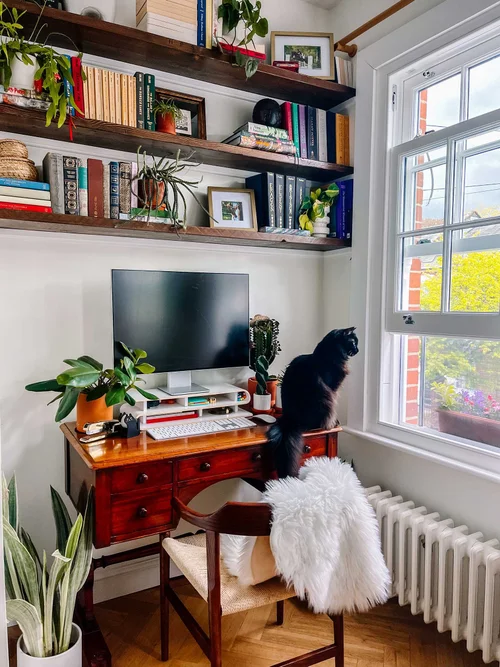
Your home office is more than just a workspace—it’s where ideas come to life and productivity soars. But have you ever stopped to think about how the right flooring can boost your focus and comfort?
Choosing the perfect floor isn’t just about looks; it can change the way you feel every time you sit down to work. You’ll discover flooring ideas that make your home office stylish, cozy, and functional. Ready to transform your space and elevate your workday?
Let’s dive in.
Popular Flooring Materials
Choosing the right flooring makes your home office comfortable and stylish. Different materials offer unique looks and benefits.
This guide covers popular flooring types for a home office. Learn about hardwood, laminate, vinyl, carpet, and tile options.
Hardwood Options
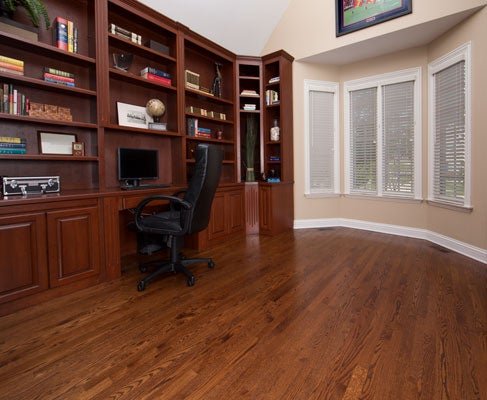
Hardwood floors add warmth and a classic feel. They come in many wood types like oak, maple, and cherry. Hardwood is strong and lasts long.
Laminate Flooring
Laminate looks like wood but costs less. It is easy to clean and scratch-resistant. Laminate can handle heavy foot traffic well.
Vinyl Planks
Vinyl planks are water-resistant and soft underfoot. They mimic wood or stone patterns. Vinyl is a good choice for a budget-friendly office floor.
Carpet Choices
Carpet adds warmth and soundproofing. It comes in many colors and textures. Soft carpets help reduce noise for better focus.
- Loop pile carpet: Durable and good for high use
- Cut pile carpet: Soft and plush feel
- Berber carpet: Textured and stain-resistant
Tile Varieties
Tiles are strong and easy to clean. They suit modern and minimalist styles. Tiles come in ceramic, porcelain, and natural stone.
| Tile Type | Key Feature | Best Use |
| Ceramic | Affordable and versatile | Light office use |
| Porcelain | Dense and water-resistant | High traffic areas |
| Natural Stone | Unique look, needs sealing | Stylish, low-use spaces |

Credit: www.reddit.com
Balancing Style And Function
Choosing the right flooring for a home office is important. It should look good and work well.
The floor needs to handle office chairs, foot traffic, and long hours of use.
Color And Texture Trends
Light colors make a room feel bigger and brighter. Dark colors add a cozy touch.
Textured floors, like wood grain or stone, add interest and hide dirt well.
- Light oak or maple for a fresh look
- Gray tones for modern style
- Matte finishes reduce glare
- Soft textures for warmth and comfort
Matching Flooring With Furniture
Choose flooring that matches your desk and chairs in color and style. This creates a balanced look.
Wood floors work well with wooden furniture. Carpet can add softness to metal or glass desks.
- Light floors with dark furniture for contrast
- Matching wood tones for a classic feel
- Neutral floors with colorful chairs for balance
- Durable floors under heavy furniture
Creating A Cozy Atmosphere
Soft flooring like carpet or rugs can make your office more comfortable and warm.
Add rugs to hardwood or tile floors for a cozy feel. Rugs also reduce noise and protect floors.
- Choose rugs with simple patterns
- Pick soft materials like wool or cotton
- Use rugs to define work areas
- Keep rugs easy to clean
Durability Factors
Choosing the right flooring for a home office is important. Durable floors last longer and look better.
Durability depends on how the floor handles scratches, stains, moisture, and daily wear.
Scratch And Stain Resistance
Home office floors face scratches from chairs and dropped items. Stains can come from drinks or pens.
Choose floors that resist scratches and stains to keep your office looking clean and new.
- Laminate and vinyl floors resist scratches well.
- Hardwood floors can scratch but can be refinished.
- Carpet hides stains but can be harder to clean.
Moisture And Wear Considerations
Moisture can damage some floor types, causing warping or mold. Wear happens from daily use.
Select flooring that handles moisture and stays strong under heavy office chairs and foot traffic.
- Vinyl floors are water-resistant and durable.
- Engineered wood handles moisture better than solid wood.
- Tile floors resist moisture but can feel cold.
Maintenance Tips
Good maintenance extends floor life. Clean floors regularly and fix damage quickly.
Use protective pads under furniture to avoid scratches and stains.
- Vacuum or sweep to remove dirt and dust.
- Use a damp mop for hard floors; avoid soaking.
- Clean spills immediately to prevent stains.
- Replace worn pads on chair legs often.

Credit: www.roccia.com
Comfort And Acoustics
Creating a comfortable home office is important for productivity. Flooring plays a big role in comfort and sound control.
Let’s explore some flooring ideas that enhance both comfort and acoustics in your workspace.
Soft Flooring Options
Soft flooring can make a home office feel cozy. It also helps reduce noise. Here are some popular choices.
- Carpet tiles: Easy to install and replace.
- Area rugs: Add warmth and color.
- Cork flooring: Soft underfoot and eco-friendly.
Sound Absorption Techniques
Minimizing noise helps you focus better. Sound absorption techniques can be effective in a home office.
| Technique | Benefit |
| Acoustic panels | Reduce echoes |
| Thick curtains | Block outside noise |
| Bookshelves | Absorb sound waves |
Ergonomic Flooring Solutions
Ergonomic flooring solutions can improve posture and reduce fatigue. Consider these options for a healthier workspace.
Anti-fatigue mats provide support for long standing periods.
Adjustable flooring tiles let you change the layout easily.
Eco-friendly Flooring Choices
Choosing eco-friendly flooring helps protect the environment. It also creates a healthy space for your home office.
There are many options for sustainable, recycled, and low-emission floors. Each choice has benefits for your workspace and the planet.
Sustainable Materials
Sustainable flooring uses materials that renew quickly or have a low environmental impact. Bamboo and cork are popular choices.
Bamboo grows fast and can be harvested without killing the plant. Cork is harvested from tree bark without cutting down trees.
- Bamboo is strong and resists moisture.
- Cork provides natural insulation and sound absorption.
- Both materials are biodegradable and recyclable.
Recycled Flooring Options
Recycled flooring reduces waste by reusing old materials. It lowers demand for new resources.
| Type | Source | Benefits |
| Recycled wood | Old buildings, pallets | Unique look, saves trees |
| Recycled rubber | Used tires | Durable, shock-absorbing |
| Recycled glass tiles | Broken glass | Colorful, water-resistant |
Low Voc Finishes
Low VOC finishes release fewer harmful chemicals into the air. This improves indoor air quality.
Common low VOC finishes include:
- Water-based polyurethane
- Natural oils like linseed or tung oil
- Wax finishes made from plant-based ingredients
Budgeting For Home Office Floors
Choosing the right floor for your home office affects your budget. You want a floor that fits your style and cost needs.
Knowing how much you will spend helps you plan better. This guide covers cost comparisons, installation choices, and long-term value.
Cost Comparison
Flooring materials differ in price. Some options cost less upfront but may wear out faster. Others cost more but last longer.
| Floor Type | Average Cost per sq. ft. | Durability |
| Laminate | $1 – $3 | Moderate |
| Vinyl | $2 – $5 | Good |
| Hardwood | $5 – $10 | High |
| Carpet | $3 – $7 | Low to Moderate |
Diy Vs Professional Installation
Installing floors yourself can save money but needs skill and time. Professionals charge more but ensure quality work.
- DIY saves labor costs but may need tools.
- Professional work comes with a warranty.
- Complex floors often require experts.
- Mistakes in DIY can increase overall costs.
Long-term Investment
Think about how long the floor will last and how it affects home value. Durable floors reduce replacement costs.
- Choose durable materials like hardwood or quality vinyl.
- Maintain floors regularly to extend life.
- Consider resale value if you plan to sell your home.
Flooring Maintenance Hacks
Keeping your home office floor looking great is important. It adds to the comfort and style of your workspace. Here are some easy maintenance hacks to keep your flooring in top shape.
These tips will help you clean, prevent damage, and restore your floor. Let’s explore each area in detail.
Routine Cleaning
Regular cleaning keeps your floor looking fresh. It also prevents dust and dirt from building up. Sweep or vacuum the floor every week to remove loose dirt.
Use a damp mop with a mild cleaner for deep cleaning. Avoid using too much water as it can damage some types of flooring.
Damage Prevention
Preventing damage saves you time and money. Place mats at entrances to catch dirt and moisture. Use furniture pads to avoid scratches from chair legs.
Keep sharp objects away from the floor. Trim pet nails regularly to prevent scratches.
- Place mats at doorways
- Use furniture pads
- Trim pet nails
Restoration Tips
If your floor gets damaged, there are ways to fix it. For minor scratches, use a floor repair kit. These kits are available for different types of floors.
For deeper damage, you might need professional help. Repairing the floor can restore its beauty and extend its life.
- Use a floor repair kit for scratches
- Contact a professional for deep damage
:max_bytes(150000):strip_icc()/collov-home-design-UUsQk_9bdR8-unsplash-f847733b560946789437e046a16b2fe3.jpg)
Credit: www.thespruce.com
Frequently Asked Questions
What Is The Best Flooring For A Home Office?
The best flooring for a home office is durable, comfortable, and stylish. Options like hardwood, laminate, and vinyl offer durability and easy maintenance. Carpet provides warmth and soundproofing. Choose flooring that complements your office decor and supports long hours of work without discomfort.
How Does Flooring Affect Home Office Productivity?
Flooring impacts productivity by influencing comfort and noise levels. Soft flooring like carpet reduces noise, creating a quiet workspace. Hard flooring offers easy cleaning and a professional look. Comfortable flooring helps reduce fatigue, improving focus and work efficiency in your home office.
Are Carpet Floors Suitable For Home Offices?
Yes, carpet floors are suitable for home offices. They provide warmth, reduce noise, and add comfort underfoot. Carpets also prevent chair wheels from damaging the floor. Choose low-pile carpets for easier cleaning and a smoother surface for office chairs.
Which Flooring Is Easiest To Maintain In Home Offices?
Vinyl and laminate flooring are easiest to maintain in home offices. They resist stains, scratches, and moisture. Regular sweeping and occasional mopping keep them clean. These options offer durability and a professional appearance with minimal upkeep.
Conclusion
Choosing the right flooring can boost comfort and focus in your home office. Hard floors like wood or laminate offer style and easy cleaning. Soft options like carpet add warmth and reduce noise. Think about your daily work habits and room use.
A good floor supports long hours and feels nice underfoot. Take time to pick what fits your space and needs best. Your home office deserves a floor that helps you work well every day.