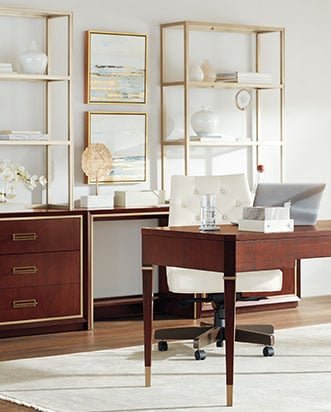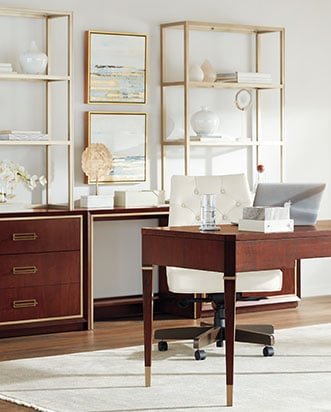
Your home office should be a place where you feel comfortable, focused, and productive. But without the right furniture, it can quickly become a source of frustration and discomfort.
Choosing good home office furniture isn’t just about style—it’s about creating a space that supports your work and your well-being. Imagine sitting in a chair that keeps your back pain away or having a desk that fits perfectly in your room and organizes all your essentials.
This article will help you discover exactly what you need to build a home office that works for you, making every workday easier and more enjoyable. Keep reading, and transform your workspace into a place you actually want to be.

Credit: www.ethanallen.com
Choosing The Right Desk
Your desk is the center of your home office. Picking the right one helps you work well. It affects your comfort and productivity.
Think about your space, style, and how you work before choosing a desk. This guide covers size, material, and ergonomics.
Size And Shape Options
Desks come in many sizes and shapes. Choose one that fits your room and work needs. A cramped desk can cause stress.
- Rectangular desks fit most rooms and offer plenty of space.
- L-shaped desks use corner space well and give two work areas.
- Compact desks save space but may limit your work area.
- Standing desks let you change positions during work.
Material And Finish
The desk’s material affects its look and durability. Pick a finish that matches your room and is easy to clean.
| Material | Pros | Cons |
| Wood | Strong, classic look | Can scratch or stain |
| Metal | Durable, modern style | Can feel cold or heavy |
| Glass | Stylish, easy to clean | Shows fingerprints, fragile |
| Laminate | Affordable, many designs | Less durable over time |
Ergonomic Considerations
An ergonomic desk helps keep your body healthy. It supports good posture and reduces strain.
- Choose a desk height that fits your chair and body.
- Look for desks with adjustable height options.
- Leave space under the desk for your legs.
- Keep your monitor at eye level to avoid neck strain.
- Use a keyboard tray if needed to keep wrists straight.
Comfortable Seating Choices
Having the right seating in your home office helps you work better. Comfort keeps you focused and reduces tiredness.
Choosing good furniture is key. Comfortable chairs support your body and improve your workday.
Ergonomic Chairs
Ergonomic chairs fit your body shape. They reduce strain on your back and neck.
These chairs help keep good posture. They often have padded seats and backrests for comfort.
- Support lower back with lumbar cushions
- Adjust seat height to fit your desk
- Allow reclining to ease spine pressure
- Have armrests to reduce shoulder strain
Alternative Seating
Not all office seats are traditional chairs. Alternative seating can keep you active and comfortable.
Options like stools, balance balls, or kneeling chairs offer different ways to sit.
- Stools encourage upright posture
- Balance balls improve core strength
- Kneeling chairs reduce lower back pressure
- Standing desks with mats help alternate positions
Adjustability Features
Adjustable chairs let you change settings for the best fit. This keeps you comfortable all day.
Look for chairs with many adjustable parts. This helps support different body types and work styles.
- Seat height adjustment
- Backrest tilt and height
- Armrest height and width
- Swivel and wheel base for movement
Storage Solutions
Good home office furniture helps keep your workspace neat. Storage solutions make it easy to organize your things. A tidy office can improve focus and productivity.
Choosing the right storage options depends on your needs and space. Shelves, drawers, and multi-functional furniture all add value to your office setup.
Shelves And Cabinets
Shelves and cabinets store books, files, and office supplies. They free up desk space and keep items within reach. Choose closed cabinets for a cleaner look or open shelves for easy access.
- Adjustable shelves fit different sized items
- Lockable cabinets keep sensitive documents safe
- Wall-mounted shelves save floor space
- Wood or metal materials match office style
Drawer Organizers
Drawer organizers help keep small items tidy. Pens, paper clips, and sticky notes stay in place. This reduces clutter and saves time searching for things.
| Type | Use |
| Compartment trays | Separate small office supplies |
| Stackable boxes | Store cables and chargers |
| File dividers | Organize papers and folders |
Multi-functional Furniture
Multi-functional furniture saves space and adds storage. Desks with built-in shelves or cabinets hold many items in one place. Some pieces can change use as your needs change.
- Desks with hidden compartments for documents
- Ottomans that open to store supplies
- Bookshelves with attached desks
- Filing cabinets that also serve as side tables
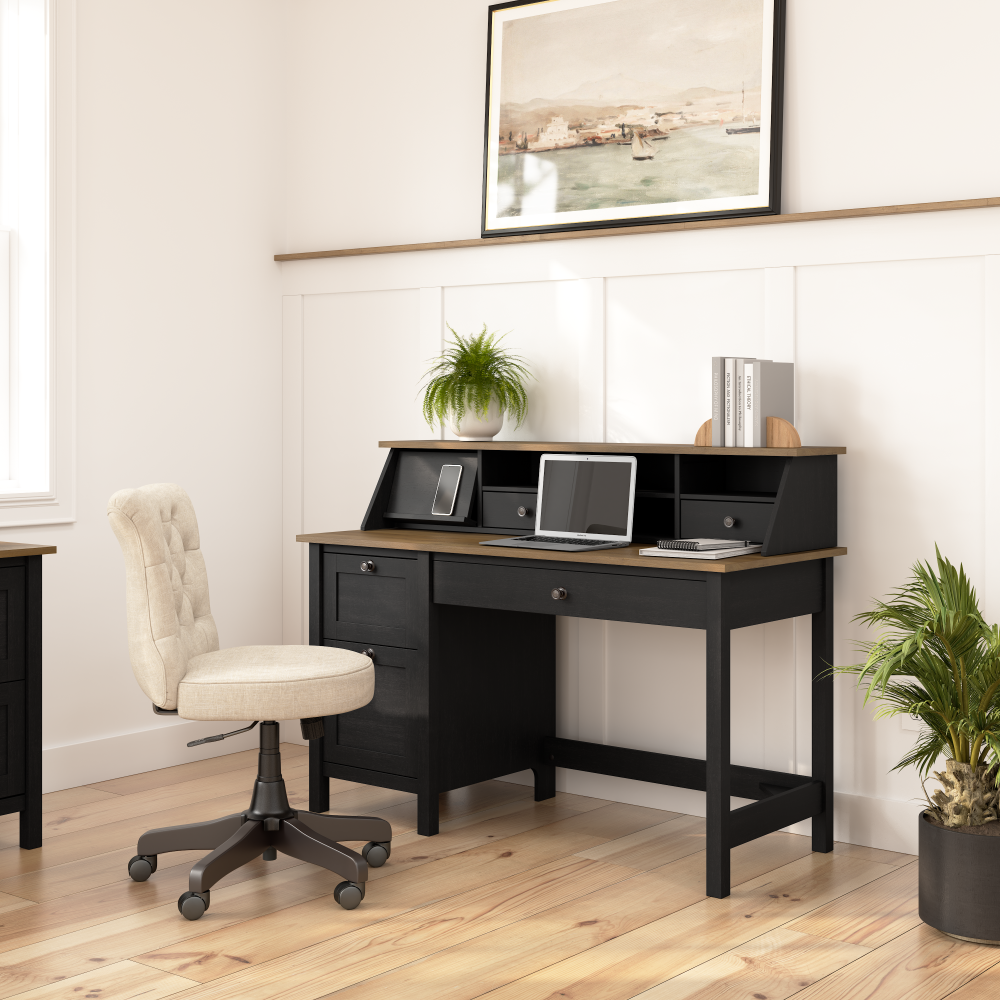
Credit: www.bushhome.com
Lighting For Productivity
Good lighting is key to a productive home office. It helps reduce eye strain and keeps you focused.
Choosing the right mix of light can improve your work comfort and energy.
Natural Vs Artificial Light
Natural light comes from the sun and changes throughout the day. It helps keep your body clock on track.
Artificial light is made by lamps and bulbs. It lets you work well, even after dark.
- Natural light boosts mood and alertness
- Artificial light can be adjusted to your needs
- Mix both types for best results
Task Lighting Options
Task lighting focuses light on your work area. It helps you see details clearly.
Desk lamps and adjustable lights give you control over brightness and angle.
- LED desk lamps save energy and last long
- Clamp lamps free up desk space
- Adjustable arms help direct light where needed
Decorative Lighting Ideas
Decorative lighting adds style and warmth to your office. It makes the space feel cozy.
Soft lights like string lights or floor lamps create a relaxing atmosphere.
- Use warm-colored bulbs to reduce harshness
- Place lights near plants or art for visual interest
- Choose dimmable lights to adjust mood
Decor And Personal Touches
Creating a home office with personal touches makes work more enjoyable. The right decor can increase productivity and comfort.
Adding your style to the office helps make it a place you love. From colors to plants, each choice reflects your personality.
Color Schemes
Colors influence mood and concentration. Choose a color scheme that suits your work style.
- Blue boosts calm and focus.
- Green promotes balance and harmony.
- Yellow energizes and stimulates creativity.
Wall Art And Accessories
Wall art adds character to your office. It can inspire and motivate you during work hours.
Accessories, like clocks or calendars, are practical yet stylish. They help keep you on schedule and organized.
- Choose art that inspires you.
- Mix pictures with motivational quotes.
- Use a stylish clock for time management.
Plants And Greenery
Plants bring freshness and life to your workspace. They improve air quality and reduce stress.
Choose plants that are easy to care for. This ensures they stay vibrant and healthy.
- Succulents need little water and sunlight.
- Spider plants are great for air purification.
- Peace lilies add beauty and are low maintenance.

Credit: www.bushhome.com
Tech Integration
Creating a modern home office means using the right tech. Good furniture helps manage tech needs.
Smart choices make workspaces more efficient and comfortable. Let’s explore some key features.
Cable Management
Cables can clutter a workspace. Good management keeps them organized.
- Use cable trays under the desk.
- Install cable clips along table edges.
- Choose desks with built-in cable holes.
Charging Stations
Devices need power. Charging stations in furniture make this easy.
| Feature | Benefit |
| USB Ports | Charge multiple devices |
| Wireless Charging | No need for cables |
| Integrated Power Strips | Reduce outlet clutter |
Smart Furniture Features
Smart furniture offers more than just a place to sit. It brings tech into your workspace.
Some furniture comes with smart features like:
- Adjustable desks with memory settings
- Chairs with posture alerts
- Lighting that adjusts with the time of day
Budgeting Your Setup
Setting up a home office can be simple and affordable. Knowing where to spend money helps you create a space that works well. Careful budgeting keeps your costs low while meeting your needs.
Think about what items are most important first. Then look for ways to save without losing style or comfort. This guide covers three key areas for budgeting your home office.
Prioritizing Essentials
Start with the basics. Your desk, chair, and lighting are the most important parts of your workspace. Buy what you need first before adding extras. This helps avoid overspending on things you don’t really need.
- Choose a desk that fits your space and work style
- Find a chair that supports your back
- Use good lighting to reduce eye strain
- Add storage only if you need it
Affordable Style Tips
You can decorate your office without spending much. Small touches make the room look nice and feel inviting. Use colors and accessories you already like. Thrift stores and sales offer good deals on decorations.
| Style Tip | How to Save |
| Wall art | Print free images or use photos |
| Desk organizer | Repurpose containers from home |
| Rug | Buy secondhand or small mats |
| Plants | Choose easy-care, low-cost plants |
Investing In Quality
Spend more on items you use every day. A good chair or desk lasts longer and feels better. This can save money over time by avoiding replacements. Focus on comfort and durability in these purchases.
Consider this list to decide where to invest:
- Ergonomic chair with lumbar support
- Sturdy desk with enough surface area
- Reliable lighting with adjustable brightness
- Quality keyboard and mouse for comfort
Frequently Asked Questions
What Defines Good Home Office Furniture?
Good home office furniture is ergonomic, comfortable, and space-efficient. It supports productivity and reduces physical strain during work hours.
How To Choose Ergonomic Office Chairs For Home?
Select chairs with adjustable height, lumbar support, and comfortable padding. Proper ergonomics prevent back pain and improve posture.
Which Desks Suit Small Home Office Spaces?
Compact desks with built-in storage or foldable designs suit small spaces. They maximize functionality without overcrowding the area.
Why Is Adjustable Furniture Important For Home Offices?
Adjustable furniture adapts to different tasks and body types. It enhances comfort, reduces fatigue, and boosts overall work efficiency.
Conclusion
Choosing good home office furniture helps create a comfortable work space. It supports your body and keeps you focused. Simple designs with the right size fit best. Quality materials last longer and feel better. A tidy desk helps reduce stress and stay organized.
Small changes can improve your daily work life. Remember, a good setup means working smarter, not harder. Take time to pick furniture that suits your needs well. Your home office should be a place where work feels easy and clear.