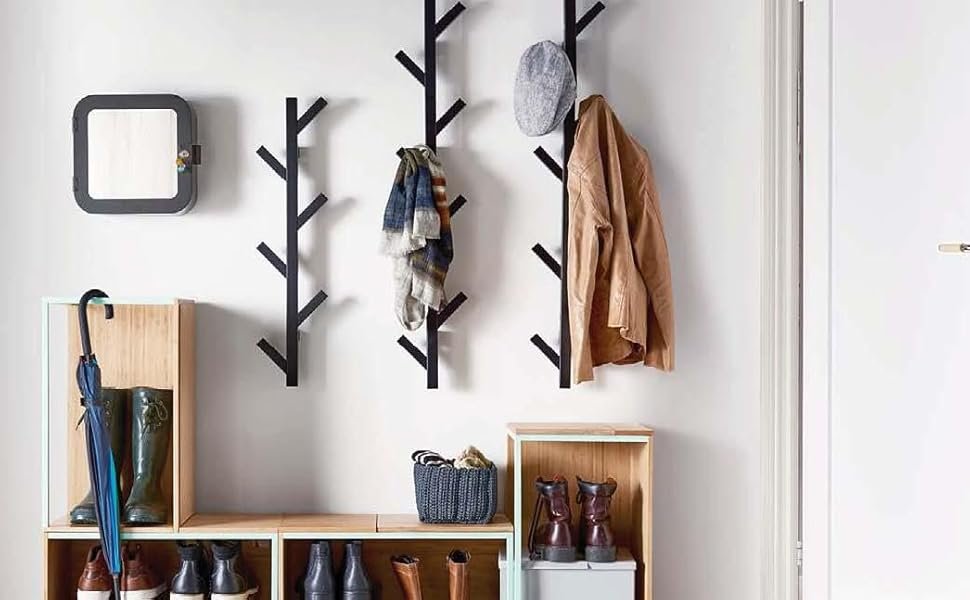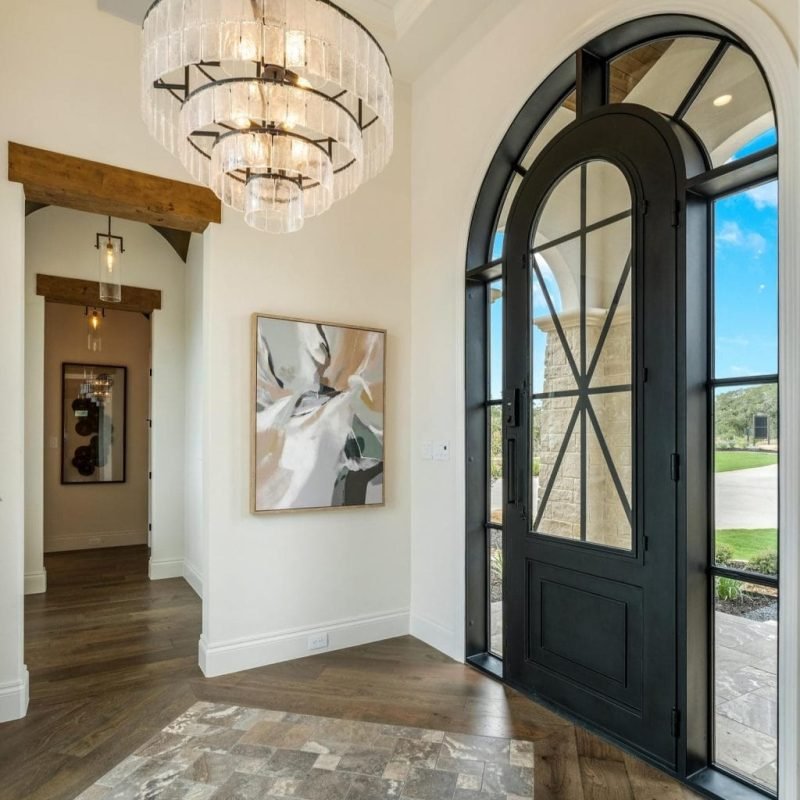
Are you looking to transform your hallway from plain to stunning? A hallway accent wall can instantly add character and style without overwhelming your space.
Imagine walking into your home and being greeted by a splash of color, texture, or pattern that makes your hallway feel warm and inviting. You’ll discover simple and creative ideas to inspire your next hallway makeover. Get ready to see your hallway in a whole new light and make it a space you truly love.
Keep reading to find the perfect accent wall inspiration for your home!
Choosing The Right Wall
Choosing the right wall is key for a hallway accent wall. It sets the tone for the space and draws attention.
Think about walls that naturally catch the eye or have enough space for decoration.
Focal Point Selection
Pick a wall that acts as a natural focal point in the hallway. This could be the wall you see first when you enter.
A wall near stairs, a doorway, or opposite a window often works well. Avoid walls crowded with doors or switches.
- Choose a wall that is visible from the main entrance
- Avoid walls with many interruptions like doors or vents
- Look for a wall with enough space to add texture or color
- Consider lighting to highlight the accent wall
Measuring And Preparation Tips
Measure your chosen wall carefully before starting. Accurate measurements help you plan materials and design.
Prepare the wall by cleaning it and fixing any holes or cracks. A smooth surface will make your accent stand out.
- Use a tape measure to find wall height and width
- Mark the wall edges lightly with a pencil
- Remove nails, screws, and clean dust or dirt
- Fill any holes or cracks with spackle or filler
- Sand the wall smooth after filling
- Ensure the wall is dry and free of grease
Color Choices
Choosing the right color for a hallway accent wall sets the tone for your space. Colors can make your hallway feel larger, cozy, bright, or calm.
Think about the mood you want to create and how colors will work with light and space in your hallway.
Bold Vs. Neutral Tones
Bold colors add energy and personality to a hallway. They create a strong focal point that draws attention.
- Deep blues or greens bring a rich, dramatic feel.
- Bright reds or oranges add warmth and excitement.
- Bold yellows or teals can brighten a dark hallway.
- Use bold colors if you want a statement wall.
Neutral tones offer calm and timeless style. They make the hallway feel open and inviting.
- Soft grays or beiges create a modern look.
- Whites and creams keep the space bright and clean.
- Light browns or taupes add warmth without overwhelming.
- Neutral colors work well with many decor styles.
Complementing Existing Decor
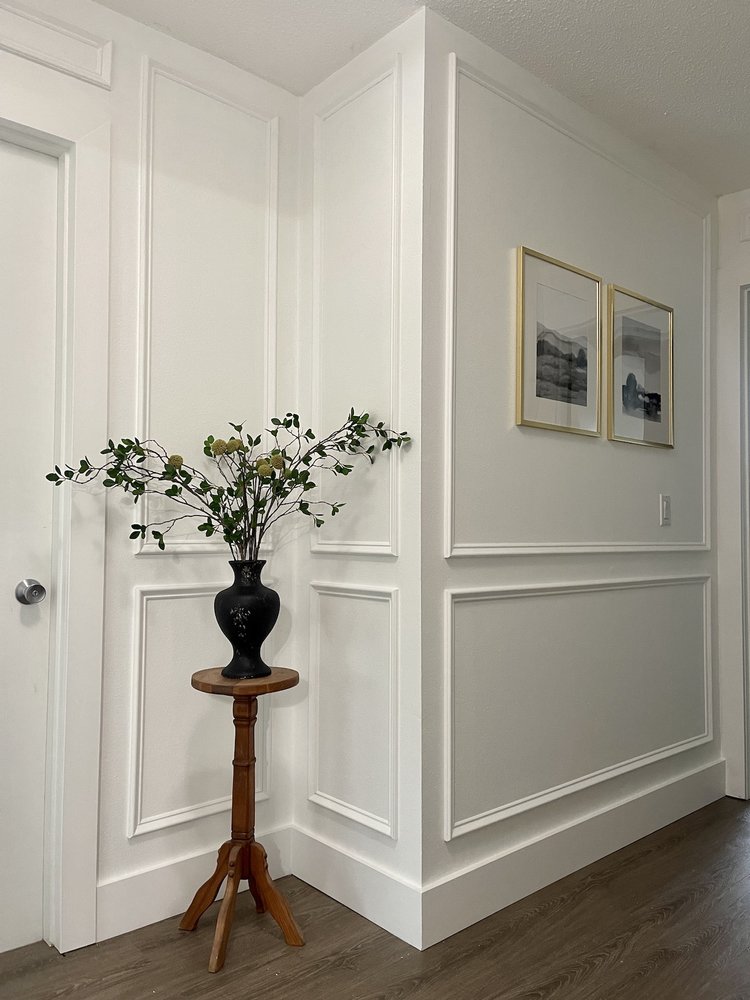
Match your accent wall color with your hallway’s furniture and art. This creates a balanced and cohesive look.
| Decor Type | Suggested Wall Colors |
| Wood Furniture | Warm neutrals like beige or taupe |
| Metal Fixtures | Bold colors like navy or charcoal |
| Bright Artwork | Soft neutral walls to highlight art |
| Minimalist Style | Light gray or white for simplicity |
Patterns And Textures
Adding patterns and textures to a hallway accent wall can make the space more interesting. These elements bring depth and personality to an often overlooked area.
Choosing the right pattern or texture can change how the hallway feels. It can look modern, cozy, or even bold depending on the style.
Geometric Designs
Geometric shapes like triangles, squares, and hexagons add a modern look to your hallway wall. They create clean lines and interesting visual effects.
Using bold colors or simple black and white can make these shapes stand out. You can paint them directly or use stencils for precision.
- Triangles for a dynamic feel
- Stripes for a longer or taller effect
- Hexagons for a honeycomb pattern
- Squares and rectangles for a blocky look
Textured Finishes
Textured finishes add a tactile element to the wall. They give the surface a sense of depth that flat paint cannot achieve.
Common textures include plaster, wood panels, and brick veneers. These materials can make your hallway feel warm or rustic.
- Plaster for a smooth yet raised surface
- Wood panels add natural warmth
- Brick veneer gives an industrial look
- Textured paint creates subtle patterns
Wallpaper Options
Wallpaper is an easy way to add both pattern and texture. Many wallpapers mimic natural materials or create bold graphic designs.
You can find wallpapers with raised surfaces or fabric finishes. These options add richness without heavy construction work.
- Grasscloth wallpaper for a woven texture
- Vinyl wallpaper with embossed patterns
- Floral or abstract prints for style
- Peel-and-stick wallpapers for easy changes

Credit: www.decorilla.com
Material Ideas
Choosing the right material can make a hallway accent wall stand out. Different materials add unique texture and style.
Materials also affect the feel of the space. Some create warmth, while others add a modern touch.
Wood Paneling
Wood paneling brings natural warmth and charm to a hallway. It can be smooth or textured for different looks.
Options include reclaimed wood, shiplap, or tongue and groove panels. Wood adds a cozy, timeless feel.
- Reclaimed wood offers a rustic appearance
- Shiplap gives a clean, modern style
- Tongue and groove panels provide a classic look
Stone And Brick Accents
Stone and brick create strong visual interest and texture. They bring a natural, earthy vibe to hallways.
These materials can be real or faux. Both add a rugged and durable feel to the space.
- Natural stone offers unique shapes and colors
- Brick adds a vintage, industrial style
- Faux versions are lighter and easier to install
Fabric And Upholstery
Fabric wall coverings add softness and color to a hallway. Upholstery can create a plush and inviting look.
Materials like velvet, linen, or suede work well. Fabric also helps reduce noise in busy homes.
- Velvet adds luxury and depth
- Linen gives a light, airy feel
- Suede offers a smooth, matte finish
Lighting Effects
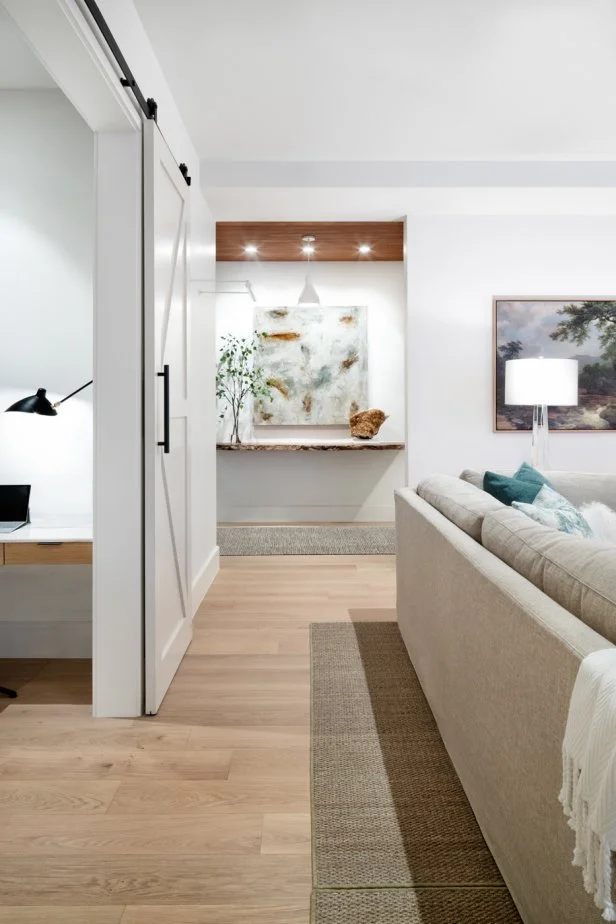
Lighting can change the mood of any hallway. It highlights features that make a space unique. Accent walls, with the right lighting, can transform into stunning focal points.
Explore different lighting effects to make your hallway stand out. Use light to showcase your accent wall’s texture and color.
Highlighting The Accent Wall
Accent walls need the right lighting to shine. Choose lights that enhance the wall’s color and design.
- Position lights above the accent wall.
- Use warm lights for cozy settings.
- Try cool lights for modern looks.
Using Wall Sconces And Leds
Wall sconces and LEDs are great for accent walls. They provide focused lighting that draws attention.
- Wall sconces add a classic touch.
- LED strips can be hidden for a sleek look.
- Mix both for a layered lighting effect.
Credit: www.hgtv.com
Decor Integration
Adding an accent wall in your hallway can change its look. Decorating this space well makes it feel inviting and stylish.
Using different decor items helps blend the wall with the rest of your home. Choose pieces that match your style and space.
Artwork And Frames
Artwork brings color and personality to a hallway accent wall. Frames protect and highlight your favorite pieces.
- Use various frame sizes for a dynamic look
- Pick artwork that fits the wall’s color scheme
- Group pieces in a gallery style for impact
- Include family photos for a personal touch
Shelving And Storage
Shelves add function and style to an accent wall. They hold decor and keep the space organized.
| Type of Shelf | Best Use | Style Tip |
| Floating Shelves | Small items and decor | Keep minimal for a clean look |
| Built-in Shelves | Books and larger decor | Paint to match the wall color |
| Corner Shelves | Utilize small spaces | Add plants or candles |
Mirrors And Decorative Pieces
Mirrors reflect light and make the hallway feel bigger. Decorative pieces add charm and style to the wall.


Diy Vs Professional Installation
Creating a hallway accent wall can transform your home. You can choose to do it yourself or hire a professional. Each option has its own benefits and challenges.
Consider your budget and skill level before making a decision. These factors will guide you in choosing the best approach for your project.
Budget Considerations
DIY projects often cost less than professional services. You save money on labor but need to buy materials yourself.
Hiring a professional can be more expensive. They bring expertise and may offer better quality materials.
- DIY: Lower cost, but buy tools and materials
- Professional: Higher cost, but includes labor and expertise
Skill Level Assessment
DIY projects require some skills and confidence. You should feel comfortable using tools and following instructions.
Professionals have training and experience. They can handle complex designs and unexpected issues with ease.
- DIY: Suitable for those with basic skills and time
- Professional: Ideal for intricate designs and less experienced individuals
Credit: mrsashleyfrench.com
Maintenance Tips
Keeping your hallway accent wall looking fresh takes regular care. Simple maintenance helps the wall last longer.
Follow easy steps to clean and fix any damage. This keeps your hallway attractive and inviting.
Cleaning Techniques
Dust your accent wall often using a soft cloth or a duster. This stops dirt from building up.
Use mild soap and water for cleaning stains. Avoid harsh chemicals that can harm the paint or finish.
- Wipe gently with a damp cloth
- Test cleaning solution on a small spot first
- Dry the wall after cleaning to avoid water damage
Touch-up And Repairs
Fix small scratches or chips quickly to keep the wall neat. Use matching paint for touch-ups.
For larger damage, sand the area lightly before repainting. This helps new paint stick well.
- Keep leftover paint for future repairs
- Use a small brush for precise touch-ups
- Fill holes or cracks with spackle before painting
Frequently Asked Questions
What Materials Work Best For Hallway Accent Walls?
Popular materials include paint, wallpaper, wood panels, and textured tiles. Choose based on your hallway’s style and lighting. Paint offers versatility, while wood adds warmth. Wallpaper can introduce patterns, and tiles provide durability and texture.
How To Choose The Right Color For A Hallway Accent Wall?
Pick colors that complement your home’s overall palette. Lighter shades can brighten narrow hallways, while darker hues add depth. Consider accent colors that enhance furniture and artwork in the space. Test samples before committing.
Can Wallpaper Enhance A Small Hallway Accent Wall?
Yes, wallpaper with subtle patterns or vertical stripes can make small hallways appear larger. It adds texture and interest without overwhelming the space. Choose moisture-resistant wallpaper for durability in high-traffic areas.
How To Maintain A Hallway Accent Wall Over Time?
Regularly dust and clean the wall using gentle methods. Avoid harsh chemicals that can damage paint or wallpaper. Inspect for chips or peeling and repair promptly. Proper maintenance keeps the accent wall looking fresh and vibrant.
Conclusion
A hallway accent wall can change a space quickly. It adds color, texture, and style without much effort. Choose a design that fits your home and personality. Even small changes make a big impact. Simple patterns or bold colors work well.
Try different ideas to find what feels right. Your hallway can become a place you enjoy every day. Start with one wall and see the difference it makes. Creativity and a little paint go a long way.