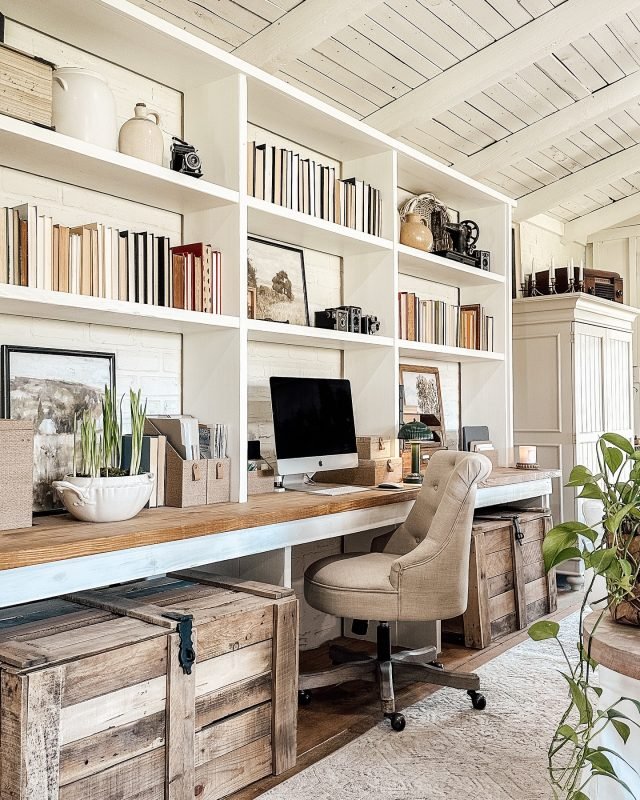
Choosing the right colors for your home office can change everything. The colors you pick don’t just fill the walls—they shape your mood, boost your focus, and fuel your creativity.
Imagine walking into a space that instantly makes you feel calm, energized, or ready to conquer your to-do list. Sounds amazing, right? You’ll discover simple and effective home office color palette ideas that help you create a workspace you actually want to spend time in.
Ready to transform your office and unlock your best work? Let’s dive in.
Choosing The Right Colors
Colors affect how we feel and work in our home office. Picking the right colors can help you stay focused and motivated. It is important to know which colors help your mind and mood.
Here are some ideas for colors that support productivity, calmness, and energy. You can mix and match these shades for the best effect.
Colors That Boost Productivity
Certain colors help increase alertness and improve work output. Blue is known to boost concentration and clear thinking. Green is restful for the eyes and helps reduce stress. Using these colors in your office can make tasks easier.
- Blue: Enhances focus and calmness
- Green: Soothes eyes and lowers stress
- Gray: Offers a neutral, balanced background
- White: Creates a clean and clear workspace
Calming Shades For Focus
Soft and muted colors help keep distractions away. They create a peaceful space that supports deep thinking. Light shades of lavender and beige can make your office feel calm and inviting.
| Color | Effect |
| Lavender | Promotes relaxation and reduces anxiety |
| Beige | Neutral tone that soothes the mind |
| Soft Gray | Calms the senses and prevents overstimulation |
Energizing Hues To Inspire
Bright and warm colors bring energy and creativity. Use them as accents to inspire new ideas. Yellow and orange are great choices to add life without overwhelming your space.
Here are some tips for using energizing colors:
- Use yellow to brighten your desk area
- Add orange accessories to spark creativity
- Choose warm reds for small accents only

Credit: styleblueprint.com
Popular Color Palettes
Choosing the right color palette can change the feel of your home office. Colors can make your space calm, inspiring, or cozy.
Here are some popular color palettes that work well for different home office styles.
Neutral Tones For A Minimalist Look
Neutral colors create a clean and simple space. They help reduce distractions and keep the office calm.
Use shades like white, beige, gray, and soft browns. These colors make your room feel open and bright.
- White walls with light gray furniture
- Beige accents with wooden details
- Soft brown rugs and neutral curtains
Bold Colors For Creative Spaces
Bright and bold colors boost energy and creativity. Use these colors if you want a lively work area.
Try colors like deep blue, vibrant red, or bright yellow. Mix them with neutral tones to balance the space.
- Blue walls with white desks
- Red chairs with black shelves
- Yellow lamps and colorful artwork
Soft Pastels For A Cozy Feel
Pastel colors make your office feel warm and inviting. They help create a gentle and relaxed mood.
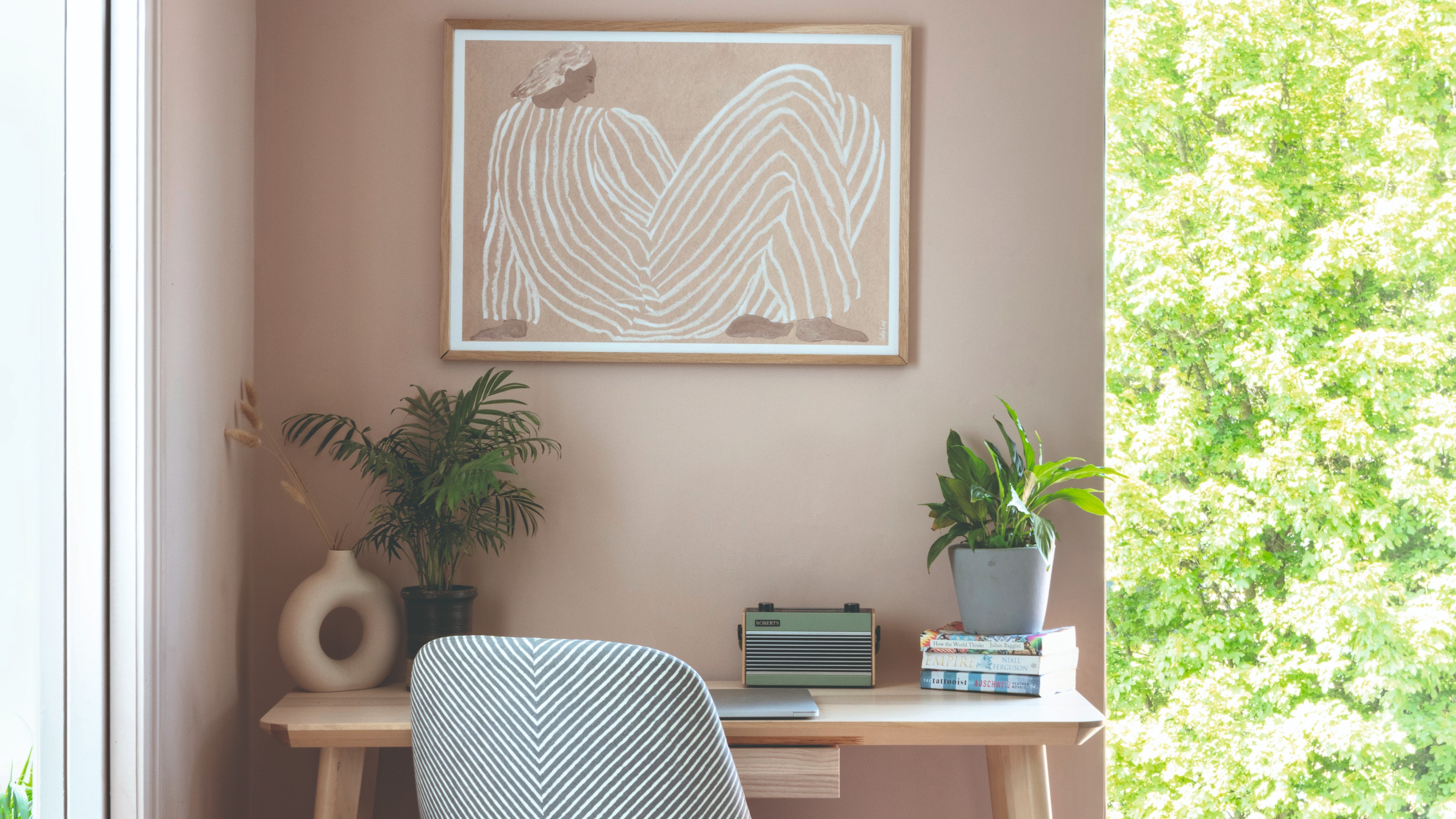
Choose soft pinks, light blues, and pale greens. These colors work well with natural light and soft fabrics.
- Light pink walls with white furniture
- Soft blue cushions and curtains
- Pale green plants and decor items
Combining Colors Effectively
Choosing the right colors for your home office helps create a space you enjoy. Good color mixes can boost focus and calm your mind.
Learn simple ways to combine colors that work well together. This makes your office look stylish and feel comfortable.
Accent Walls And Color Blocking
An accent wall uses one color to stand out from the rest. It adds interest without overwhelming the room.
Color blocking means using large blocks of different colors side by side. This can give your office a fresh, modern look.
- Pick one bold color for the accent wall
- Use lighter colors on other walls to balance
- Try two or three colors in blocks for variety
- Keep furniture neutral to avoid clashing
Balancing Warm And Cool Tones
Warm tones like red, orange, and yellow feel cozy and inviting. Cool tones like blue, green, and purple feel calm and fresh.
Mixing warm and cool tones creates a balanced space. Use warm colors to add energy and cool colors to relax.
- Pair a warm color with a cool neutral
- Use cool tones on walls and warm tones in decor
- Avoid too many strong warm or cool colors together
- Soft pastels blend warm and cool well
Using Patterns And Textures
Patterns and textures add depth and interest to your color scheme. They make the space feel more dynamic and cozy.
Mix solid colors with patterns like stripes or dots. Use textured materials like wood, fabric, or rugs to soften the look.
- Choose patterns that use your main colors
- Mix smooth and rough textures for balance
- Use textured pillows or rugs to add warmth
- Keep patterns simple to avoid clutter
Color Psychology In Workspaces
Colors in your home office can change how you feel and work. Choosing the right colors helps you stay focused and calm.
Different colors send different messages to your brain. Knowing this can help you create a better workspace.
How Colors Affect Mood
Colors can make you feel happy, calm, or energized. They affect your mood and how well you work.
For example, blue helps with focus and calmness. Red can increase energy but may cause stress if overused.
- Blue: Calm and focused
- Green: Relaxing and refreshing
- Yellow: Cheerful and creative
- Red: Energetic but can be intense
- White: Clean and simple
- Gray: Neutral and balanced
Choosing Colors For Different Work Styles
People work best with colors that fit their style. Think about how you work before picking colors.
Creative workers may like bright colors. Those who do detail work might prefer calm, soft tones.
- Creative workers: Yellow, orange, bright colors
- Focused workers: Blue, green, soft colors
- Leaders and movers: Red, bold colors
- Minimalists: White, gray, neutral shades
Practical Tips For Painting
Choosing the right colors for your home office can boost focus and comfort. Painting well helps the colors look their best.
Use smart painting tips to create a calm and productive workspace. This guide covers paint finishes, lighting, and testing colors.
Selecting Paint Finishes
Paint finish changes how your walls look and feel. It also affects cleaning and durability.
Matte finishes hide wall flaws but are less washable. Satin and eggshell are easy to clean and have a soft shine. Semi-gloss and gloss shine more and resist stains well.
- Matte: hides imperfections, low shine
- Eggshell: slight sheen, easy to clean
- Satin: smooth finish, good for busy rooms
- Semi-gloss: shiny, durable, resists moisture
- Gloss: very shiny, best for trims and doors
Lighting Considerations
Light changes how paint colors look in your home office. Natural and artificial light affect colors differently.
Bright natural light makes colors look lighter. Low light can make colors seem darker or dull. Cool light bulbs show blues and greens well. Warm light bulbs bring out reds and yellows.
- Check color in different lighting times
- Use warm bulbs for cozy feel
- Choose cool bulbs for alertness
- Adjust window coverings to control sunlight
Testing Colors Before Commitment
Try paint samples on your walls before painting the whole room. Colors look different on small patches.
Paint samples let you see colors in your light and space. Watch the samples at different times of day. This helps you avoid choosing a color you don’t like.
- Paint small patches on each wall
- Observe colors in morning and evening light
- Use large enough samples to see true color
- Wait 24 hours for paint to dry before judging
Credit: www.idealhome.co.uk
Accessorizing With Color
Colors play a significant role in creating a welcoming atmosphere in your home office. By choosing the right color palette, you can boost productivity and focus. A well-designed color scheme can also reflect your personality and style.
Furniture And Decor Choices
Start by selecting furniture pieces that complement your chosen color palette. For example, a bold red sofa can be paired with neutral-colored walls and accessories. This creates a striking contrast that adds visual interest to your space.
- Use furniture with bold, contrasting colors to create a focal point
- Balance bold pieces with neutral-colored accents
- Consider the color of flooring when selecting furniture
Incorporating Plants And Artwork
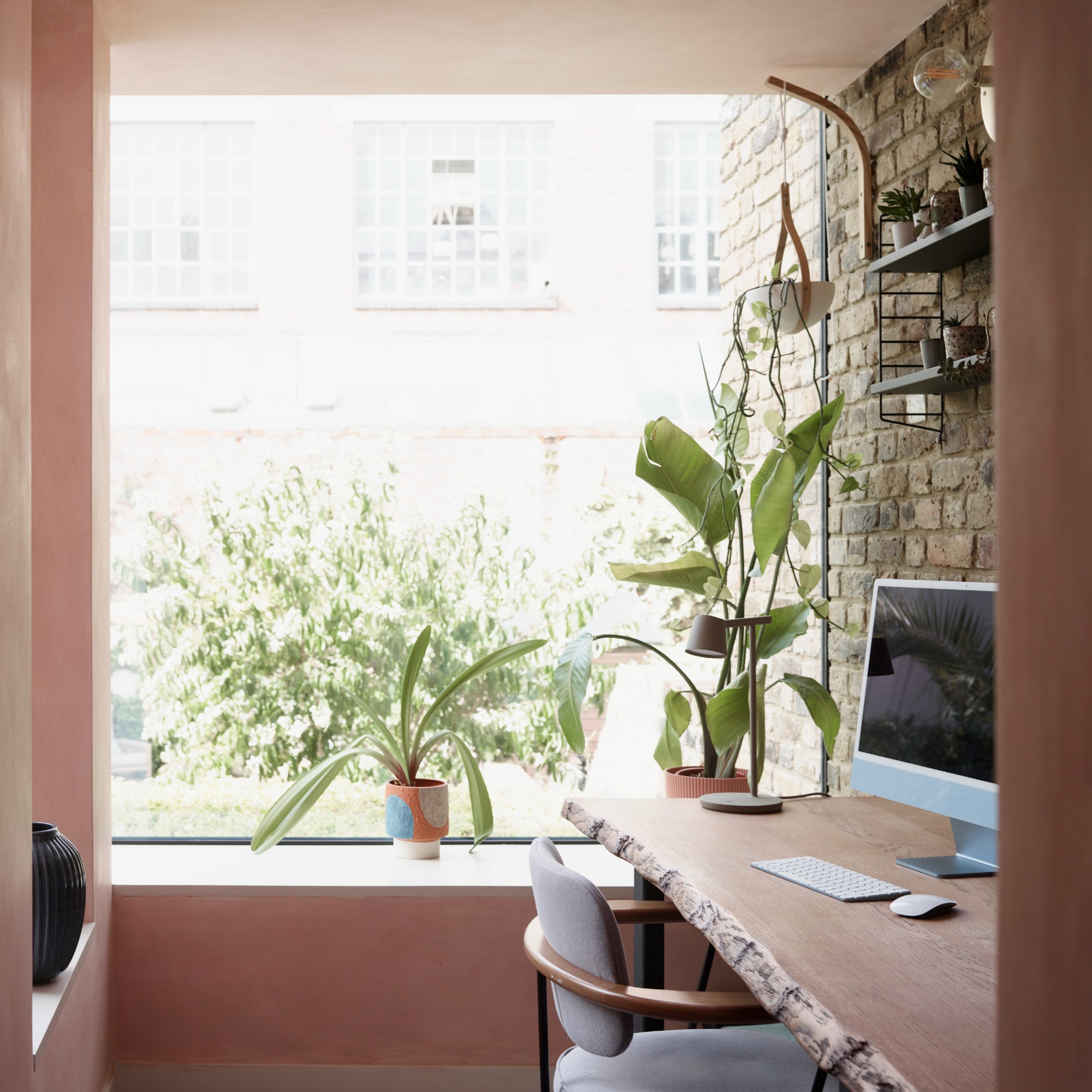
Adding plants and artwork can bring a pop of color and personality to your home office. Choose pieces that reflect your style and interests, such as a vintage map or a modern sculpture. This can also help to create a sense of calm and serenity in your workspace.
- Choose plants with vibrant, contrasting colors to add visual interest
- Hang artwork with bold, abstract patterns to create a focal point
- Use plants and artwork to add texture and depth to your space
Textiles To Complement Your Palette
Textiles such as rugs, throw pillows, and blankets can help tie together your color palette and add warmth to your space. Choose textiles with subtle patterns or bold colors to create a cohesive look. This can also help to create a sense of comfort and relaxation in your workspace.
- Use rugs with bold, contrasting colors to create a focal point
- Choose throw pillows and blankets with subtle patterns to add texture
- Consider the color of your walls when selecting textiles
Credit: www.idealhome.co.uk
Frequently Asked Questions
What Colors Boost Productivity In A Home Office?
Blue and green shades boost productivity by promoting calm and focus. These colors reduce stress and enhance creativity. Light neutrals also help maintain a clean, organized look for better concentration.
Which Color Palette Suits Small Home Offices Best?
Light and neutral colors like white, beige, and soft gray make small offices appear larger and brighter. Adding pastel accents can create a welcoming and uplifting atmosphere without overwhelming the space.
How To Choose A Color Palette For A Home Office?
Consider your work style and lighting when choosing colors. Opt for calming tones for focus or vibrant hues for energy. Balance bold colors with neutrals to avoid distraction and maintain a professional look.
Can Warm Colors Improve Home Office Ambiance?
Yes, warm colors like soft yellows and oranges create a cozy, inviting ambiance. They stimulate creativity and positivity but should be used sparingly to avoid feeling overwhelming or distracting.
Conclusion
Choosing the right colors can boost your work mood and focus. Soft blues calm the mind, while greens bring fresh energy. Warm tones like beige or light browns create comfort and calm. Bright colors add a bit of fun but use them sparingly.
Mix and match to find what feels best for you. A good color palette makes your home office a place you enjoy. Try different shades until your space feels just right. Your work will thank you for it.