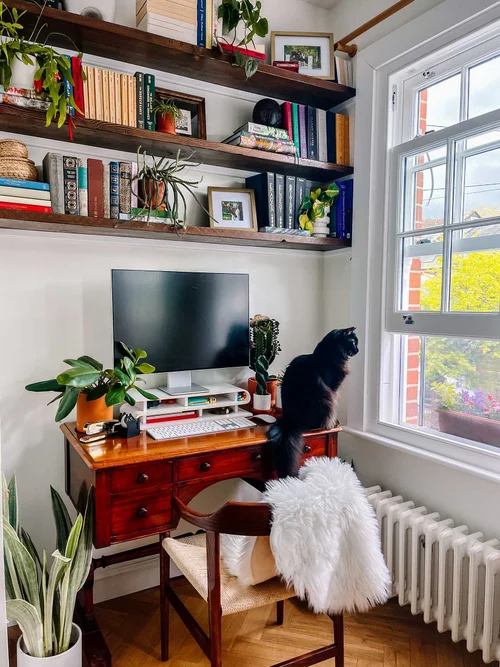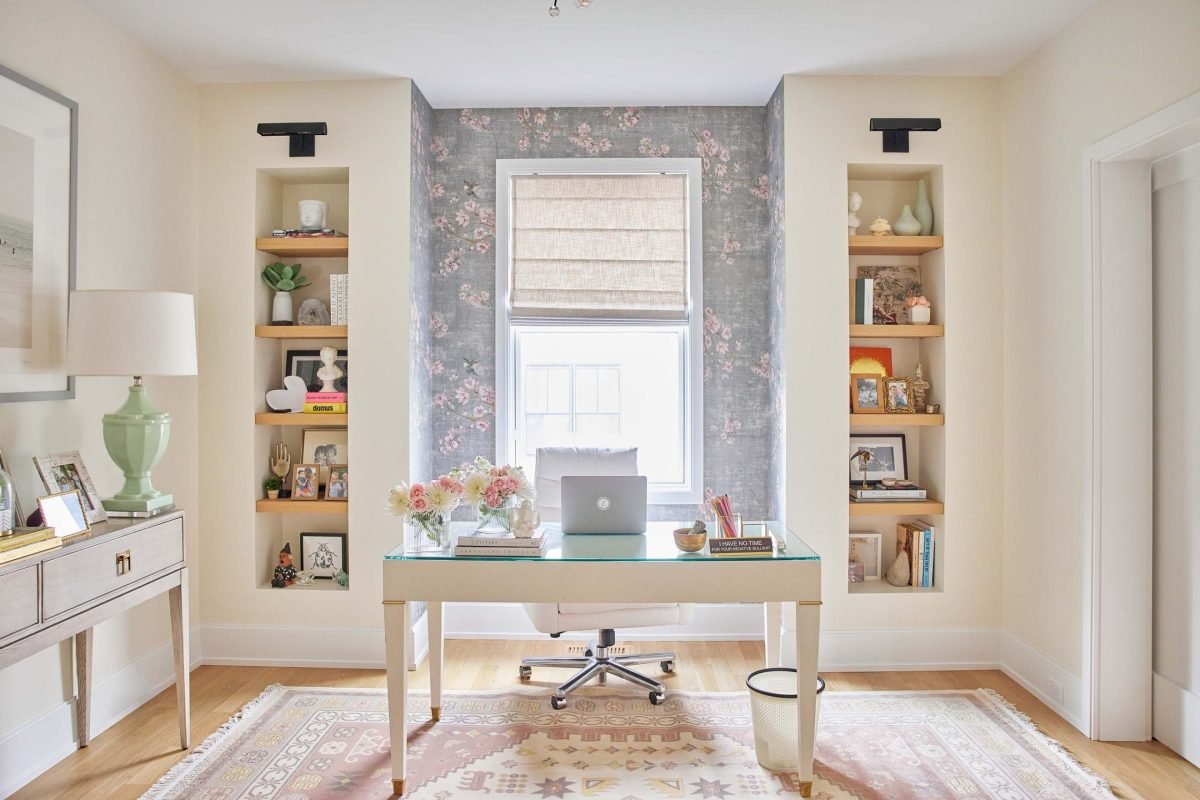
Choosing the right colors for your home office can change everything about how you work. The colors around you affect your mood, focus, and creativity more than you might realize.
Imagine walking into a space that instantly boosts your energy or helps you stay calm and focused during tough tasks. You’ll discover simple and effective home office color ideas that suit your style and work needs. By the end, you’ll know exactly how to create a workspace that feels just right for you.
Keep reading to find the perfect colors that will transform your home office into a place where productivity and comfort meet.
Choosing The Right Colors
Choosing the right colors for your home office can boost your mood and work quality. Colors influence how you feel and how well you focus.
Picking colors that fit your style and work habits helps create a space where you want to spend time.
Color Psychology For Productivity
Colors affect your brain and how you work. Some colors make you feel calm, while others make you feel active.
- Blue helps calm the mind and improves focus.
- Green reduces eye strain and creates balance.
- Yellow sparks creativity and energy.
- Red increases alertness but can cause stress if overused.
- White gives a clean and clear feeling but may feel cold.
Balancing Bold And Neutral Shades
Use bold colors for energy and neutral shades to keep calm. Balance stops the room from feeling too bright or dull.
| Color Type | Effect | Use In Office |
| Bold (Red, Yellow, Orange) | Boosts energy and creativity | Accent walls, chairs, or accessories |
| Neutral (White, Gray, Beige) | Creates calm and focus | Main wall colors and desks |
| Soft Pastels (Light Blue, Soft Green) | Soothes and refreshes | Backgrounds and curtains |
Matching Colors With Furniture
Furniture color affects the whole room look. Match or contrast furniture with wall colors for a nice effect.
Here are tips for matching colors with furniture:
- Light wood furniture pairs well with soft greens and blues.
- Dark wood works best with warm tones like beige or light yellow.
- White furniture fits any color but looks sharp with bold walls.
- Metal furniture suits cool colors like gray or blue.
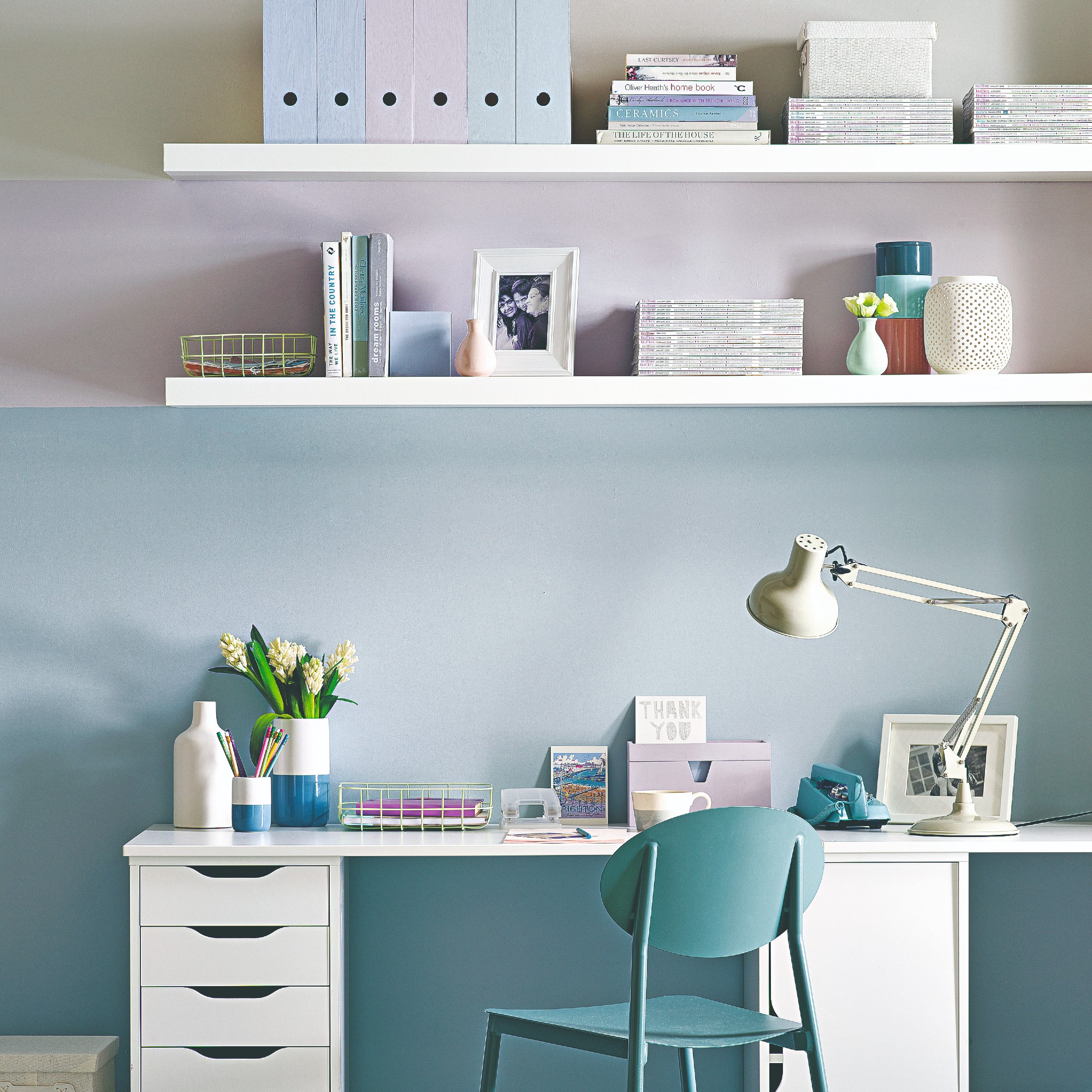
Credit: www.idealhome.co.uk
Vibrant Color Schemes
Choosing the right colors for your home office can boost your mood and productivity. Vibrant colors bring energy and creativity to your workspace.
Bright shades can make your home office feel lively and inspiring. These colors help you stay focused and motivated during work hours.
Energizing Reds And Oranges
Red and orange colors add warmth and excitement to your office. They can increase your energy and help you feel more alert.
Use red or orange on one wall or in accessories like chairs and lamps. These colors are great for tasks that need high focus.
- Red inspires passion and action
- Orange encourages creativity and enthusiasm
- Combine with neutral tones to balance intensity
Calming Blues And Greens
Blue and green colors create a peaceful and relaxing office space. They help reduce stress and improve concentration.
Soft blues and greens work well on walls or office furniture. These colors support long hours of focused work without feeling tired.
- Blue promotes calmness and trust
- Green connects you with nature and balance
- Use lighter shades for a soothing effect
Creative Purples And Yellows
Purple and yellow colors inspire creativity and happiness. They bring fun and energy to your home office environment.
Use purple or yellow accents in art, cushions, or desk accessories. These colors help you think outside the box and stay positive.
- Purple sparks imagination and wisdom
- Yellow boosts optimism and energy
- Pair with neutral colors to avoid overwhelming
Accent Walls And Patterns
Choosing the right colors and patterns can make your home office more inviting. Accent walls and patterns add personality and depth to your workspace.
These design ideas help create a comfortable and creative environment. Let’s explore ways to use accent walls and patterns effectively.
Using Accent Walls To Add Depth
An accent wall stands out from the other walls. It draws attention and adds depth to the room. Dark or bold colors work well for accent walls.
Try these tips for your accent wall:
- Pick one wall to highlight, usually the one behind your desk.
- Use a color that contrasts with the other walls.
- Consider textured paint or wallpaper for extra effect.
- Keep the rest of the room simple to balance the bold wall.
Incorporating Stripes And Geometrics
Stripes and geometric patterns add energy and style. Vertical stripes can make a room look taller. Horizontal stripes make it feel wider.
| Pattern Type | Effect | Best Use |
| Vertical Stripes | Heightens room | Small rooms |
| Horizontal Stripes | Widens room | Narrow rooms |
| Triangles & Diamonds | Adds energy | Accent wall or small area |
| Hexagons & Circles | Softens look | Background walls |
Mixing Textures For Interest
Textures add a new layer of interest to your walls. Mixing smooth and rough surfaces creates a balanced look. You can use paint, fabric, or wall panels.
Try these texture ideas in your home office:
- Use fabric wall hangings or curtains for softness.
- Add wooden panels or shelves for natural texture.
- Choose matte paint with a rough finish on one wall.
- Mix glossy and matte finishes for contrast.
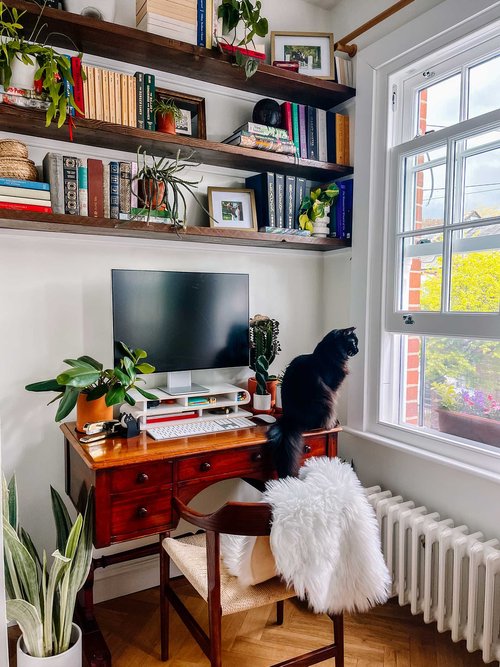
Credit: thegreenmadhouse.com
Lighting And Color Interaction
Colors in your home office look different under various lights. Lighting affects how you see color shades and tones. Choosing the right light helps create a calm and productive space.
Understanding how light changes colors can guide your decoration choices. Both natural and artificial light play a role in color appearance. Avoiding color clashes makes your office pleasant to work in.
Natural Light Effects On Colors
Natural light changes during the day and affects color perception. Morning light is cool and blue, making colors appear crisp. Afternoon light is warm, giving colors a soft glow. North-facing rooms get less direct sunlight, so colors seem muted. South-facing rooms have bright light that can wash out pale colors.
- Bright sunlight shows true colors clearly
- Cloudy days soften colors and reduce brightness
- Shadows can change how colors look on walls
- Time of day shifts color warmth and tone
Choosing Artificial Lighting
Artificial light comes in many types, each changing colors differently. Warm lights add yellow tones, while cool lights add blue tones. LED lights are popular and come in many color temperatures. Matching light to wall colors helps avoid dullness or harshness.
| Light Type | Color Temperature | Effect on Colors |
| Incandescent | 2700K (Warm) | Makes colors warm and cozy |
| Fluorescent | 3500K-4100K (Cool) | Can make colors look harsh or greenish |
| LED | 2700K-6500K (Varies) | Flexible; matches many color schemes |
Avoiding Color Clashes
Color clashes happen when colors fight for attention and cause discomfort. Use a color wheel to find matching or complementary colors. Stick to a limited palette for calmness. Test paint samples under your office light before deciding. Soft, neutral colors reduce the chance of clashing.
Tips to Avoid Color Clashes
- Choose colors with similar brightness levels
- Pair warm colors with warm lighting
- Use one bright color and balance it with neutrals
- Check colors in both daylight and artificial light
- Keep patterns simple and colors few
Personalizing Your Space
Choosing the right colors for your home office can make it feel like your own. Personal touches help create a space where you want to work every day.
Using color ideas that match your style will make the room more inviting and boost your mood. Small details make a big difference.
Adding Artwork And Decor
Artwork adds character and color to your office walls. Pick pieces that speak to you and fit your color scheme.
- Choose prints or paintings with your favorite colors
- Use frames that match or contrast with your wall paint
- Display items that inspire creativity
- Swap art regularly to keep the space fresh
Using Plants To Complement Colors
Plants bring life and color to your office. They soften the space and connect you with nature.
| Plant | Color | Care Level |
| Snake Plant | Green with yellow edges | Low |
| Spider Plant | Green and white | Medium |
| Peace Lily | Green leaves with white flowers | Medium |
| Succulents | Various greens | Low |
Incorporating Colorful Accessories
Accessories add pops of color and personality. Use items that make you happy and keep you organized.
Colorful Accessories Ideas:
- Bright desk lamps
- Vibrant mouse pads
- Colorful storage boxes
- Patterned cushions for your chair
- Decorative pen holders
Maintaining A Balanced Atmosphere
Creating a home office with the right colors helps keep you focused and calm. The right colors can make your workspace productive and pleasant.
Consider using colors that balance energy and relaxation. This will enhance your work environment.
Preventing Overwhelm With Color
Too much color can distract you. Stick to a simple palette to avoid feeling overwhelmed.
Use neutral tones for walls and add pops of color with accessories like rugs and art. This keeps the space calm yet lively.
- Neutral walls for a soothing base
- Colorful cushions for a splash of interest
- Art pieces for personality
Creating Zones With Different Hues
Different colors can define separate areas in your office. Create zones for work, relaxation, and inspiration.
Use a different color for each zone to help you shift focus. This makes the space more functional.
- Blue for concentration in the work zone
- Green for a relaxing reading corner
- Yellow for a creative inspiration board
Adjusting Colors Seasonally
Change your office colors with the seasons to keep it fresh. This can enhance your mood and boost motivation.
Switch out items like curtains, cushions, and decor to reflect the season. This small change can make your office feel new and exciting.
- Warm colors for winter coziness
- Bright colors for spring energy
- Cool colors for summer freshness
- Earth tones for autumn warmth
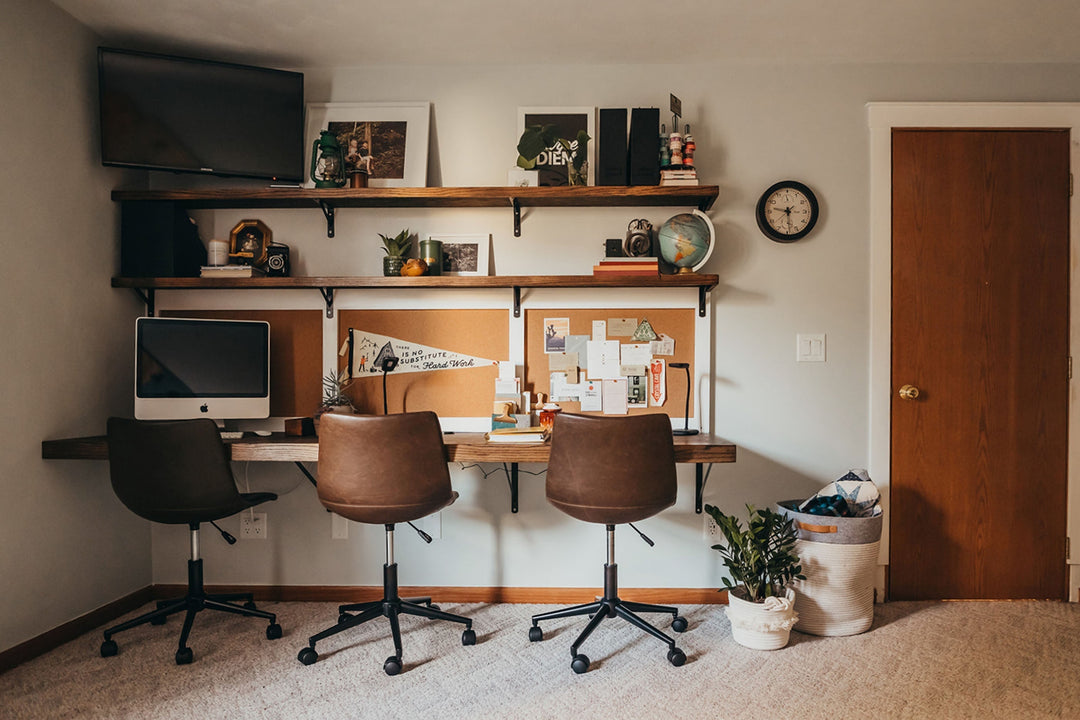
Credit: www.clare.com
Frequently Asked Questions
What Colors Boost Productivity In A Home Office?
Blue and green tones enhance focus and calm. They reduce stress and improve concentration, making them ideal for workspaces. Avoid overly bright colors that may cause distraction. Neutral shades like beige also create a balanced environment.
How Do Warm Colors Affect Home Office Mood?
Warm colors like orange and yellow stimulate creativity and energy. They can uplift mood and motivate action. Use them as accents rather than dominant colors to avoid overwhelming the space. Warm tones work well in creative work areas.
Which Colors Make A Small Home Office Appear Larger?
Light colors such as white, pale gray, and soft pastels open up small spaces visually. They reflect more light, making rooms feel airy and spacious. Avoid dark or intense colors in compact offices to prevent a cramped feeling.
Can Color Choices Impact Home Office Lighting?
Yes, light colors reflect natural and artificial light, brightening the room. Dark colors absorb light, creating a cozy but dim atmosphere. Choose colors that complement your office lighting to enhance comfort and reduce eye strain.
Conclusion
Choosing the right colors can boost your work mood and focus. Soft blues calm the mind, while greens bring balance and peace. Bright colors like yellow add energy and creativity. Avoid dark shades that may feel heavy or dull. Personalize your space with colors that make you feel good.
Small changes can create a big difference in your home office. Keep it simple and choose colors that inspire you every day. Your workspace should help you work better and feel happier.