Your home office is more than just a workspace—it’s where your ideas come to life and your productivity soars. Choosing the right flooring can change everything, from how comfortable you feel to how focused you stay throughout the day.
Are you ready to discover flooring options that boost your mood, reduce stress, and make your office a place you actually want to be? Keep reading, because the perfect floor for your home office is just a few ideas away.
Popular Flooring Materials
Choosing the right flooring for a home office affects comfort and style. Some materials suit quiet spaces, while others offer durability.
This guide covers popular flooring types to help you decide what fits your needs and budget.
Hardwood Options
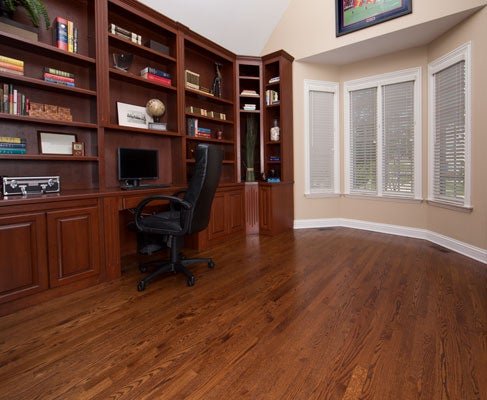
Hardwood floors bring warmth and a classic look to your office. They last many years with proper care. Common choices include oak, maple, and cherry.
Laminate Benefits
Laminate flooring looks like wood but costs less. It resists scratches and stains well. Installation is simple, making it popular for home offices.
- Affordable compared to real wood
- Easy to clean and maintain
- Available in many styles and colors
- Durable surface for heavy use
Vinyl Varieties
Vinyl flooring offers water resistance and soft underfoot feel. It suits offices where spills may happen. Luxury vinyl tiles mimic wood and stone well.
| Type | Features | Best For |
| Sheet Vinyl | Seamless surface | Easy cleaning |
| Luxury Vinyl Planks | Realistic wood look | Stylish spaces |
| Vinyl Tiles | Varied designs | Custom layouts |
Carpet Choices
Carpet adds warmth and reduces noise. It comes in many colors and textures. Choose low-pile carpet for easier cleaning in work areas.
Eco-friendly Floors
Eco-friendly floors use sustainable materials. Bamboo and cork are popular green choices. They grow fast and renew quickly.
- Bamboo is hard and stylish
- Cork offers soft, quiet comfort
- Both resist moisture well
Stylish Flooring Trends
Choosing the right flooring can change your home office feel. Flooring sets the tone for your workspace.
Stylish flooring trends help create a space that is both comfortable and inspiring.
Bold Patterns
Bold patterns add energy to your home office floor. They bring life to a simple room.
Geometric shapes and colorful designs make your floor a statement piece.
- Chevron or herringbone wood patterns
- Bright colored tiles in shapes
- Large-scale floral or abstract prints
Neutral Tones
Neutral tones create a calm and clean look. They help reduce distractions while working.
Soft grays, beige, and warm browns match many styles and furniture colors.
- Light wood finishes
- Stone or concrete-look tiles
- Matte vinyl in soft shades
Textured Surfaces
Textured floors add depth and interest to your office space. They make the room feel cozy.
Choose surfaces like natural wood grain or rough stone for a tactile feel.
- Hand-scraped wood planks
- Textured carpet tiles
- Stone or brick with raised patterns
Mixed Materials
Mixing materials creates a unique and stylish look. It lets you combine comfort and durability.
Try mixing wood with tile or carpet with vinyl for different zones in your office.
- Wood and tile borders
- Carpet rugs on wood floors
- Vinyl planks with stone accents
Practical Flooring Features
Choosing the right flooring for your home office is important. The floor must be strong, easy to clean, and comfortable.
Good flooring helps create a productive and pleasant work space. Consider these key features for your floor.
Durability Factors
Durability means the floor can handle daily use without damage. It should resist scratches, dents, and stains.
- Choose materials like hardwood, vinyl, or laminate.
- Look for floors with a strong finish or coating.
- Check the wear rating for commercial-grade options.
Ease Of Maintenance
Floors that are easy to clean save time and effort. Avoid floors that need special products or frequent repairs.
| Floor Type | Cleaning Method | Maintenance Frequency |
| Vinyl | Damp mop | Weekly |
| Hardwood | Dry mop, polish | Monthly |
| Carpet | Vacuum, spot clean | Weekly |
| Laminate | Damp mop | Weekly |
Comfort And Support
Comfort helps reduce fatigue during long work hours. Supportive floors protect your feet and back.
- Consider adding cushioned mats under your desk.
- Soft flooring like cork or carpet offers more comfort.
- Hard floors may need area rugs for extra support.
Noise Reduction
Good flooring reduces noise from footsteps and chair movement. This helps keep the office quiet.
Materials like carpet and cork absorb sound better than hard surfaces. Adding rugs also helps.
Credit: www.amlegendhomes.com
Flooring For Different Work Styles
Choosing the right flooring helps create a workspace that fits your work style. The floor affects comfort, focus, and room design. Consider your daily tasks and preferences when picking flooring for your home office.
Different work styles need different flooring types. Some floors inspire creativity, while others support tech use or keep the room simple and calm.
Creative Spaces
Creative workers need floors that inspire and feel lively. Warm wood or colorful rugs add energy to the room. Soft textures can also help with long hours of standing or moving around.
- Wood flooring for warmth and style
- Patterned rugs to add color and interest
- Cork floors for comfort and noise reduction
- Vinyl with bold prints for easy cleaning
Tech-focused Areas
Tech work needs floors that support equipment and cables. Durable floors that resist scratches and easy cleaning are best. Consider floors that help with static electricity control.
| Floor Type | Benefit | Note |
| Laminate | Scratch resistant | Good for heavy equipment |
| Vinyl | Easy to clean | Resists stains and spills |
| Carpet Tiles | Noise absorption | Replace damaged tiles easily |
| Rubber | Anti-static | Good for sensitive electronics |
Minimalist Designs
Minimalist workspaces benefit from simple and clean floors. Neutral colors and smooth surfaces keep the room calm. Floors that do not distract help keep focus on the work.
Minimalist Flooring Tips
- Choose light-colored hardwood or laminate
- Use plain, low-pile carpets for comfort
- Avoid busy patterns and bright colors
- Keep floors clutter-free and easy to clean
Installation And Budget Tips
Choosing the right flooring for your home office is important. It affects comfort and style. Planning installation and budget can save time and money.
This guide covers options for DIY or professional installation. It also shares cost-saving ideas and long-term benefits of good flooring.
Diy Vs Professional
Installing flooring yourself can lower costs but needs skill. Professionals work faster and provide quality results. Choose based on your comfort and budget.
- DIY requires tools and time
- Professionals offer warranties
- DIY suits simple flooring types
- Professionals handle complex layouts
- DIY saves money upfront
- Professionals reduce mistakes
Cost-saving Ideas
Finding affordable flooring options helps keep your budget in check. Look for sales, clearance, or secondhand materials. Installation timing can also affect price.
| Tip | Description |
| Choose vinyl or laminate | Less expensive than hardwood or tile |
| Buy in bulk | Reduces cost per square foot |
| Install during off-season | Lower labor rates and discounts |
| Reuse existing flooring | Save on materials and disposal fees |
| Rent tools | Cheaper than buying for one job |
Long-term Investment
Good flooring lasts longer and improves your home’s value. It pays off over time with less maintenance and better durability.
Consider these benefits:
- Increases property appeal
- Reduces repair costs
- Enhances comfort and productivity
- Supports healthier indoor air quality

Credit: www.roccia.com
Flooring Care And Upkeep
Home office flooring needs proper care. Regular upkeep keeps it looking new. Different floor types need different care.
Knowing how to clean and protect your floors is important. This helps maintain their appearance and durability.
Cleaning Techniques
Cleaning floors regularly is essential. Use the right tools and products for the best results.
- Use a soft broom or vacuum for dust.
- Mop with a damp cloth, not too wet.
- Choose cleaning solutions that match your floor type.
Preventing Damage
Preventing floor damage saves money and time. Simple habits can protect your home office flooring.
- Place mats at entrances to trap dirt.
- Use furniture pads to avoid scratches.
- Keep floors dry to prevent water damage.
Seasonal Maintenance
Seasonal changes affect flooring. Adjust maintenance routines based on the time of year.
- In winter, reduce humidity to prevent warping.
- In summer, use blinds to reduce sun damage.
- Regularly check for any seasonal wear and tear.

Credit: www.reddit.com
Frequently Asked Questions
What Are The Best Flooring Types For Home Offices?
The best flooring types include hardwood, laminate, carpet, and vinyl. They offer durability, comfort, and style. Choose based on your budget and room use. Hardwood adds elegance, carpet improves acoustics, and vinyl provides easy maintenance.
How Does Flooring Affect Home Office Productivity?
Flooring impacts comfort and noise levels, affecting focus and productivity. Soft flooring like carpet reduces noise and adds warmth. Hard floors are easier to clean but may cause echo. Choose flooring that supports comfort and reduces distractions.
Is Carpet Suitable For A Home Office Floor?
Yes, carpet is suitable as it reduces noise and adds comfort. It helps with insulation and creates a cozy workspace. However, it requires regular cleaning to avoid dust buildup and allergens.
What Flooring Options Are Best For Budget-friendly Home Offices?
Laminate and vinyl flooring are budget-friendly choices. They mimic expensive materials while being durable and easy to install. Both options resist stains and scratches, making them ideal for busy home offices.
Conclusion
Choosing the right flooring can boost your work comfort and style. Hardwoods bring warmth and a classic look. Laminate offers durability and easy care. Carpets add softness and reduce noise. Vinyl and tiles provide easy cleaning and variety. Think about your work habits and room use.
A good floor makes your home office inviting and practical. Small changes can create a big difference in your space. Take time to pick what fits your needs best. Your perfect home office starts from the ground up.