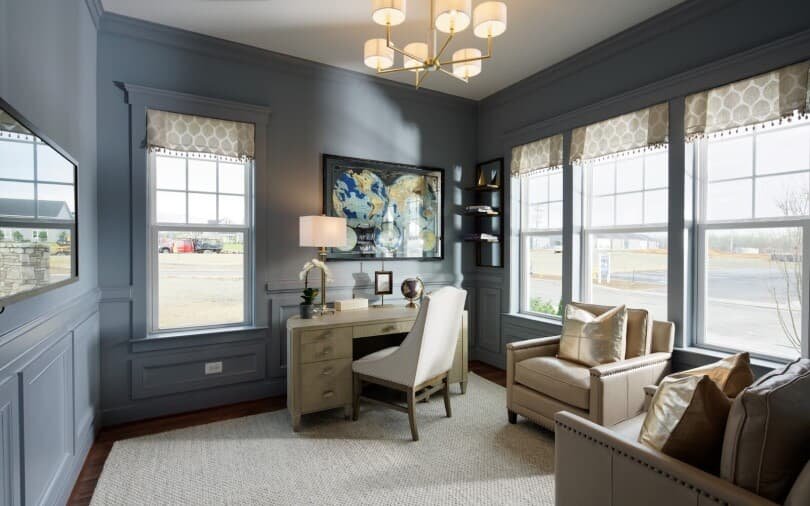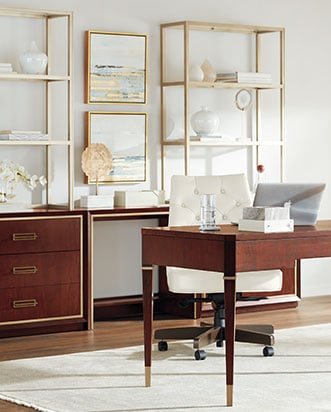
Your home office is more than just a place to work—it’s where your ideas come to life and your productivity soars. The right home office furniture can transform your space from cluttered and uncomfortable to inspiring and efficient.
Imagine sitting in a chair that supports your back perfectly or having a desk that keeps everything you need within reach. You’ll discover how to choose furniture that not only fits your style but also boosts your focus and comfort.
Ready to create a workspace that works for you? Let’s dive in.
Choosing The Right Desk
Picking the right desk for your home office is important. It helps you work comfortably and stay organized.
Your desk should fit your space and suit your work style. There are many options to consider before buying.
Size And Shape Options
Desks come in many sizes and shapes. Choose one that fits your room and work needs.
- Rectangular desks are classic and fit most spaces.
- L-shaped desks offer more surface area for multiple tasks.
- Compact desks save space in small rooms.
- Adjustable height desks allow sitting or standing work.
Material And Finish Choices
Materials affect the desk’s look, durability, and feel. Choose one that matches your style and budget.
| Material | Advantages | Considerations |
| Wood | Durable and classic | Can be heavy and costly |
| Metal | Modern and strong | May feel cold or industrial |
| Glass | Stylish and light | Needs frequent cleaning |
| Laminate | Affordable and easy to clean | Less durable over time |
Ergonomic Considerations
An ergonomic desk helps you avoid pain and fatigue. It supports good posture and comfort.
- Look for desks with adjustable height options.
- Choose a desk with enough legroom for movement.
- Consider a curved front for wrist comfort.
- Make sure the desk height matches your chair and monitor level.
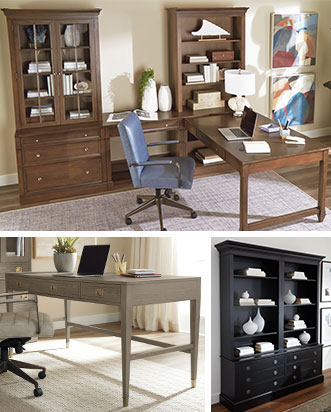
Credit: www.ethanallen.ca
Selecting Comfortable Seating
Choosing the right seating is key for a productive home office. Comfort helps you focus and work longer without pain.
Good seating supports your body and fits your workspace. Let’s explore options that keep you comfortable all day.
Ergonomic Chairs For Support
Ergonomic chairs reduce strain on your back and neck. They help keep your spine aligned and improve posture.
- Look for chairs with lumbar support to protect your lower back.
- Choose seats with padded cushions for extra comfort.
- Find chairs that encourage a natural sitting position.
- Make sure the chair has a stable base and smooth wheels.
Alternative Seating Ideas
Not all seating must be a traditional office chair. Alternative options can boost comfort and creativity.
| Seating Type | Benefits |
| Balance Ball Chair | Improves core strength and posture |
| Kneeling Chair | Reduces lower back pressure |
| Saddle Stool | Encourages upright sitting |
| Standing Desk Stool | Supports short rests while standing |
Adjustability Features
Adjustable chairs let you customize comfort to your body and desk setup. This helps prevent stiffness and fatigue.
- Seat height adjustment to keep feet flat on the floor.
- Armrest height and width for relaxed shoulders.
- Backrest tilt to support different sitting angles.
- Swivel base for easy movement without strain.
Storage Solutions
Organizing your home office helps improve focus and productivity. Good storage solutions keep your space neat and efficient.
Choosing the right furniture for storage can save time and reduce clutter. It also makes your workspace more comfortable.
Shelves And Cabinets
Shelves and cabinets offer ample space to store books, files, and supplies. They keep items off your desk and easy to find.
Wall-mounted shelves save floor space and add style to your office. Cabinets with doors hide clutter for a cleaner look.
- Open shelves for quick access
- Closed cabinets for privacy and dust protection
- Adjustable shelves to fit different items
- Combination of shelves and cabinets for versatile storage
Desk Organizers
Desk organizers keep small items like pens, papers, and gadgets tidy. They make your desk look cleaner and help you find things fast.
You can choose from trays, drawer dividers, and pen holders. Some organizers also have charging stations for devices.
- Pen cups to hold writing tools
- Paper trays to sort documents
- Drawer organizers for small items
- Charging docks to power devices
Multi-functional Furniture
Multi-functional furniture saves space by combining storage with other uses. For example, desks with built-in shelves or storage benches.
These pieces help keep your office neat without adding extra furniture. They work well in small rooms or shared spaces.
- Desks with drawers or shelves
- Storage ottomans or benches
- Filing cabinets that double as side tables
- Fold-out desks with hidden storage

Credit: www.crateandbarrel.ca
Lighting For Productivity
Good lighting helps you work better in your home office. It reduces eye strain and keeps you alert.
Choosing the right light can improve focus and comfort during long work hours.
Natural Vs Artificial Light
Natural light comes from the sun and feels fresh. It can boost mood and energy.
Artificial light is made by lamps and bulbs. It works well when natural light is low or missing.
- Natural light saves energy and costs less
- Artificial light can be controlled anytime
- Mixing both types keeps your space bright all day
Task Lighting Options
Task lighting shines directly on your work area. It helps you see details clearly.
Good task lights reduce shadows and glare on screens and papers.
- Desk lamps with adjustable arms
- Clip-on lights for extra focus
- LED lights with warm or cool settings
Ambient Lighting Ideas
Ambient lighting brightens the whole room softly. It creates a calm and inviting space.
Use ambient light to avoid harsh contrasts and eye strain.
- Ceiling lights with dimmers
- Wall sconces for gentle glow
- Floor lamps to fill dark corners
Decor And Personal Touches
Making your home office feel personal helps you enjoy your work. Adding decor that reflects your style can boost creativity.
Simple touches like color, artwork, and plants make your workspace inviting and comfortable.
Color Schemes To Inspire
Choose colors that make you feel calm and focused. Soft blues and greens create a peaceful vibe. Warm tones like yellow and orange add energy.
- Blue: Calming and clear thinking
- Green: Refreshing and natural
- Yellow: Bright and cheerful
- Gray: Neutral and modern
- White: Clean and simple
Artwork And Accessories
Artwork adds personality and inspiration. Choose pieces that make you happy or motivated. Small accessories bring warmth and style.
| Type | Example | Effect |
| Prints | Quotes or landscapes | Inspiration and calm |
| Frames | Photos of family or pets | Comfort and joy |
| Desk Items | Colorful pen holders | Organized and bright |
| Rugs | Soft textures | Warmth and coziness |
Plants And Greenery
Adding plants makes your office fresh. They improve air and mood. Choose easy-care plants for low maintenance.
- Succulents: Small and hardy
- Spider plants: Clean air well
- Snake plants: Survive low light
- Pothos: Fast-growing and green
- Herbs: Useful and fragrant
Maximizing Small Spaces
Creating a functional home office in a small space can be tricky. With clever furniture choices and smart layouts, you can work efficiently.
Use these tips to make the most of your limited area. Focus on selecting pieces that fit the room without cluttering it.
Compact Furniture Choices
Choose furniture that serves multiple purposes. A desk with built-in shelves saves space. Consider foldable tables or wall-mounted desks to free up floor area.
Look for chairs that can slide under the desk. This keeps the area neat and allows for more room to move.
- Desks with storage
- Foldable tables
- Wall-mounted options
- Compact chairs
Creative Layouts
Arrange your furniture to maximize the available space. Place the desk near a window for natural light. Use corners to position shelves or cabinets.
Avoid blocking pathways. Keep the center of the room open. This makes the space feel larger and more inviting.
| Element | Placement |
| Desk | Near window |
| Shelves | In corners |
| Cabinets | Against walls |
Decluttering Tips
A tidy space boosts productivity. Keep only essential items on your desk. Use organizers to store pens, papers, and other supplies.
Regularly sort through your belongings. Donate or discard items you no longer need. This keeps your office space clear and efficient.
- Use desk organizers
- Store supplies neatly
- Regularly declutter
- Donate unnecessary items
Tech Integration
Tech integration in home office furniture is essential. It makes working from home efficient and comfortable. Modern furniture designs focus on blending technology seamlessly.
Let’s explore how tech integration is transforming home office setups. The focus areas include cable management, smart furniture features, and gadget placement.
Cable Management
Cable management is vital for a tidy workspace. It helps prevent clutter and reduces stress.
Many desks come with built-in features. These include cable trays, holes, and clips to organize wires.
- Use cable clips to secure wires.
- Utilize cable sleeves for bundling.
- Choose desks with built-in cable trays.
Smart Furniture Features
Smart furniture enhances productivity. It integrates technology into the furniture itself.
Examples include desks with charging ports and adjustable heights. These features make working more convenient.
- Desks with USB charging ports.
- Height-adjustable tables for comfort.
- Built-in LED lighting for better visibility.
Gadget Placement
Proper gadget placement is key for an efficient workspace. It ensures easy access and maximizes desk space.
Position monitors at eye level. Keep essential gadgets within arm’s reach for ease of use.
- Use monitor stands for better posture.
- Place keyboards and mice within easy reach.
- Arrange printers and scanners nearby.

Credit: www.bushhome.com
Budget-friendly Options
Setting up a home office does not have to be expensive. There are many ways to find furniture that fits your budget.
Choosing the right materials and ideas can save money while keeping your workspace functional and comfortable.
Affordable Materials
Look for materials that cost less but last long. Particleboard, plywood, and MDF are good choices.
These materials can be painted or covered to look stylish without spending too much.
- Particleboard: Cheap and easy to work with
- Plywood: Strong and affordable
- MDF: Smooth surface, good for painting
- Metal pipes: Use for table legs or shelves
Diy Furniture Ideas
Making your own furniture can save money and give a personal touch to your office.
You can build desks, shelves, or storage with simple tools and easy steps.
- Use wooden crates as shelves or drawers
- Build a desk from a door and two sets of legs
- Create shelves with planks and brackets
- Repurpose old furniture with paint and new handles
Second-hand Finds
Buying used furniture can be cheaper and eco-friendly. Check thrift stores and online sales.
You can find desks, chairs, and shelves in good condition for a low price.
- Look for solid wood pieces that can be refinished
- Check for sturdy chairs with comfortable seats
- Find desks with enough surface space for your work
- Inspect furniture for damage before buying
Frequently Asked Questions
What Are The Essential Types Of Home Office Furniture?
Essential home office furniture includes a desk, ergonomic chair, storage units, and good lighting. These items boost productivity and comfort.
How To Choose Ergonomic Furniture For Home Office?
Select furniture that supports posture, reduces strain, and adjusts to your body. Ergonomic design prevents discomfort during long work hours.
What Materials Are Best For Durable Home Office Furniture?
Wood, metal, and high-quality composites are durable. They offer stability, longevity, and a professional look for any home office setup.
How To Optimize Small Spaces With Home Office Furniture?
Use compact desks, vertical storage, and multi-functional pieces. This approach maximizes space without compromising comfort or organization.
Conclusion
Choosing the right home office furniture shapes your workday. Comfort and style help you focus better. A good chair supports your back all day. A desk with enough space keeps things neat. Organizing tools reduce clutter and stress. Simple choices can improve your work mood.
Your home office should fit your needs well. Small changes make a big difference in productivity. Creating a pleasant workspace makes work feel easier. Take time to pick furniture that suits you best.