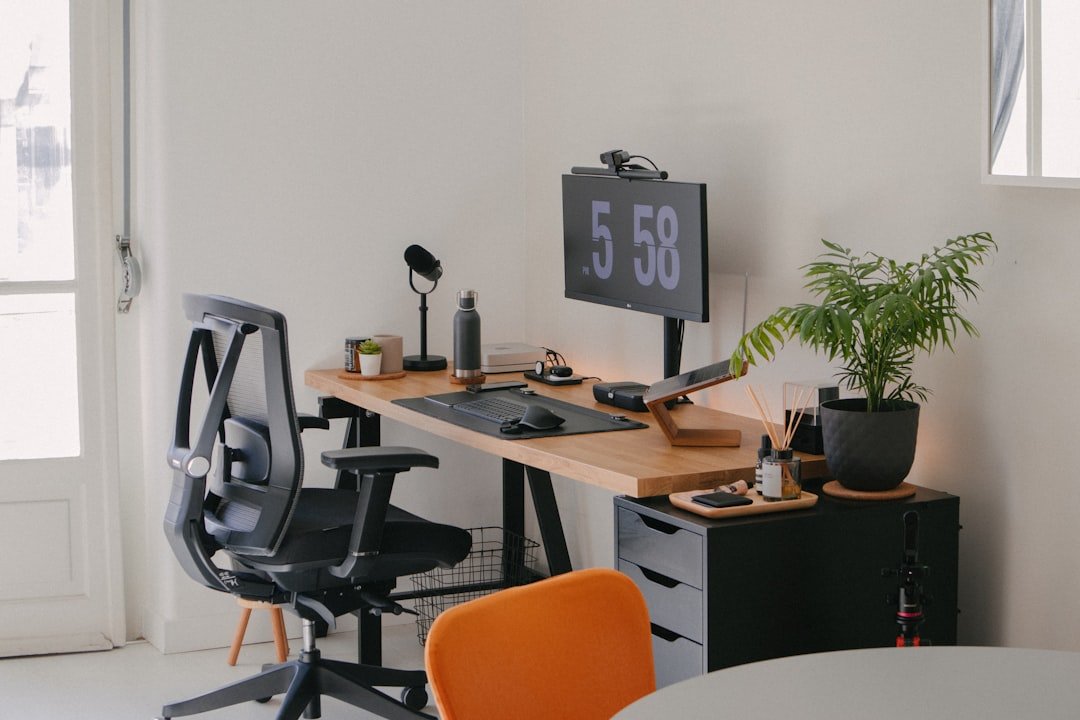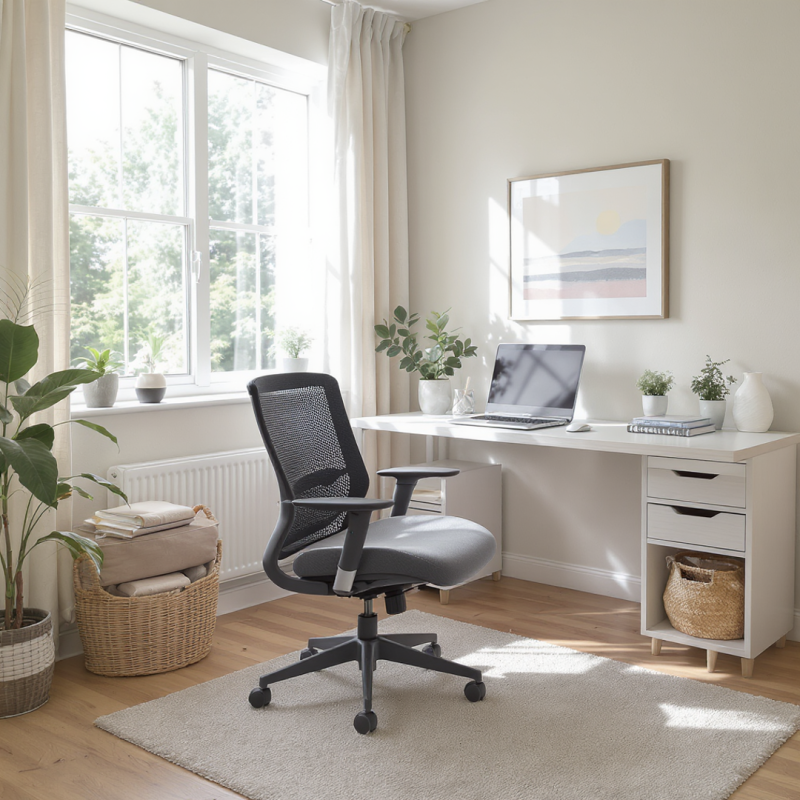
Your home office setup can make or break your productivity and comfort. Imagine walking into a space where every piece of furniture fits perfectly, helping you focus and feel relaxed all day long.
The way you arrange your desk, chair, and storage isn’t just about looks—it affects how you work and how you feel. If you want to boost your efficiency, reduce stress, and create a workspace you actually enjoy, this guide on home office furniture arrangement is exactly what you need.
Keep reading, and discover simple changes that can transform your work-from-home experience.

Credit: www.architecturaldigest.com
Choosing The Right Furniture
Setting up a home office needs the right furniture. Good furniture helps you work better and stay focused.
Pick pieces that fit your space and work style. Comfort and function are key to a good setup.
Selecting Functional Desks
A desk is the center of your home office. Choose one that fits your tasks and space well.
Look for desks with enough surface area and space for your computer and papers.
- Consider adjustable height desks for sitting or standing
- Choose desks with built-in cable management
- Pick a size that fits your room without crowding
Ergonomic Chairs For Comfort
Comfortable chairs help you avoid back pain. Ergonomic chairs support your posture well.
Look for chairs with adjustable height and good lumbar support. Soft cushions add comfort.
- Adjust seat height so your feet rest flat on the floor
- Use armrests to reduce shoulder strain
- Choose breathable materials for long hours
Storage Solutions To Declutter
Good storage keeps your office tidy. Decluttered space helps you focus better.
Use shelves, drawers, and organizers to keep supplies in order and easy to reach.
- File cabinets keep papers organized and safe
- Floating shelves save floor space
- Desk organizers hold pens, notes, and small items
Optimizing Desk Placement
Placing your desk well can improve your work comfort and focus. A good layout helps you stay productive all day.
This guide covers three key ways to arrange your desk for the best results. Each tip supports a better home office setup.
Utilizing Natural Light
Place your desk near a window to get natural light. It reduces eye strain and lifts your mood during work hours.
- Face the window to avoid screen glare
- Use light curtains to soften bright sunlight
- Keep your desk free of clutter to let light spread
- Adjust desk position seasonally for best light
Minimizing Distractions
Choose a quiet corner to place your desk. This helps keep noise and interruptions low while you work.
| Distraction Source | Desk Placement Tip |
| Household noise | Place desk away from common rooms |
| Street sounds | Face desk away from busy windows |
| Visual clutter | Use room dividers or shelves to block views |
Creating Defined Work Zones
Separate your work area from other home spaces. This helps your brain focus and signals work time.
- Use rugs to mark your desk area
- Place shelves or plants as natural dividers
- Keep work tools in one spot on your desk
- Turn off non-work items in your zone
Incorporating Multi-purpose Pieces
Choosing the right furniture for your home office helps save space. Multi-purpose pieces offer flexibility and efficiency.
These pieces adapt to different needs and keep your workspace tidy. They make small rooms work better.
Foldable And Compact Furniture
Foldable desks and chairs save room when not in use. Compact furniture fits in tight spaces easily.
- Foldable desks that collapse flat
- Stackable chairs for extra seating
- Small tables that double as storage
Convertible Workstations
Workstations that change form help you switch tasks fast. They serve as desks, tables, or even standing stations.
| Type | Function | Benefit |
| Desk to Standing | Adjust height | Better posture |
| Table to Desk | Expand surface | More workspace |
| Desk with Fold-out Shelves | Add storage | Keep things handy |
Dual-use Storage Options
Storage that also works as furniture saves space and keeps order. Examples include benches with storage or shelves that act as room dividers.
- Storage ottomans for seating and holding items
- Bookshelves with built-in desks
- File cabinets that serve as side tables

Credit: www.digsdigs.com
Enhancing Organization
Keeping a home office neat helps you work better. A good furniture setup supports this goal.
Organized furniture makes it easy to find things and stay focused on tasks.
Cable Management Techniques
Cables can look messy and cause distractions. Managing cables keeps your desk clean.
Use simple tools to hide and organize cables safely behind or under your desk.
- Use cable clips to keep cords in place
- Wrap excess cable length with ties
- Place power strips under the desk
- Use cable sleeves to bundle cords
Using Vertical Space
Vertical space is often unused in home offices. Using it adds storage without clutter.
Install shelves or tall cabinets to keep supplies and files within reach but off the desk.
- Mount shelves above the desk for books and decor
- Choose tall bookcases with multiple levels
- Use wall hooks for headphones or bags
- Stack storage boxes vertically to save floor space
Labeling And Sorting Tools
Labels help you find items quickly. Sorting tools keep your space tidy and efficient.
Use clear labels on drawers and boxes to identify contents. Sort items by type or use.
- Label files with simple tags or stickers
- Use drawer dividers to separate small items
- Sort papers by priority or project
- Group similar tools in bins or trays
Designing For Productivity
Creating a home office space that helps you focus is important. Good design can boost your work output. Simple changes in your workspace can make a big difference.
Think about what makes you feel calm and alert. The right layout, colors, and comfort all play a role in how well you work.
Color Psychology In Workspaces
Colors affect your mood and energy. Choose colors that help you stay focused and relaxed. Blue and green often create calmness. Yellow can add energy and creativity.
- Use light colors to make the room feel bigger
- Add bright accents for energy
- Avoid too many dark colors that may feel heavy
- Pick colors that suit your work style
Personalizing Without Clutter
Your desk should show your style but stay tidy. Too many items create distraction. Keep only what you need and love nearby.
| Personal Item | How to Display | Keep It Clean |
| Photos | One or two frames | Use simple frames |
| Plants | Small potted plants | Water regularly |
| Books | Arrange neatly on shelves | Limit to favorites |
| Office Tools | Store in organizers | Clear daily clutter |
Balancing Comfort And Focus
Comfort helps you work longer without strain. Choose chairs and desks that support good posture. At the same time, avoid too much comfort that causes sleepiness.
Tips for Comfort and Focus
- Use an adjustable chair with good back support
- Keep your feet flat on the floor
- Place your screen at eye level
- Take short breaks to stretch
- Keep the workspace clean and free of distractions

Credit: www.designcafe.com
Adapting Layouts For Different Needs
Designing a home office requires thoughtful arrangement. Different tasks demand different setups. Let’s explore how to adapt your space for varying needs.
From spaces for teamwork to quiet zones for focus, each area serves a purpose. Flexible layouts support growth and changes in work habits.
Spaces For Collaboration
Collaborative spaces are important for teamwork. These areas should be open and inviting. Include a large table and comfortable chairs.
Natural light and access to technology can enhance collaboration. Consider placing this area near windows and outlets.
- Use round tables for equal participation
- Provide enough chairs for team members
- Ensure good lighting for visibility
Quiet Zones For Concentration
Quiet zones are crucial for deep work. These areas should be away from distractions. Use soundproof materials to reduce noise.
Personal desks with dividers help maintain focus. Choose ergonomic chairs to support long working hours.
- Install bookshelves for easy access to materials
- Use soft colors to create a calm environment
- Include plants to improve air quality
Flexible Arrangements For Growth
Flexible layouts adapt to changing needs. Use modular furniture that can be rearranged. This allows for easy transition between tasks.
Consider adjustable desks and mobile storage units. These enable a dynamic workspace suitable for various activities.
| Feature | Benefit |
| Adjustable desks | Encourage movement and comfort |
| Mobile storage | Easy access to supplies |
| Modular furniture | Adaptable to different tasks |
Frequently Asked Questions
How To Arrange Furniture In A Small Home Office?
Prioritize essential furniture like a desk and chair. Use vertical storage to save floor space. Keep pathways clear for easy movement. Choose multi-functional pieces to maximize space efficiency.
What Is The Best Desk Placement For Productivity?
Place your desk near natural light to boost focus. Avoid facing a blank wall to reduce distractions. Position your desk to have a clear view of the door for comfort.
How To Choose Ergonomic Furniture For Home Office?
Select adjustable chairs that support your back and posture. Opt for desks with appropriate height for your comfort. Use footrests and monitor stands to reduce strain and improve ergonomics.
How To Maximize Storage In Home Office Setup?
Use wall-mounted shelves to free up floor space. Incorporate filing cabinets or drawers under the desk. Declutter regularly to keep your office organized and efficient.
Conclusion
A well-arranged home office boosts focus and comfort. Choose furniture that fits your space and work style. Keep your desk clear to stay organized and calm. Add shelves or drawers to store your tools. Good lighting helps reduce eye strain and keeps you alert.
Personal touches make the space inviting and motivating. Small changes can improve your workday greatly. Take time to adjust your setup often. Your home office should support your best work every day.