Creating the perfect home office starts with the right furniture layout. How your space is arranged can boost your focus, comfort, and productivity.
Imagine walking into a room where everything feels just right—your desk in the ideal spot, storage within easy reach, and plenty of room to move. You’ll discover simple yet powerful layout ideas that transform your home office into a place where work feels natural and even enjoyable.
Ready to make your workspace work for you? Let’s dive in.
Choosing The Right Desk
Picking the right desk is key for a good home office setup. The desk should fit your space and your work style.
Think about size, comfort, and storage before buying a desk. This helps keep your workspace neat and efficient.
Compact Desks For Small Spaces
Small rooms need desks that save space but still work well. Look for desks with a slim profile or foldable parts.
- Wall-mounted desks free up floor space
- Corner desks fit into tight corners
- Foldable desks can be stored when not in use
- Desks with slim legs make the room feel larger
Adjustable Desks For Comfort
Adjustable desks let you change height to sit or stand. This helps reduce back pain and keeps you active.
| Type | Features | Benefits |
| Manual Adjustable | Crank or lever to change height | Affordable and easy to use |
| Electric Adjustable | Buttons to lift or lower desk | Quick height changes and presets |
| Hybrid | Manual with some electric parts | Balance of cost and convenience |
Desks With Storage Options
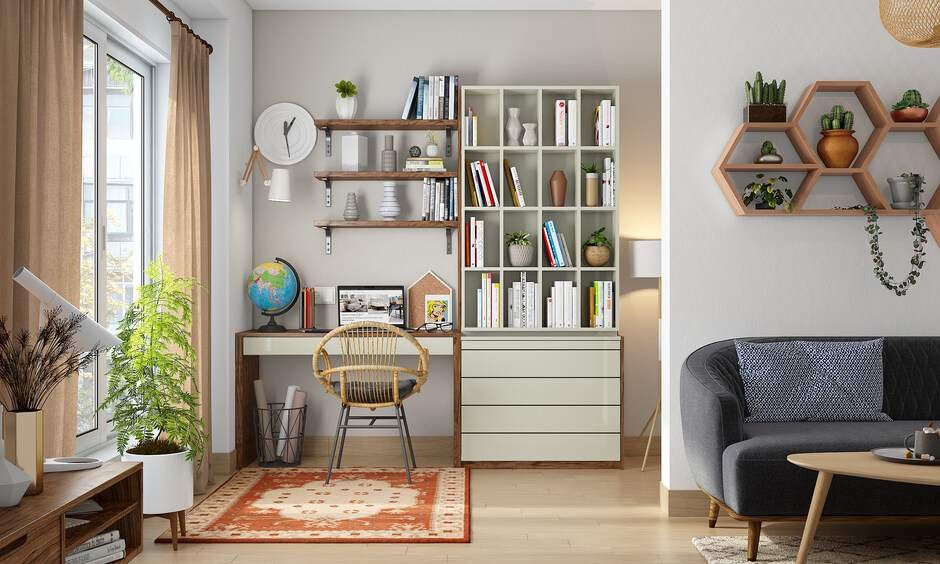
Desks with storage help keep your office tidy. Choose desks with drawers, shelves, or cubbies.
- Drawers for papers and small tools
- Shelves for books and files
- Hidden compartments for privacy
- Open cubbies for easy access

Credit: www.designcafe.com
Ergonomic Chair Selection
Choosing the right ergonomic chair is key for a healthy home office. It supports your body and reduces strain during work.
A good chair helps keep your posture correct and makes long hours easier on your back and neck.
Features To Look For
Look for these features to find a chair that fits your needs and supports your body well.
- Adjustable seat height to keep feet flat on the floor
- Good lumbar support to protect your lower back
- Armrests that can be moved to reduce shoulder strain
- A seat that tilts and locks for comfort changes
- Breathable fabric to keep you cool during long use
Balancing Comfort And Style
Comfort and style can work together. A chair should look good and feel good.
| Comfort Factor | Style Option |
| Cushioned seat and back | Modern mesh design |
| Ergonomic shape | Sleek leather finish |
| Adjustable features | Classic wooden frame |
| Swivel and wheels | Color matching your desk |
Optimizing Storage Solutions
Good storage helps keep your home office neat. It makes your workspace more comfortable and productive.
Using smart storage ideas saves space and keeps your tools easy to find. This guide shows simple ways to improve storage.
Vertical Shelving Ideas
Vertical shelves use wall space well. They free up the floor and desk area for other needs.
Place tall shelves near your desk for books and supplies. Use baskets or boxes to keep small items tidy.
- Install floating shelves above your desk
- Use tall bookcases to store files and books
- Add hooks under shelves for headphones or cords
- Use clear containers for easy content viewing
Multi-functional Furniture
Furniture with more than one use saves space. It also helps keep your office organized.
Choose desks with built-in drawers or shelves. A bench with storage can hold extra office items.
- Desks with storage compartments
- Storage ottomans or benches
- Filing cabinets that double as side tables
- Foldable tables that can be stored away
Decluttering Techniques
Decluttering keeps your office space clean and clear. It helps you focus better on work.
Sort your items regularly. Throw away or donate things you no longer need.
- Set a weekly time to tidy your desk
- Use trays to group small items
- Keep only daily-use items on your desk
- Label storage boxes for quick access
Lighting For Productivity
Good lighting helps you work better at home. It keeps you focused and reduces eye strain.
Using the right mix of natural and artificial light can improve your mood and energy.
Natural Light Utilization
Place your desk near windows to get natural sunlight. It brightens your space and lifts your mood.
Use light curtains to soften harsh sunlight and avoid glare on screens. Keep windows clean for more light.
- Face your desk toward the window for even light
- Avoid direct sunlight on your computer screen
- Use sheer curtains to control brightness
- Keep window areas clear of clutter
Task Lighting Options
Task lighting focuses light where you need it most. It helps you see details clearly while working.
Choose adjustable lamps that you can move or angle. This gives you control over light direction and brightness.
- Use LED desk lamps for bright, energy-saving light
- Pick lamps with adjustable arms or heads
- Consider warm light bulbs to reduce eye fatigue
- Place lamps on the side opposite your writing hand
Effective Space Planning
Planning your home office space well helps you work better. It makes the room more comfortable and keeps things organized.
Good space planning balances work needs with room size. This way, you avoid clutter and distractions.
Zoning Work Areas
Divide your office into zones for different tasks. This helps you focus and find things quickly.
- Designate a desk area for computer work.
- Create a reading or brainstorming corner with a comfortable chair.
- Set aside storage space for files and office supplies.
- Keep a small area for meetings or phone calls if needed.
Traffic Flow Considerations
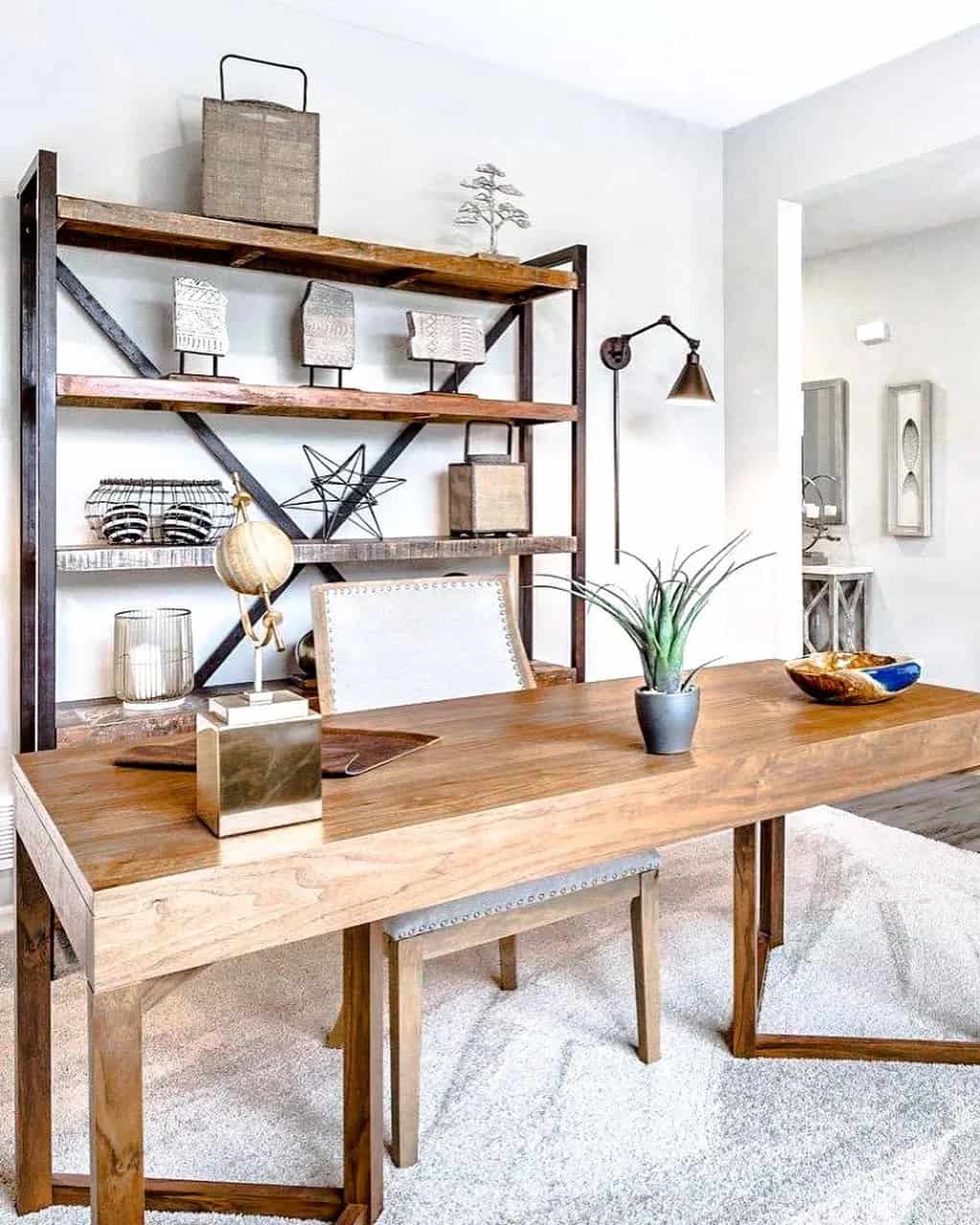
Plan paths so you can move easily without bumping into furniture. Clear traffic flow keeps the space safe and pleasant.
| Area | Recommended Distance (feet) | Purpose |
| Desk to Door | 3-4 | Easy entry and exit |
| Desk to Storage | 2-3 | Quick access to files |
| Chair to Walking Path | 2 | Comfortable seating space |
| Meeting Area to Desk | 4-5 | Space for discussions |
Credit: www.extraspace.com
Incorporating Technology
Technology is key in modern home office furniture layouts. It helps improve productivity and organization.
Integrating gadgets and smart tools can make your workspace efficient. Consider how technology fits into your office design.
Cable Management Tips
Cable management keeps your workspace tidy. It prevents clutter and improves safety.
Organizing your cables can also enhance the look of your office. Here are some tips for managing cables effectively.
- Use cable ties to bundle wires together
- Label each cable for easy identification
- Hide cables behind furniture or under the desk
- Invest in a cable management box for surge protectors
- Use adhesive hooks to keep cables off the floor
Smart Office Gadgets
Smart office gadgets can make your work easier. They offer convenience and efficiency.
Consider adding smart devices to your home office for better productivity. Here are some popular gadgets you might like.
- Smart speakers for voice commands and reminders
- Wireless charging pads for phones and tablets
- Smart lights with adjustable brightness
- Ergonomic keyboards that reduce strain
- Noise-canceling headphones for better focus
Personalizing Your Workspace
Creating a personalized workspace is essential for comfort and productivity. It’s where your creativity thrives, and it should feel like your own.
Adding personal touches to your home office can make a significant difference. Explore ideas to infuse your personality into your workspace.
Adding Greenery
Plants bring life and freshness to any space. They can improve air quality and boost your mood. Consider adding greenery to your home office for a touch of nature.
- Succulents are low-maintenance and perfect for desks.
- Ferns add lush greenery to your surroundings.
- Choose a small potted plant for your windowsill.
Inspiring Decor Ideas
Decor can inspire and motivate you during work hours. Surround yourself with items that reflect your style and interests.
Consider the following decor elements to personalize your workspace:
- Artwork or posters that resonate with you.
- A bulletin board for notes and inspiration.
- Colorful stationery to brighten your desk.
| Decor Item | Purpose |
| Desk Lamp | Lighting and ambiance |
| Bookshelf | Organization and style |
| Rug | Comfort and color |

Credit: www.youtube.com
Frequently Asked Questions
What Is The Best Home Office Furniture Layout?
The best layout maximizes space and enhances productivity. Place the desk near natural light and keep frequently used items within reach. Use ergonomic chairs and organize cables to maintain a clutter-free environment. Balance comfort with functionality for an efficient workspace.
How To Arrange Furniture For A Small Home Office?
Use compact, multi-functional furniture to save space. Position the desk against a wall or in a corner to open up room. Utilize vertical storage like shelves to keep supplies organized. Keep pathways clear to avoid a cramped feeling and improve movement.
Which Furniture Pieces Are Essential For A Home Office?
A sturdy desk, ergonomic chair, and adequate storage are essential. Add shelves or filing cabinets to organize documents. Good lighting and a comfortable chair reduce strain. Prioritize quality and comfort to support long working hours effectively.
How To Create An Ergonomic Home Office Layout?
Ensure your desk and chair height support good posture. Keep your monitor at eye level to reduce neck strain. Arrange your keyboard and mouse within easy reach. Use adjustable chairs and footrests for added comfort. Proper ergonomics boost productivity and reduce fatigue.
Conclusion
A well-planned home office boosts focus and comfort. Choose furniture that fits your space and needs. Keep your layout simple and organized to avoid clutter. Good lighting and a cozy chair make long hours easier. Add personal touches to make your space inviting.
Small changes can improve your workday greatly. Try different layouts until you find what works best. A neat, functional office helps you stay productive every day.