Your home office lighting can make a huge difference in how you feel and work every day. Imagine sitting at your desk, eyes tired and focus fading because the light just isn’t right.
You don’t have to settle for that. With the right lighting ideas, you can boost your mood, increase productivity, and create a space where you actually want to spend time. Ready to transform your home office into a bright, inspiring place?
Keep reading to discover simple lighting tips that will change the way you work forever.
Choosing The Right Light Type
Good lighting is important for a home office. It helps you work better and feel comfortable. Picking the right light type can improve your focus and reduce eye strain.
Different lights offer different benefits. Understanding each type helps you choose what fits your space and work style best.
Natural Light Benefits
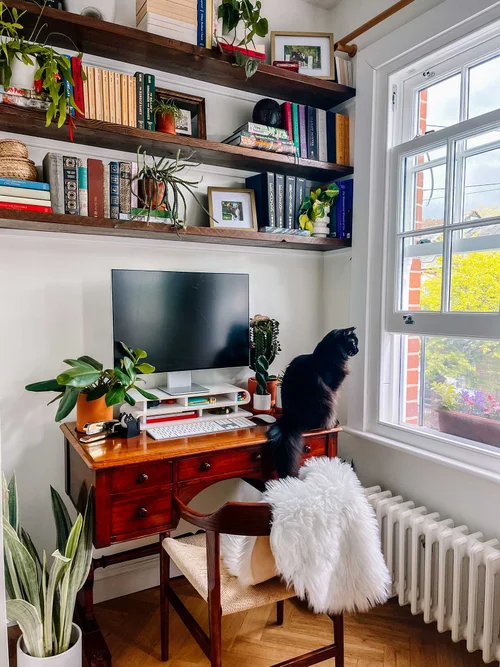
Natural light comes from the sun and is the best light for your eyes. It makes the room feel bright and fresh. Working near a window can boost your mood and energy.
Natural light helps reduce headaches and eye strain. It also helps you stay awake and alert during the day.
Led Vs. Fluorescent
LED lights save energy and last a long time. They turn on quickly and do not flicker. LED lights come in many colors and brightness levels.
Fluorescent lights use less energy than old bulbs but can flicker or buzz. They may cause eye strain for some people. LED lights are better for long work hours.
- LED lights have a longer lifespan
- LEDs use less energy than fluorescents
- Fluorescents can flicker and buzz
- LEDs offer more color options
Warm Vs. Cool Light
Warm light has a yellow or orange tone. It creates a cozy and relaxing space. Warm light is good for evening work or breaks.
Cool light is white or blue-toned. It helps you stay alert and focused. Cool light works well for detailed tasks and daytime use.
- Warm light feels soft and calm
- Cool light boosts concentration
- Choose warm light for relaxation
- Choose cool light for active work

Credit: thelampgoods.com
Layering Your Lighting
Good lighting in a home office helps you work better and feel relaxed. Using layers of light creates a balanced and comfortable space.
Each type of lighting has its own role. Combine them to get the best results for your work area.
Ambient Lighting Options
Ambient lighting provides overall light to your office. It fills the room and makes sure you can see clearly without harsh shadows.
- Ceiling-mounted fixtures like flush mounts or chandeliers
- Recessed lighting for a clean look
- Wall sconces to add soft, even light
- Floor lamps for flexible placement
Task Lighting Solutions
Task lighting focuses light on the work area. It helps reduce eye strain and improves concentration.
| Type | Best For | Placement |
| Desk lamps | Reading and writing | On the desk near work area |
| Adjustable arm lights | Precise tasks | Clipped or mounted close to work |
| Under-cabinet lights | Computer work | Under shelves or cabinets |
Accent Lighting Ideas
Accent lighting adds style and highlights features. It brings depth and interest to your office space.
- Use LED strips behind monitors or shelves
- Spotlights on artwork or plants
- Decorative table lamps for warmth
- Colored bulbs to change mood
Placement Tips For Desk Lighting
Good desk lighting helps you work better and feel comfortable. It is important to place your light source correctly. Proper lighting reduces eye strain and keeps your workspace neat.
Choosing the right spot for your desk lamp can improve focus and mood. Learn how to avoid common lighting problems and use adjustable lamps well.
Avoiding Glare And Shadows
Glare and shadows make it hard to see your work clearly. Place your light so it does not shine directly into your eyes or on your screen. Shadows happen when light is blocked by objects on your desk.
- Put the lamp on the opposite side of your writing hand to reduce shadows.
- Use lamps with diffusers to soften harsh light.
- Adjust the angle of the light to avoid glare on screens or papers.
- Keep the light source at eye level or slightly above.
Adjustable Lamp Benefits
Adjustable lamps give you control over your lighting. You can change the direction and height to fit your tasks. This helps keep your workspace bright and comfortable all day.
| Feature | Benefit |
| Swivel Head | Focus light where needed |
| Height Adjustment | Match light to eye level |
| Brightness Control | Set light intensity for comfort |
| Flexible Arm | Move light around obstacles |
Positioning For Productivity
Lighting affects how well you work. Proper position keeps you alert and reduces fatigue. Bright, even light helps you see details and stay focused.
- Place the lamp close to your work area but out of direct sight.
- Use task lighting for detailed work like reading or writing.
- Combine natural light with desk lamps for balanced brightness.
- Keep your desk clear to let light spread evenly.
Creating A Mood With Color Temperature
Lighting changes how a room feels. Color temperature plays a big role. It can help you work better or relax more.
Cool and warm tones create different moods. Choose the right light to match your tasks and feelings.
Boosting Focus With Cool Tones
Cool tones have blue and white shades. They make you feel alert and awake. This helps you stay focused on work.
- Use daylight or cool white bulbs
- Place lights near your desk
- Keep lighting bright but not harsh
- Combine with natural light when possible
- Avoid yellow or orange hues in work areas
Relaxing With Warm Tones
Warm tones include yellow and orange shades. They create a cozy and calm mood. Use them when you want to unwind.
| Warm Light Benefits | How to Use |
|---|---|
| Reduces eye strain | Use lamps with soft yellow bulbs |
| Creates a cozy atmosphere | Add floor or table lamps in corners |
| Helps you relax after work | Dim the lights in the evening |
Incorporating Smart Lighting
Smart lighting can make your home office more efficient. It provides convenience and flexibility.
Using smart lighting systems can enhance productivity. You can control lights with ease.
Voice-controlled Systems
Voice-controlled systems let you adjust lighting with simple commands. You can use devices like Alexa or Google Assistant.
These systems are hands-free and user-friendly. They make working in your office more enjoyable.
- Turn lights on or off with your voice
- Change light colors easily
- Adjust brightness levels without touching a switch
Automated Schedules
Automated schedules control lighting at set times. This helps in maintaining a routine.
You can program lights to turn on in the morning. They can switch off at night automatically.
- Set lights to match your work hours
- Save energy with automatic shut-off
- Improve focus with consistent lighting
Dimming Features
Dimming features allow you to adjust light intensity. This is useful for different tasks.
Lower light levels can reduce eye strain. Bright lighting is great for detailed work.
- Customize light levels for reading
- Create a relaxing atmosphere with dim lights
- Brighten lights for video calls

Credit: www.designcafe.com
Decorative Lighting Enhancements
Lighting can change how your home office feels. It adds style and improves your mood. Decorative lights are a great way to brighten the space.
Using different types of lighting helps create a cozy and inspiring place to work. Here are some ideas to try in your office.
String Lights And Led Strips
String lights and LED strips bring a soft glow to your workspace. They add warmth and can highlight shelves or desks. These lights are easy to install and come in many colors.
- Wrap string lights around shelves or windows.
- Place LED strips under desks or behind monitors.
- Choose warm white or soft colors for a calm feel.
- Use remote controls for easy brightness changes.
Statement Fixtures
Statement fixtures add character and style to your home office. These lights become a focal point and show your personality. They can be modern, vintage, or artistic.
Popular Statement Fixture Types
| Type | Style | Best For |
|---|---|---|
| Pendant Light | Modern or Industrial | Above Desk |
| Chandelier | Classic or Vintage | Room Center |
| Floor Lamp | Artistic or Minimal | Corner Accent |
Plants And Light Interaction
Plants look beautiful when lit well. Light can highlight their shapes and colors. This adds life to your office and creates a fresh atmosphere.
- Place spotlights to shine on tall plants.
- Use soft LED lights near small potted plants.
- Try colored lights for a creative look.
- Keep natural light in mind when arranging plants and lights.
Energy Efficiency Tips
Good lighting in your home office can save energy and boost productivity. Here are some tips to help you use light efficiently.
These tips will help you choose the right bulbs and manage light smartly.
Choosing Energy-saving Bulbs
Energy-saving bulbs use less power and last longer. They reduce electricity bills and are eco-friendly.
LED and CFL bulbs are great choices. They come in various shapes and sizes.
- LEDs use up to 80% less energy than traditional bulbs
- CFLs can last 10 times longer than incandescent bulbs
- Choose bulbs with the right brightness for your tasks
Maximizing Natural Light
Natural light is free and healthy. It reduces the need for artificial lighting during the day.
Use light curtains and place your desk near windows. This makes the most of sunlight.
- Open curtains and blinds during the day
- Position desks to face windows
- Use mirrors to reflect natural light
Smart Power Management
Smart devices help control lighting and save energy. They let you manage lights remotely.
Use smart plugs and timers to turn lights off when not needed. This avoids waste.
- Install smart bulbs that adjust brightness automatically
- Set timers to switch off lights after work hours
- Use motion sensors to activate lights only when needed

Credit: www.roomandboard.com
Frequently Asked Questions
What Is The Best Lighting For A Home Office?
The best home office lighting combines natural light with adjustable task lighting. Use LED desk lamps for focused work. Avoid harsh overhead lights. Soft ambient lighting reduces eye strain and boosts productivity throughout the day.
How Can I Reduce Eye Strain With Home Office Lighting?
To reduce eye strain, use balanced lighting that minimizes glare and shadows. Position your desk lamp to the side. Use adjustable brightness settings. Incorporate natural daylight when possible. Taking regular breaks from screen time also helps maintain eye comfort.
What Color Temperature Suits Home Office Lighting?
A color temperature between 4000K and 5000K is ideal for home offices. This range provides bright, neutral white light that enhances focus and reduces fatigue. Avoid overly warm or cool tones that can distract or tire your eyes.
How Do I Layer Lighting In A Home Office?
Layer lighting by combining ambient, task, and accent lights. Ambient lighting offers overall brightness. Task lighting focuses on your workspace. Accent lighting adds warmth and style. Layering improves functionality and creates a comfortable work environment.
Conclusion
Good lighting makes your home office more comfortable and efficient. Bright, natural light helps you stay focused and alert. Soft, warm lights reduce eye strain during long work hours. Try mixing different light sources for the best effect. Small changes can improve your workspace a lot.
Choose lights that suit your work style and room size. A well-lit office boosts mood and productivity every day. Take time to find what works best for you. Your work will feel easier and more enjoyable.