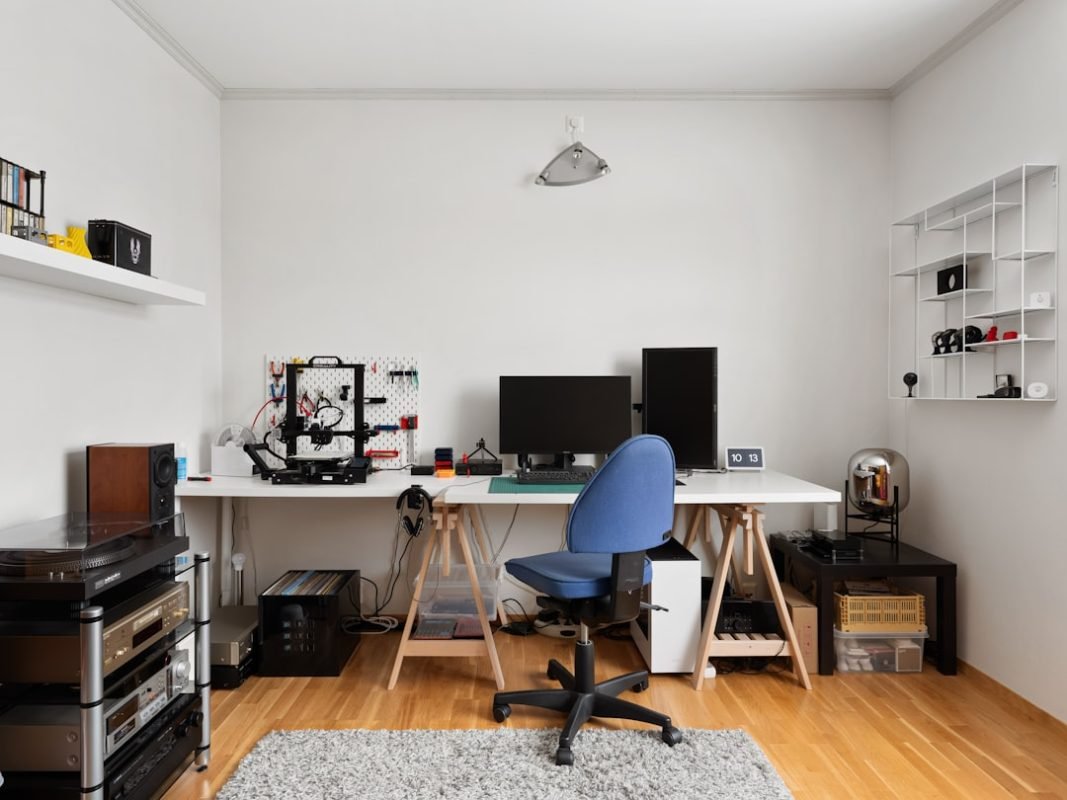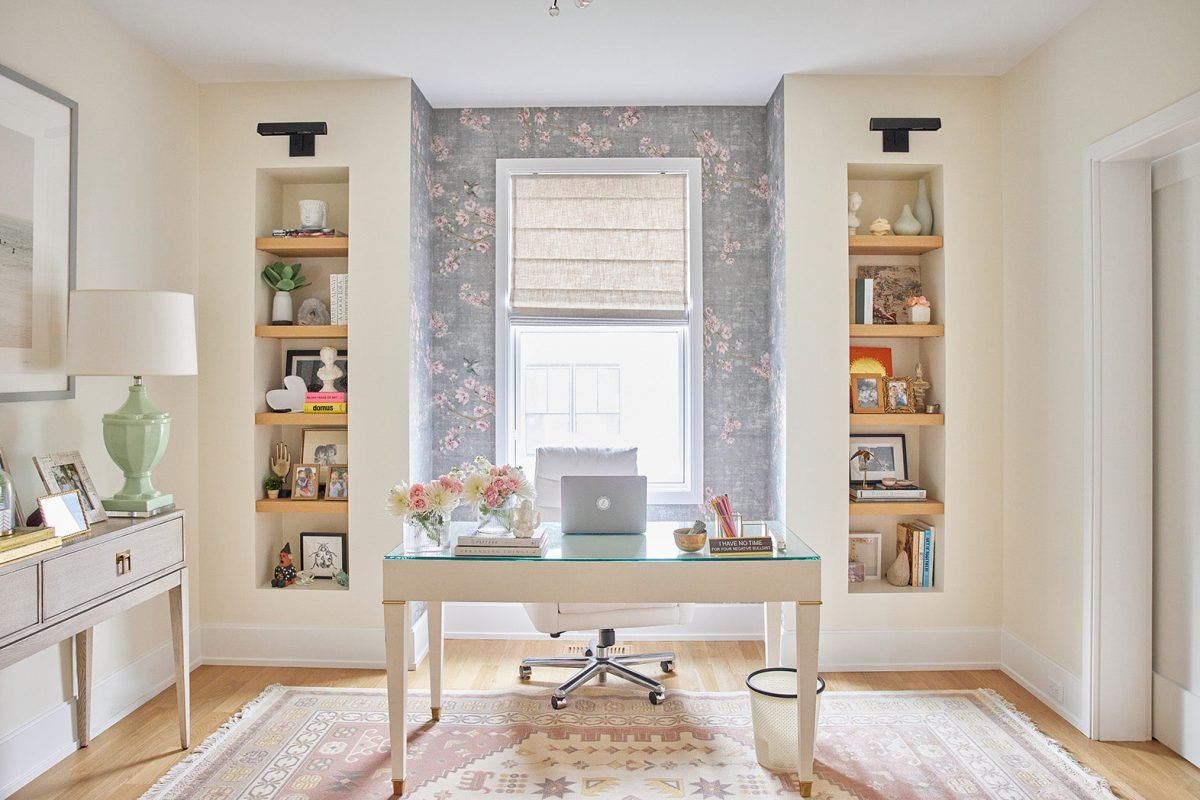
Choosing the right paint color for your home office can change the way you feel every time you sit down to work. The colors around you don’t just fill the space—they can boost your focus, creativity, and mood.
Imagine walking into your office and instantly feeling calm, energized, or inspired. That’s the power of the perfect paint choice. If you want your workspace to work for you, keep reading. You’re about to discover simple, effective home office paint color ideas that can transform your room—and your productivity.
Choosing The Right Color
Choosing the right paint color for your home office affects how you feel and work. Colors can change your mood and focus. Picking the best color helps you stay productive and comfortable.
Think about how colors affect your work habits. Your office walls should help you stay calm and alert. Let’s explore how to choose the perfect color for your space.
Impact Of Colors On Productivity
Colors can boost or lower your work output. Some colors calm the mind. Others raise energy and focus. Here are common colors and their effects:
- Blue: Helps with focus and calmness.
- Green: Reduces eye strain and refreshes the mind.
- Yellow: Sparks creativity but can be tiring if too bright.
- Red: Increases energy but may cause stress if overused.
- Gray: Neutral but might feel dull or cold.
Balancing Bright And Neutral Tones
Bright colors can energize your office but may be distracting. Neutral colors create a calm and stable space. You can mix both for balance. Use bright tones as accents and neutrals on large walls.
| Color Type | Use | Effect |
| Bright Colors | Accent walls, decor | Boost energy and creativity |
| Neutral Colors | Main walls, furniture | Calm and focus |
| Mixed | Combination of both | Balanced mood and productivity |
Matching Colors With Room Size
Room size changes how colors look. Small rooms feel bigger with light colors. Dark colors can make large rooms cozy. Use this guide to pick colors for your office size.
- Small Rooms: Use light colors like pale blue or soft gray.
- Medium Rooms: Mix light walls with brighter accents.
- Large Rooms: Darker colors like deep green or navy work well.
Popular Color Schemes
Choosing the right paint color can change your home office mood. The color you pick affects your focus and energy.
This guide covers popular color schemes for home offices. Each scheme suits different work styles and tastes.
Calming Blues And Greens
Blues and greens create a calm and peaceful work space. These colors help reduce stress and improve concentration.
Soft blues remind you of the sky and water. Green tones bring nature’s fresh and relaxed feeling indoors.
- Light blue for a cool, calm effect
- Soft green to promote balance and calmness
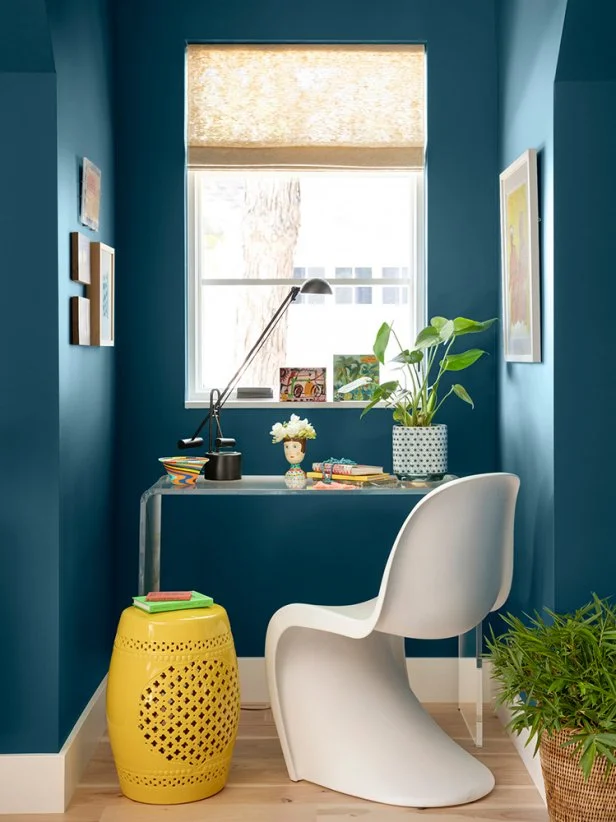
- Teal or turquoise for a bit of energy with calm
Energetic Reds And Oranges
Reds and oranges boost energy and creativity in a home office. These colors can make the space feel warm and lively.
Use these colors in small doses to avoid distraction. They work well on accent walls or accessories.
- Bright red to increase alertness and passion
- Soft orange for warmth without overwhelming
- Coral shades add a fresh, energetic vibe
Sophisticated Grays And Neutrals
Grays and neutrals create a clean, professional look. These colors help keep the focus on work without distractions.
They pair well with bright accents and natural light. Shades of gray offer a modern and stylish background.
- Light gray for a soft, elegant feel
- Warm beige and taupe add coziness
- Charcoal gray for a bold, modern touch
Accent Walls And Patterns
Choosing paint colors for a home office can be fun. Accent walls and patterns can add style and energy. They help define your workspace and make it more inviting.
An accent wall is a single wall painted differently. Patterns can be stripes, geometric designs, or textures. Both options add interest to a plain room.
Creating Focal Points
An accent wall creates a focal point in your office. This can be the wall behind your desk or where you look the most. Use bold colors to draw attention.
Choose colors that inspire you. Blues and greens are calming. Reds and yellows add energy. Pick what suits your work style best.
Using Stripes And Geometric Designs
Stripes and geometric designs add structure to your office. Stripes can make the room look taller or wider. Vertical stripes make ceilings appear higher.
Geometric designs are modern and fun. They can be squares, triangles, or circles. Use tape to create clean lines and shapes.
- Vertical stripes for height
- Horizontal stripes for width
- Geometric shapes for modern style
Textured Paint Options
Textured paint adds depth to walls. It can be smooth, rough, or patterned. Use it to create a unique look in your home office.
Textured paint can hide wall flaws. It also changes the room’s feel. Try a textured roller or sponge for different effects.
| Type of Texture | Effect |
| Smooth | Elegant and clean |
| Rough | Rustic and cozy |
| Patterned | Creative and unique |
Credit: www.hgtv.com
Color Psychology For Focus
Choosing the right paint colors for your home office can help you focus better. Colors affect your mood and productivity.
Using the right colors can reduce stress and improve concentration during work hours.
Colors That Boost Concentration
Some colors help your brain stay alert and focused. These colors keep distractions away and improve attention.
- Blue: Calms the mind and helps with clear thinking
- Green: Reduces eye strain and creates balance
- Yellow: Boosts creativity and energy
Soothing Shades For Stress Relief
Soft colors help lower stress and make your office feel peaceful. These shades can make long work hours easier.
- Light blue: Brings calm and relaxation
- Pale green: Creates a fresh and natural feel
- Lavender: Soothes the mind and reduces tension
Avoiding Distracting Colors
Bright and intense colors can distract you. Avoid colors that make you feel restless or overwhelmed.
- Bright red: Can increase stress and agitation
- Neon colors: Overstimulate and reduce focus
- Too many bold colors: Create visual noise
Combining Paint With Decor
Choosing the right paint color for your home office is only part of the design process. You need to think about how paint works with your furniture and decor.
Matching colors with your room’s style creates a space that feels balanced and inviting. This guide covers key ideas to help you combine paint and decor well.
Coordinating Furniture And Paint
Furniture colors and styles affect how paint looks on your walls. Light paint can brighten dark furniture, while darker paint can make light furniture pop.
- Choose paint that contrasts with your main furniture pieces.
- Use neutral paint if your furniture has bold colors or patterns.
- Match wood tones with warm paint shades for a cozy feel.
- Consider the style: modern furniture works well with cool tones, classic pieces suit warm colors.
Incorporating Art And Accessories
Art and accessories add personality to your office and should complement the paint color. Think about how their colors and styles fit the walls.
| Type | Paint Color Tips |
| Bold Artwork | Use neutral or soft paint colors to highlight the art. |
| Colorful Accessories | Choose paint that matches one of the accessory colors for harmony. |
| Metallic Decor | Pick paint with cool or warm undertones to match metal finishes. |
| Natural Elements (plants, wood) | Use earthy paint shades to create a natural vibe. |
Lighting Effects On Paint Colors
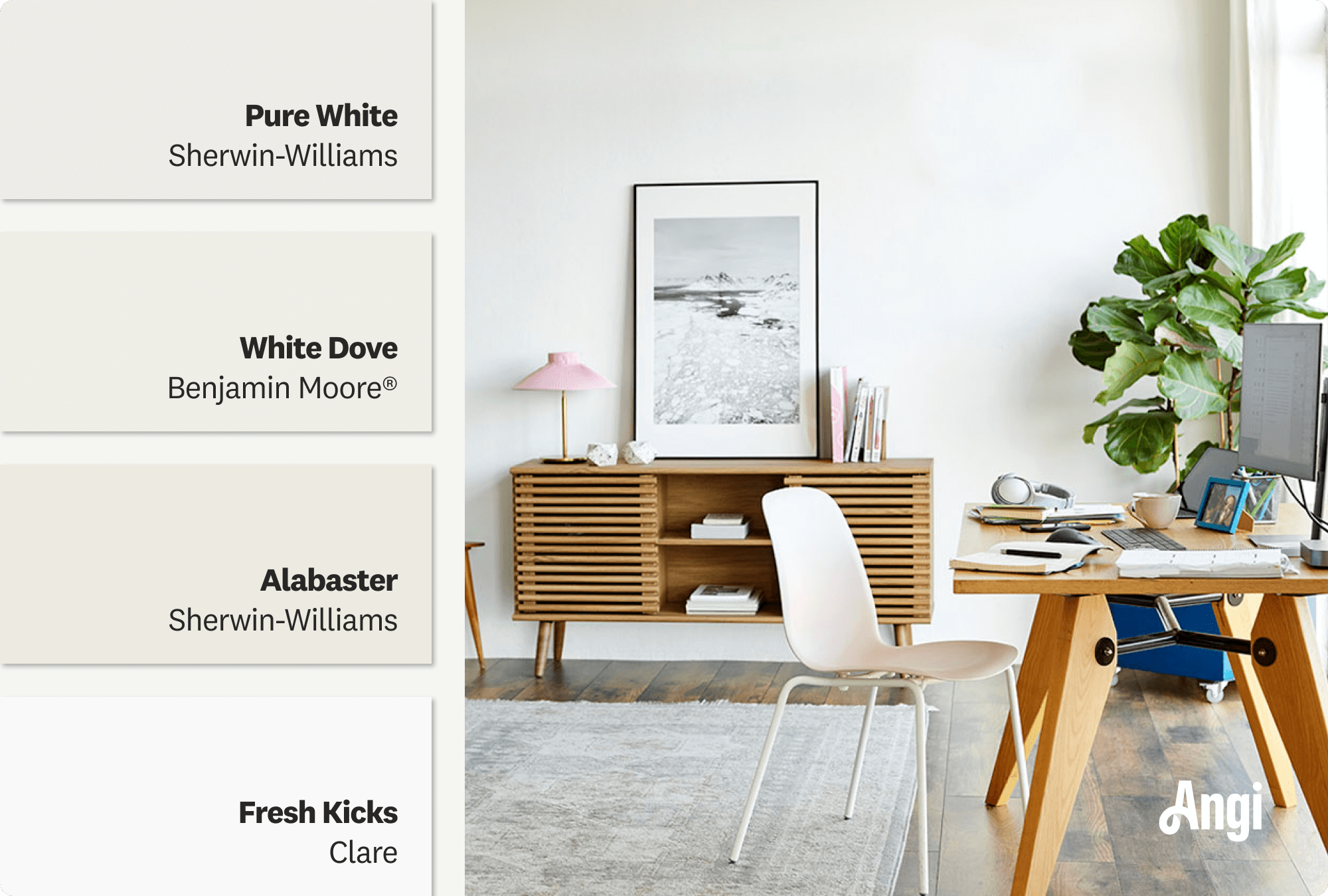
Lighting changes how paint looks. Natural light and artificial light can make colors seem lighter or darker.
Consider these lighting effects:
- North-facing rooms:Paint may look cooler and darker.
- South-facing rooms:Paint appears warmer and brighter.
- Warm bulbs:Enhance warm paint tones like yellows and reds.
- Cool bulbs:Highlight blues and greens in paint.
Credit: www.angi.com
Tips For Painting Your Home Office
Painting your home office can change how you feel while working. A fresh coat of paint makes the space more inviting and productive.
Choosing the right colors and preparing your walls well will help you get the best results. Here are some tips to guide you.
Preparing The Walls
Clean walls before you paint. Dust and dirt stop paint from sticking well. Fill any holes or cracks with spackle and sand smooth.
Use painter’s tape to cover edges and protect trim. Cover floors with a drop cloth to catch drips.
- Wash walls with mild soap and water
- Fill holes and sand rough spots
- Use tape to protect edges
- Cover floors and furniture
Choosing The Right Finish
Paint finishes affect how your walls look and feel. Flat finishes hide wall flaws but are hard to clean. Satin or eggshell shine a little and clean easier.
Use semi-gloss or gloss for trim and doors. These finishes are durable and easy to wipe down.
- Flat: hides flaws, less washable
- Eggshell/Satin: slight shine, easy to clean
- Semi-gloss/Gloss: best for trim, very durable
Diy Vs Professional Painting
Painting yourself saves money and gives control. It needs time, tools, and patience for good results. You learn new skills while working.
Hiring a professional costs more but saves time. Pros finish quickly and fix wall problems. They leave a smooth, even finish.
- DIY: cheaper, needs time and effort
- Professional: faster, more expensive
- DIY suits small jobs and simple colors
- Professionals best for large or complex jobs
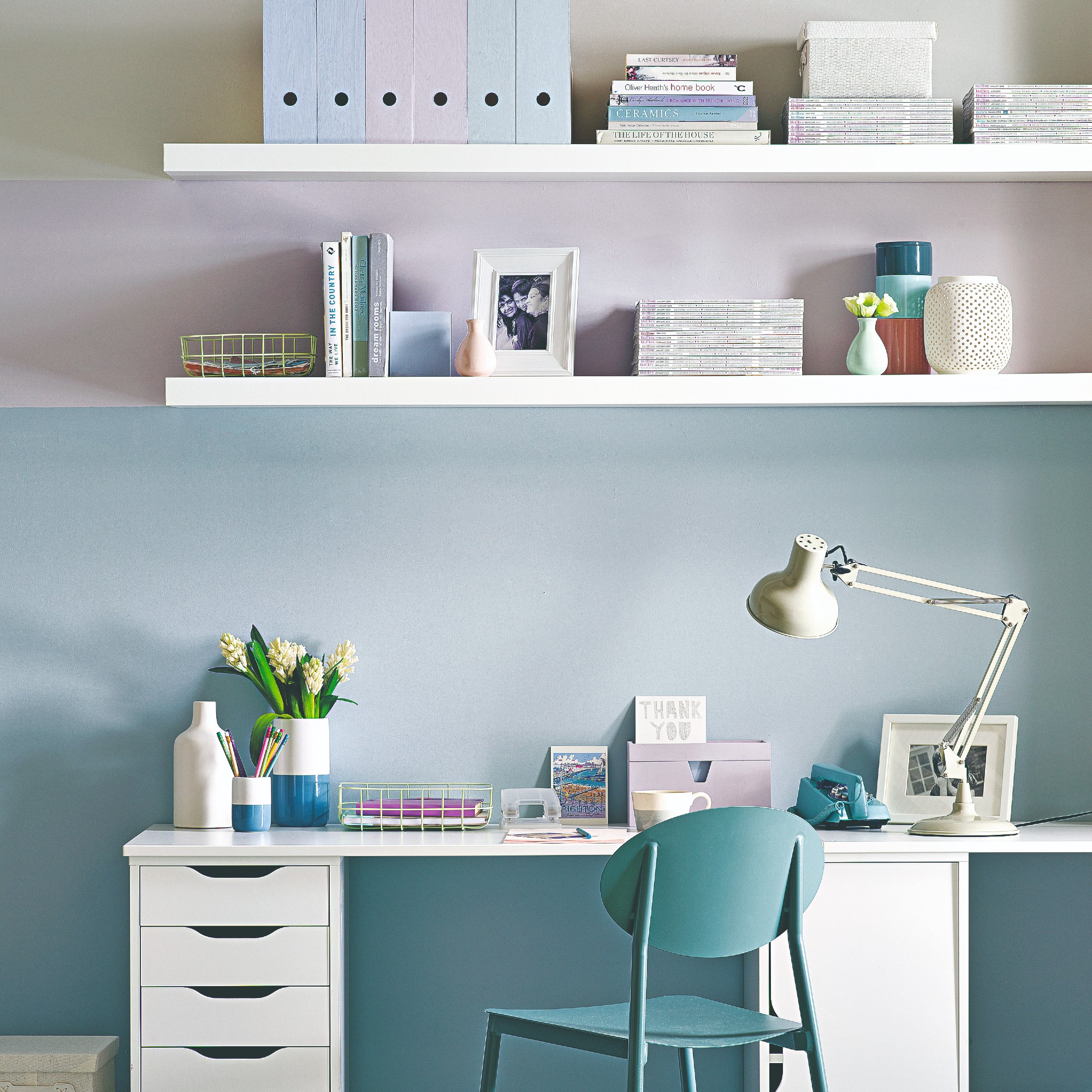
Credit: www.idealhome.co.uk
Frequently Asked Questions
What Are The Best Paint Colors For A Home Office?
Best home office paint colors include soft blues, greens, and neutrals. These colors boost focus, reduce stress, and create a calm workspace. Avoid overly bright or dark shades, as they can cause distraction or fatigue.
How Do Paint Colors Affect Productivity In Home Offices?
Paint colors impact mood and productivity. Cool tones like blue improve concentration. Warm tones like yellow can inspire creativity. Choosing the right color helps maintain energy and focus during work hours.
Can Dark Paint Colors Work In A Home Office?
Yes, dark colors like navy or charcoal add sophistication and depth. Pair them with good lighting to avoid a gloomy feel. Dark shades create a cozy, focused environment if balanced properly.
Should I Use Bold Colors For My Home Office Walls?
Bold colors can energize and inspire creativity. However, use them as accent walls or in small doses. Too much bold color may cause distraction. Balance bold tones with neutral shades for harmony.
Conclusion
Choosing the right paint color helps create a calm workspace. Soft blues and greens can boost focus and reduce stress. Warm tones like beige or light yellow add comfort. Bright colors may inspire creativity but use them sparingly. Your home office should feel inviting and productive.
Try samples on your walls before deciding. Small changes can make a big difference in mood. A good color choice supports your daily work and well-being. Take time to find what suits you best.