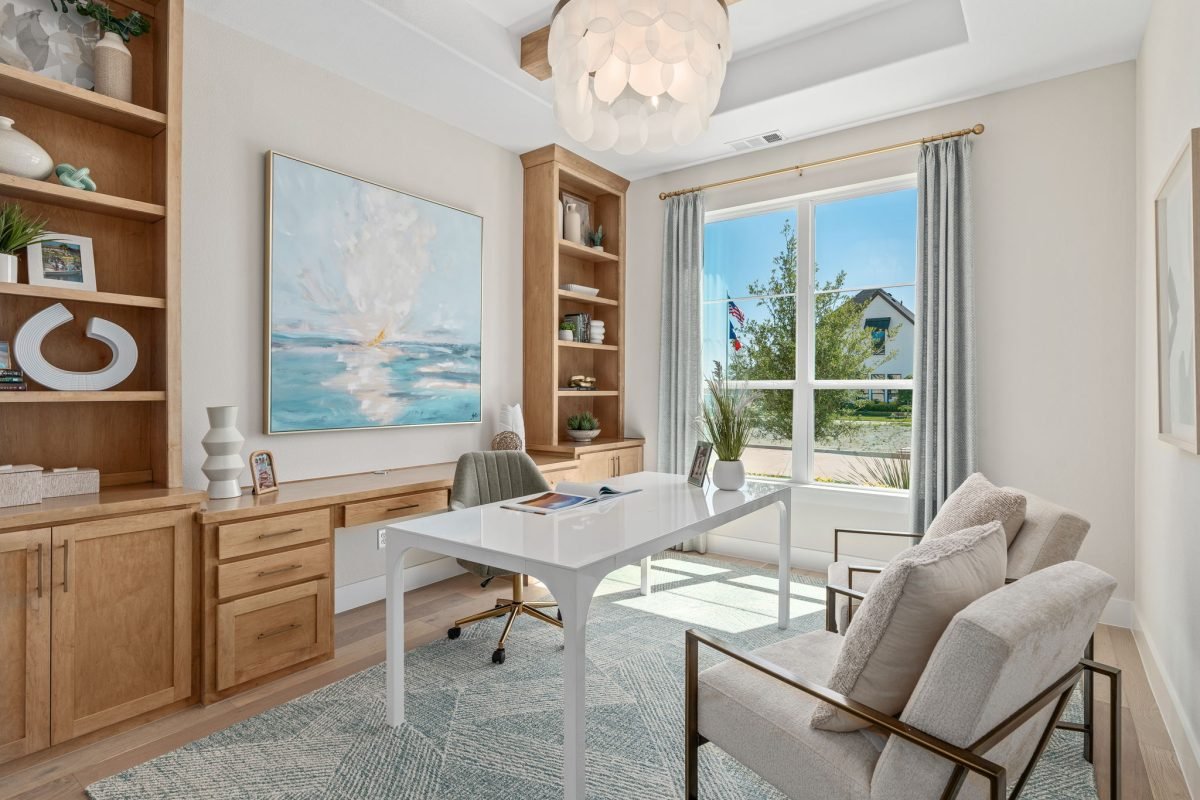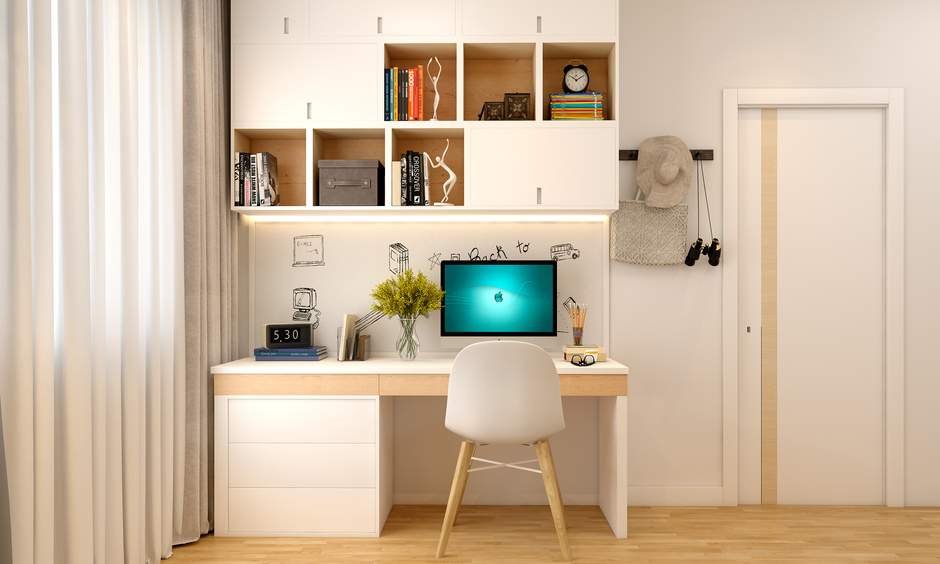
Struggling to fit a productive workspace into your small home? You’re not alone.
Creating a home office in a limited area can feel overwhelming, but it doesn’t have to be. Imagine turning even the tiniest corner into a spot that boosts your focus and creativity. You’ll discover simple, smart ideas that make the most of your space without clutter or stress.
Ready to transform your small space into a powerful home office? Keep reading to unlock easy tips that work for you.
Maximize Vertical Space
Small home offices need smart use of space. Vertical areas offer great chances to add storage and work surfaces.
Using walls up high helps keep your floor clear. This makes the room feel bigger and more organized.
Wall-mounted Desks
Wall-mounted desks save floor space by folding against the wall. They provide a work surface without bulky furniture.
These desks are perfect for small rooms. You can use them only when needed and fold them away afterward.
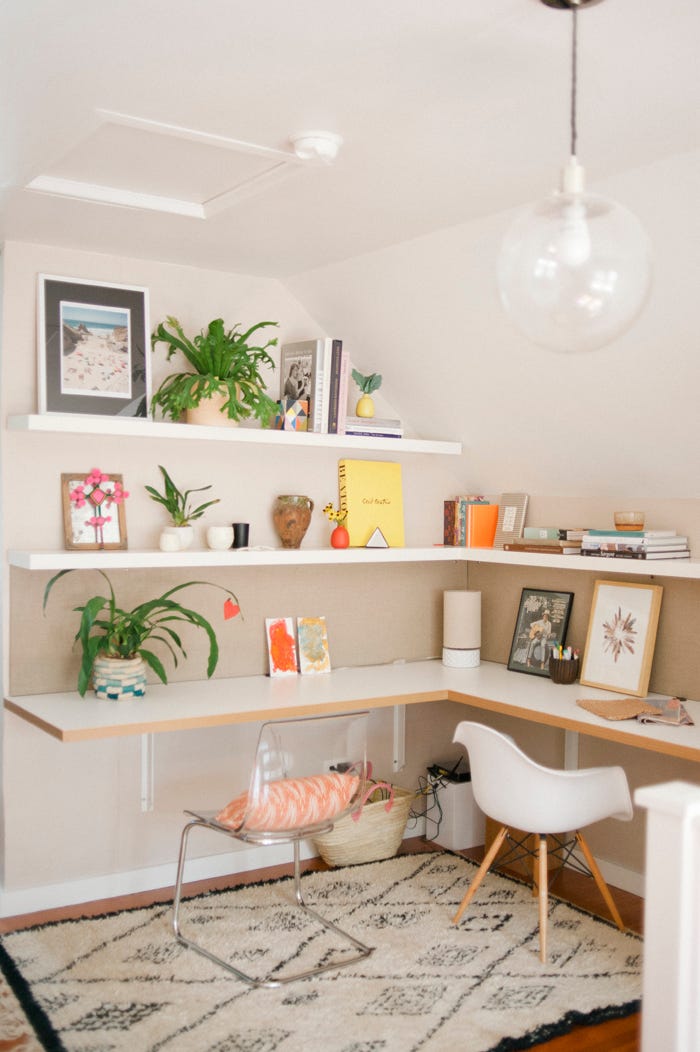
Floating Shelves
Floating shelves keep your items off the desk. They create storage without taking up floor space.
- Store books and files on upper shelves
- Display decorative items to personalize your space
- Use small baskets on shelves to organize supplies
- Place plants to add fresh air and color
Pegboards And Hooks
Pegboards and hooks turn your wall into a flexible storage zone. You can hang tools, notes, and cables within reach.
| Item | Use on Pegboard | Benefit |
|---|---|---|
| Scissors | Hang on hook | Easy to find and grab |
| Notepads | Clip on board | Keep notes visible |
| Charging cables | Loop on hooks | Prevent tangling |
| Small baskets | Attach to board | Store pens and clips |
Choose Multi-functional Furniture
Small home offices need smart furniture that does many jobs. Multi-functional pieces save space and add value.
These furniture types help keep your work area neat and flexible for other uses.
Foldable Desks And Chairs
Foldable desks and chairs can be stored easily when not in use. They free up floor space in small rooms.
These items are light and easy to move, making your office adaptable for different activities.
Storage Ottomans
Storage ottomans serve as seats and hidden storage boxes. They keep your office supplies out of sight.
You can store files, papers, or tools inside while using the ottoman for resting or extra seating.
Convertible Workstations
Convertible workstations change from desks to shelves or tables. They fit small spaces well.
These workstations allow you to switch between work and storage quickly without extra furniture.
Optimize Lighting
Good lighting improves your focus and mood in a small home office. It also makes the space feel bigger and more inviting.
Use a mix of natural and artificial light to brighten your workspace. This helps reduce eye strain and keeps you alert.
Natural Light Enhancement
Place your desk near a window to get natural light during the day. Natural light helps you feel more awake and productive.
Use light-colored curtains or blinds to soften sunlight without blocking it. This keeps your office bright without glare.
Task Lighting Options
Task lighting focuses light where you need it most, like your desk or keyboard. It helps you see details clearly.
Choose adjustable desk lamps with dimmers. You can change brightness based on your work or time of day.
- LED desk lamps save energy and last long
- Clamp lamps save desk space and can be moved
- Portable lamps allow flexible lighting setups
Space-saving Lamps
Use lamps that take up little room in your small office. Look for slim or wall-mounted designs.
Floor lamps with a small base fit in tight corners. They add light without cluttering your desk.
- Wall sconces free up desk space
- Clip-on lamps attach to shelves or desks
- LED strip lights can go under shelves for extra glow

Credit: www.pagointernational.com.au
Declutter With Smart Storage
Working from a small home office can feel cramped without the right storage. Smart storage helps keep your space tidy and organized.
Using clever storage ideas saves space and makes your work area more comfortable. This guide covers simple ways to reduce clutter.
Under-desk Storage Solutions
Under your desk is often wasted space. Use it to store items you need but don’t want on your desktop.
- Install sliding drawers to keep papers and supplies hidden.
- Use baskets or bins to hold larger items.
- Attach hooks under the desk for bags or headphones.
- Try a small filing cabinet on wheels for easy access.
Cable Management Tips
Cables can quickly create a mess in a small space. Good cable management keeps cords neat and out of sight.
| Tip | How to Do It |
| Use cable clips | Attach clips to your desk edges to hold cables in place. |
| Label cords | Tag each cord so you know what it connects to. |
| Bundle cables | Use cable ties or sleeves to group cables together. |
| Hide power strips | Mount power strips under the desk or behind furniture. |
Organizers For Small Items
Small items like pens, paper clips, and sticky notes can cause clutter. Organizers keep these things in order.
Desk Trays
Use stackable trays to sort papers and notebooks.
Drawer Dividers
Separate small items inside drawers for easy access.
Small Jars
Keep pens and pencils upright and visible.
Incorporate Personal Touches
Creating a home office in a small space can be a challenge. Adding personal touches can make it feel more inviting.
These personal touches can be simple yet effective. They can transform your workspace into a place you love.
Compact Greenery
Plants add life and freshness to your workspace. Even small spaces can benefit from a bit of greenery.
- Use small potted plants on the desk
- Hang planters on walls
- Choose low-maintenance plants like succulents
Art And Inspiration Boards
Visual inspiration can boost creativity. Use art and boards to personalize your space.
Color Schemes For Small Areas
Color can change the feel of a room. Pick colors that make your small space feel open.
| Color | Effect |
| Light Blue | Calming |
| White | Spacious |
| Soft Green | Refreshing |
Credit: medium.com
Create Defined Zones
Small home offices need clear zones to stay organized and efficient.
Defining areas helps you focus and keeps your space tidy.
Using Rugs And Dividers
Rugs can mark your work area from the rest of the room. Dividers add privacy without walls.
- Choose a rug with a bold color or pattern for your desk zone.
- Use folding screens to separate work from living areas.
- Try open shelves as low dividers for storage and separation.
Dedicated Tech Areas
Keep your devices and cables in one spot. This reduces clutter and saves time.
| Tech Item | Placement Tips | Benefit |
| Computer | Desk center, near power outlet | Easy access and charging |
| Printer | Side table or shelf nearby | Quick printing without crowding desk |
| Cables | Use cable clips or boxes | Prevents tangling and mess |
Quiet Corners For Focus
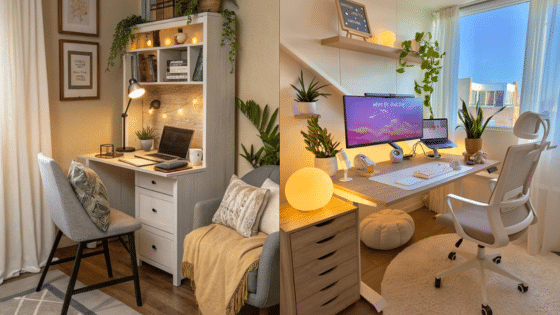
Create a small nook away from noise for deep work. Use soft lighting and comfortable seating.
Tips for a Quiet Corner
- Place near a window for natural light
- Add noise-canceling headphones or plants
- Use a small desk or lap table
- Keep it free from distractions and clutter
Credit: skyryedesign.com
Frequently Asked Questions
What Are The Best Furniture Choices For Small Home Offices?
Opt for compact, multi-functional furniture like foldable desks and storage ottomans. These save space and keep your office organized. Choose pieces with built-in storage to maximize efficiency without overcrowding your room.
How Can I Maximize Storage In A Small Office Space?
Use vertical storage solutions like wall-mounted shelves and pegboards. Opt for under-desk drawers and file organizers. Declutter regularly to keep essentials accessible and maintain a tidy workspace.
Which Lighting Works Best For Small Home Office Areas?
Natural light is ideal; position your desk near windows. Supplement with adjustable LED desk lamps to reduce eye strain. Proper lighting enhances productivity and reduces fatigue in confined spaces.
How Do I Create A Distraction-free Zone In A Small Office?
Use noise-cancelling headphones or white noise machines. Choose a quiet corner away from high-traffic areas. Keep your workspace clean and use room dividers if needed to separate work from home life.
Conclusion
Creating a small home office can be simple and effective. Use smart storage to save space. Choose furniture that fits well and feels comfortable. Bright lighting helps keep you focused. Personal touches make the space inviting. Keep clutter low to stay organized.
Small changes can boost your work mood. A cozy, neat office helps you do your best. Try these ideas to build a great work area at home.