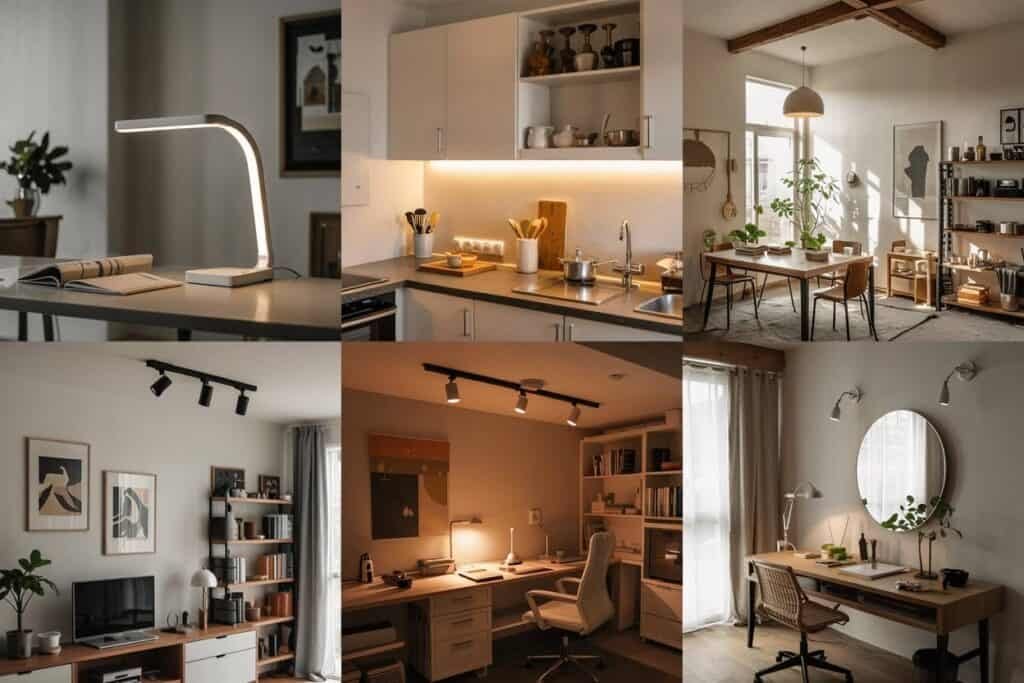
Are you struggling to find the perfect spot for your home office table lamp? The right placement can change everything—boosting your focus, reducing eye strain, and creating a comfortable workspace you actually want to use.
Imagine working without harsh shadows or glare distracting you. You’ll discover simple tips to position your lamp perfectly, so your workdays feel easier and more productive. Keep reading to transform your desk lighting and upgrade your home office setup today.

Credit: www.reddit.com
Choosing The Right Lamp
A good lamp helps you see clearly while working. It makes your home office more comfortable and productive.
Selecting the right lamp means thinking about style, brightness, and where you place it. The right light can reduce eye strain and improve focus.
Types Of Lamps For Home Offices
There are many lamps you can use in your home office. Each type has different benefits and uses.
- Desk lamps sit on your table and give focused light.
- Floor lamps stand next to your desk and brighten the room.
- Clip-on lamps attach to shelves or desks for flexible lighting.
- LED panel lamps provide soft, even light without glare.
Selecting The Best Light Bulb
Choosing the right bulb is important for comfort and energy use. Bulbs come in different colors and brightness levels.
- Use LED bulbs for low energy and long life.
- Pick bulbs with a color temperature of 4000K to 5000K for clear, white light.
- Choose bulbs with at least 450 lumens for desk lighting.
- Avoid bulbs that are too bright or too dim to protect your eyes.
Adjustable Features To Consider
Adjustable lamps let you change light direction and brightness. These features help you work comfortably in different tasks.
- Look for lamps with adjustable arms or necks to direct light where needed.
- Dimming options help you set the right brightness for day or night.
- Swivel heads allow you to move the light without moving the lamp base.
- Some lamps have touch controls for easy use.
Credit: www.amlegendhomes.com
Ideal Lamp Placement
Placing a table lamp correctly in your home office helps you work comfortably. Good lamp placement reduces eye strain and improves focus.
Consider your room’s natural light and desk setup. A well-placed lamp works with daylight and your tasks.
Positioning For Natural Light
Set your lamp near a window to use natural light during the day. This saves energy and brightens your workspace.
Place the lamp on the side opposite your dominant hand. This avoids shadows on your work area caused by natural light.
Avoiding Glare And Shadows
- Keep the lamp shade directed away from your eyes.
- Use soft, diffused light bulbs to reduce glare.
- Adjust the lamp so it lights your desk evenly.
- Move the lamp if you see sharp shadows on papers.
Height And Angle Tips
| Height | Tip |
| 12 to 18 inches above desk | Ideal height for focused light on work |
| Adjustable lamp arms | Allows changing height based on task |
| Angle light downward | Reduces eye strain and glare |
| Keep lamp stable | Prevents accidental movement and shadows |
Lighting Techniques To Enhance Focus
Good lighting helps you stay focused while working at home. The right lamp placement makes a big difference.
Using proper lighting techniques reduces eye strain and keeps your mind alert. It creates a better work environment.
Task Lighting Benefits
Task lighting shines light directly on your work area. It helps you see details clearly and avoid mistakes.
This type of lighting reduces shadows and glare. It also helps your eyes relax by giving the right brightness.
- Improves focus on tasks
- Reduces eye fatigue
- Enhances visual clarity
- Prevents shadows on important work
Balancing Ambient And Direct Light
Ambient light fills the room with soft, even brightness. Direct light focuses on your desk or work area.
Balancing these lights stops harsh contrasts. It creates a comfortable space where you can work longer without strain.
- Use ambient light to avoid dark spots
- Place task lamps to reduce glare
- Adjust lamp angles for even lighting
- Mix light sources for best results
Using Warm Vs Cool Light
Warm light has a yellow tone that feels cozy and calm. Cool light has a blue tone that feels bright and alert.
Choose warm light for relaxing tasks and cool light for focus and concentration. Mixing them can also work well.
- Warm light reduces stress and creates comfort
- Cool light boosts alertness and energy
- Use cool light in the morning or work hours
- Switch to warm light in the evening to relax
Ergonomic Considerations
Choosing the right place for your home office table lamp helps your comfort. Good lamp placement supports your posture and reduces strain.
Ergonomics focus on making your workspace safe and easy to use. A well-placed lamp improves lighting and helps you work longer without pain.
Reducing Eye Strain
Place your lamp to avoid glare and shadows on your screen or paper. Soft, even light lowers eye fatigue during long work hours.
Use a lamp with adjustable brightness. This lets you control the light level based on the time of day and task.
- Position the lamp on the opposite side of your writing hand
- Use warm white light to reduce harshness
- Keep the lamp about 15-20 inches above your work surface
Integrating With Desk Setup
Set your lamp where it fits your desk layout and workflow. Make sure it does not block your monitor or workspace.
Choose a lamp size and style that matches your desk size. A small lamp works well for limited space. Larger lamps suit bigger desks.
- Keep lamp controls easy to reach
- Use flexible arms or adjustable heads for light direction
- Match lamp color and style to your desk design
Cord Management Solutions
Organize lamp cords to keep your desk tidy and safe. Tangled cords can cause accidents and clutter your workspace.
Use clips, ties, or sleeves to bundle cords. Secure cords along the desk edges or under the desk to avoid tripping.
- Attach adhesive cord clips under the desk
- Use cable sleeves to group multiple wires
- Label cords to identify each device easily
Creative Placement Ideas
Choosing the right place for a home office table lamp can boost your work focus. Good lighting helps reduce eye strain and creates a cozy workspace.
Try different lamp placements to find what fits your style and needs. This guide shares ideas that mix function and design.
Multi-lamp Arrangements
Using more than one lamp can brighten your desk evenly. Place a main lamp in front and smaller lamps on the sides for balance.
- Put a tall lamp behind your monitor for soft light
- Use a small lamp on the corner for extra brightness
- Mix floor lamps with desk lamps for layered lighting
- Arrange lamps to avoid screen glare
Incorporating Smart Lighting
Smart lamps can change brightness and color with a tap. Place them where you can easily reach or control by voice.
| Placement | Benefit | Control Type |
| Desk corner | Focused light for reading | App or voice |
| Behind monitor | Reduces eye strain | App |
| On shelves | Ambient mood lighting | Voice or timer |
Decorative And Functional Styles
Choose lamps that add style and light. Mix colors and shapes that match your room and work habits.
Try these style tips:
- Use a lamp with a colorful shade to brighten the space
- Pick a lamp with adjustable arms for flexible lighting
- Choose vintage lamps for a classic look
- Select minimalist lamps for a clean desk

Credit: www.hgtv.com
Frequently Asked Questions
Where Is The Best Spot For A Home Office Table Lamp?
The best spot is beside your dominant hand to reduce shadows. Place it on the side of your writing or working area. This setup helps minimize eye strain and improves task visibility. Adjust the lamp’s height to avoid glare on screens or papers.
How Does Lamp Placement Affect Productivity?
Proper lamp placement reduces eye fatigue and boosts focus. Good lighting enhances clarity, making tasks easier and faster. It creates a comfortable work environment, supporting longer productivity periods without discomfort or headaches.
Should A Table Lamp Be On The Left Or Right Side?
Place the lamp on your non-dominant side to avoid casting shadows. Right-handed people benefit from left-side placement, and vice versa. This positioning ensures your hand doesn’t block the light while working or writing.
What Type Of Light Is Best For Office Lamps?
Use warm white or daylight LED bulbs for office lamps. These provide bright, natural lighting that reduces eye strain. Avoid harsh or dim lights, as they can cause discomfort and reduce work efficiency.
Conclusion
Placing your home office table lamp well helps reduce eye strain. It also creates a bright, focused workspace for better work. Keep the lamp on the side opposite your hand to avoid shadows. Choose a spot that lights your desk evenly.
Good lighting makes long hours easier and less tiring. Small changes in lamp placement can improve your comfort and productivity. Try different positions until you find what feels best. A well-lit desk supports clear thinking and good work habits.