Your home office should be a place where you feel focused, comfortable, and inspired. But how do you create a space that truly works for you?
Whether you have a small corner or an entire room, the right design can boost your productivity and make working from home a pleasure. You’ll discover simple yet effective ideas for home office design that fit your style and needs.
Keep reading to transform your workspace into a spot you actually look forward to using every day.

Credit: www.designcafe.com
Choosing The Right Location
Picking the right spot for your home office is very important. The location can affect how well you work every day.
Think about quiet areas, natural light, and distractions before setting up your office.
Quiet Corners And Nooks
Choose a quiet corner or nook to help you focus. These spaces reduce noise and interruptions.
Look for spots away from busy rooms and loud appliances. A calm place helps your mind stay clear.
Natural Light Benefits
Natural light makes your office feel bright and fresh. It can improve your mood and energy.
Try to set your desk near a window. This helps you avoid eye strain and boosts your focus.
- Place your desk facing or beside a window
- Use light curtains to reduce glare
- Keep windows clean to maximize sunlight
Avoiding Distractions
Pick a place away from TVs, kitchens, and noisy areas. Distractions reduce your work quality.
Try to limit foot traffic near your office. Use room dividers or doors to block noise and views.
- Choose a separate room if possible
- Use headphones to block sounds
- Keep your workspace tidy and organized
Ergonomic Furniture Essentials
Designing a home office with ergonomic furniture helps keep you comfortable. It supports good posture and reduces strain.
Choosing the right furniture is key for long hours of work. Focus on chairs, desks, and monitor placement.
Comfortable Chairs
A good chair supports your back and encourages upright sitting. It should have adjustable height and lumbar support.
Look for chairs with padded seats and breathable fabric. This helps you stay comfortable all day.
- Adjustable seat height
- Proper lumbar support
- Padded and breathable materials
- Armrests that support your arms
Adjustable Desks
Adjustable desks let you change between sitting and standing. This helps reduce back pain and fatigue.
Make sure the desk height fits your body size. It should keep your arms at a 90-degree angle when typing.
- Height-adjustable surface
- Enough space for keyboard and mouse
- Stable and sturdy frame
Proper Monitor Placement
Place your monitor at eye level to avoid neck strain. The top of the screen should be at or just below your eyes.
Keep the monitor about an arm’s length away. This reduces eye fatigue and helps maintain good posture.
- Monitor top at eye level
- Screen about 20-30 inches away
- Use a monitor stand if needed
- Adjust tilt to reduce glare
Color Schemes That Inspire
Choosing the right colors can change how you feel in your home office. Colors affect your mood and focus. Pick shades that help you work better and feel calm or energized.
This guide explores color ideas that make your workspace inviting and productive. You will learn about soft neutrals, bright tones, and ways to highlight your walls.
Calming Neutrals
Neutral colors create a peaceful and clean environment. They help reduce stress and keep your mind clear. Soft whites, beiges, and light grays work well in offices.
- Use off-white walls to brighten the room
- Add beige or taupe furniture for warmth
- Include soft gray accents for balance
- Mix textures like linen and wood for comfort
Energizing Brights
Bright colors boost energy and creativity. Use them to add life without overwhelming your space. Yellow, orange, and green are great choices.
| Color | Effect |
| Yellow | Increases happiness and focus |
| Orange | Stimulates enthusiasm and energy |
| Green | Promotes calm and balance |
Accent Wall Ideas
An accent wall adds personality and depth. Pick one wall to paint a bold color or add a pattern. This draws attention and makes your office unique.
Popular Accent Wall Ideas:
- Deep navy for a strong and calm feel
- Bold teal for a creative touch
- Patterned wallpaper with subtle colors
- Textured wood panels for warmth
Creative Storage Solutions
Organizing your home office is key to staying focused. Creative storage ideas help keep your space tidy and efficient.
Using smart storage options can save space and make your work area look neat. This guide covers three useful ideas for home office storage.
Floating Shelves
Floating shelves offer a modern look and free up desk space. You can place books, plants, or office supplies on them.
These shelves are easy to install and come in many sizes and colors. They help keep important items within reach but off your work surface.
Multi-purpose Cabinets
Multi-purpose cabinets store various office items in one place. They often include drawers, shelves, and compartments.
| Cabinet Type | Best Use | Material |
| Rolling Cabinet | Easy to move around | Metal or wood |
| File Cabinet | Organizing documents | Wood or laminate |
| Storage Cabinet | Hiding clutter | Wood or MDF |
Desk Organizers
Desk organizers keep small items like pens and paper clips tidy. They prevent clutter and help you find things fast.
- Use trays for papers and notebooks
- Choose pen holders with multiple slots
- Add small boxes for cables and chargers
- Stack drawers for extra storage
Incorporating Greenery
Adding plants to your home office can improve mood and focus. Greenery brings life to your workspace and helps you feel calm.
Choosing the right plants is key. Some need little care, while others clean the air. Let’s explore options for your home office.
Low-maintenance Plants
Choose plants that need little water and light. These are easy to care for and stay healthy with minimal effort.
- Snake Plant: Survives in low light and needs watering once a month.
- ZZ Plant: Tolerates shade and drought well.
- Spider Plant: Grows fast and cleans air, needs indirect light.
- Succulents: Require little water and thrive in bright light.
Air-purifying Options
Some plants help remove toxins and improve air quality. These make your office healthier.
| Plant | Benefit | Care |
| Peace Lily | Removes mold spores and chemicals | Keep soil moist, indirect light |
| Boston Fern | Filters air pollutants | Needs high humidity, indirect light |
| Areca Palm | Increases humidity and cleans air | Water regularly, bright light |
| Rubber Plant | Removes toxins and easy to grow | Water weekly, bright indirect light |
Plant Arrangement Tips
Good placement makes your office look nice and keeps plants healthy. Use space well and mix sizes.
- Place tall plants in corners to save space.
- Use small pots on shelves or desks for variety.
- Group plants with similar light needs together.
- Use hanging planters to add greenery without clutter.
- Rotate plants regularly for even growth.
Lighting For Focus And Comfort
Good lighting helps you work better and feel comfortable. It keeps your eyes fresh and your mind alert.
Choosing the right light can improve your home office space. It supports focus and reduces tiredness.
Task Lighting Choices
Task lighting gives bright light where you need it most. It helps with reading, writing, and using the computer.
Desk lamps with adjustable arms work well. They let you direct light exactly where you want it.
- Choose LED bulbs for clear, bright light
- Use lamps with dimmers for control
- Position lights to avoid shadows on your work
Ambient Lighting Ideas
Ambient lighting fills the room with soft light. It creates a calm and even light base for your office.
Use ceiling lights or wall sconces that spread light evenly. Avoid harsh overhead lights that cause glare.
- Install LED ceiling panels for smooth light
- Add floor lamps with soft shades
- Use smart bulbs to adjust brightness
Reducing Eye Strain
Eye strain causes headaches and tired eyes. Good lighting helps prevent this problem.
Avoid very bright lights and strong contrasts. Use a mix of light sources for balance.
- Take breaks to rest your eyes every 20 minutes
- Use anti-glare screen protectors on your computer
- Keep your screen brightness close to room light levels
- Position lights to reduce screen reflections
Personal Touches And Decor
Designing a home office allows you to express your personality. Adding personal touches makes the space inspiring and comfortable.
Decor plays a key role in creating a productive atmosphere. Choose elements that reflect your taste and enhance your work environment.
Inspiring Artwork
Artwork can greatly impact the mood of your office. Choose pieces that inspire and energize you.
- Abstract art for a modern feel
- Nature scenes for a calming effect
- Personal photographs for a touch of nostalgia
Motivational Quotes
Motivational quotes can boost your energy and focus. Display quotes that resonate with your goals and values.
- “Believe you can and you’re halfway there.”
- “Success is not the key to happiness. Happiness is the key to success.”
- “Your limitation—it’s only your imagination.”
Unique Accessories
Accessories add charm and functionality to your office. Select items that make your workspace unique and efficient.
- Vintage desk clock for a classic touch
- Colorful organizers to keep things tidy
- Custom-made mouse pads for a personal flair
Tech Setup For Efficiency
Designing a home office for efficiency starts with the right tech setup. A well-organized space can boost your productivity.
Let’s explore some ideas for creating an efficient tech environment in your home office.
Cable Management Tricks
Messy cables can be distracting. Keeping them tidy is key for a clean workspace.
- Use cable clips to attach cables to your desk.
- Label each cable to know what it connects to.
- Invest in a cable management box to hide power strips.
Essential Gadgets
Having the right gadgets makes your work easier and more enjoyable.
| Gadget | Purpose |
| Wireless Mouse | Reduces desk clutter |
| Noise-Cancelling Headphones | Improves focus |
| Standing Desk | Promotes better posture |
Optimizing Connectivity
Reliable internet is crucial for any home office. Ensure your connection is strong and stable.
Consider these tips for better connectivity:
- Position your router centrally in your home.
- Use a Wi-Fi extender if needed.
- Secure your network with a strong password.
Creating Zones For Different Tasks
Setting up a home office with clear zones helps you stay focused. Each area should serve a specific purpose.
Organizing your space this way makes work easier and reduces distractions.
Workstation Area
The workstation is where most of your work happens. Choose a desk and chair that fit your needs.
Make sure this area has good lighting and easy access to your computer and tools.
- Use an ergonomic chair for comfort
- Place your monitor at eye level
- Keep your desk clear of clutter
- Add a lamp for extra light
Break And Relaxation Spot
Take short breaks in a separate spot to refresh your mind. This helps you work better.
Choose a comfortable chair or small sofa. Add some plants or soft lighting for calm.
- Pick a cozy seat away from your desk
- Use soft cushions or blankets
- Add a small table for drinks or books
- Include natural elements like plants
Storage And Filing Zone
Keep your papers and supplies organized in a storage zone. This saves time and space.
Use shelves, drawers, or filing cabinets to store items you need often.
- Label files for easy access
- Use boxes or bins for small items
- Keep frequently used tools nearby
- Arrange items by priority or type
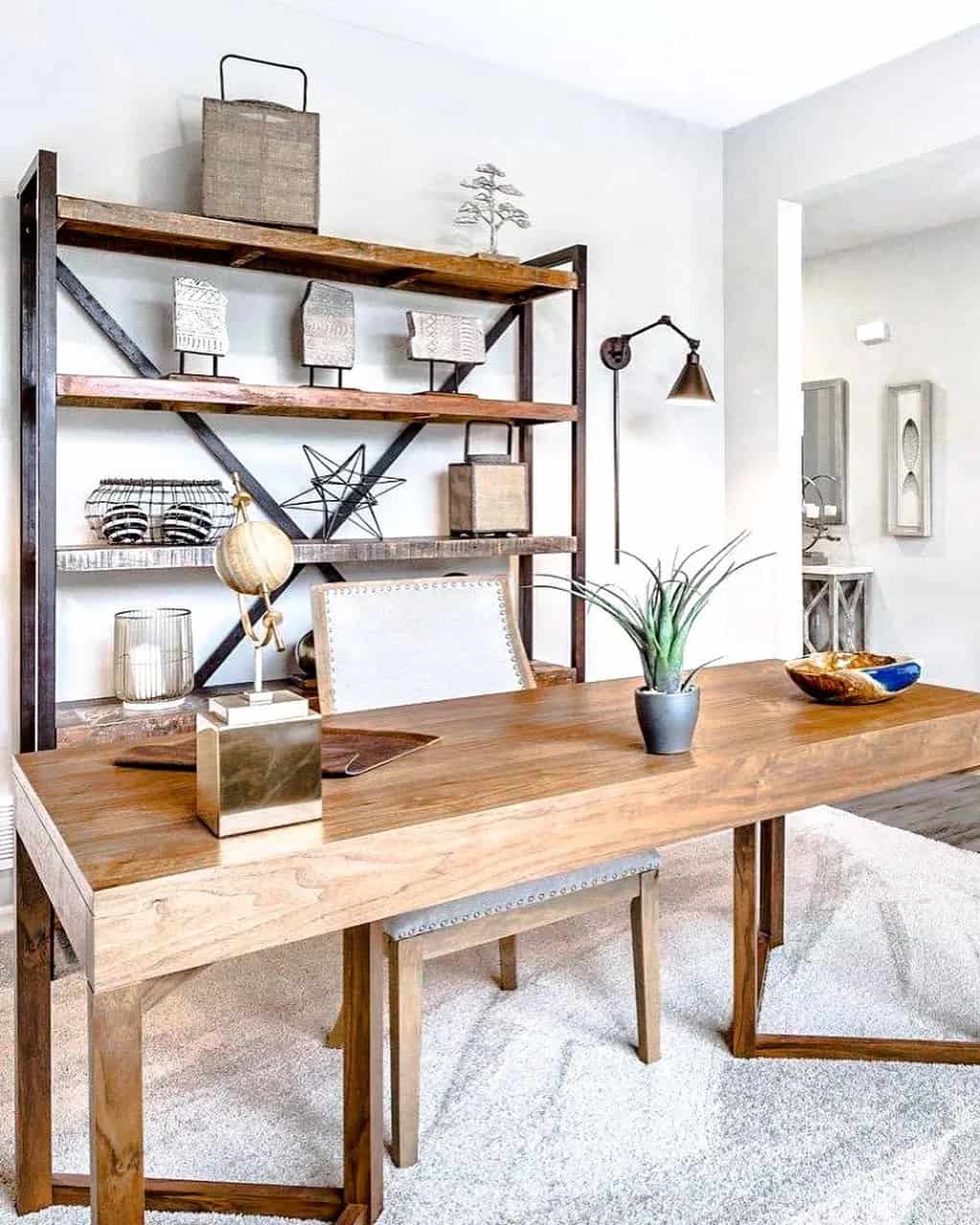
Credit: www.extraspace.com
Sound Control Strategies
Creating a quiet home office helps you stay focused. Sound control stops distractions from noise.
Use different tools and methods to reduce sound. This guide shows simple ideas to control noise well.
Noise-cancelling Tools
Noise-cancelling tools block or reduce unwanted sounds. They help create a calm work space at home.
- Use noise-cancelling headphones to block background sounds.
- Install soundproof curtains on windows and doors.
- Place door sweeps to seal gaps under doors.
- Use acoustic panels on walls to absorb sound.
Soft Furnishings
Soft furnishings absorb sound waves. They reduce echo and soften noise in your office.
| Soft Furnishing | Sound Control Benefit |
| Thick rugs | Absorb footstep noise |
| Upholstered chairs | Reduce sound reflection |
| Cushions and pillows | Soften room acoustics |
| Heavy curtains | Block outside noise |
White Noise Machines
White noise machines create steady background sound. They mask distracting noises and improve focus.
Benefits of white noise machines include:
- Cover sudden noises like traffic or voices
- Help maintain concentration during calls or tasks
- Easy to adjust volume and sound type
- Portable for use in any room
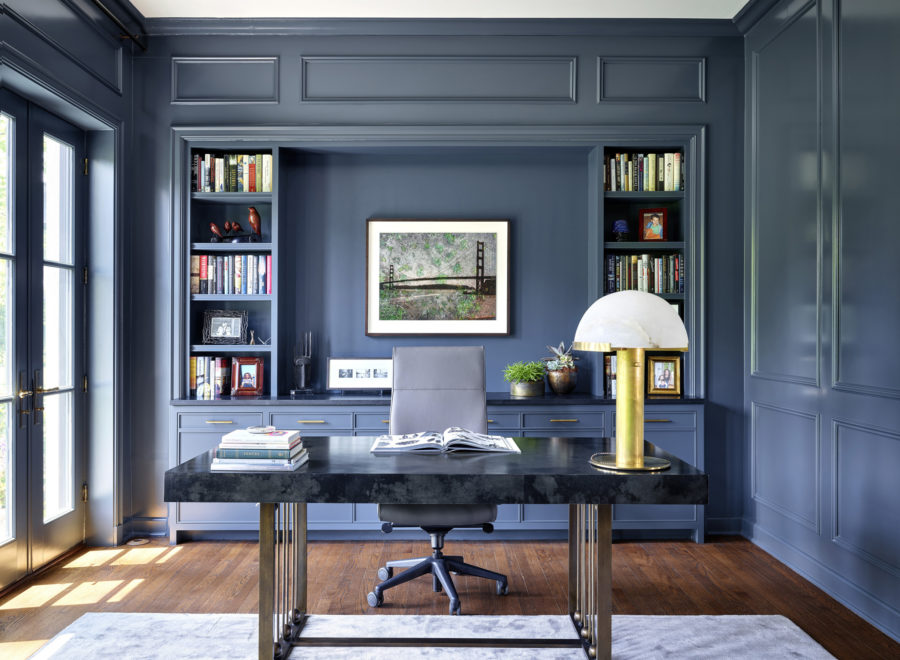
Credit: www.morgantewilson.com
Frequently Asked Questions
What Are The Best Colors For A Home Office Design?
Choosing calming colors like blue, green, or neutral tones boosts focus and reduces stress. Bright accents can add energy without distraction.
How Can I Maximize Space In A Small Home Office?
Use vertical storage, multi-functional furniture, and wall-mounted shelves. Keep your desk clutter-free to create an open, organized workspace.
What Lighting Is Ideal For A Productive Home Office?
Natural light is best for productivity and mood. Complement it with adjustable LED desk lamps to reduce eye strain during work hours.
How Do I Create Ergonomic Comfort In My Home Office?
Invest in an adjustable chair and desk. Position your screen at eye level and keep your feet flat on the floor for better posture.
Conclusion
Creating a home office that fits your needs helps you work better. Choose colors and furniture that make you feel calm and focused. Keep your space tidy to avoid distractions. Add personal touches to make it comfortable and inviting. Good lighting can boost your mood and energy.
Small changes can have a big impact on your workday. Start with simple ideas and adjust as you go. A well-designed home office makes working from home easier and more enjoyable.