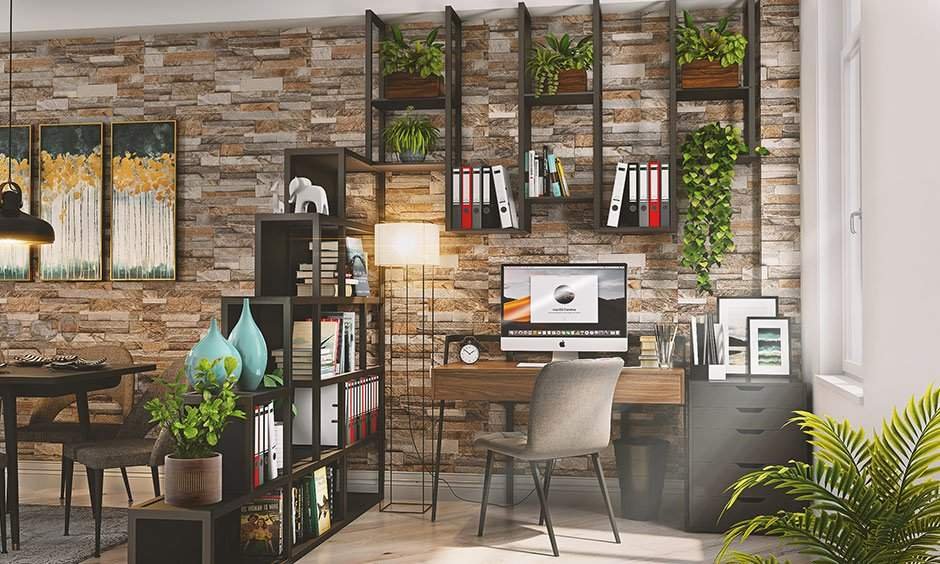
Your home office deserves more than just a desk and a chair—it needs the right light fixture to boost your focus and keep you energized. Imagine working in a space where the lighting helps reduce eye strain, lifts your mood, and makes every task easier.
Choosing the perfect light fixture isn’t just about brightness; it’s about creating an environment that supports your productivity and well-being. Stick with me, and you’ll discover simple tips to pick the ideal lighting that transforms your home office into a powerhouse of creativity and efficiency.

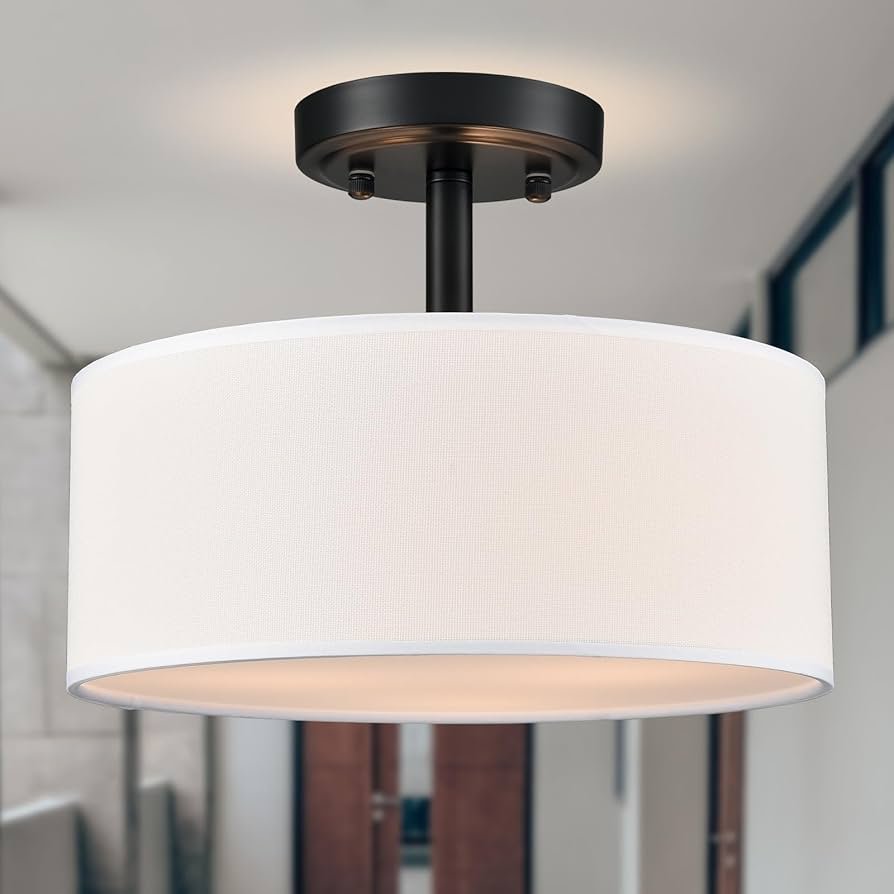
Credit: www.amazon.ca
Choosing The Right Light
Lighting is important in a home office. It affects your mood and productivity. Picking the right light helps you work well and avoid eye strain.
There are different types of light fixtures, brightness levels, and color temperatures. Knowing these can help you choose the best light for your space.
Types Of Light Fixtures
Light fixtures come in many styles. Some fit on the desk, while others hang from the ceiling. Each type has its use and benefits.
- Desk Lamps: Focused light for reading and tasks.
- Floor Lamps: Provide general light and save desk space.
- Ceiling Lights: Brighten the whole room evenly.
- Wall Sconces: Add soft light without taking floor space.
- Task Lights: Adjustable and direct light for detailed work.
Brightness Levels
Brightness is measured in lumens. Too much light can cause glare. Too little can strain your eyes. The right brightness helps you focus.
| Room Size | Recommended Lumens |
| Small (up to 100 sq ft) | 1,500 – 3,000 |
| Medium (100-200 sq ft) | 3,000 – 6,000 |
| Large (over 200 sq ft) | 6,000 – 8,000 |
Color Temperature Options
Color temperature shows how warm or cool a light looks. It is measured in Kelvins (K). Different temperatures suit different tasks.
- 2700K – 3000K: Warm white, good for relaxing.
- 3500K – 4100K: Neutral white, ideal for workspaces.
- 5000K – 6500K: Cool white, mimics daylight for focus.
Lighting Styles For Home Office
Choosing the right lighting helps create a productive home office. Different lights serve different purposes. Using a mix of lighting styles improves comfort and focus.
This guide covers three main lighting types. Each style has a role in making your workspace better. Learn how to use task, ambient, and accent lighting effectively.
Task Lighting
Task lighting shines directly on your work area. It reduces eye strain and helps you see details clearly. Desk lamps and adjustable lights are common choices.
- Desk lamps with adjustable arms
- Under-cabinet lights for extra brightness
- LED lights with focused beams
- Clamp lights that save desk space
Ambient Lighting
Ambient lighting fills the room with soft, even light. It creates a comfortable background without glare. Ceiling lights and floor lamps provide good ambient lighting.
| Light Type | Use | Example |
| Ceiling Lights | General room light | Flush mount fixture |
| Floor Lamps | Soft background light | Uplight floor lamp |
| Wall Sconces | Even room lighting | LED wall sconce |
Accent Lighting
Accent lighting adds style and focus to your office. It highlights artwork, plants, or shelves. Small spotlights or LED strips work well for accent lighting.
Benefits of Accent Lighting:
- Creates visual interest
- Enhances room decor
- Defines key areas in the office
- Offers flexible lighting options
Energy Efficiency And Sustainability
Choosing the right light fixture for your home office can save energy and help the environment. Energy-efficient lighting reduces electricity use and lowers your bills. Sustainable choices support a cleaner planet.
Using modern lighting options can make your workspace brighter and eco-friendly. This guide compares LED and traditional bulbs and explores smart lighting solutions.
Led Vs Traditional Bulbs
LED bulbs use less power than traditional bulbs like incandescent or halogen. They last longer and produce less heat. This reduces energy waste and the need to replace bulbs often.
| Feature | LED Bulbs | Traditional Bulbs |
|---|---|---|
| Energy Use | 10-15 watts | 60 watts |
| Lifespan | 25,000+ hours | 1,000 hours |
| Heat Emission | Low | High |
| Environmental Impact | Recyclable, less waste | More waste, contains harmful materials |
Smart Lighting Solutions
Smart lighting helps control your lights more efficiently. You can schedule or dim lights using apps or voice commands. This reduces energy use when you do not need full brightness.
- Set timers to turn lights off automatically
- Use motion sensors to light rooms only when occupied
- Adjust brightness to save energy and protect your eyes
- Control lights remotely to avoid waste
Credit: www.wayfair.com
Placement Tips For Optimal Lighting
Good lighting makes your home office a better place to work. Proper light helps reduce eye strain and keeps you focused.
Placing light fixtures in the right spots improves comfort and productivity. Follow these tips for the best setup.
Desk Lighting Position
Place your desk light so it shines directly on your work area. This helps you see clearly without shadows on your papers or screen.
Adjust the height and angle of the light to cover your whole desk. Use adjustable lamps for flexible lighting.
- Set the light slightly above eye level
- Keep the light focused on your task area
- Use lamps with adjustable arms or heads
- Balance natural light with artificial lighting
Avoiding Glare And Shadows
Glare makes it hard to see your screen and causes headaches. Shadows can hide important details on your desk.
Position lights to reduce glare and shadows. Avoid placing lights directly behind or in front of your eyes.
- Use diffused light sources to soften brightness
- Place lights at an angle to your screen
- Keep light away from reflective surfaces
- Use shades or filters on bright bulbs
Design And Aesthetics
Choosing the right light fixture for your home office affects both function and style. The design sets the mood and supports your work needs.
Light fixtures come in many styles. Some look modern, while others have a classic feel. Each style can change your space’s look.
Modern Vs Classic Fixtures
Modern fixtures often have clean lines and simple shapes. They use materials like metal and glass. Classic fixtures may include ornate details and warm finishes.
- Modern fixtures suit minimalist and contemporary spaces.
- Classic fixtures fit well in traditional or vintage rooms.
- Modern lights focus on efficiency and sleek design.
- Classic lights emphasize elegance and detailed craftsmanship.
Matching Decor And Lighting
To create harmony, your light fixture should match your room’s decor. Consider color, texture, and style when selecting lighting.
| Decor Style | Suggested Fixture Style | Common Materials |
| Modern | Minimalist, geometric shapes | Metal, glass, matte finishes |
| Classic | Ornate, curved designs | Brass, wood, crystal |
| Industrial | Raw, exposed elements | Iron, steel, Edison bulbs |
| Scandinavian | Simple, natural forms | Wood, white, soft fabrics |

Credit: www.amazon.ca
Budget-friendly Lighting Options
Lighting can change the look of your home office. You don’t need to spend a lot to get good results.
Here are some affordable ways to light up your workspace. These ideas will help you work better and feel more comfortable.
Affordable Fixtures
Affordable light fixtures can add style to your office. They are easy on the wallet and look great.
- Table lamps with adjustable necks
- Wall-mounted LED lights
- Under-cabinet strip lighting
- Clip-on desk lamps
Diy Lighting Ideas
DIY projects can be fun and save money. You can make your own light fixtures with simple materials.
Use mason jars and LED bulbs to create unique lamps.
| Material | Use |
| Mason jars | Create lamps |
| String lights | Decorate walls |
| Wooden pallets | Make lamp bases |
Frequently Asked Questions
What Is The Best Light Fixture For A Home Office?
The best light fixture for a home office provides bright, even lighting without glare. LED fixtures with adjustable brightness are ideal. They reduce eye strain and improve focus during work hours.
How To Choose Lighting For A Small Home Office?
Choose compact, multi-functional fixtures for small home offices. Task lighting combined with ambient light works well. Use adjustable desk lamps or wall-mounted fixtures to save space and ensure adequate illumination.
Are Led Lights Good For Home Office Lighting?
Yes, LED lights are energy-efficient and long-lasting. They offer bright, consistent light that reduces eye fatigue. LEDs are available in various color temperatures to create a comfortable workspace.
What Color Temperature Suits A Home Office Light Fixture?
A color temperature between 4000K and 5000K is ideal. This range mimics natural daylight and enhances alertness and productivity. Avoid overly warm or cool lights as they may cause discomfort.
Conclusion
Choosing the right light fixture brightens your home office space. Good lighting helps you stay focused and reduces eye strain. Select a fixture that fits your room size and style. Soft, warm light creates a calm and inviting mood. Adjustable lights give you control over brightness and direction.
A well-lit office improves comfort and productivity each day. Simple changes can make a big difference in your work environment. Light up your space wisely for better work hours ahead.