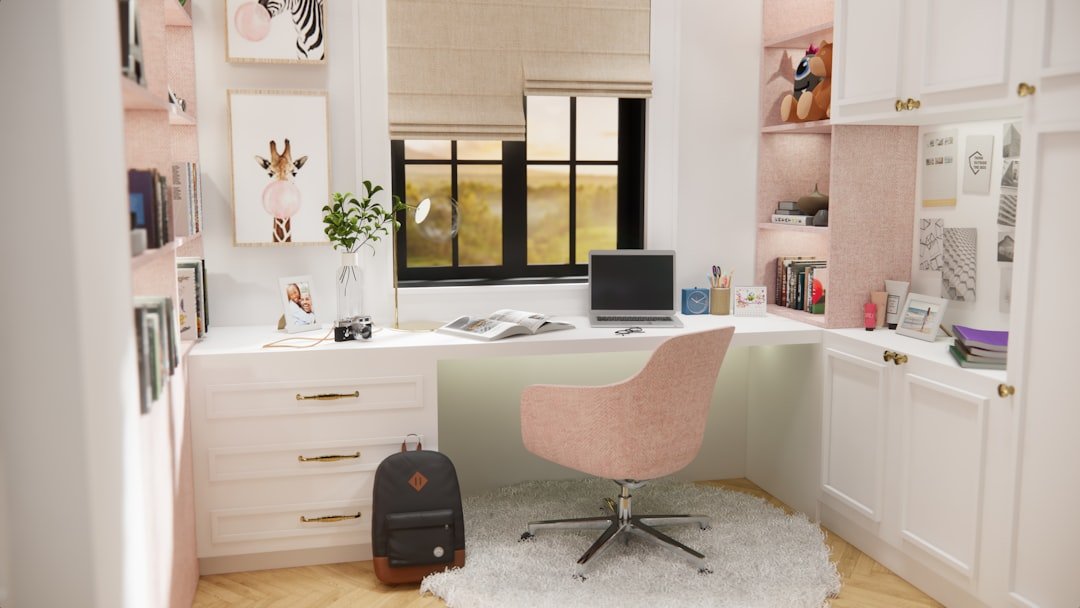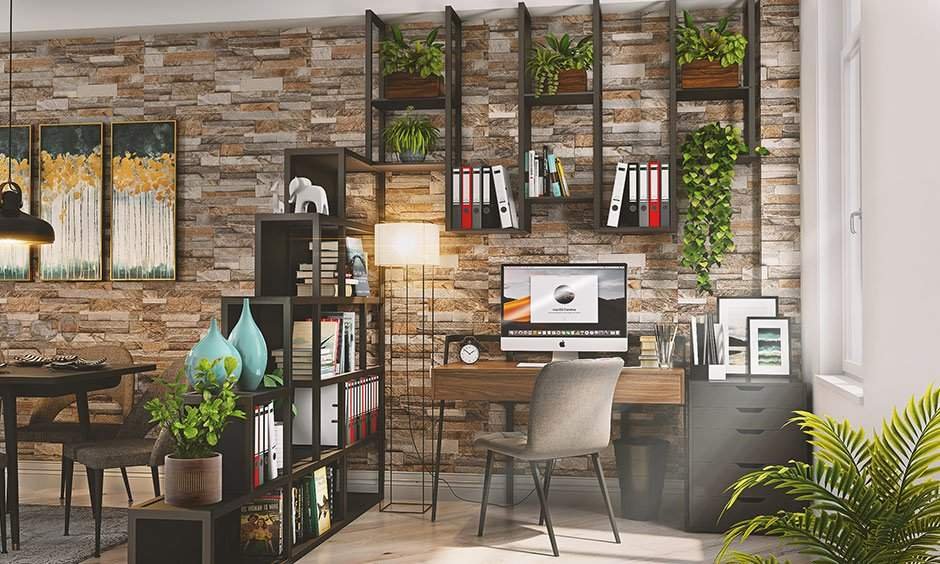
Your home office lighting can make or break your workday. Imagine feeling energized and focused every time you sit down at your desk.
The right lighting doesn’t just brighten your space—it boosts your mood, reduces eye strain, and helps you stay productive. If you’ve been struggling with dull or harsh light, this guide is for you. Keep reading to discover simple, effective lighting ideas that will transform your home office into a place where you love to work.

Credit: www.roomandboard.com
Choosing The Right Light Type
Good lighting helps you work better and feel comfortable. Picking the right light type is important for your home office.
Different lights affect your mood and productivity. Let’s explore the best options for your workspace.
Natural Light Benefits
Natural light is the best source for any office. It reduces eye strain and improves focus. It also helps keep your body clock steady.
- Boosts mood and energy
- Reduces headaches and tired eyes
- Helps you feel more awake
- Can lower electricity bills
Led Vs Incandescent
| Feature | LED | Incandescent |
| Energy Use | Low | High |
| Heat Emission | Low | High |
| Lifespan | Long | Short |
| Cost | Higher upfront | Lower upfront |
| Light Quality | Bright, cool or warm | Warm |
LED bulbs use less power and last longer. Incandescent bulbs give warm light but waste energy. Choose LED for efficiency and cost savings.
Task Lighting Options
Task lighting focuses light where you need it most. It helps reduce shadows and glare while working.
- Desk lamps with adjustable arms
- Clamp lights to save desk space
- Under-shelf lights for close work
- LED strip lights for even brightness
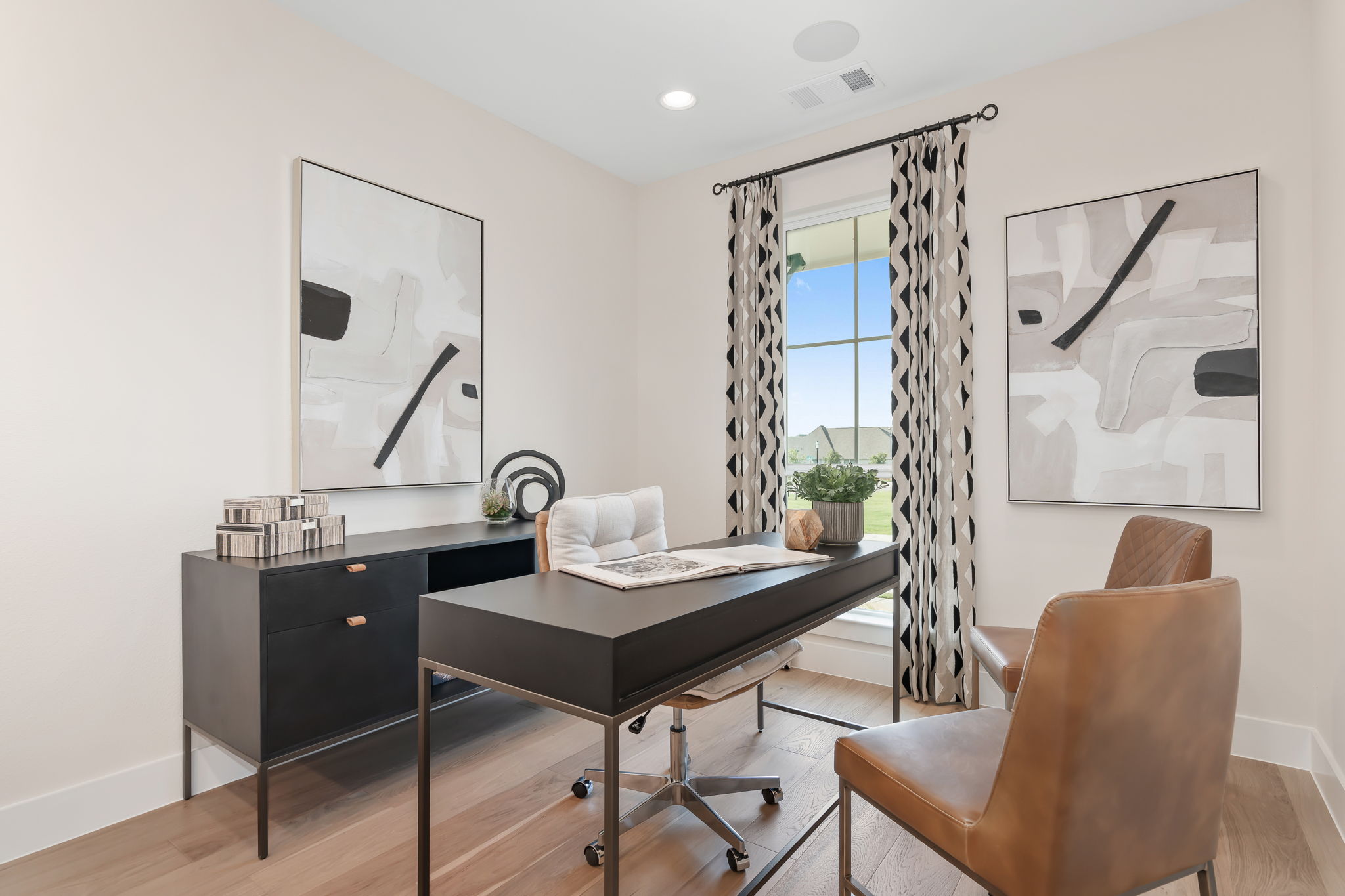
Credit: www.amlegendhomes.com
Optimizing Light Placement
Good lighting makes your home office comfortable and productive. Placing lights correctly helps reduce eye strain and improves focus.
We will look at three key areas to place your lights well. These include desk lamps, overhead lighting, and controlling glare and shadows.
Desk Lamp Positioning
Place your desk lamp on the side opposite your writing hand. This avoids casting shadows on your work. Keep the lamp close enough to light your desk well.
- Use adjustable lamps to direct light where needed.
- Choose warm light bulbs to reduce eye fatigue.
- Position lamps at a 45-degree angle from your eyes.
Overhead Lighting Setup
Overhead lights provide general illumination. Use bright but soft lights to fill the room evenly. Avoid placing lights directly above your screen.
| Type of Overhead Light | Best Use | Notes |
| Flush Mount | Small rooms | Even light spread |
| Recessed Lighting | Modern offices | Minimal glare |
| Pendant Lights | Large spaces | Focused light areas |
Reducing Glare And Shadows
Glare and shadows cause eye strain and reduce comfort. Use soft light sources and position them to avoid reflections on screens.
Try these tips to reduce glare and shadows:
- Use matte screen protectors to cut reflections.
- Place lights to the side instead of directly in front.
- Use diffusers or lampshades to soften light.
- Adjust blinds or curtains to control natural light.
Color Temperature Effects
Lighting plays a key role in a home office. The color temperature of light affects how you work and feel.
Choosing the right light color can improve comfort, focus, and mood during work hours.
Warm Vs Cool Light
Warm light shows more yellow and orange tones. It feels cozy and calm.
Cool light has blue and white tones. It feels bright and sharp.
- Warm light: 2700K to 3000K
- Cool light: 4000K to 6500K
- Warm light suits relaxed tasks and breaks
- Cool light suits detailed work and reading
Impact On Focus And Mood
Cool light helps keep you alert. It can improve focus during tough tasks.
Warm light helps you relax. It can reduce stress after long work hours.
- Use cool light for intense work sessions
- Switch to warm light for breaks or creative work
- Balance light to avoid eye strain and fatigue
Adjustable Color Settings
Many lamps let you change color temperature. This helps match light to your needs.
Adjusting light throughout the day supports your natural body clock.
- Start with cool light in the morning
- Use neutral light midday
- Switch to warm light in the evening
- Use dimmers to control brightness
Creative Lighting Ideas
Lighting can change how your home office feels and works. Good lighting helps you focus and feel comfortable.
Try new lighting styles to make your workspace bright and inspiring. Creative lighting can boost your mood and productivity.
Accent Lighting Techniques
Accent lighting highlights parts of your office like artwork or shelves. It adds depth and interest to your room.
Use lamps or LED strips to focus light on objects. This creates a cozy and stylish environment.
- Spotlights for artwork or decorations
- LED strips under shelves or desks
- Table lamps with adjustable arms
- Wall sconces to add soft light
Smart Lighting Solutions
Smart lights let you control brightness and color with your phone. You can change settings without leaving your desk.
Set timers or use voice commands for easy light control. This helps you keep the perfect light all day.
- Adjust light color for day and night
- Use voice control with smart speakers
- Set schedules to save energy
- Control multiple lights at once
Using Plants And Lights Together
Combine plants with lighting to make your office fresh and lively. Plants look great with soft or warm light.
Place lights near plants to highlight their colors. This adds natural beauty and a calm feeling to your space.
- Use grow lights for indoor plants
- Place small spotlights on plant pots
- Choose plants that like low light
- Mix natural and artificial light
Budget-friendly Lighting Tips
Good lighting helps you work better in your home office. You do not need to spend a lot to get nice light.
Here are simple ideas to save money on lighting. These tips make your workspace bright and cozy.
Affordable Fixtures
Look for lighting fixtures that cost less but still look good. Simple lamps and basic ceiling lights work well.
Stores often have sales on lights. Check for discounts to buy quality fixtures at low prices.
- Use desk lamps with LED bulbs
- Choose floor lamps with simple designs
- Find ceiling lights with basic covers
- Buy secondhand lights in good shape
Diy Light Enhancements
You can improve your lighting by making small changes yourself. This saves money and adds style.
Try adding reflectors or shades to control light direction. Use white paper or foil to brighten dark spots.
- Attach white cardboard behind lamps to reflect light
- Use cloth or paper shades to soften harsh light
- Make your own lamp stand with wood or metal
- Paint walls light colors to increase brightness
Energy-saving Practices
Saving energy lowers your bills and helps the environment. Use smart habits to reduce light use.
Turn off lights when not needed. Use natural daylight as much as possible during the day.
- Use LED bulbs for low power use
- Place desk near windows for daylight
- Switch off lights in empty rooms
- Use timers or motion sensors to control lights
Maintaining Lighting For Productivity
Good lighting helps you stay focused and productive in your home office. It is important to maintain proper lighting to keep your workspace efficient.
Learn how to care for your lights and adjust them as needed. This will help you work better and reduce eye strain.
Regular Light Maintenance
Regular maintenance ensures your lights work well. Check your bulbs often and replace them if they are dim or flickering.
Clean your light fixtures every month. Dust and dirt can reduce their brightness.
- Inspect bulbs monthly
- Replace dim or flickering bulbs
- Clean fixtures regularly
Adjusting For Seasonal Changes
Seasons affect how much natural light enters your office. Adjust your lighting to match these changes.
In winter, use brighter lights as natural light is less. In summer, rely more on natural light to save energy.
- Increase artificial light in winter
- Use natural light in summer
- Position your desk near windows
Ergonomic Lighting Habits
Ergonomic lighting prevents eye strain and helps you work comfortably. Place your light source behind your computer screen to reduce glare.
Avoid direct light on your screen. Use adjustable lamps to direct light where needed.
| Habit | Benefit |
| Adjustable lamp | Direct light where needed |
| Light behind screen | Reduces glare |
| Indirect lighting | Prevents eye strain |

Credit: www.designcafe.com
Frequently Asked Questions
What Is The Best Lighting For A Home Office?
The best lighting combines natural light with adjustable LED desk lamps. This reduces eye strain and boosts productivity. Soft, warm light creates a comfortable ambiance without glare. Position lights to avoid screen reflections and shadows on work surfaces.
How Can I Reduce Eye Strain With Home Office Lighting?
Use adjustable, flicker-free LED lights with a color temperature of 4000K to 5000K. Position lights to minimize glare on screens. Incorporate natural daylight and take regular breaks to rest your eyes. Proper lighting balance reduces fatigue and improves focus.
Should I Use Warm Or Cool Light In My Home Office?
Cool white light (4000K-5000K) is ideal for focus and alertness during work. Warm light (2700K-3000K) creates a relaxing environment for breaks. Combining both types helps maintain productivity and comfort throughout the day.
How Important Is Natural Light In A Home Office?
Natural light enhances mood, energy, and productivity in a home office. It reduces reliance on artificial lighting and helps regulate circadian rhythms. Position your desk near windows to maximize daylight exposure while managing glare with blinds or curtains.
Conclusion
Good lighting makes your home office a better place to work. Choose lights that reduce glare and brighten your space. Mix natural light with soft lamps for comfort. Bright, clear light helps you stay focused and less tired. Small changes can improve your mood and work quality.
Try different lighting setups to find what suits you best. Your workspace can feel cozy and productive with the right light. Keep it simple and practical for daily use.