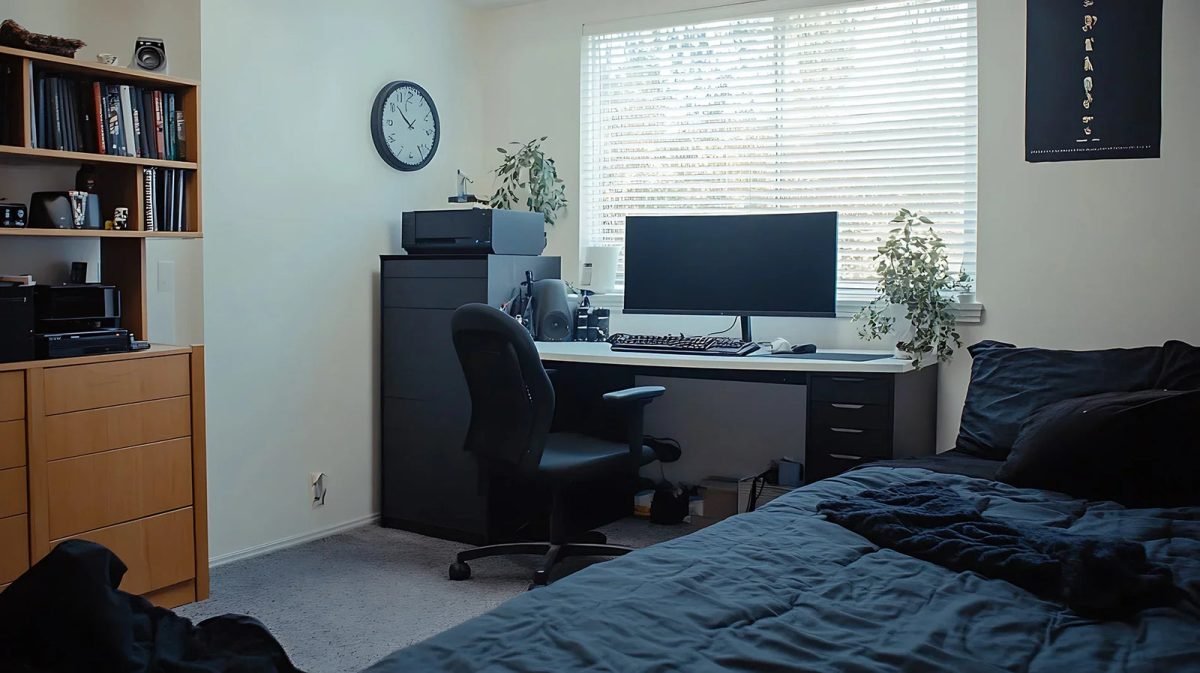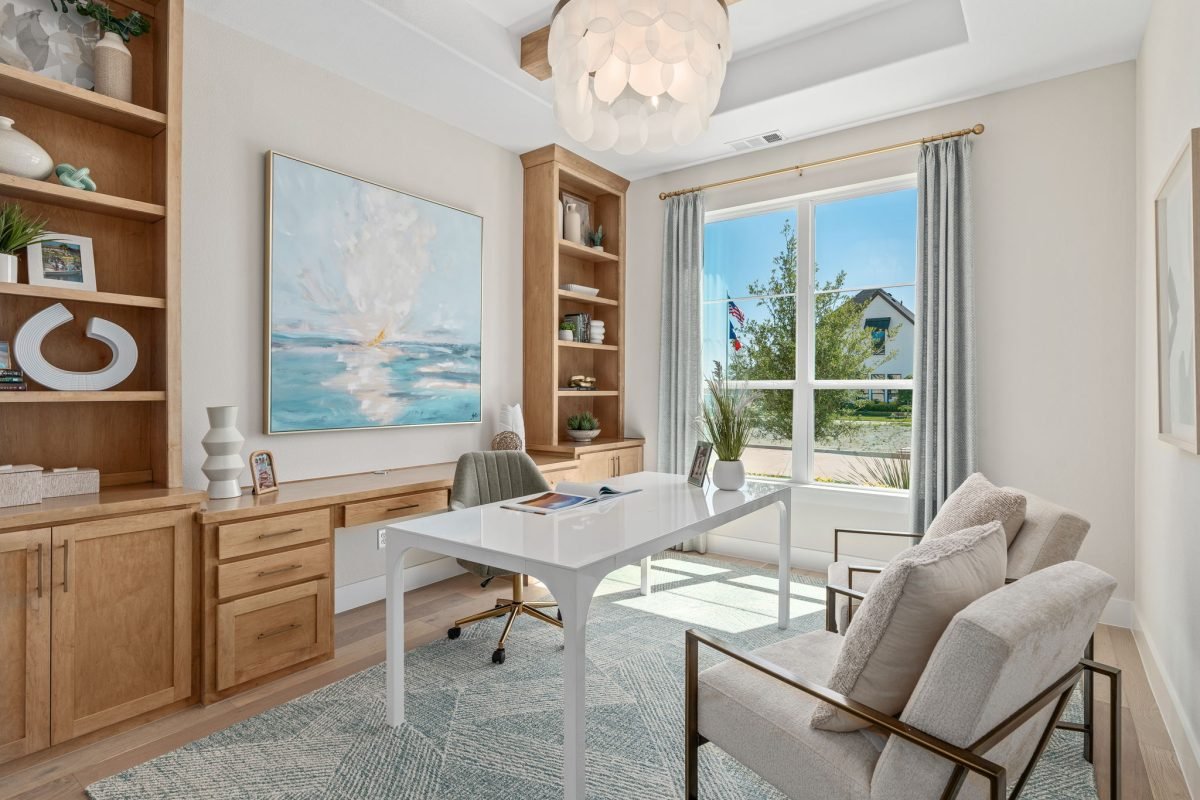
Your living room is more than just a place to relax—it can become your perfect home office. Imagine a workspace that fits seamlessly into your daily life without taking over your entire home.
With the right ideas, you can create a spot that boosts your focus, sparks creativity, and keeps you comfortable all day long. Ready to transform your living room into a productive, stylish office? Keep reading to discover easy and effective tips that will change the way you work from home.
Choosing The Right Space
Finding the right spot in your living room for a home office is important. It should be quiet and have good light.
Pick a space that fits your work needs and does not disturb daily living activities.
Maximizing Small Areas
Small spaces can work well if you use them wisely. Choose a desk that fits and does not take much room.
Use vertical storage to keep things organized. This saves floor space and keeps your area tidy.
- Use wall shelves for books and files
- Pick a foldable or compact desk
- Choose chairs that fit the space
- Keep only necessary items on the desk
Utilizing Unused Corners
Unused corners in the living room can become a good workspace. Corners give some privacy and quiet.
Add a corner desk or a small table. Use shelves above to keep office supplies handy.
- Place a desk that fits the corner shape
- Add a comfortable chair that moves easily
- Use vertical space with wall-mounted storage
- Keep lighting bright with a desk lamp
Balancing Living And Working Zones
Separate your work area from your living space. This helps you focus and relax after work.
Use rugs, screens, or furniture to mark the work zone. Keep work items away when not working.
- Use a room divider or bookshelf to split zones
- Choose different rugs for work and living areas
- Store work tools in drawers or boxes
- Keep work hours and relax hours clear
Furniture For Dual Use
Living rooms often serve many purposes. Adding a home office makes the space more useful. Choosing furniture that works for both helps save room.
Dual-use furniture blends style and function. It creates a workspace without crowding your living area. Here are ideas to get started.
Compact Desks
Compact desks fit small spaces well. They offer enough room for a laptop and office supplies. Some fold up to clear floor space when not in use.
- Wall-mounted foldable desks save floor space
- Desks with slim legs or open frames keep the room airy
- Corner desks use often-unused space efficiently
- Desks with built-in charging ports reduce clutter
Multi-functional Seating
Seating that works for both work and relaxation is ideal. Choose chairs that support good posture and look good in the living room. Some pieces offer extra features for comfort and storage.
| Type | Features | Best Use |
|---|---|---|
| Ergonomic office chair | Adjustable height, lumbar support | Long work sessions |
| Ottoman with storage | Hidden compartment, cushioned top | Footrest and supply storage |
| Convertible armchair | Reclines or folds into guest bed | Work breaks and visitors |
Storage-integrated Furniture
Furniture with built-in storage keeps work tools tidy. This helps keep the living room neat and organized. Look for smart designs that blend with your decor.
- Bookshelves with desk surfaces
- Coffee tables with drawers or shelves
- Benches with hidden storage compartments
- Side tables with cable management
Smart Storage Solutions
Living rooms often double as home offices. Keeping them tidy helps focus and relax.
Smart storage solutions save space and keep work items organized. They fit well in shared rooms.
Wall-mounted Shelves
Wall-mounted shelves free up floor space. They keep books, files, and decor within reach.
Use different shelf sizes to store items of various heights. This adds visual interest and function.
- Install shelves above the desk for easy access
- Use floating shelves for a clean, modern look
- Add small baskets on shelves to hold loose items
Hidden Storage Ideas
Hidden storage keeps your office clutter out of sight. It helps maintain a neat living room.
Look for furniture with built-in storage like ottomans or benches. These pieces hide supplies well.
- Use storage ottomans to keep files and cables
- Choose desks with drawers that close tightly
- Store supplies in decorative boxes under tables
Organizers For Desk Clutter
Desk organizers help keep small items in order. They make your workspace tidy and efficient.
Sort pens, papers, and gadgets using trays and holders. This reduces distractions and saves time.
- Use pen cups for writing tools
- Place paper trays to separate documents
- Add cable clips to manage charging cords

Credit: www.digsdigs.com
Lighting For Productivity And Ambiance
Good lighting helps you work better and feel calm in your living room home office. It balances bright light for focus and soft light for comfort.
Using the right mix of lighting types can improve your mood and make tasks easier. Let’s explore ways to light your space well.
Natural Light Optimization
Natural light is the best light for your home office. It boosts energy and reduces eye strain. Place your desk near windows to get the most sunlight.
Use light curtains to soften harsh sun rays without blocking light. Keep windows clean to let in more daylight.
- Face your desk toward the window for direct light
- Use sheer curtains to reduce glare
- Keep window areas free of clutter
- Use mirrors to reflect light into darker areas
Task Lighting Options
Task lighting helps you see details clearly while working. Desk lamps with adjustable arms are ideal. They let you direct light where you need it most.
Choose bulbs with cool white light for focus. Make sure task lights do not cause shadows or glare on your work area.
- Adjustable desk lamps for focused light
- Clip-on lamps for flexible placement
- LED bulbs with high brightness and cool tones
- Anti-glare covers to protect your eyes
Ambient Lighting Tips
Ambient lighting sets the overall mood in your room. Soft, warm lights create a cozy feeling and reduce eye fatigue. Use lamps or ceiling lights with dimmers to adjust brightness.
Layer your lighting by combining ambient light with task and natural light. This mix keeps your space inviting and functional all day.
- Use warm white bulbs for a relaxing glow
- Install dimmer switches to control light levels
- Place floor lamps in corners to spread light evenly
- Combine ceiling lights with table lamps for balance
Decor To Blend Work And Home
Creating a living room home office means mixing comfort with productivity. Your space should feel welcoming yet support your daily tasks.
Good decor helps you focus and keeps your home vibe intact. Let’s explore ideas to balance both needs.
Color Schemes For Focus
Choose colors that calm and energize. Soft blues and greens help reduce stress. Light grays keep the space neutral and clean.
- Use pale shades on walls to avoid distraction
- Add bright accents like yellow or orange for energy
- Keep your desk area simple with white or beige
Incorporating Personal Style
Make the office part of your home by adding personal touches. This keeps the space inviting and less formal.
Ideas to add your style:
- Use your favorite throw pillows on a nearby couch
- Place a cozy rug under your desk
- Display your favorite books and plants
- Choose furniture that matches your home’s style
Artwork And Accessories
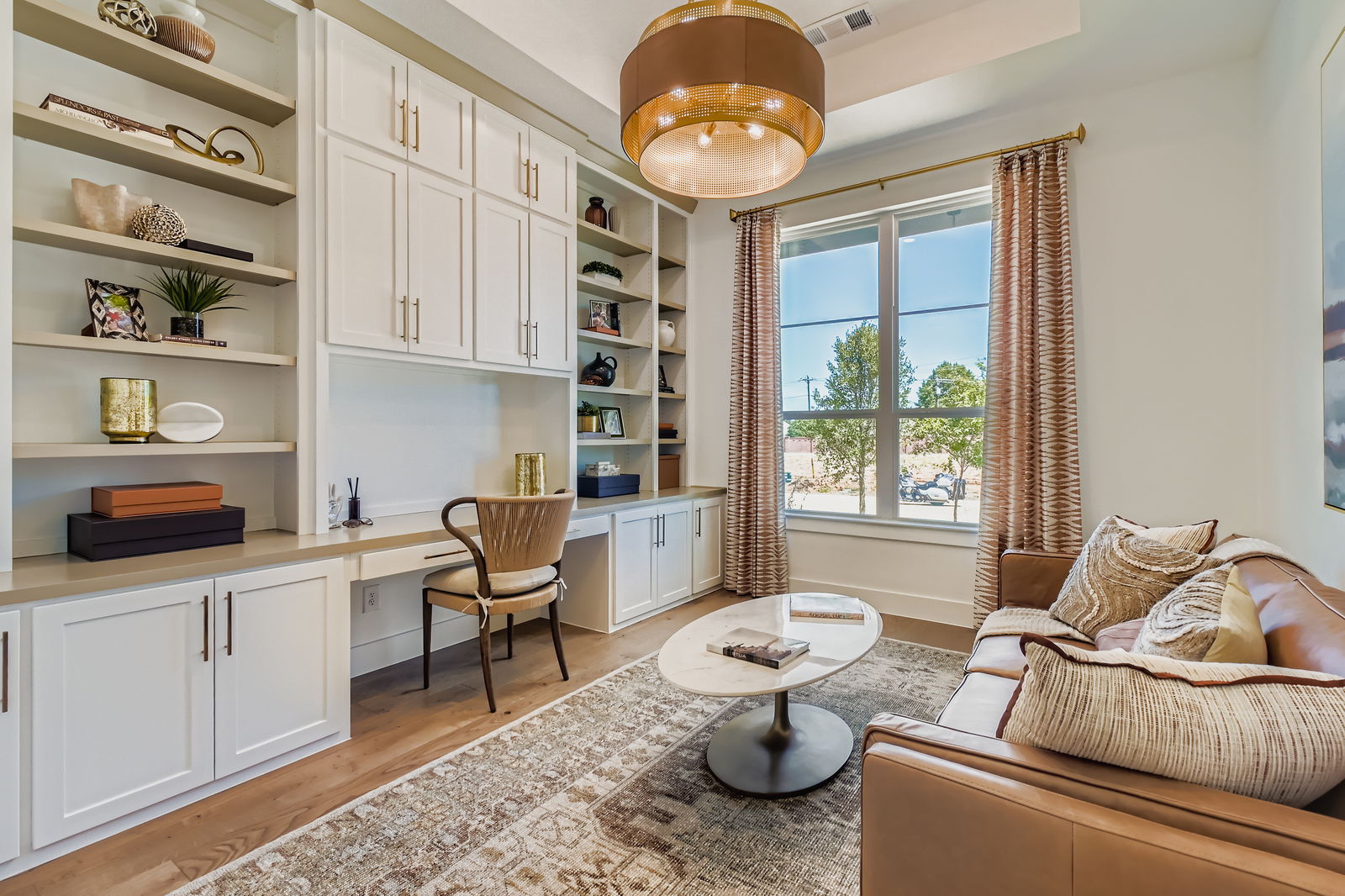
Artwork and small accessories bring life and focus to your workspace. Choose pieces that inspire but do not clutter.
| Accessory | Benefit | Placement |
| Framed Prints | Inspire creativity | Above desk or on side walls |
| Desk Organizer | Keep supplies tidy | On desk surface |
| Table Lamp | Provide warm light | Next to computer or reading area |
| Green Plants | Improve air and mood | Corner or windowsill |
Credit: www.amlegendhomes.com
Tech Setup And Cable Management
Setting up a living room home office requires careful planning. Gadgets, wireless solutions, and tidy cables help maintain an efficient workspace.
Explore essential tech setups and cable management ideas to transform your living area into a productive office.
Essential Gadgets
Gadgets are vital in a home office for efficiency. Choose devices that suit your needs and enhance productivity.
- Laptop or desktop computer for daily tasks
- Printer and scanner for document handling
- Noise-canceling headphones for focus
Wireless Solutions
Wireless solutions reduce clutter and improve connectivity. They make your workspace more organized and flexible.
Consider these wireless options:
- Wireless keyboard and mouse for a clean desk
- Bluetooth speakers for conference calls
- Wi-Fi extenders to boost internet speed
Tidy Cable Techniques
Managing cables is key to a neat workspace. Use techniques that keep cables organized and accessible.
| Technique | Description |
| Cable Ties | Bind cables together neatly |
| Cable Clips | Attach cables to desk edges |
| Cable Sleeves | Cover multiple cables in one sleeve |
Creating Privacy And Quiet
Designing a living room home office can be challenging. You need privacy and quiet to focus. These ideas will help create a peaceful workspace at home.
Room Dividers And Screens
Room dividers help separate your workspace from the rest of the living room. They offer privacy and define your office area.
- Folding screens are easy to move and store.
- Bookshelves can act as dividers and provide storage.
- Sliding panels add a modern touch and are space-saving.
Soundproofing Tips
Soundproofing your home office is important for concentration. Reduce noise with simple tricks to improve your workspace.
- Install heavy curtains to block outside noise.
- Use rugs to absorb sound.
- Add weather stripping to doors to seal gaps.
Noise-reducing Accessories
Accessories can help minimize distractions. They enhance the quiet atmosphere in your home office.
| Accessory | Function |
| Noise-canceling headphones | Block background noise |
| Soundproof panels | Absorb sound waves |
| White noise machine | Mask disruptive sounds |

Credit: www.digsdigs.com
Flexible Layouts For Changing Needs
Living rooms often serve many purposes, especially when used as home offices. Flexible layouts help you adjust the space quickly and easily.
Designing with flexibility allows your room to change with your work and lifestyle needs.
Movable Furniture
Movable furniture lets you change the room setup without much effort. Chairs and desks on wheels are great for this.
You can create different zones by shifting pieces around. This makes the room useful for both work and relaxation.
- Rolling desks and chairs
- Lightweight tables
- Folding chairs and stools
- Modular sofas and ottomans
Convertible Workspaces
Convertible workspaces change form to fit your needs. Desks that fold up or hide away save space.
Some designs include wall-mounted desks or tables that double as shelves. These keep your room tidy and flexible.
- Fold-down desks
- Wall-mounted workstations
- Desks with storage compartments
- Tables that convert to shelves
Seasonal Adjustments
Adjust your living room office for different seasons. Light fabrics and colors work well in summer.
In winter, add cozy throws and warm lighting. Changing decor helps keep the space comfortable all year.
- Switch curtains by season
- Use rugs to add warmth
- Change cushions for comfort
- Adjust lighting for daylight hours
Frequently Asked Questions
How Can I Create A Functional Living Room Home Office?
Choose a quiet corner with natural light. Use compact desks and ergonomic chairs. Add storage solutions to keep clutter minimal and maintain a cozy living room vibe.
What Are Space-saving Furniture Ideas For Living Room Offices?
Opt for foldable desks, wall-mounted shelves, and multi-functional furniture. These pieces maximize space without compromising comfort or style, perfect for small living rooms.
How To Separate Living Room And Office Areas Effectively?
Use room dividers, rugs, or bookcases as visual barriers. These create a clear distinction between work and relaxation zones without major renovations.
What Lighting Is Best For A Living Room Home Office?
Use a mix of natural light, task lamps, and ambient lighting. Adjustable lamps reduce eye strain and enhance productivity during work hours.
Conclusion
Creating a home office in your living room can be simple and effective. Use space wisely to keep work and relaxation separate. Choose furniture that fits well and supports good posture. Natural light helps you stay focused and feel better.
Keep your area tidy to reduce stress and distractions. Small changes make a big difference in comfort and productivity. Your living room can be both a cozy space and a smart workspace. Try these ideas to find what works best for you.