
Your living room walls hold more potential than you might think. With the right painting project, you can completely transform the feel of your space, making it more inviting, stylish, and uniquely yours.
Imagine walking into a room that instantly lifts your mood and impresses every guest. That’s exactly what a well-planned wall painting project can do for you. Ready to discover simple yet stunning ideas that will breathe new life into your living room?
Keep reading, because your perfect wall makeover starts here.
Color Choices
Choosing the right colors for your living room walls changes the room’s mood. Colors can make the space feel cozy, bright, or calm.
Think about your style and how you want to feel in the room before picking colors.
Bold Vs Neutral Shades
Bold colors like red or navy blue bring energy and life to a room. They work well for accent walls or large spaces.
Neutral shades such as beige, gray, or soft white create calm and make rooms look bigger. They fit any style and are easy to match.
- Bold colors add drama and focus
- Neutral colors offer peace and balance
- Use bold colors for accents
- Neutral colors work for main walls
Trending Colors
This year, soft greens and warm terracotta are popular for living rooms. These colors bring nature inside and feel fresh.
Deep blues and muted yellows also appear in many modern designs. They add personality without overwhelming the space.
- Soft green
- Warm terracotta
- Deep blue
- Muted yellow
Seasonal Palettes
Change colors based on the seasons to keep your living room lively. Light pastels work well in spring and summer.
In fall and winter, use warm colors like burnt orange or deep red. These colors feel cozy and inviting.
- Spring/Summer: pastel pink, light blue, soft lavender
- Fall/Winter: burnt orange, deep red, dark green

Credit: www.goodhousekeeping.com
Accent Walls
Accent walls add a special touch to your living room. They draw attention and create a focal point.
Using paint on one wall can change the whole room’s feel. It is an easy way to refresh your space.
Single Color Impact
Painting one wall in a bold color makes it stand out. It brings energy and style to your living room.
Choose a color that matches your furniture and decor. Dark or bright colors work well for accent walls.
Patterns And Textures
Adding patterns or textures creates depth and interest. Stripes, geometric shapes, or textured paint are good options.
These designs make your wall unique and stylish. They add a creative touch without too much effort.
- Stripes can make the room look taller or wider
- Geometric shapes add a modern feel
- Textured paint gives a cozy and warm look
Creative Techniques
Try techniques like sponging, stenciling, or color blocking for a fun effect. These make your wall stand out.
These methods let you add art without buying decorations. You can change the style anytime you like.
- Sponging creates a soft, textured look
- Stenciling adds detailed patterns easily
- Color blocking uses bold shapes of color
Murals And Artwork
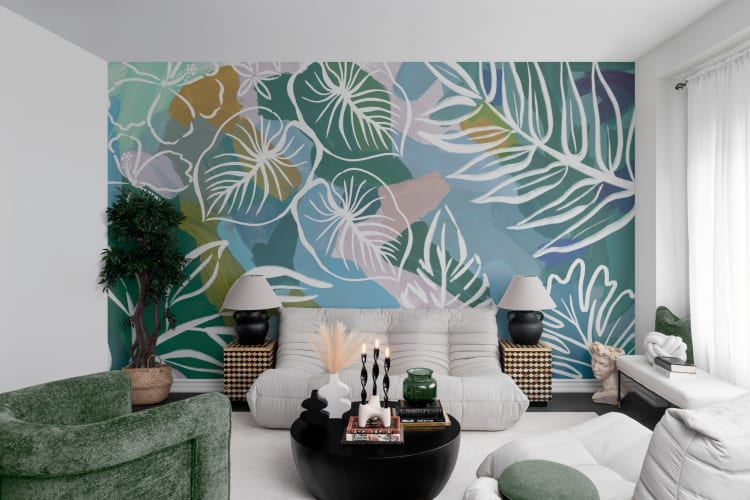
Living room walls offer a great space to show creativity. Murals and artwork can make the room feel lively and unique.
Painting projects on walls can change the mood. They bring color, style, and personality to your home.
Diy Wall Murals
DIY wall murals let you personalize your space. You can create simple or complex designs using paint and brushes.
Start with a sketch, then fill it in with colors. This project is fun and saves money.
- Choose a theme that fits your room
- Use painter’s tape for clean lines
- Test paint colors on a small area first
- Work in layers for better coverage
- Protect floors and furniture before painting
Stencils And Decals
Stencils and decals make wall painting easy. They help you add patterns and shapes without freehand skills.
Stencils need paint applied over them. Decals stick on the wall like stickers and can be removed later.
- Stencils create repeated designs quickly
- Decals offer variety in style and size
- Both options save time and effort
- Good for renters who want temporary art
- Combine stencils and decals for unique looks
Commissioned Art Pieces
Commissioned art pieces are made by artists for your space. They add a special and original touch to your living room.
You can choose styles, colors, and themes with the artist. This makes the artwork fit your taste and room decor.
- Discuss ideas clearly with the artist
- Set a budget before starting
- Review sketches before final painting
- Commission art for a personal story or theme
- Supports local and independent artists
Finish Types
Choosing the right finish for your living room walls changes the room’s look. Different finishes give different effects and feelings.
Paint finishes affect shine, texture, and how easy the walls are to clean. Here are some common finish types for living rooms.
Matte And Satin
Matte finish has no shine. It hides wall flaws well. It gives a soft and calm look to the room.
Satin finish has a slight shine. It looks smooth and can handle light cleaning. Satin works well in busy areas.
- Matte: hides marks, no shine, best for low-traffic walls
- Satin: subtle shine, easy to clean, good for living rooms
Glossy And Semi-gloss
Glossy finish is very shiny. It makes colors look bright and bold. It is easy to clean but shows wall flaws.
Semi-gloss has less shine than glossy. It is durable and cleans well. Semi-gloss is good for walls with more use.
- Glossy: high shine, bright colors, highlights wall texture
- Semi-Gloss: moderate shine, durable, resists moisture
Textured Finishes
Textured finishes add depth and interest to walls. They hide small flaws and create a unique look.
These finishes come in many styles like rough, bumpy, or patterned. They can make a room feel cozy or artistic.
- Stucco or plaster textures add a rustic feel
- Sand finishes give a rough surface
- Patterns create bold statements on walls
Tools And Materials
Painting your living room walls needs the right tools and materials. Good supplies help you get smooth results.
Choosing proper items saves time and makes the job easier. You can paint like a pro with the correct gear.
Brushes And Rollers
Brushes and rollers are key for painting walls. Brushes work well for edges and small spots.
Rollers cover large areas fast and give an even finish. Use a roller with the right nap length for your wall type.
- Use angled brushes for corners and trims
- Choose roller nap based on wall texture
- Smaller rollers are good for tight spaces
- Clean brushes and rollers after each use
Painter’s Tape Tips
Painter’s tape helps create clean paint lines. It protects areas you do not want to paint.
Apply tape carefully on dry surfaces. Press down the edges to stop paint from bleeding under the tape.
- Remove tape before paint dries fully
- Use tape made for walls to avoid damage
- For best results, paint over tape edge with base color first
- Replace tape if it loses stickiness
Eco-friendly Paint Options
Eco-friendly paints have low or no harmful chemicals. They are safer for your home and the environment.
These paints reduce bad smells and improve indoor air quality. Many brands now offer eco choices in many colors.
- Look for paints labeled low VOC or no VOC
- Water-based paints are often eco-friendly
- Natural paints use ingredients like clay or milk
- Check product details for safety certifications
Preparation Steps
Painting your living room walls starts with good preparation. Proper steps help the paint stick well and look neat.
Taking time to prepare saves you from problems later. It also makes your room look fresh and clean.
Cleaning And Repairing Walls
Clean walls remove dust and dirt. This helps paint stick better and last longer.
Fix holes and cracks with filler. Sand rough spots smooth after the filler dries.
- Use a mild soap and water to clean walls
- Dry walls fully before painting
- Apply wall filler to cracks and holes
- Sand patched areas smooth
- Remove dust with a dry cloth
Priming Basics
Primer helps paint stick to the wall. It also covers stains and evens out the surface.
Choose primer based on your wall type and paint. Use a brush or roller to apply it evenly.
- Pick primer suitable for your wall material
- Apply a thin, even coat of primer
- Let primer dry completely before painting
- Use a brush for corners and edges
- Use a roller for large flat areas
Protecting Furniture And Floors
Cover furniture and floors to avoid paint stains. Use drop cloths or old sheets for protection.
Move furniture away from walls if possible. Tape edges to keep paint off trim and switches.
- Move furniture to the center of the room
- Cover furniture with plastic or cloth sheets
- Use drop cloths to protect floors
- Apply painter’s tape around trim and outlets
- Remove or cover light switch plates
Creative Patterns
Living room walls can become exciting with creative painting patterns. They add style and personality to your space.
Using different patterns makes your living room unique. You can choose simple or bold designs to fit your taste.
Stripes And Geometrics
Stripes create clean lines that make the room look bigger. You can use wide or narrow stripes in one or more colors.
Geometric patterns like triangles, squares, or diamonds add a modern feel. They give your walls a fun and artistic look.
- Vertical stripes make ceilings look taller
- Horizontal stripes widen narrow rooms
- Geometric shapes can be painted in bold or soft tones
- Use painter’s tape for sharp lines
Ombre And Gradient
Ombre and gradient effects show colors fading smoothly. They create a calm and stylish atmosphere in the living room.
You can blend two or more colors from dark to light. This technique works well on a single wall or the whole room.
- Start with the darkest color at the bottom or top
- Use a sponge or brush to blend colors softly
- Choose colors that match your furniture and decor
- Practice blending on a test board first
Sponging And Rag Rolling
Sponging uses a sponge to dab paint, creating a textured look. It adds depth and interest to plain walls.
Rag rolling involves rolling a rag over wet paint. It gives a soft, fabric-like pattern that feels cozy and warm.
- Use contrasting colors for more texture
- Practice on a small area before painting large walls
- Sponging works well with metallic or pearl paints
- Rag rolling is great for vintage or classic styles
Lighting Effects
Lighting changes how your living room wall painting looks. It can make colors brighter or softer.
Good lighting helps show the painting’s details and fits the room’s mood.
Enhancing Colors With Light
Light helps colors pop and look lively. Bright lights make colors clear and sharp.
Soft light makes colors gentle and warm, giving a cozy feel to the room.
- Use warm white light for warm tones like red and orange
- Cool white light suits blue and green shades
- Adjust brightness to avoid glare on the painting
Highlighting Wall Features
Spotlights or wall washers can focus on your painting. This draws attention to it.
Lighting can also show texture and depth of the paint or canvas.
- Use adjustable spotlights for flexible lighting angles
- Place lights above or below the painting to create shadows
- Choose lights with a high color rendering index (CRI) for true colors
Mood Lighting Ideas
Light color and intensity set the room’s mood. Dim lights create calm and relaxation.
Colored lights can add fun or drama to your living room atmosphere.
- Use dimmable lights to change brightness as needed
- Try LED strips behind the painting for soft backlighting
- Use lamps with warm bulbs for a cozy evening look
Maintenance Tips
Keeping your living room walls looking fresh is easy with regular care. Proper maintenance helps your paint last longer.
Simple cleaning and touch-ups keep your walls beautiful and protect your investment.
Cleaning Painted Walls
Dust walls often to avoid dirt build-up. Use a soft cloth or a vacuum with a brush attachment.
For stains, use mild soap and water. Avoid harsh chemicals that can damage paint.
- Test cleaning solution on a small area first
- Use gentle circular motions to remove marks
- Dry the wall with a clean towel after washing
Touch-up Techniques
Keep leftover paint for touch-ups. Small chips and scratches happen over time.
Clean the area before applying paint. Use a small brush for better control.
- Lightly sand rough edges before painting
- Apply thin layers of paint to blend with the wall
- Let paint dry fully before adding another layer
Long-lasting Finish Care
Protect painted walls from direct sunlight to avoid fading. Use curtains or blinds as needed.
Maintain a steady room temperature and humidity to prevent paint damage like peeling or cracking.
- Avoid leaning furniture against walls
- Clean walls regularly to prevent dirt buildup
- Use quality paint and primer for durability

Credit: www.goodhousekeeping.com
Credit: hovia.com
Frequently Asked Questions
What Colors Are Best For Living Room Walls?
Neutral tones like beige, gray, or white are popular for living room walls. These colors create a calm and versatile backdrop. They allow you to easily incorporate other colors through decor. Bold colors like navy or deep green can add a dramatic touch.
Choose colors that complement your furniture and personal style.
How Do I Choose The Right Paint Finish?
The right paint finish depends on the room’s use and desired look. Matte finishes are ideal for a modern, sophisticated look. They hide imperfections well. Satin or eggshell finishes are more durable and easier to clean. They are great for high-traffic areas.
Glossy finishes add shine and are good for accents.
What Are Popular Living Room Painting Techniques?
Popular techniques include color blocking, ombre, and stenciling. Color blocking uses contrasting colors to create visual interest. Ombre transitions from light to dark shades, adding depth. Stenciling creates patterns or designs for a unique touch. Each technique can enhance your living room’s style and make it stand out.
How Often Should I Repaint My Living Room Walls?
Repainting every 5 to 7 years is generally recommended. This timeframe keeps your walls looking fresh and modern. High-traffic areas may need more frequent updates. Additionally, trends and personal tastes may change, prompting a new color choice. Regular touch-ups can extend the time between full repaints.
Conclusion
Painting your living room walls can change the whole space. Choose colors that bring calm or energy, depending on your mood. Simple tools and ideas can make the process fun and easy. A fresh coat of paint brightens the room and lifts your spirits.
Small projects can have big effects on how your home feels. Start with one wall or try patterns for a new look. Enjoy the process and watch your living room come alive. Your walls tell your story in color and style.
