Your hallway is more than just a passage—it sets the tone for your entire home. But how do you make this often-overlooked space both stylish and functional?
The answer lies in minimalist hallway lighting placement. With the right approach, you can create a bright, inviting path that feels spacious and modern without clutter or fuss. Keep reading, and you’ll discover simple lighting tricks that transform your hallway into a stunning, welcoming area you’ll love every time you walk through.

Credit: www.whisperinghomes.com
Choosing The Right Lighting Style
Minimalist hallway lighting should be simple and effective. The right style helps create a clean look and bright space.
Choosing lighting that fits your hallway size and shape makes the area feel open. Good lighting guides people safely through the space.
Types Of Minimalist Fixtures
Minimalist fixtures focus on clean lines and simple shapes. They avoid extra details and stay low-profile.
- Recessed lights sit flush with the ceiling for a smooth look.
- Track lighting allows you to direct light where you need it.
- Wall sconces add soft light without taking up floor space.
- Flush mounts provide even light with a slim design.
Balancing Form And Function
Good lighting looks nice and works well. It should brighten the hallway without glare or dark spots.
Choose fixtures that fit the hallway size. Small spaces need softer light. Large halls can handle stronger lights.
- Use dimmers to adjust light levels for different times.
- Pick bulbs with warm light for a cozy feel.
- Place lights evenly to avoid shadows.
- Keep designs simple to match minimalist style.
Optimal Light Placement
Minimalist hallway lighting needs careful placement. Proper light helps the space feel open and inviting.
Good lighting shows off the hallway’s style. It also makes walking safer and more comfortable.
Ceiling Lights Vs Wall Sconces
Ceiling lights spread light evenly across the hallway. They are great for narrow spaces or low ceilings.
Wall sconces add style and focus light on specific areas. They work well to highlight art or architectural details.
- Ceiling lights provide broad, general illumination
- Wall sconces offer softer, targeted lighting
- Use ceiling lights for bright, clear paths
- Use sconces to create mood and depth
Highlighting Architectural Features
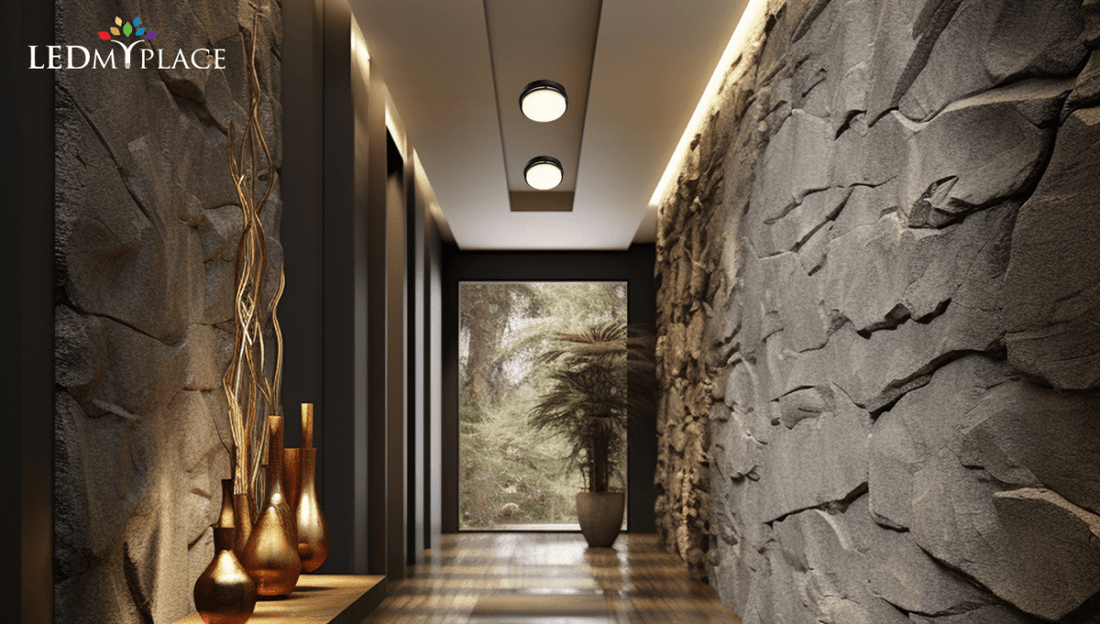
Place lights near interesting walls or textures. This draws attention to unique parts of the hallway.
Use focused lighting to show off shelves, moldings, or artwork. It adds character without clutter.
- Light up textured walls to show depth
- Place lights above or below artwork
- Use spotlights for shelves or niches
- Keep the design simple to stay minimalist
Avoiding Shadows And Glare
Position lights to reduce harsh shadows in the hallway. Shadows can make the space feel smaller.
Use diffused lighting to avoid glare. Soft light is easier on the eyes and keeps the hallway calm.
- Avoid placing lights directly in front of reflective surfaces
- Use frosted bulbs or shades for softer light
- Angle lights away from eyes and reflective spots
- Balance light sources to create even brightness
Layering Light For Depth
Lighting can change how a hallway feels and looks. Using different light types creates depth.
Layering light means combining soft, bright, and focused lights to shape the space.
Ambient Lighting Options
Ambient light gives overall brightness. It fills the hallway with gentle, even light.
- Flush mount ceiling lights
- Recessed downlights
- Wall sconces with diffusers
- LED strip lights along the ceiling edges
Accent Lighting Techniques
Accent lighting highlights art, plants, or architectural details in the hallway.
| Technique | Description | Placement |
| Spotlights | Focus narrow beams on objects | Ceiling or walls angled |
| Picture lights | Illuminate framed art | Above or below frames |
| LED strips | Light shelves or recesses | Under ledges or niches |
Task Lighting Considerations
Task lighting helps with specific activities like finding keys or checking coats.
- Install small wall lamps near hooks or benches
- Use motion sensor lights for convenience
- Place lights near mirrors for quick checks
Credit: musaartgallery.com
Choosing Bulbs And Brightness
Choosing the right bulbs and brightness is key for minimalist hallway lighting. The right light makes the space feel open and welcoming.
Consider the color temperature, energy use, and if you want dimmable lights or fixed brightness. These choices affect comfort and style.
Color Temperature Choices
Color temperature affects the mood of your hallway. It is measured in Kelvins (K). Lower numbers mean warm light. Higher numbers mean cool light.
- 2700K to 3000K: Warm white, cozy and soft
- 3500K to 4100K: Neutral white, clear and bright
- 5000K to 6500K: Cool white, sharp and energetic
For hallways, neutral white is often best. It shows colors well without feeling too cold or too warm.
Energy Efficiency Tips
Save energy by choosing bulbs that use less power but give good light. LED bulbs are the best choice for this.
| Bulb Type | Energy Use (watts) | Average Lifespan (hours) |
| Incandescent | 60 | 1,000 |
| Compact Fluorescent (CFL) | 14 | 8,000 |
| LED | 10 | 25,000 |
LED bulbs cost more upfront but last longer and use less electricity. This reduces your bills and waste.
Dimmable Vs Fixed Brightness
Dimmable bulbs let you change the light level. Fixed brightness bulbs stay the same. Each has benefits.
- Dimmable bulbs create mood lighting and save energy.
- Fixed brightness bulbs are simpler and often cheaper.
- Check if your dimmer switch works with your bulb type.
Smart Lighting Integration
Smart lighting lets you control hallway lights using apps or voice commands. It fits well with minimalist designs, adding function without clutter.
With smart systems, you can set schedules and adjust lights remotely. This improves your home’s comfort and energy use.
Automation Benefits
Automation makes hallway lighting easy and efficient. Lights turn on or off based on your presence or time of day.
- Hands-free control through motion sensors
- Energy savings by using light only when needed
- Custom schedules matching your daily routine
- Increased safety by lighting dark areas automatically
Controlling Light Intensity
Smart lighting allows you to change brightness easily. You can set soft light for evenings and bright light for busy times.
| Time of Day | Recommended Brightness |
| Morning | High |
| Afternoon | Medium |
| Evening | Low |
| Night | Very Low |
Syncing With Home Decor
Smart lights can match colors and styles of your hallway decor. This keeps the space simple and elegant.
Ways to sync lighting with decor:
- Choose light colors that match wall paint
- Use adjustable white lights to fit any style
- Pick fixtures with minimalist shapes and finishes
Credit: www.decorilla.com
Maintenance And Durability
Minimalist hallway lighting requires thoughtful maintenance to ensure longevity. Choosing durable fixtures reduces frequent replacements.
Proper lighting placement not only enhances aesthetics but also minimizes wear and tear. Durable materials and design play a key role.
Easy-to-clean Fixtures
Fixtures in the hallway should be easy to clean. This helps maintain their appearance and function over time.
- Choose fixtures with simple designs.
- Avoid intricate patterns that trap dust.
- Opt for materials like glass or stainless steel.
Longevity Of Components
Components of hallway lighting need to last long. This reduces the need for frequent replacements and repairs.
| Component | Average Lifespan |
| LED Bulbs | 15,000 hours |
| Fixture Body | 10 years |
| Wiring | 20 years |
Replacing Bulbs Seamlessly
Ease of bulb replacement is crucial in hallway lighting. It ensures that the lights stay functional without hassle.
Frequently Asked Questions
What Is The Best Lighting Placement For Minimalist Hallways?
The best placement is centered ceiling lights or wall sconces spaced evenly. This enhances simplicity while ensuring balanced illumination throughout the hallway.
How Can I Avoid Glare In Minimalist Hallway Lighting?
Use diffused light fixtures or frosted covers. Position lights away from direct eye level to minimize glare and maintain a soft, inviting ambiance.
Which Lighting Types Suit Minimalist Hallway Designs?
LED recessed lights, slim wall sconces, and linear fixtures work well. They offer clean lines and energy efficiency, matching minimalist aesthetics.
How Many Lights Do I Need In A Minimalist Hallway?
Typically, place one light every 4-6 feet depending on hallway length. This ensures consistent brightness without cluttering the space.
Conclusion
Minimalist hallway lighting makes spaces look clean and bright. Place lights evenly to avoid dark spots and shadows. Choose simple fixtures that match your home’s style. Soft, warm light creates a cozy feel without clutter. Good lighting helps you move safely and highlights hallway features.
Keep designs simple and functional for the best results. A well-lit hallway welcomes guests and improves your home’s look. Small changes can make a big difference in lighting placement. Experiment with light positions to find what suits you best.