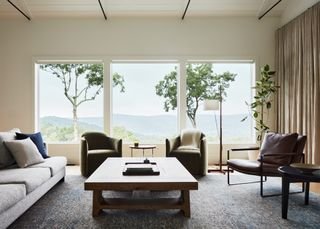
Imagine stepping into your living room and instantly feeling calm, clear-headed, and refreshed. That’s the power of minimalist interior design.
If you’re tired of clutter and chaos, this style could transform your space—and your mindset. You’ll discover simple ways to create a living room that feels open, inviting, and truly yours. Ready to see how less can actually be more?
Keep reading to unlock the secrets of minimalist living rooms that work perfectly for you.
Principles Of Minimalist Design
Minimalist interior design focuses on creating clean and simple living spaces. It values quality over quantity and removes unnecessary items.
This style helps make rooms feel calm and open. It uses basic elements that serve clear purposes.
Simplicity And Functionality
Minimalist design keeps things simple and practical. Every item should have a clear use and place.
Avoid extra decorations that do not add value. Choose furniture that fits the space without crowding it.
Neutral Color Palettes
Neutral colors create a peaceful and balanced look. Shades like white, beige, gray, and soft browns work well.
These colors help the room feel larger and brighter. They also match many styles and materials easily.
Decluttering Techniques
Removing clutter is key in minimalist living rooms. Keep only items you use or love.
Store things neatly out of sight. This keeps the space tidy and calm.
- Sort belongings into keep, donate, and discard piles
- Use hidden storage like cabinets and drawers
- Clean surfaces regularly to avoid buildup
Choosing Furniture
Choosing the right furniture is key for a minimalist living room. It keeps the space simple and functional.
Focus on pieces that fit your needs without crowding the room. Less furniture means more open space.
Selecting Multi-functional Pieces
Multi-functional furniture saves space and adds value. Use items that serve more than one purpose.
Examples include sofas with storage or coffee tables that can be used as desks. These pieces reduce clutter.
- Sofa beds for guests
- Storage ottomans
- Foldable desks or tables
- Bookshelves with hidden compartments
Emphasizing Clean Lines
Choose furniture with simple shapes and smooth surfaces. Clean lines make the room feel calm and organized.
Avoid overly ornate or bulky pieces. Straight edges and flat panels keep the look minimal and modern.
- Square or rectangular tables
- Sleek sofas without extra decoration
- Minimalist chairs with thin legs
- Plain cabinets and shelves
Prioritizing Quality Over Quantity
Buy fewer pieces made from good materials. Quality furniture lasts longer and looks better.
Invest in durable wood, metal, or fabric. This reduces the need for replacements and keeps the room neat.
- Solid wood frames
- Strong metal legs
- High-quality upholstery
- Well-crafted joints and finishes
Lighting And Ambiance
Lighting plays a big role in minimalist living rooms. It helps create a calm and open space.
Good lighting sets the mood and makes the room feel inviting. Simple designs work best.
Maximizing Natural Light
Natural light makes a room bright and fresh. It opens up small spaces and adds warmth.
Use large windows and keep window treatments light. Avoid heavy curtains that block sunlight.
- Keep windows clean for clear light
- Use sheer or light-colored curtains
- Place mirrors to reflect daylight
- Avoid placing large furniture near windows
Using Minimalist Light Fixtures
Minimalist light fixtures have simple shapes and clean lines. They do not crowd the space.
Choose fixtures with neutral colors and basic designs. They add light without drawing too much attention.
- Use pendant lights with simple shapes
- Choose floor lamps with slim profiles
- Pick wall sconces without elaborate details
- Opt for recessed lighting for a clean ceiling
Creating Cozy Atmospheres
Soft lighting makes a room feel warm and cozy. It helps you relax after a long day.
Use dimmable lights and warm bulbs. Add small lamps or candles for extra comfort.
- Choose bulbs with warm color temperature (2700K–3000K)
- Use table lamps with soft shades
- Add candles or LED tealights safely
- Place lights near seating areas for comfort
Decor And Accessories
Minimalist interior design keeps your living room simple and clean. It uses few items to create a calm space.
Choosing the right decor and accessories helps keep the room neat. Each piece should have a purpose and style.
Incorporating Art Sparingly
Choose one or two art pieces that stand out. Avoid clutter by not hanging too many items on the walls.
Simple frames and neutral colors work best. Let the art be a quiet highlight, not the main focus.
Using Textures For Interest
Texture adds depth without extra color or patterns. Use soft fabrics, smooth wood, or rough stone to create feeling.
Mix different textures in small amounts to keep balance. This helps the room feel warm and inviting.
- Wool or cotton throw blankets
- Leather or fabric cushions
- Wooden furniture with natural grain
- Stone or ceramic decorative items
Selecting Minimalist Plants
Choose plants with simple shapes and few leaves. Avoid plants that grow too fast or need much care.
Plants add life without clutter. Use plain pots in neutral colors to keep the look clean.
- Snake plant
- Succulents
- ZZ plant
- Monstera with few leaves
Color And Material Choices
Minimalist living rooms use simple colors and materials. They create calm, clean, and open spaces.
Choosing the right colors and materials helps keep the design clear and stylish. It also adds warmth and comfort.
Neutral Tones And Accents
Neutral tones like white, beige, and gray form the base of a minimalist living room. They make the space feel light and airy.
Adding small color accents with cushions or art brings interest without clutter. Soft pastels or muted colors work well.
- White walls create a bright backdrop
- Gray furniture adds subtle depth
- Beige rugs offer warmth
- Light blue or green accents add calm
Natural Materials
Natural materials bring texture and comfort to minimalist rooms. They connect the indoors with nature.
Wood, stone, and cotton are popular choices. These materials look simple but add richness to the space.
- Light wood floors or furniture soften the look
- Stone surfaces add a cool, sturdy feel
- Cotton or linen fabrics keep things cozy
- Plants bring life and fresh air
Matte Vs Glossy Finishes
Matte finishes offer a soft and natural look. They hide fingerprints and reduce glare.
Glossy finishes reflect light and add shine. They can make spaces feel modern but show smudges easily.
- Use matte on walls and fabrics for calmness
- Glossy surfaces work well on small decor items
- Mix finishes for balance and interest
- Matte wood furniture pairs well with glossy accents

Credit: www.architecturaldigest.com
Layout And Space Optimization
Creating a minimalist interior design for your living room focuses on using space wisely. Optimizing layout can make your space feel larger and more inviting.
Simple changes in your room’s design can greatly enhance its function and feel. Let’s explore ways to optimize your living room.
Open Floor Plans
Open floor plans can make your living room look spacious and airy. Fewer walls mean more flexibility in furniture placement.
- Remove unnecessary partitions
- Use multi-functional furniture
- Create distinct zones using rugs
Creating Clear Pathways
Clear pathways make moving around easier and safer. Keep paths open by arranging furniture wisely.
Consider these elements:
- Position seating to face the main entrance
- Ensure walkways are at least 3 feet wide
- Avoid placing furniture in direct paths
Balancing Negative Space
Negative space refers to empty areas that help balance the room. It prevents the room from feeling cluttered.
| Aspect | Action |
| Walls | Leave some areas blank |
| Floor | Keep large sections uncovered |
| Furniture | Choose pieces with open legs |
Maintaining A Minimalist Living Room
A minimalist living room feels calm and inviting. It uses simple designs and uncluttered spaces.
To maintain this style, focus on keeping only what you need. This approach makes your space feel open and peaceful.
Regular Decluttering Habits
Clutter can quickly build up. Set a schedule to declutter often. It keeps your space tidy and stress-free.
- Sort items weekly
- Donate things you do not use
- Keep surfaces clear
Mindful Purchasing
Only buy what truly adds value to your space. This helps maintain the minimalist look.
Consider these questions before buying:
- Do I need this item?
- Will it fit with my current decor?
- Is it durable and high quality?
Seasonal Refreshes
Refreshing your space with the seasons keeps it lively. Use small changes to match the time of year.
| Season | Change |
| Spring | Add fresh flowers |
| Summer | Use light fabrics |
| Fall | Include warm tones |
| Winter | Cozy throws |

Credit: www.architecturaldigest.com

Credit: www.architecturaldigest.com
Frequently Asked Questions
What Defines Minimalist Interior Design Living Room?
Minimalist interior design living room focuses on simplicity and functionality. It uses clean lines, neutral colors, and minimal decor. The goal is to create a spacious, clutter-free environment that promotes calm and relaxation.
How To Choose Furniture For Minimalist Living Rooms?
Select furniture with simple shapes and neutral colors. Prioritize functionality and quality over quantity. Avoid bulky pieces, and opt for sleek, multi-purpose designs that enhance openness and comfort.
Which Colors Suit Minimalist Living Room Design Best?
Neutral colors like white, beige, gray, and soft pastels work best. These colors create a calm and airy atmosphere. They also make the room appear larger and more inviting.
How To Decorate A Minimalist Living Room Effectively?
Use minimal decor items like one or two statement pieces. Choose plants, simple artwork, or textured cushions to add interest. Keep surfaces clean and avoid overcrowding to maintain simplicity.
Conclusion
Minimalist living rooms bring calm and space to your home. Clean lines and simple colors create a peaceful mood. Choose only what you truly need and love. Clutter fades away, making the room feel bigger and brighter. This style helps you relax and enjoy your space more.
Try adding natural light and a few plants for warmth. Minimalism is about balance and clear thinking. Your living room can become a quiet, inviting place. Simple changes make a big difference in daily comfort. Give minimalist design a chance to refresh your home.