
Imagine walking into your room and instantly feeling calm, focused, and refreshed. That’s the power of minimalist room design.
By cutting out the clutter and keeping only what truly matters, you create a space that works for you, not against you. If you want your room to be a peaceful retreat and a place where your mind can breathe, this guide is for you.
Keep reading to discover simple steps that transform your space and your life.
Principles Of Minimalist Design
Minimalist room design creates calm, open spaces. It focuses on simplicity and purpose.
This style removes clutter and highlights key elements. It uses clean shapes and natural colors.
Clean Lines And Shapes
Minimalist design relies on clean, straight lines and simple shapes. These create a sense of order.
- Use geometric shapes like squares and rectangles
- Avoid ornate or complex patterns
- Keep edges sharp and surfaces smooth
- Focus on balance and symmetry
Neutral Color Palette
Colors in minimalist rooms are soft and muted. Neutral tones make spaces feel larger and peaceful.
| Color | Effect |
| White | Brightens the room |
| Gray | Adds calmness |
| Beige | Creates warmth |
| Black | Offers contrast |
Functional Furniture
Furniture in minimalist rooms serves a clear purpose. It avoids excess and supports daily use.
Key features of functional furniture include:
- Simple design with no extra decoration
- Multi-purpose use to save space
- Comfort and durability
- Fits well with room size and layout
Choosing The Right Furniture
Minimalist room design depends on furniture that fits well and serves a purpose. Choosing the right pieces helps keep the space simple and functional.
Focus on items that add value without cluttering the room. Think about how each piece works for your lifestyle and space.
Multipurpose Pieces
Furniture that serves more than one function saves space and adds convenience. These pieces make your room look neat and open.
- Sofa beds provide seating and sleeping areas.
- Ottomans with storage hide items out of sight.
- Foldable tables can be used when needed and stored easily.
- Desks with shelves keep your workspace tidy.
Low-profile Designs
Choose furniture with low height and simple shapes. Low-profile designs make rooms feel larger and less crowded.
| Furniture Type | Low-Profile Feature | Benefit |
|---|---|---|
| Sofa | Short legs, slim arms | Keeps sight lines open |
| Bed | Platform style, no headboard | Creates a clean look |
| Coffee Table | Thin top, minimal base | Appears light and airy |
Quality Over Quantity
Pick fewer pieces made with good materials. Quality furniture lasts longer and looks better in a minimalist room.
Look for these quality signs in furniture:
- Solid wood or metal frames
- Strong joints and hardware
- Durable fabrics or finishes
- Simple but well-made details
Decluttering Your Space
A minimalist room looks calm and inviting. Decluttering helps you keep only what you need.
Clearing out extra items creates more space and reduces stress. Start with simple steps.
Essential Items Only
Keep only the things you use every day. Extra items add clutter and make rooms feel small.
Choose quality over quantity. Pick items that serve a clear purpose and bring joy.
- Furniture with multiple uses
- Decor that matches your style
- Tools and gadgets you use often
Smart Storage Solutions
Use storage that hides clutter but stays easy to access. This keeps your room tidy.
Look for shelves, baskets, and boxes that fit your space and style.
- Under-bed storage for extra bedding
- Wall shelves to free floor space
- Closed cabinets to hide small items
Regular Maintenance
Check your room often and put things away. Small habits stop clutter from building up.
Set a weekly time to tidy up and remove anything you do not need anymore.
- Daily quick clean-ups
- Weekly sorting of items
- Monthly review of what to keep
Lighting And Ambiance
Lighting sets the mood in a minimalist room. It helps create a clean and peaceful space.
Good lighting makes the room feel open and calm. It highlights simple design features.
Natural Light Maximization
Use large windows to bring in more sunlight. Keep window treatments light and simple.
Place mirrors to reflect natural light. This makes the room look bigger and brighter.
- Choose sheer curtains or blinds
- Keep windows clean for better light
- Use light-colored walls to reflect light
- Arrange furniture to avoid blocking windows
Simple Light Fixtures
Select light fixtures with clean lines and minimal details. They fit well in a minimalist room.
Use fixtures that provide soft, warm light. Avoid bright or harsh lighting that feels busy.
- Choose pendant lights with simple shapes
- Use recessed lighting for a sleek look
- Pick lamps with plain shades
- Stick to neutral colors for fixtures
Creating A Calm Atmosphere
Use dimmable lights to adjust brightness. This helps make the room relaxing at any time.
Add candles or soft LED strips for cozy lighting. Keep accessories simple to avoid clutter.
- Install dimmer switches for control
- Use warm white bulbs for comfort
- Limit the number of light sources
- Keep decorations minimal and neat
Incorporating Texture And Materials
Minimalist room design uses simple shapes and colors. Adding texture and materials makes the space warm and inviting.
Using different materials helps create interest without clutter. Texture adds depth to plain surfaces.
Natural Textures
Natural textures bring calm and comfort to a minimalist room. Wood, stone, and plants add a soft touch.
These materials create a connection to nature. They also add small details that catch the eye.
- Wood grain on furniture or floors
- Stone or brick walls or accents
- Green plants or woven baskets
Minimalist Fabrics
Minimalist fabrics are simple and soft. Cotton, linen, and wool work well in this style.
Use these fabrics for cushions, throws, or curtains. They add comfort without too much pattern or color.
- Light-colored linen for curtains
- Wool throw blankets for warmth
- Cotton pillows in neutral tones
Subtle Contrasts
Subtle contrasts create balance and interest. Use smooth and rough, light and dark materials together.
These contrasts add depth without making the room busy. They keep the minimalist look fresh and lively.
- Smooth glass with rough wood
- Matte walls with glossy furniture
- Soft fabrics with hard metal details

Credit: arterahome.com
Personalizing Without Clutter
Creating a minimalist room is about simplicity and function. You can personalize your space without adding clutter.
Focus on elements that are meaningful. Choose items that reflect your personality and style.
Selective Decor Items
Select a few decor items that bring joy. Avoid overloading your space.
Choose pieces that are functional and beautiful. This keeps your room tidy and stylish.
- Decorative lamps for lighting
- Books that inspire you
- Unique vases or sculptures
Art And Wall Accents
Art can make a big impact with little clutter. Use it to express your style.
Choose one or two pieces for a focal point. It makes the room feel complete.
- Large painting above the sofa
- Minimalist clock
- Framed photos of family
Greenery And Plants
Plants add life and color to a room. They clean the air and provide a calming effect.
Choose easy-to-care-for plants. This ensures they thrive in your space.
- Succulents for small spaces
- Fiddle leaf fig for a corner
- Herbs on the kitchen window
Maintaining Minimalism Over Time
Minimalist room design is about creating a clean and simple space. It requires effort to keep the room clutter-free over time.
By following some simple steps, you can maintain a minimalist look in your home. Let’s explore these strategies together.
Mindful Purchasing
Be careful about what you bring into your home. Buy only what you truly need.
- Make a list before shopping
- Choose quality over quantity
- Avoid impulse buys
Regular Space Reviews
It is important to review your space regularly. This helps to ensure everything has a purpose.
| Review Type | Frequency |
| Monthly Declutter | Once a month |
| Seasonal Deep Clean | Every three months |
| Annual Overhaul | Once a year |
Adapting To Lifestyle Changes
Your lifestyle may change, and your space should reflect this. Adjust your room to fit your current needs.
Consider the following:
- New hobbies or interests
- Family changes like a new baby
- Working from home setup

Credit: www.architecturaldigest.com
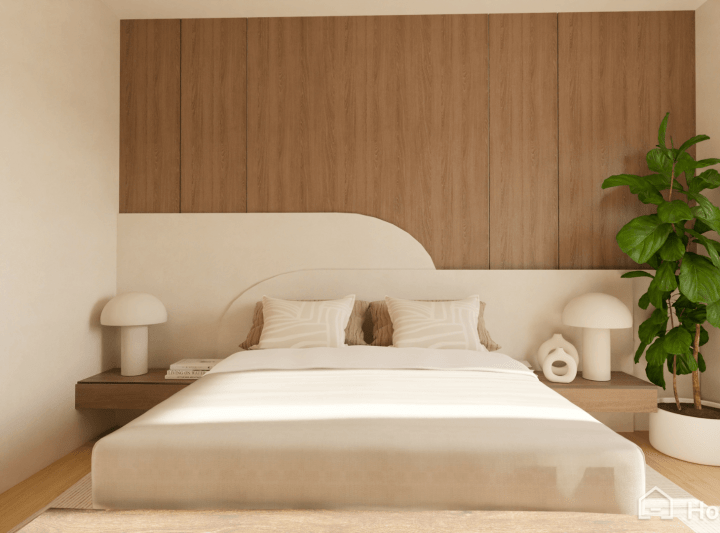
Credit: home.by.me
Frequently Asked Questions
What Defines A Minimalist Room Design?
Minimalist room design focuses on simplicity and functionality. It uses fewer furniture pieces and neutral colors. The goal is a clutter-free, clean, and calming space that maximizes natural light and open areas.
How To Start Designing A Minimalist Room?
Begin by decluttering and choosing essential furniture only. Opt for neutral colors and simple decor. Prioritize quality over quantity and maintain clean lines for a spacious, organized look.
What Colors Suit Minimalist Room Design Best?
Neutral colors like white, beige, gray, and soft pastels suit minimalist rooms. They create a calm, airy atmosphere and enhance natural light, keeping the space visually open and uncluttered.
How To Maintain A Minimalist Room’s Simplicity?
Regularly declutter and avoid excess decor. Choose multi-functional furniture and keep surfaces clear. Stick to a simple color palette and organize items to maintain clean, open spaces.
Conclusion
A minimalist room design brings calm and order to any space. Clean lines and simple decor help create a peaceful atmosphere. It uses less furniture and more open space. This style makes rooms feel bigger and brighter. Choosing neutral colors adds to the calm vibe.
Minimalism lets you focus on what truly matters. It’s an easy way to refresh your home’s look. Try it to enjoy a neat and inviting room every day. Simple, clear, and cozy—minimalism works well for everyone.
